


Adults:
Children:
Overview
- indoor swimming pool
- free wifi
- free parking
- fitness centre
- non-smoking rooms
- spa and wellness centre
- facilities for disabled guests
- tea/coffee maker in all rooms
- bar
- breakfast
Intro
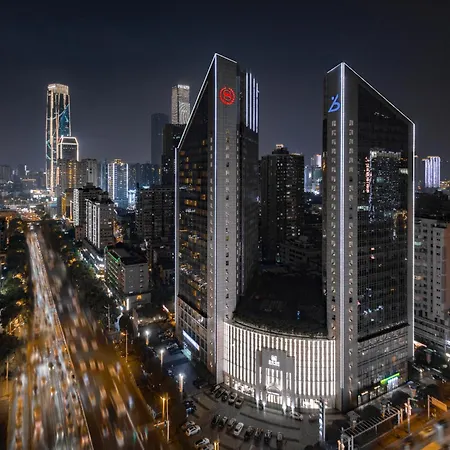
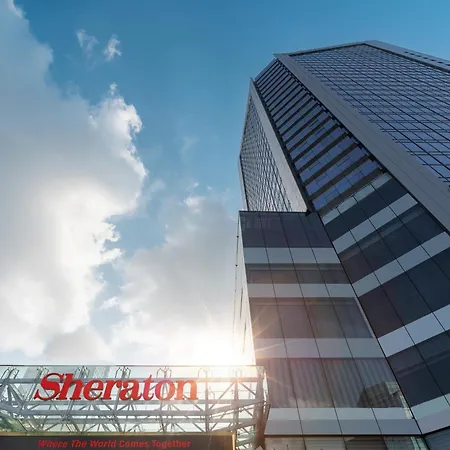
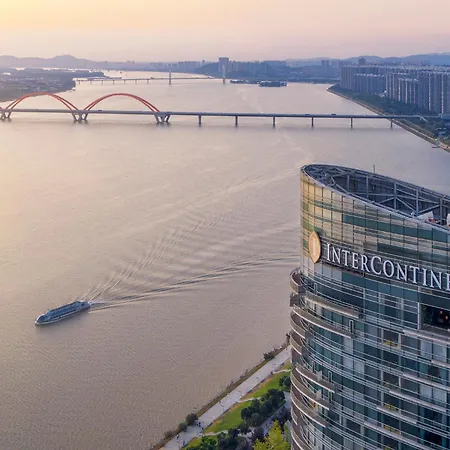
The 5-star Sheraton Changsha Hotel offers easy access to Hunan Exhibition Hall, which is situated a mere 5 minutes' walk away. The wonderful hotel offers an indoor swimming pool along with a steam room and sauna facilities and boasts a location 0.2 miles from Lieshi Park Monument.
Rooms
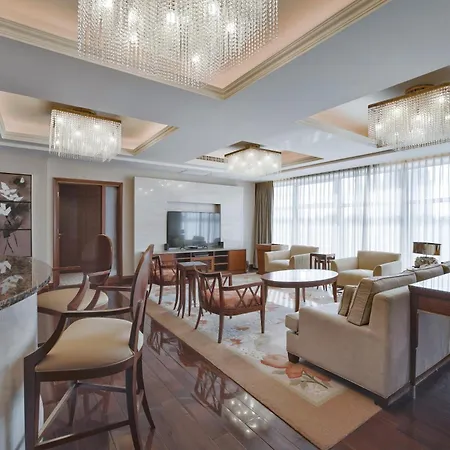
This Changsha property offers 345 rooms with air conditioning, as well as self-catering options such as a mini-fridge-bar and tea/coffee making equipment. Bathrooms, fitted with a bathtub and a separate shower, also provide guests with a hairdryer and bath sheets. The Changsha hotel offers rooms which overlook the urban.
Relax
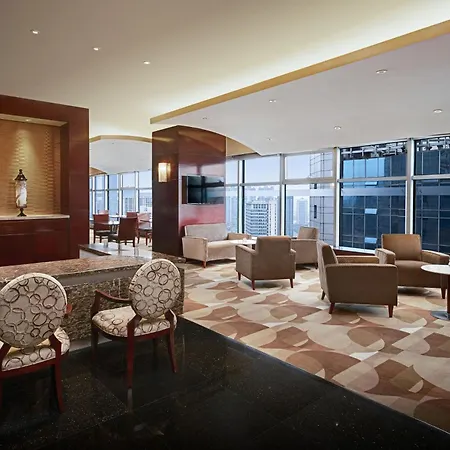
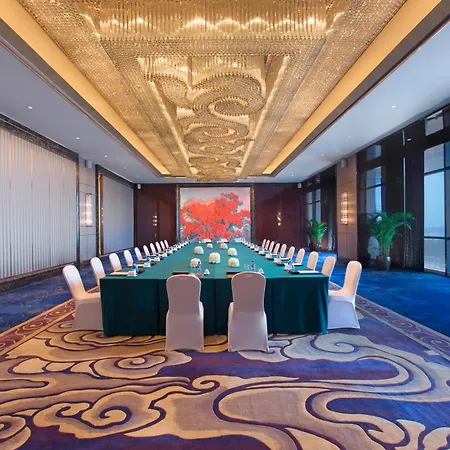
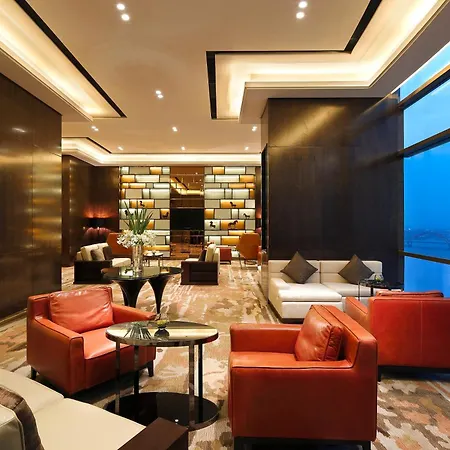
The Sheraton Changsha welcomes guests to enjoy a roof garden, spa therapy, and a shared lounge provided on-site. There is a fitness area with a wide range of sports. Business travelers will have access to 11 meeting rooms provided on site.
Location
Conveniently located about a 10-minute drive from Hunan First Normal University, the Changsha hotel is about a 15-minute drive from Juzizhou Park. Juzizhou Beach Recreational Park is 1.6 miles from the 31-story Sheraton, and Changsha Huanghua International airport is 19 miles away.
Eat
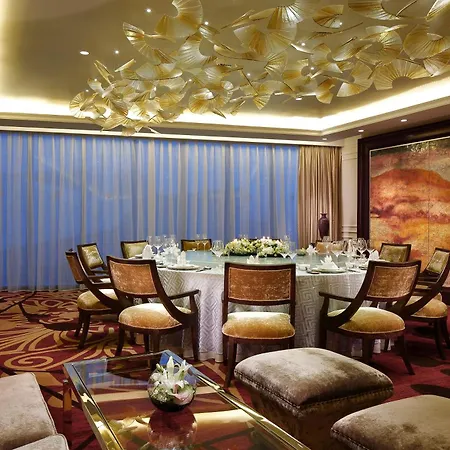
This Changsha hotel has an à la carte restaurant and a poolside bar. The restaurant serves international cuisine for lunch and dinner. The bar serves complimentary drinks.
Rooms
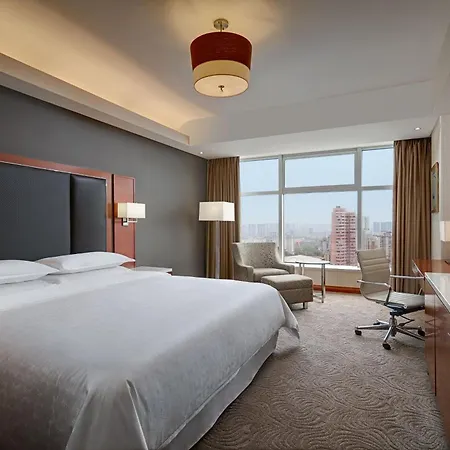
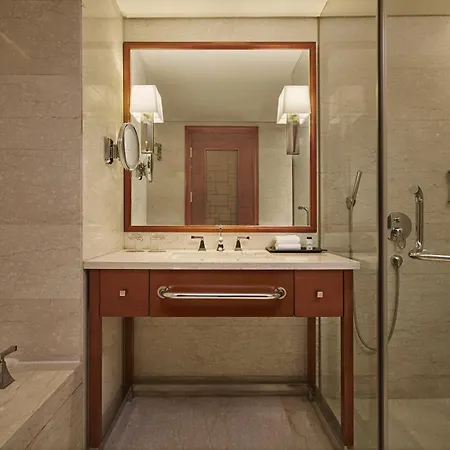
Other Great Stays in CHANGSHA
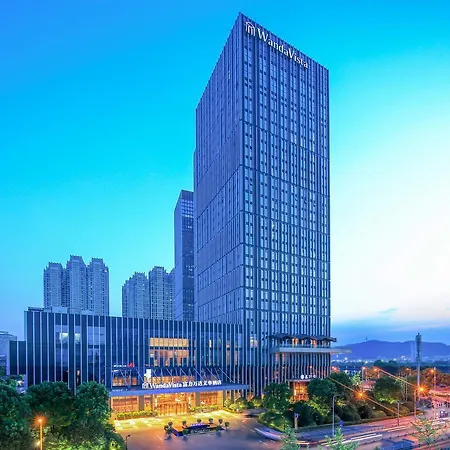
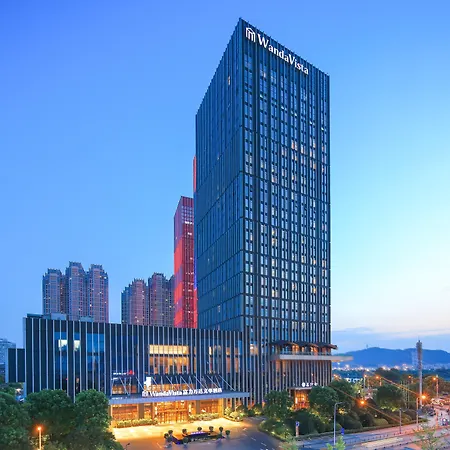
Facitilies
Facilities
- AM/FM alarm clock
Rooms
- Air conditioning
- Heating
- Mini-bar
- Soundproofed rooms
- Tea and coffee facilities
- Ironing facilities
Dining facilities
- In-room breakfast
- Restaurant
- Snack bar
- Bar/ Lounge area
- Special diet menus
- Electric kettle
Services
- Room service
- Housekeeping
- Car hire
- Laundry
- Dry cleaning
- Tours/Ticket assistance
- Welcome drink
Relax
- Indoor swimming pool
- Sun loungers
- Entertainment
- Sun terrace
- Garden area
- Leisure/ TV room
- Spa & wellness centre
- Sauna
- Steam room
- Beauty treatment
- Massage
- Public Bath
- Fitness centre
- Table tennis
- Sports trainer
Activities for Kids
- Cots
- Board games
- Children's play area
Reviews
Tourist VR
Categories
-
Cleanliness 9.2
-
Comfort 9.2
-
Facilities 8.7
-
Free WiFi 7.5
-
Location 8.7
-
Total 8.9
-
Value for money 8.2
Location
- 1. Taiping Street 2.39 km (1.49 mi.)
- 2. Tianxin Pavilion 2.16 km (1.34 mi.)
- 3. Changsha Ferris wheel 2.35 km (1.46 mi.)
- 4. Hunan Provincial People's Stadium 1.17 km (3839 ft)
- 5. Lieshi Park Monument 880 m (2887 ft)
- 6. Martyrs Park 2.98 km (1.85 mi.)
- 7. CPC Xiangqu Committee Former Site 640 m (2100 ft)
- 8. Zhonggong Xiangqu Committee Site 640 m (2100 ft)
- 9. Changsha Bamboo Slips Museum 2.51 km (1.56 mi.)
- 10. Changsha Artists Cultural Village 600 m (1969 ft)
- 1. Yinbing Road 510 m (1673 ft)
- 2. Furong Square 1.81 km (1.12 mi.)
- 3. Wuyi Square 1.99 km (1.24 mi.)
- 4. Peiyuanqiao 2.22 km (1.38 mi.)
- 5. Airport 2.83 km (1.76 mi.)


Address
View mapYunda International Plaza 478 Furong Zhong Lu, Sec
Key Features
Check-In:
from 15:00 until 23:59
Check-Out:
until 12:00
Contact Information
Contact phone
8673184888888
Website
Visit hotel website
reservation.changsha@marriott.com