
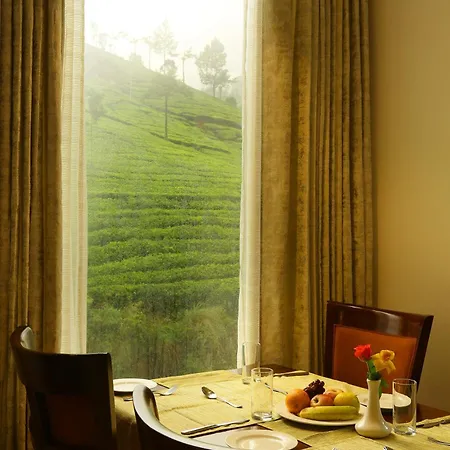
a luxury hotel near Munnar
by MichaelFalk1969 about Windermere Estate
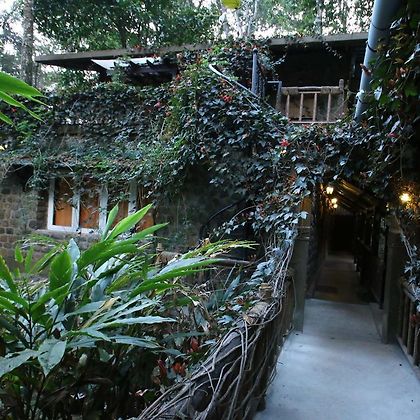
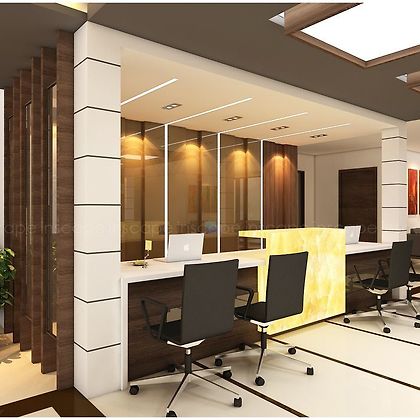
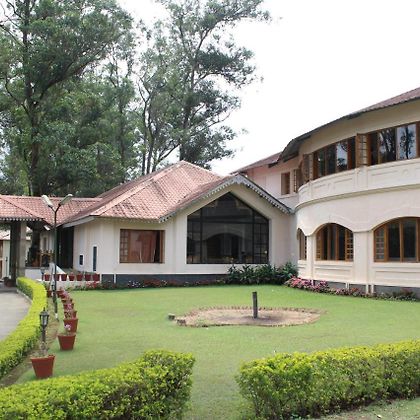
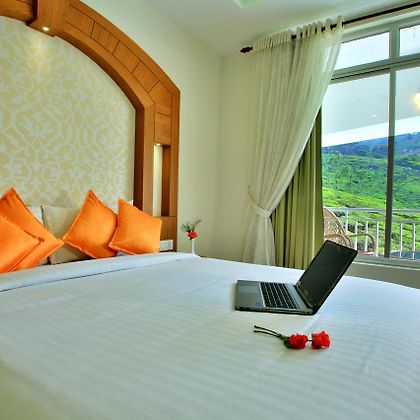
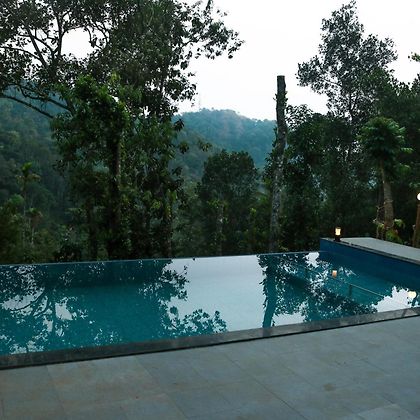
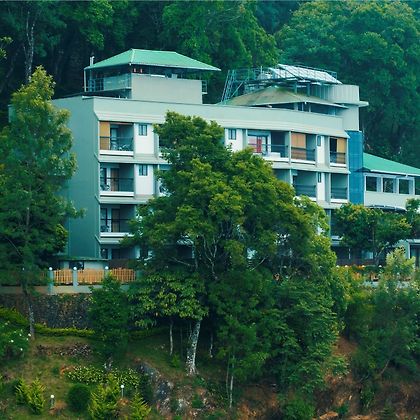
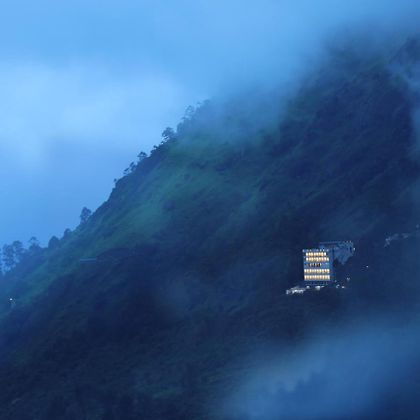
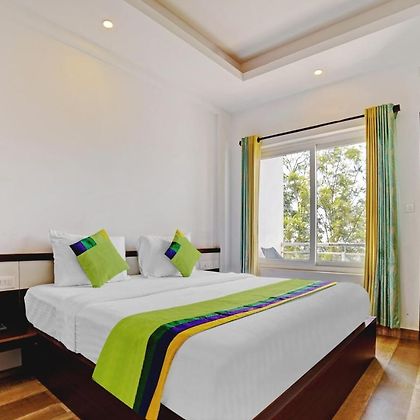
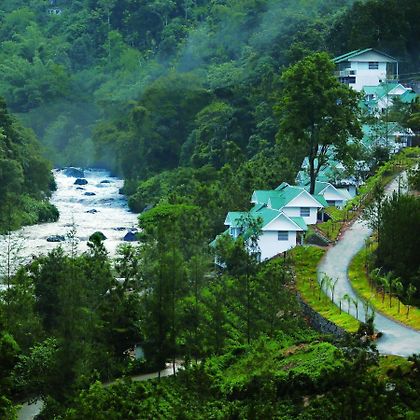
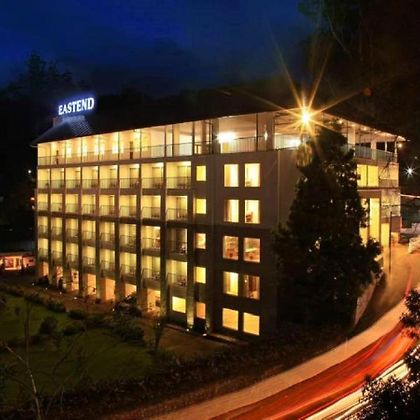
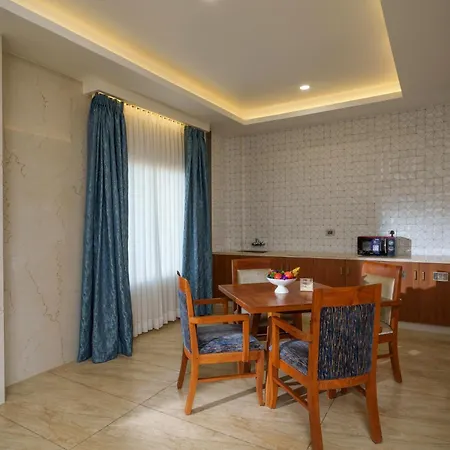
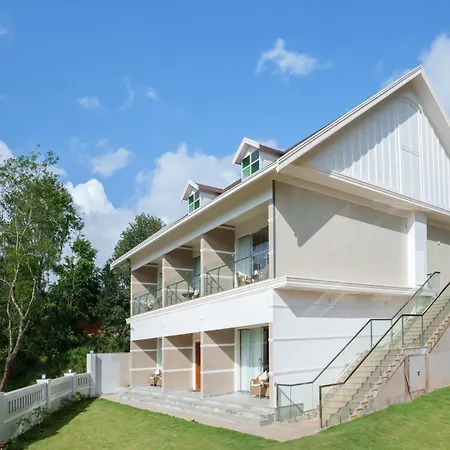
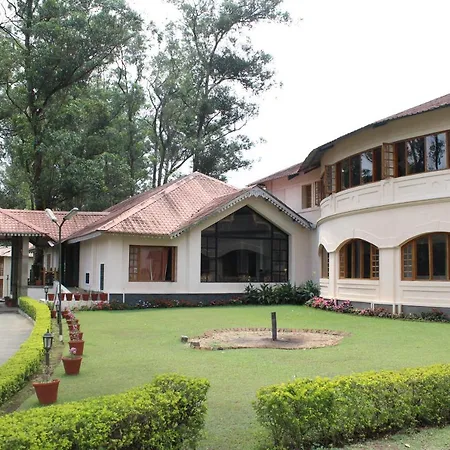
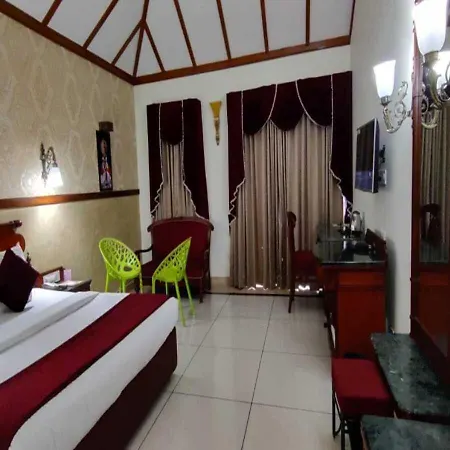
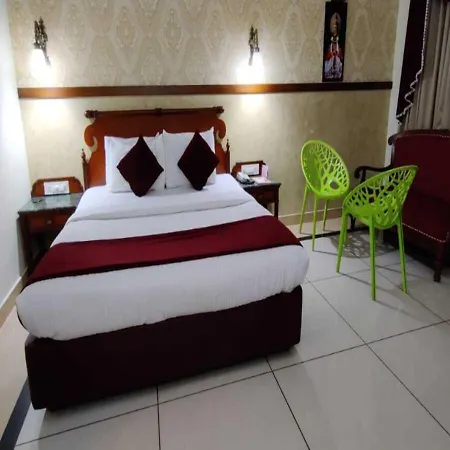
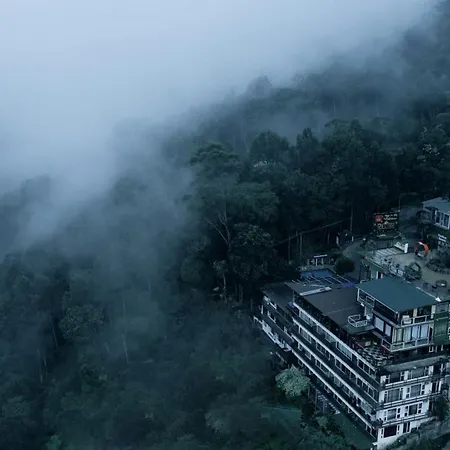
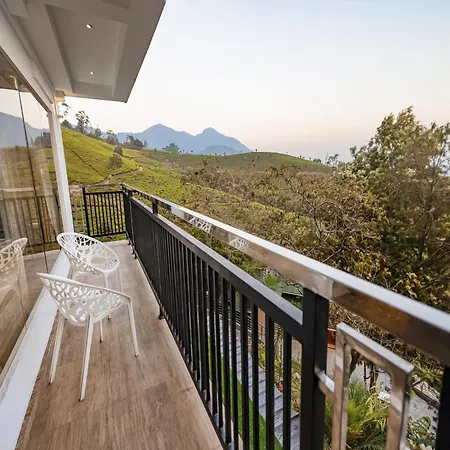
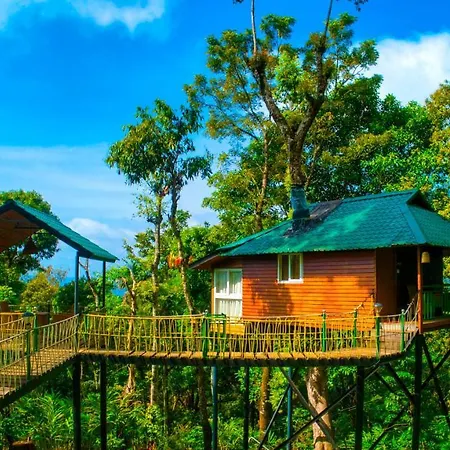
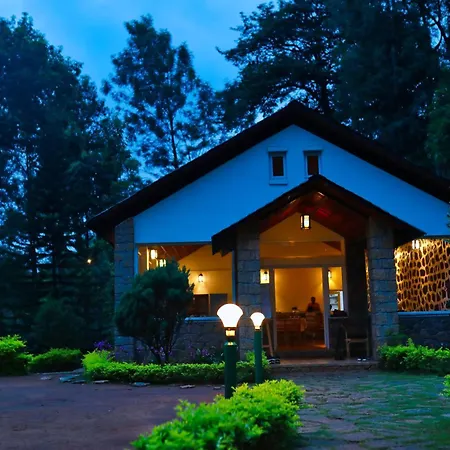
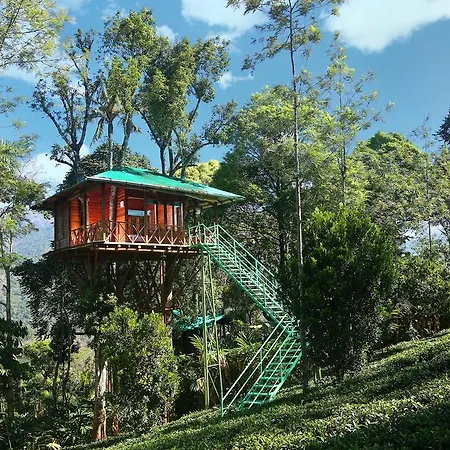
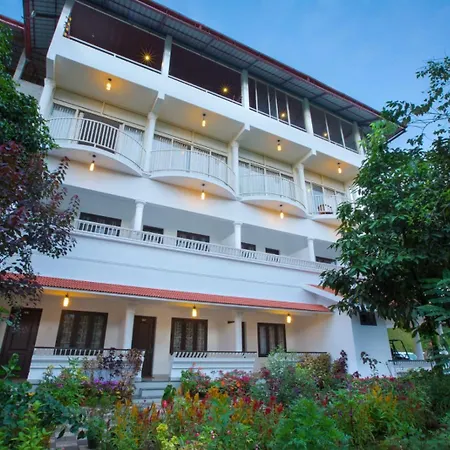
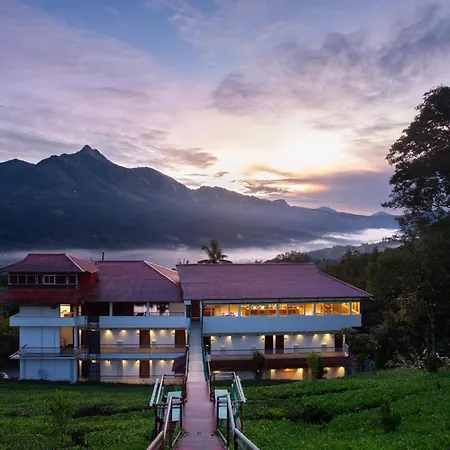
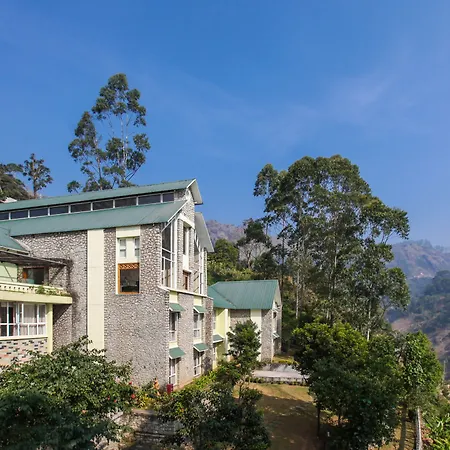
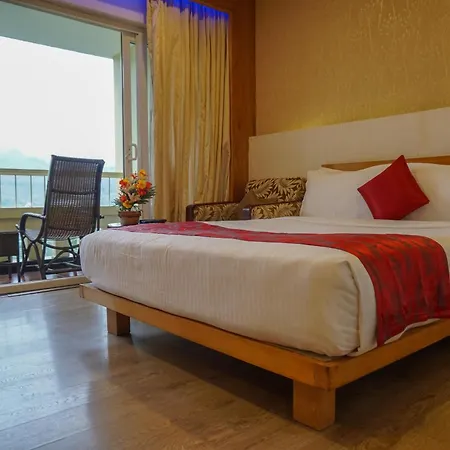
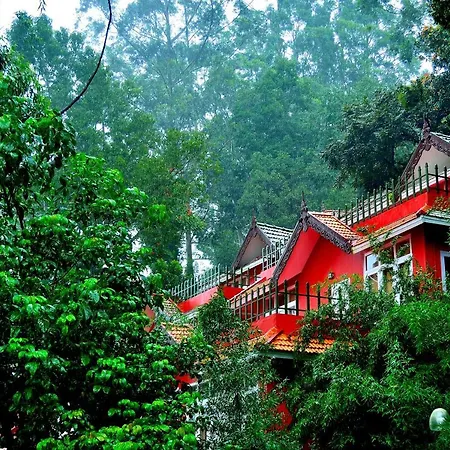
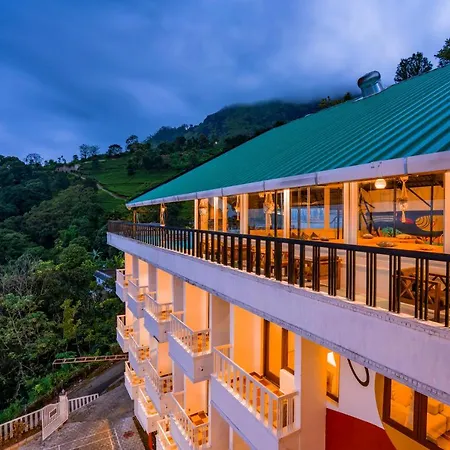
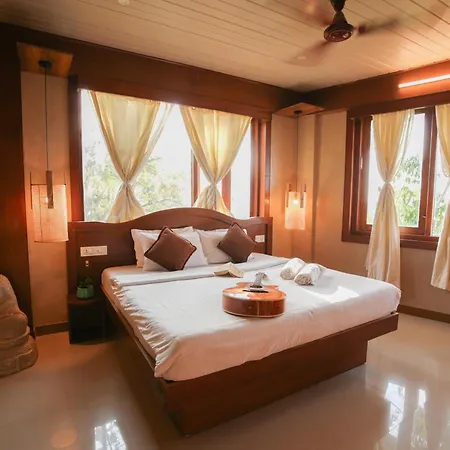
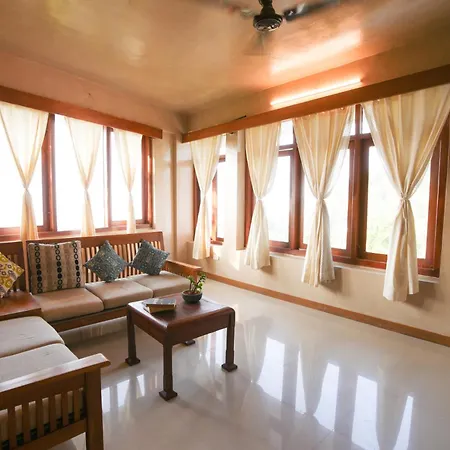
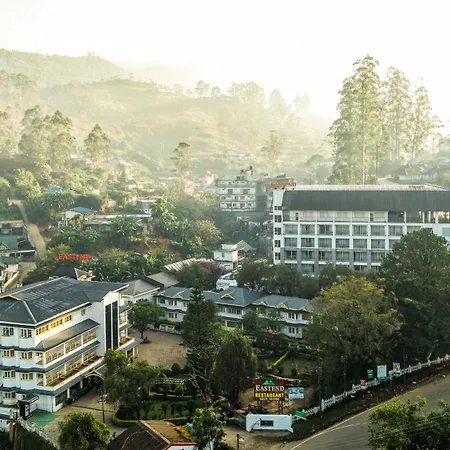
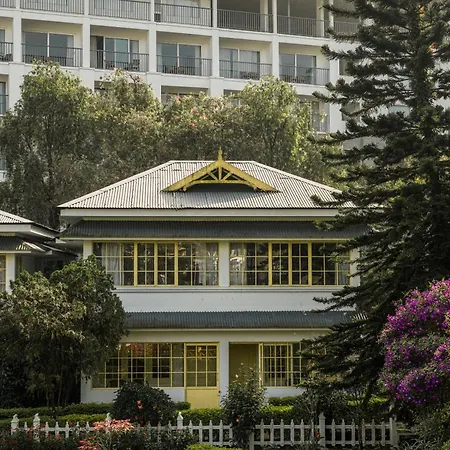
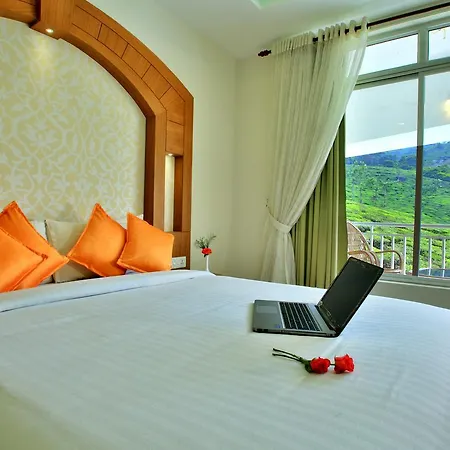
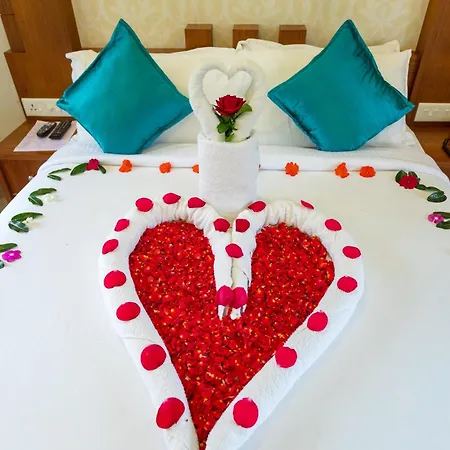
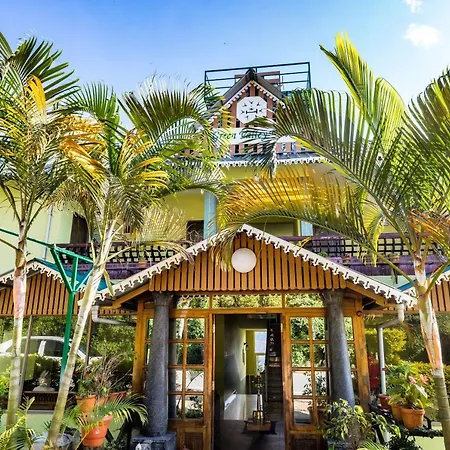
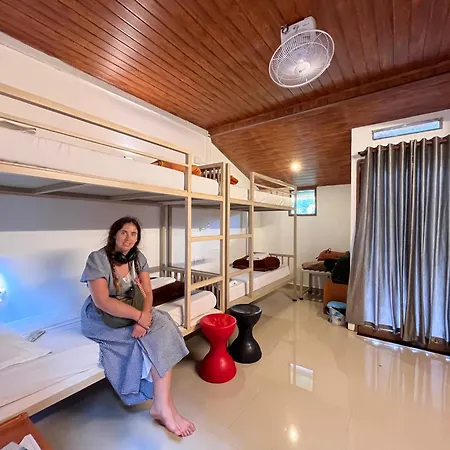
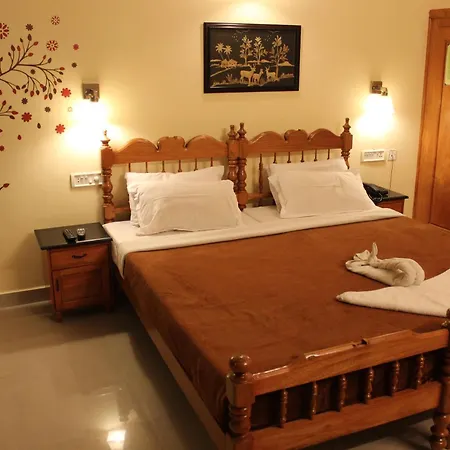
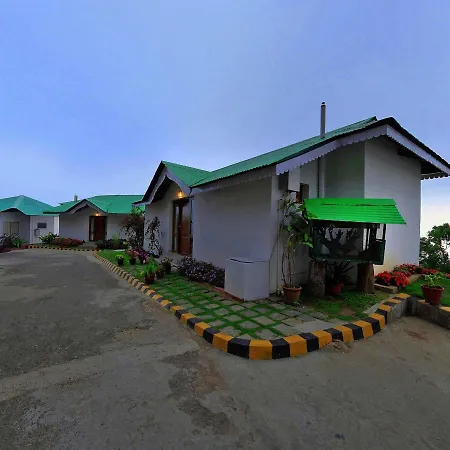
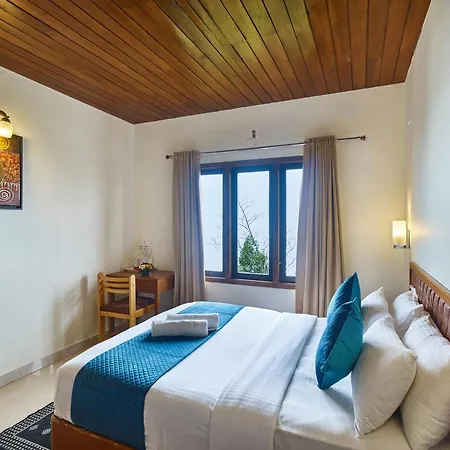
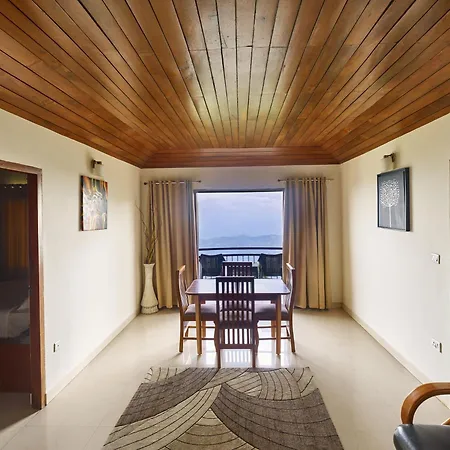
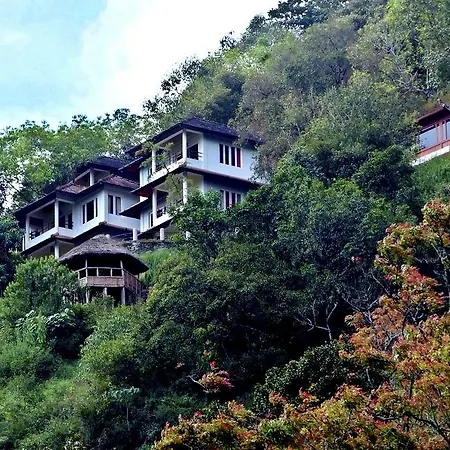
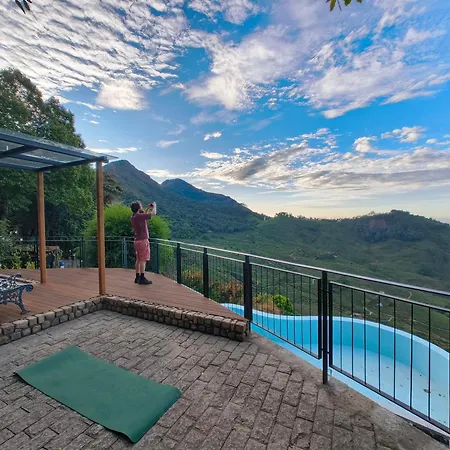
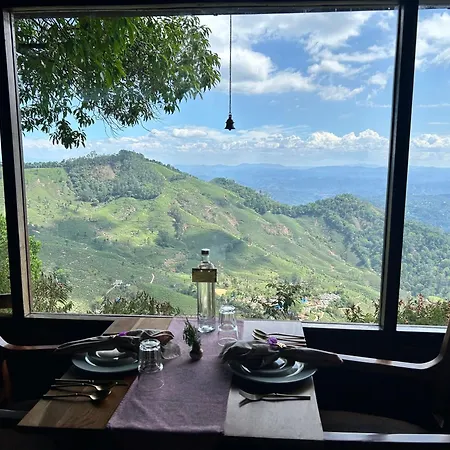
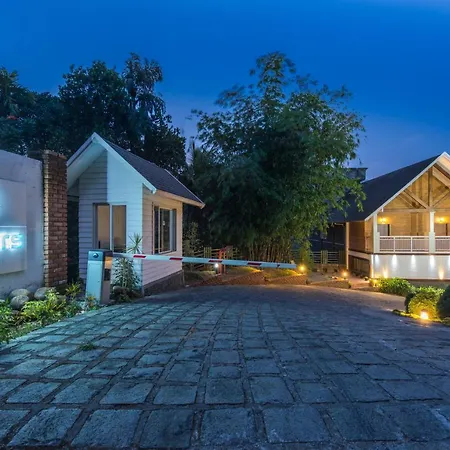
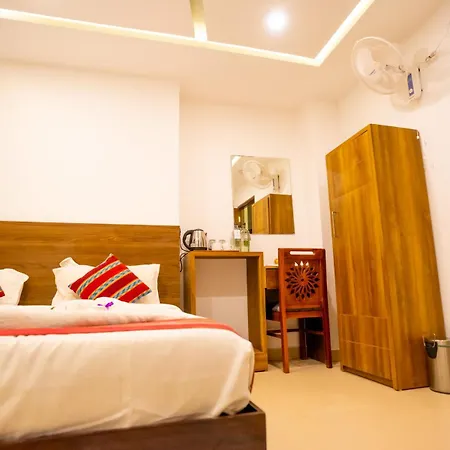
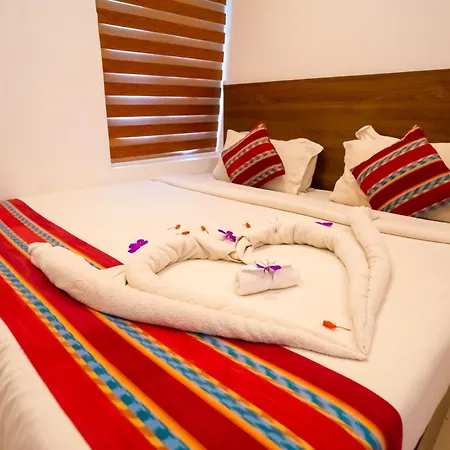
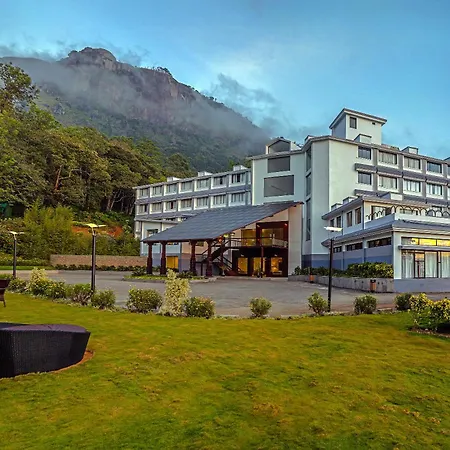
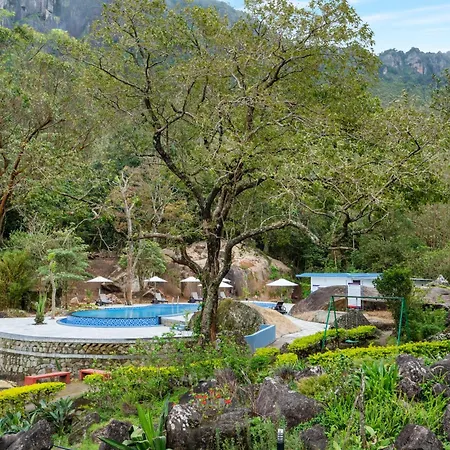
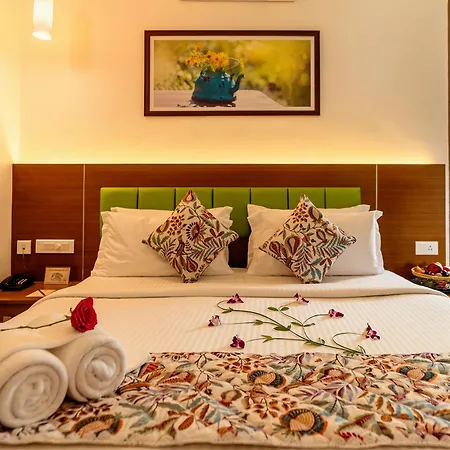
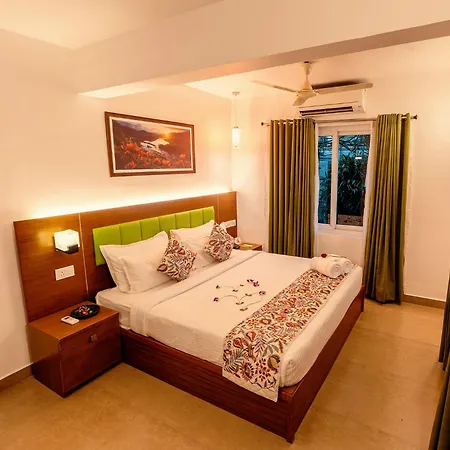
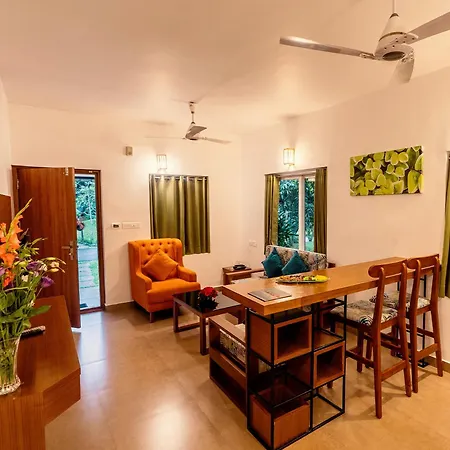
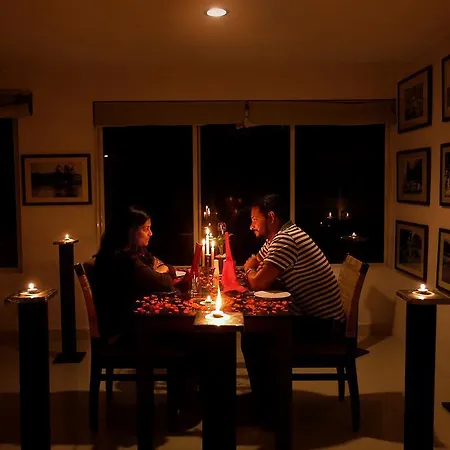
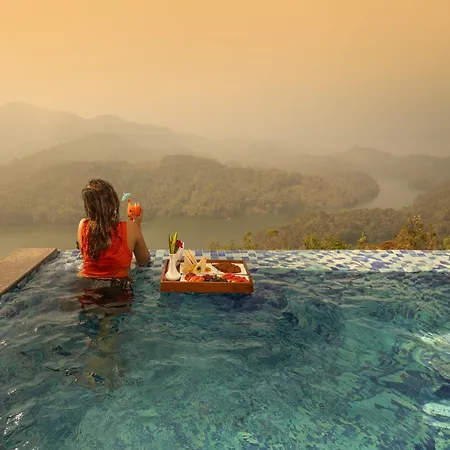
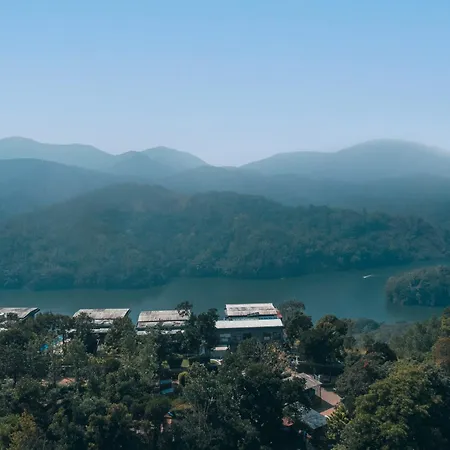
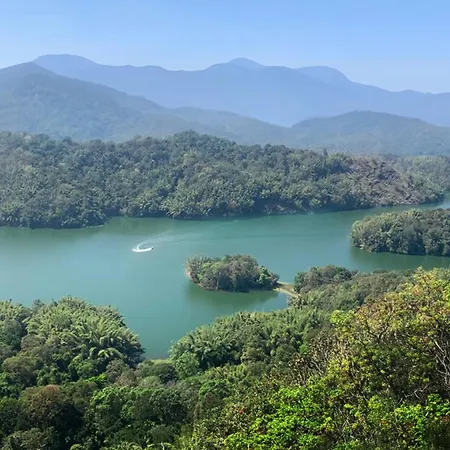
We booked a Valley View Bungalow for two nights in the Windermere Estate, and our experience was mixed. The location is great, nice views over the tea valleys and even an own viewpoint on the premises, the rooms are rather plain, but perfectly clean, with cozy beds, the food is good though I have eaten better at cheaper places in Kerala, the staff is well-trained and most helpful, and complimentary tea and snacks go with the price. Nonetheless the price of 7200 Rs. per night was a bit too high considering that you get high-quality accomodation for less than half the price in Kerala. Also, the athmosphere was a bit impersonal, unlike the Keralan homestays we stayed in before and afterwards, and the hotel attracted mostly tourists of older age groups (50 upwards).
Kerala Diary: Cardamon Hills - Munnar - Cochi
by MichaelFalk1969
7th of January 2009
Baby Mathew is busy organising some sightseeing, which is good as the area near Vagamon is almost not covered in any guide books. In fact, most of the guest come from tiny Denmark because once there was an article in a danish magazine praising the area and since then, there has been a steady flow of guests from Scandinavia. Today, we went to Kurisumula, a mountain area where a Belgian priest established a christian monastery that in some ways incorporated Hindu traditions in their belief, like saffron robes, flower sacrifices etc.
When visiting the place, a schoolclass came along and instantly begged to be photographed. So we coordinated a photograph with about 50 noisy schoolkids - not easy, I tell you. The moment my wife took the photo she was virtually buried under a mountain of schoolkids wanting to have a look at the digital camera. I really couldn't see her anymore until every last one had approved the result.
Also, we went to the Sahyan Hills which the locals regard as a place of religious tolerance and harmony. Three neighbouring hilltops, one with a muslim, one with a hindu, and one with a christian shrine. The view is nice, too, as we discovered when we made the strenuous climb to the christian shrine (along 14 stations of the cross) to Kurisumula Hill. As this place is very popular with Indian visitors, we had lots of family photos taken with us as honour guests. I wonder on how many Indian bookshelves our framed photographs will stand at the end of our journey.
Many Keralans are Christians - the population proportion is roughly 30% for each Hindu, Muslim and Christian faith. According to our hosts, they get along pretty well here. I wonder how they do it, but in this case Kerala could be a role model to the world. It seems to me that at least in South Kerala, the Christian faith is dominant - we have seen lots of churches, only a few small Hindu temples and rarely a mosque.
I also have a glass of Toddy with our driver, the local palm wine, which has a flavour like a Pina Colada gone wrong. I pretend to like it, but not too enthusiastic.
8th of January 2009
Today a plantation walk is planned as our main activity. The abundance and diversity of plants and fruits that grow here is just incredible: they grow 37 species of bananas, a dozen species of mango, papaya, pineapple, jackfruit, coconuts, cocoa, ginger, cardamon, vanilla, pepper, and a plentitude of other spices. As our plantation guide put it, "you just throw a seed and it grows". A coconut tree, for instance, would carry up to 250 fruits a year if treated well. You can likely feed a family with a coconut tree until the good stuff comes out out of their ears again.
The dominant plant in this area though seems to be rubber - on almost every tree you see the little bowls in which the sap is harvested. Kerala is said to have the highest rubber yield per acre in the world, putting even Malaysia and Brazil in second place. Right now, the worldwide recession has reached the rubber plantations, too: no cars sold = tyre demand plummeting = down the prices go. The volatile rubber prices where the reason why Vanilla County was established as a homestay in the first place, to generate a secure second income.
In the afternoon, a visit to a not-so-impressive former palace of the Cochin Raja, and to a Hindu Temple. Almost forgot that you should always go around the temple clockwise, not anticlockwise (until a French fellow traveller reminded me), otherwise I would probably been reborn as a minor lifeform (bacteria?amoeba?) in my next life.
9th of January 2009
This day started with a fun elephant ride, which was fun, though too short. The Indian species is much more comfortable to ride than the African Elephant (we rode one in South Africa 2005 and I couldn't sit painless for a few days afterwards).
I would have been perfectly happy to rest in the hammock for the remainder of the day, but Baby had already some suggestions for afternoon activities. As he had put so much effort in giving us advice, I just couldn't say no and walked the 1 1/2 hour hike in the midday heat up to a hill village with some nice views along the way.
My arrival there reminded me somewhat of the old Clint Eastwood-western movies, when the lone rider enters the dusty frontier town, and a sleepy Mexican takes a short look and then dozes off under his sombrero. Lots of old guys hanging around the verandas having siesta in the heat, wondering what the stupid tourist in the sweat-soaked shirt might seek in their village at this time of the day, a few giggling schoolkids, and some hopeful shopkeepers looking for business. I decided to act as if my visit had a purpose and bought water, chips, and some bananas. The last part turned out to be trickier than I thought. I wanted to buy two or three bananas, so I indicated "2" with my fingers, then changing my mind and indicating "3". I ended up with a bundle of 23 bananas and was to embarassed to correct my mistake. Anyway, it cost me only 25 rupies = practically nothing, and the townsfolk had probably a good laugh on my behalf.
In the evening, Baby took us to a sundown viewing spot, which was the perfect finish for our stay at Vanilla County.
10th of January 2009
This morning we started off to Munnar, a four-hour ride by car through some beautiful landscapes (and some nondescript villages). Our driver, Xavier, was a sensible fellow who rarely risked adventurous overtaking, which we lerned to appreciate in India. A word on driving in India: There is a reason why self-drive car-rental is practically unknown here. Indian drivers have an uncanny seventh sense for discovering small gaps in the incoming traffic where they can just squeeze through. They also don't mind overtaking in s-bends, they are not impressed by a rapidly approaching explosive fuel truck, and they love to honk. Also, size does matter in Indian traffic: bus or truck riders beat taxis beat autorikschaw beat cyclist beat pedestrian, to put it simple. It is a bit scary when two Ambassador cars approach each other at collision course and then one makes way at the last possible moment. I wonder what Indian driving schools teach: possibly 1st lesson: honking 2nd lesson: honking 3rd lesson: advanced honking. 4th lesson: avoiding near-collisions etc. etc.
But Xavier finally brought us safe to Munnar, a hill station famous for its picture-perfect tea plantations and otherworldly landscapes.
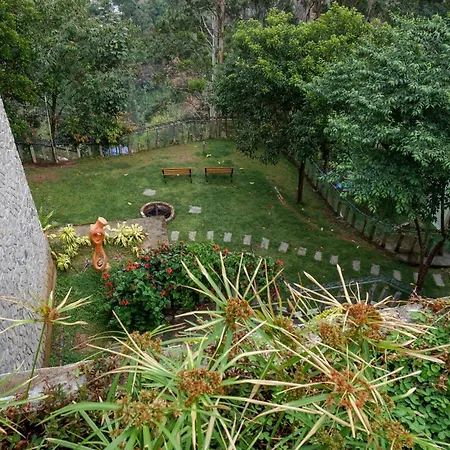
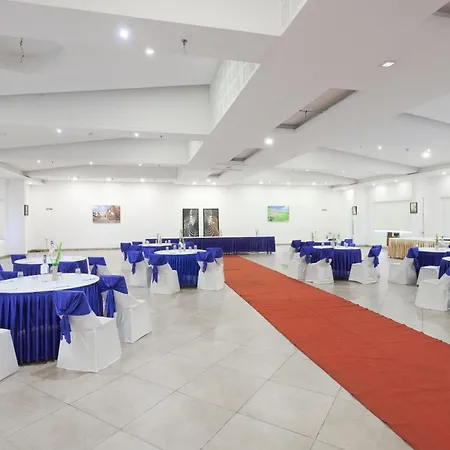
The Windermere Estate, where we stayed, turned out to be the only minor disappointment of our journey. In the reviews, it was advertised as a kind of luxury homestay (or so it started once). Now, it is just a hotel, though a very good one. There is nothing to say against the Windermere itself: our cottage was lovely, with a valley view, the staff was helpful & competent, complimentary snacks & tea included, the food was excellent, they had their own viewpoint on the premises, a library etc. But at the same time, it was full of package tourists who gave the place a feel like a home for the elderly. When one of them seriously asked a guide if it was physically possible to manage a short two hour plantation walk, we knew we were in the wrong place. The place feels somehow detached from the "real" India. Anyway, only two nights here.
11th of January 2009
Today we started of with a taxi tour to Top Station. The drive there is regarded a must-do as one crosses several nice viewpoints, and with fine weather, one is supposed to have a great view into the state of Tamil Nadu.
Our driver Ganesh comes from there, speaks fairly good English and is able
to point out lots of interesting places and facts on the area as we go along.
A few times though, we had funny communication problems. At one time, Ganesh pointed out a meadow and asked us to take a photo. There are lots of meadows where we come from, so we didn't really understand why he wanted us to take a phot. Sensing our lack of understanding, he said something like "flim flim location". Still we didn't comprehend. He then uttered something we understood as "flame shooting". Our guesses: he means either "flame thrower" or "fireworks". Ganesh: "No, no - dancing!!!". We then realized he meant "film location" or "film shooting", as many of the mandatory dance scenes of Bollywood movies were filmed here. You really learn to anticipate a lot when speaking to Indians.
Another habit that is hard to get used to is the so-called "head-wobble". Instead of a "yes", the equivalent Indian response would be to wobble the head somewhat like a chicken from side to side, a movement I could not reproduce even when drunk. This means yes, but at first you are inclined to take it for a "no".
The drive includes stops at the Pothemadu and Devikulam viewpoints and then a Matupetty dam, Echo Point and Kundala lake, before reaching Top Station itself. A word on the landscape of Munnar: tea plants have to be cut regularly, so they always stay at about 1,20 m height. The reason for this has escaped me, but the result is that the whole Munnar region looks as if a landscape gardener has run amok: miles and miles of rolling hills with manicured tea bushes in every shade of green on it. The closest comparison to this place is probably Hobbiton in the first Lord of the Rings movie, just without Hobbits. After Devikulam, the landscape looks very un-indian, it could be in Switzerland or Austria if not for the tea-bushes. Matupetty and Kundala Lake are nothing to speak of in my opinion, but Top Station alone was worth the visit. Fog and cloud banks where driving past the tea fields, a very serene athmosphere only occasionally interrupted by a honking lorry or a handy ringtone.
On the drive back we visited the Tata Tea museum. Tata is the company that has more or less a monopoly on tea cultivation in Munnar. Though the work is hard and the pay is merely 120 Indian Rupies a day, Tata is regarded as a good employer because the company also provides health care, schools for the worker's kids and housing. The Tata Tea museum though is a rip-off so bad it is almost funny: A tour guide with limited knowledge of English tried to explain the mysteries of tea harvesting and processing in a way that even the Indian visitors could not follow. The only piece of information I was able to understand that you have to boil the leaves in hot water before drinking. Well, that was new to me. Apart from that, the museum contains a tea processing machine, a few black & white photos of plantation owners at a tiger hunt, and an odd collection of historic furniture.
Munnar (the region) is very beautiful, but Munnar (the proper town) is nothing special. There is one remarkable sight though: A three meter high paperboard statue of Lenin. This probably due to the fact that the State of Kerala has the only elected communist government in the world (I mean, real elections, not the one with a 99% approvement of the ruling party). As far as the Keralans we met commented, they are communist only in name, rather like in the People's Republic of China, not interfering too much with the commerce. Anyway, the honesty and competence of politicians of ANY political school of thought was not the favourite subject of most Indians, it appears.
12th of January 2009
This day we fled in haste from Windermere to "Rose Gardens Homestay", also in Munnar. Our host Tomy - a gardener - is a quiet, very friendly fellow, always with a smile on his face. His equally friendly wife Rajee is a very gifted cook (she also offers cooking lessons). We instantly felt at home here. As this was our last day in Munnar, we arranged with Tomy for a three-hour hiking trip through a tea plantation. This was one of the best days ever during our India journey: The tea plantation was marvellous, and us three were the only ones present, no sounds but birdsong, and a fairytale landscape. Finally, I dropped myself in an ice-cold natural rock pool below a small waterfall which was a welcome refreshment.
Made a very politically incorrect remark today:
Bettina: "Tomy, how do you discourage elephants from entering the tea plantations?"
Michael: "shoot them ???"
Just a guess, of course. I like elephants a lot.
Tomy also took us on a fascinating tour of his garden. It happens that he also knows Joseph Poopally and Baby Mathew, the owners of the other homestays we stayed in so far. It's a small world.
Interesting discussion in the evening with a scots-brit expat couple working in the Arab Emirates. He worked for some time at the Moevenpick in Frankfurt, just 500 metres from my workingplace. They missed New Years Eve this year because the Emirate Sheik cancelled for reasons only known to his highness.
13th of January 2009
Return drive to Cochi, again with Ganesh, the most sensible driver in all of India, it seems to us. We are staying at the Old Courtyard Hotel again, and this time we got an even better room, full of colonial teak furniture. The reviews I read on the Old Courtyard were mixed at best, but any criticism is totally undeserved. The staff was very helpful, and the rooms gorgeous. Also, it is very central with only a 5-minutes walk to the Chinese fishing nets, Cochis main attraction.
Visited the Mattancherry Palace from the Dutch Rule in Kerala and also the beautiful synagogue. Mattancherry is stuffed with tourist shops, but it is not really hard selling. Compared with Morocco, the hassle factor is zero. And they have some really nice stuff too, like teapot warmer in the shape of an elephant. Saved some 500 rupies while bargaining, which was exactly the amount that our lunch cost us together at the splendid colonial-style Caza Maria restaurant (thats roughly 7,50 Euro for two main dishes, four soft drinks and a dessert). And though I regularly eat seafood I'm still as healthy as a horse. No Dehli Belly yet for me.
My wife and I had a Kingfisher beer in the evening as this was the last day of our shared journey in India. After 2 1/2 weeks, her vacation ends, and I will remain in South India to the end of February. The last two weeks were just great. Kerala is a wonderful place to travel in.
14th of January 2009
Up since 4 a.m. in order to bring my wife to the Cochi airport. We had to wake a member of the staff though by making loud noise, as we had to check out urgently. The departure was a bit anticlimactic though because even as a husband I could not enter the departure area as I had no ticket. Security measures have obviously been stepped up since the Mumbai attacks - understandable. So her departure was a bit in a rush - no Casablanca scene for me on the runway. So for now, the only way of communication is E-Mail or maybe Skype if I learn how to use it.
Returned then to the Beena Homestay for one night (excellent impression - simple rooms but extremely friendly athmosphere), before leaving for Coorg tomorrow morning. An English backpacker told me she is off to see Ama, a female guru (?) sadhu (?) - not sure about the politically correct terminology - who distributes her positive energy and healing powers by hugging her followers. I'd rather have a hug from my wife though.
Today is my lazy day as I have seen most of Cochi. I will use the day mainly for updating my travel diary and, well, doing nothing. It might be that I don't have Internet access for the next few days. That does not mean I've been eaten by a tiger.