




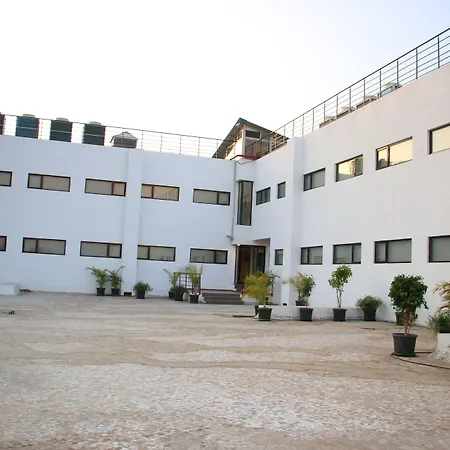
| Name of hotel | Accommodation Rating | Price, $ | |
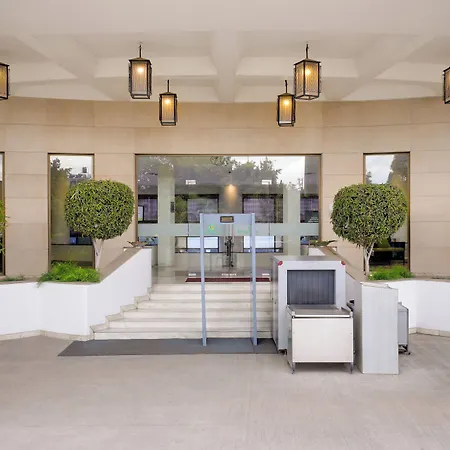
| Ginger Aurangabad |
7.0 / 10 (313 Reviews) |
From 56US$ | |
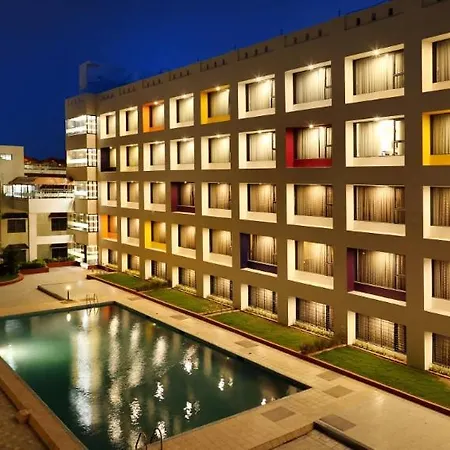
| 7 Apple Hotel Aurangabad |
6.6 / 10 (154 Reviews) |
From 82US$ | |
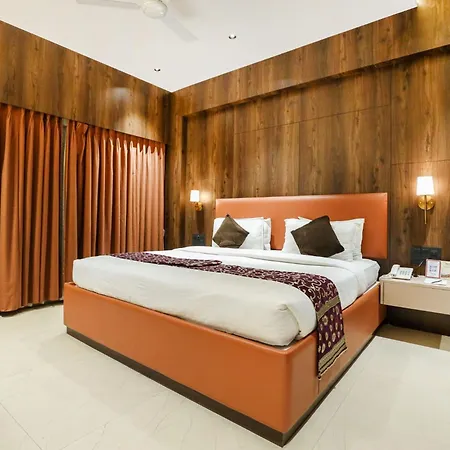
| Hotel Gomatgiri |
6.3 / 10 (54 Reviews) |
From 29US$ | |
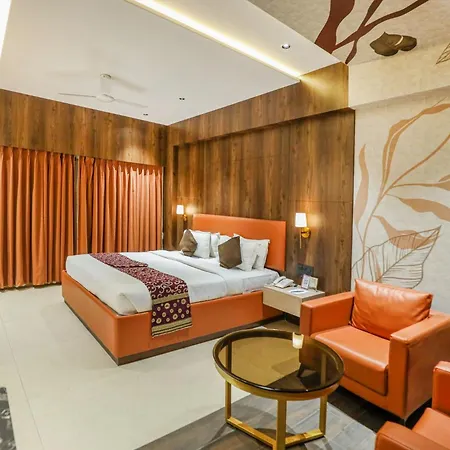
| Treebo Trend Royal Kourt Aurangabad |
7.1 / 10 (134 Reviews) |
From 37US$ | |
| Hotel Bagga International |
7.0 / 10 (118 Reviews) |
From 47US$ |
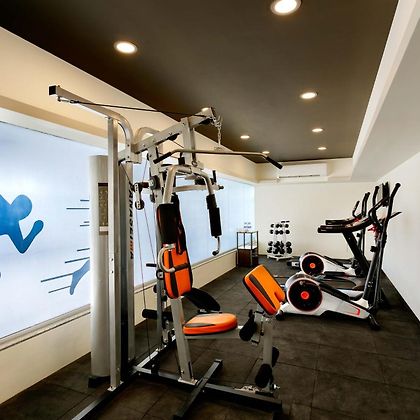
Ginger Aurangabad
From
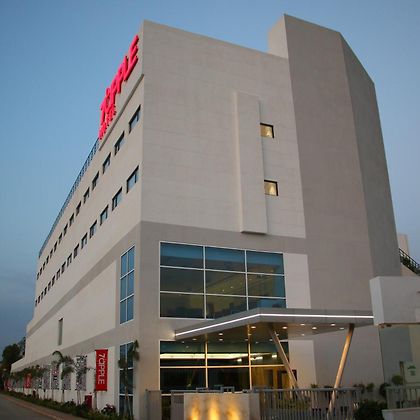
7 Apple Hotel Aurangabad
From
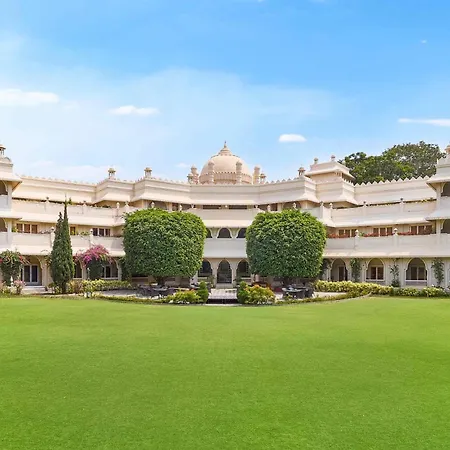
Luxury Hotels in Aurangabad
When it comes to experiencing the finer things in life during your stay in Aurangabad, luxury hotels in Aurangabad provide an exquisite retreat after a day of exploration. These establishments are not just places to stay; they offer a blend of opulence, comfort, and personalized service that sets the stage for a memorable experience. From high-end amenities to stunning architecture, the luxury hotels in Aurangabad promise an indulgent stay surrounded by the city's rich cultural heritage. Whether you are looking for a relaxing spa, swimming pool, or top-notch dining options, these hotels have it all. Additionally, their prime locations make it easy to access local attractions, enhancing your travel experience. Let's explore some of the best luxury hotels in Aurangabad.
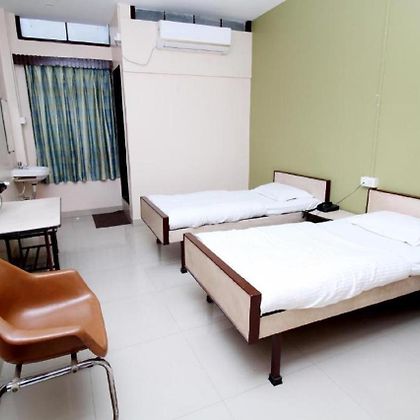
Hotel Gomatgiri
From
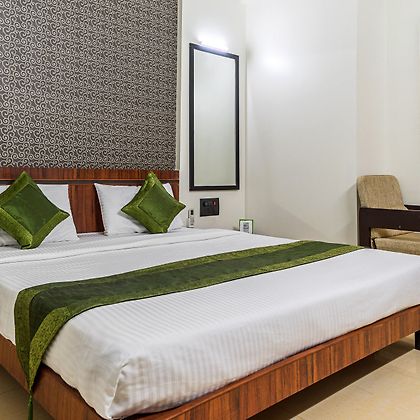
Treebo Trend Royal Kourt Aurangabad
From
Budget Hotels in Aurangabad
For travelers seeking comfortable accommodations without breaking the bank, budget hotels in Aurangabad offer excellent options that don’t compromise on quality. These hotels provide all the essential amenities sought after by visitors, ensuring a pleasant stay at affordable rates. With strategic locations often near key attractions and public transport, budget hotels are ideal for those who wish to explore the city with ease. Many of these establishments also pride themselves on their customer service and cleanliness, creating a welcoming environment for all types of travelers. Let's delve into some highly recommended budget hotels in Aurangabad that cater to cost-conscious wanderers.
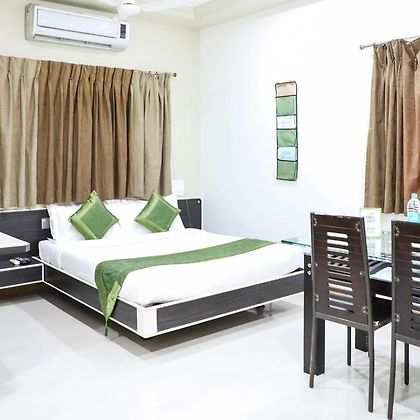
Hotel Bagga International
From
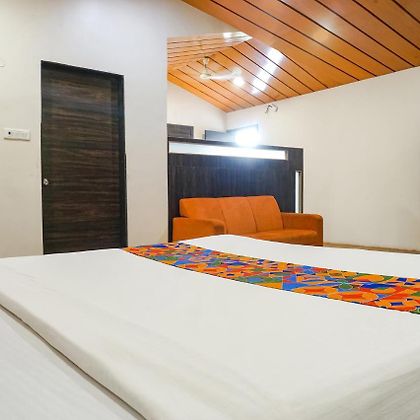
Fabhotel Lotus Resort
From
Family-Friendly Hotels in Aurangabad
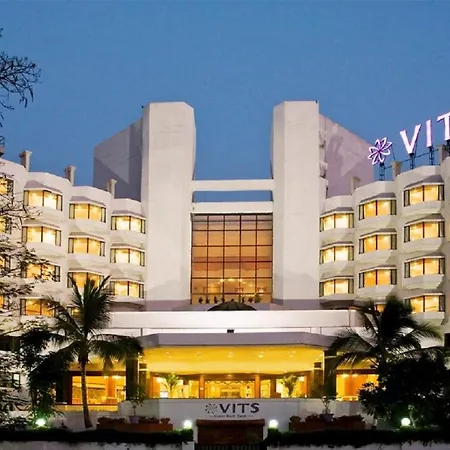
Traveling with family often necessitates accommodation that caters to various needs, and family-friendly hotels in Aurangabad excel in providing a welcoming environment for all ages. These hotels offer spacious rooms, recreational activities, and services that make traveling with children easier and more enjoyable. Many of these establishments also focus on creating a fun atmosphere, offering amenities such as swimming pools and kids' clubs, ensuring the entire family has a memorable stay. Their strategic locations often allow easy access to family-friendly attractions, enhancing the travel experience. Here are some great recommendations for family-oriented hotels in Aurangabad.
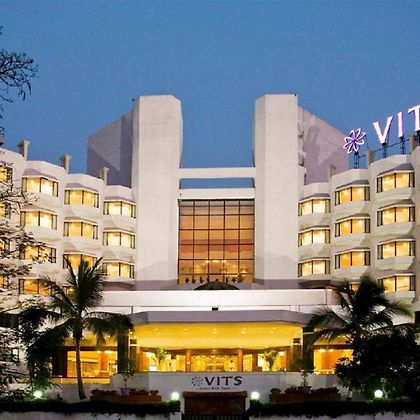
Vits Aurangabad
From
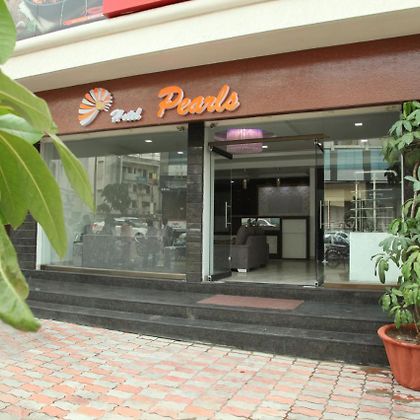
Hotel Pearls
From
Boutique Hotels in Aurangabad
For those looking to experience a more personalized and distinctive stay, boutique hotels in Aurangabad provide a unique charm and style. These hotels often reflect the local culture through their decor, ambiance, and services, creating an intimate atmosphere for guests. Often smaller in size, boutique hotels prioritize individual attention and tailored experiences that large establishments may overlook. From local artistry to themed interiors, the boutique hotels in Aurangabad embrace a blend of comfort and uniqueness. Let's explore some of the handpicked boutique hotels that capture the essence of this vibrant city.
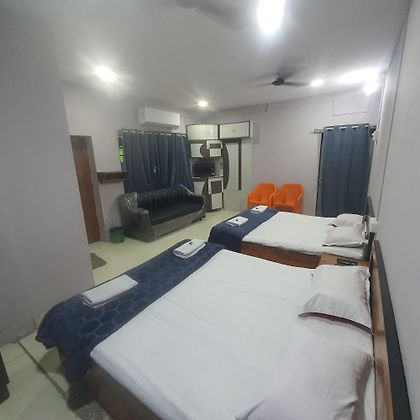
Hotel Family Stay
From
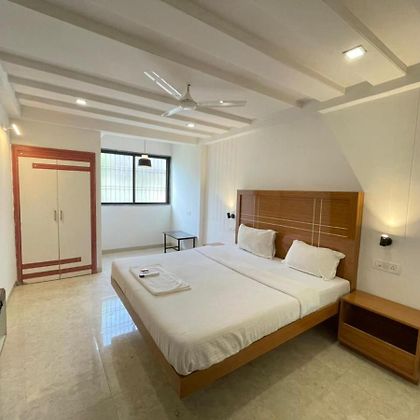
Hotel Holiday Pride
From