

Adults:
Children:
Overview
- free wifi
- free parking
- family rooms
- airport shuttle
- 4 restaurants
- room service
- non-smoking rooms
- 24-hour front desk
- bar
- good breakfast
Intro
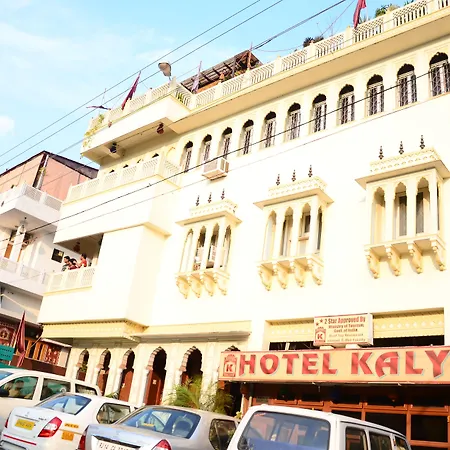
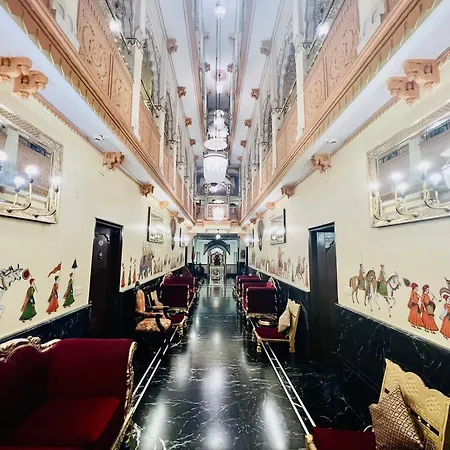
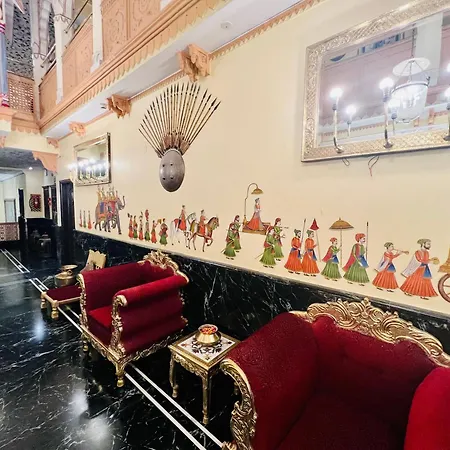
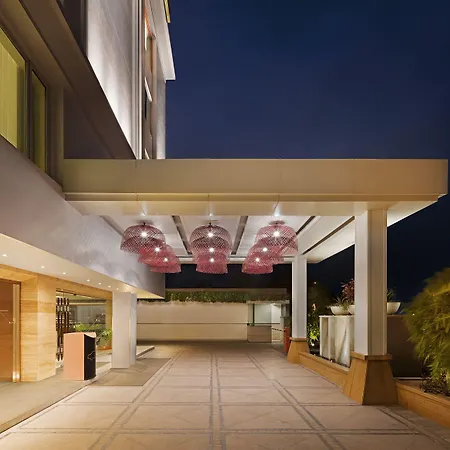
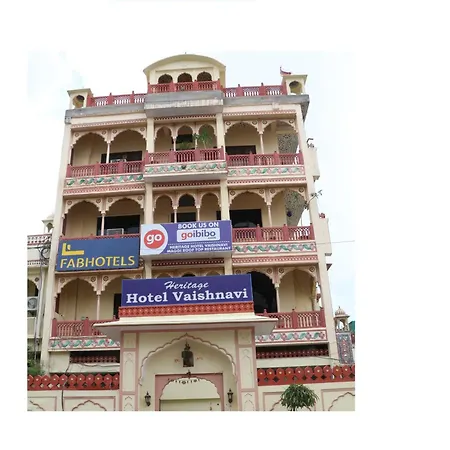
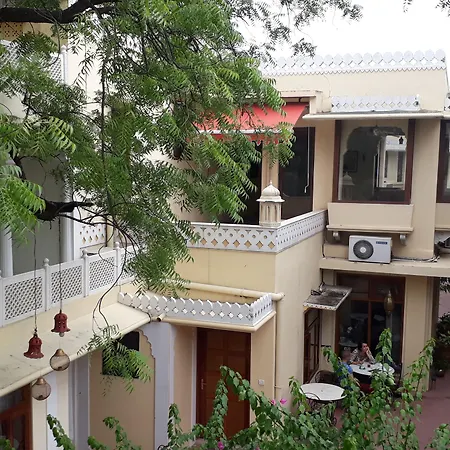
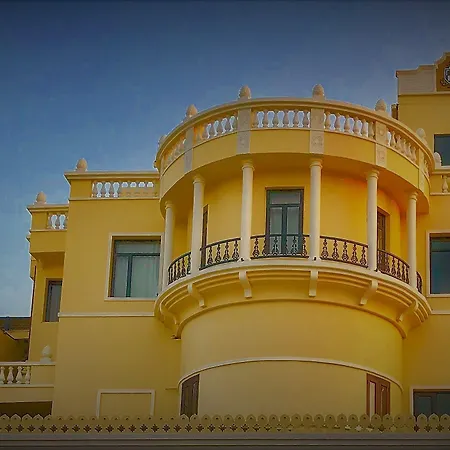
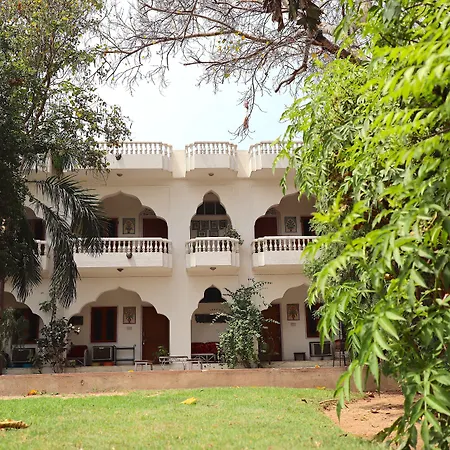
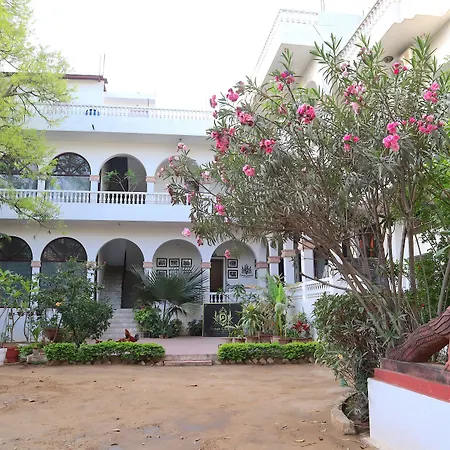
Situated approximately 25 minutes by foot from Ram Niwas Bagh, Hotel Kalyan Jaipur features Wi-Fi in public areas, and a car park on site. Ideally located in the Ajmer Road district of Jaipur, this 3-star hotel features 40 rooms, 1.4 miles from such family-friendly attractions as the 35-acre 19th-century Jaipur Zoo.
Rooms
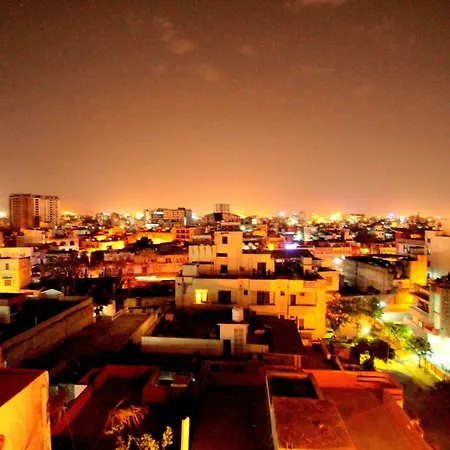
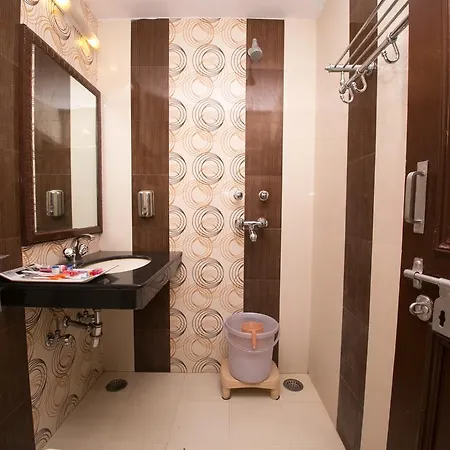
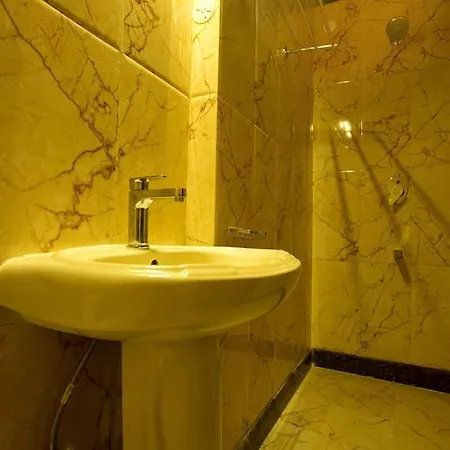
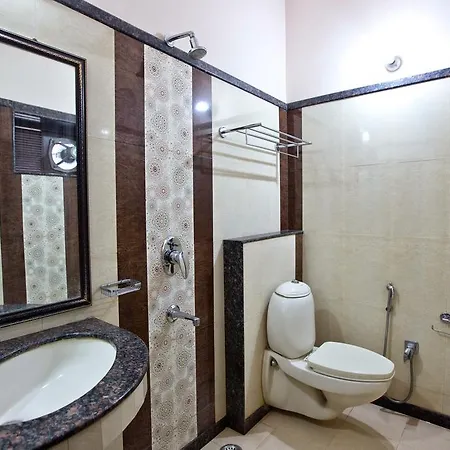
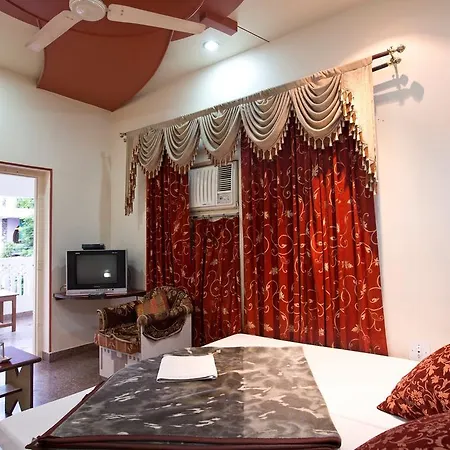
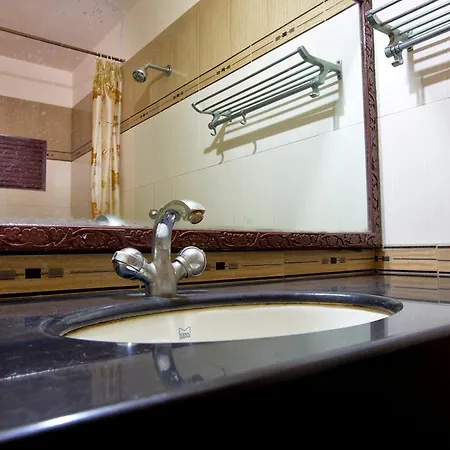
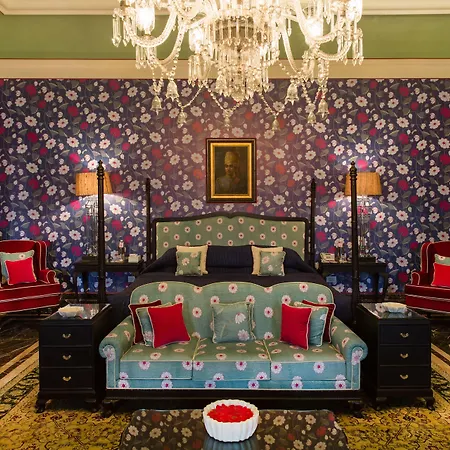
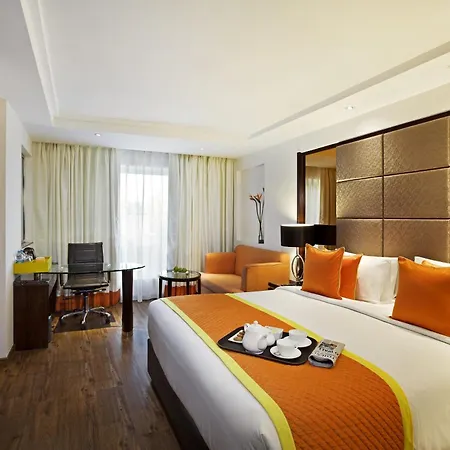
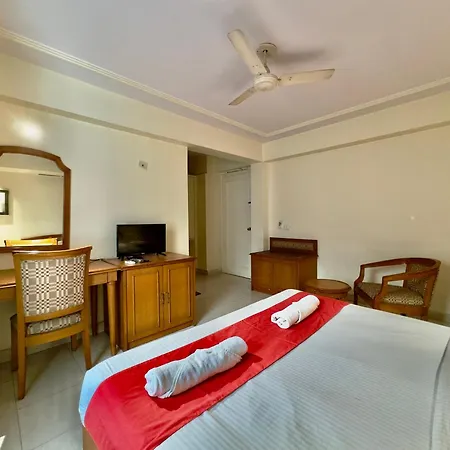
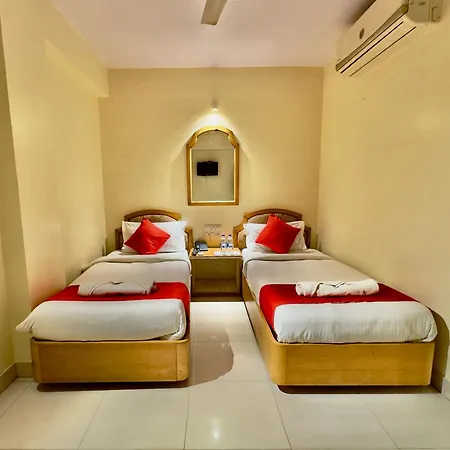
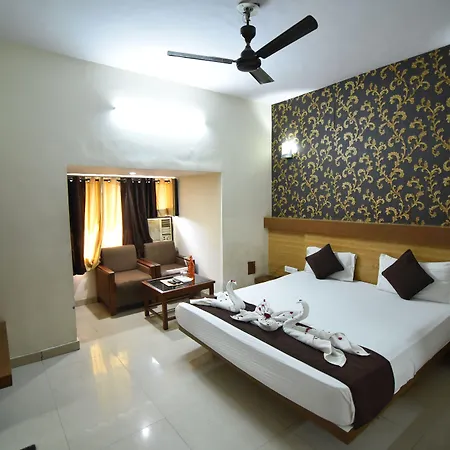
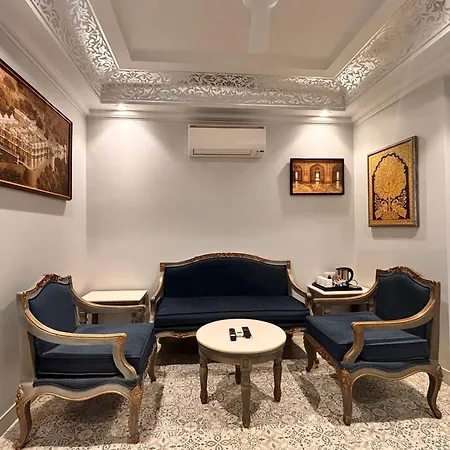
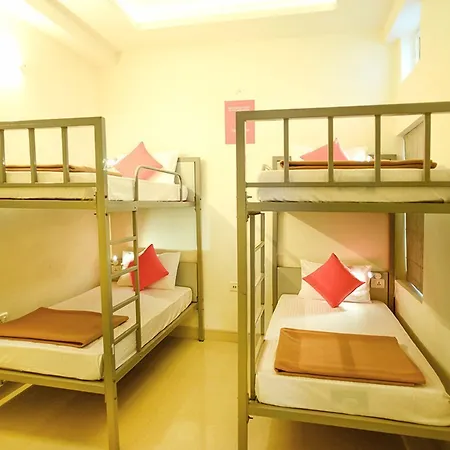
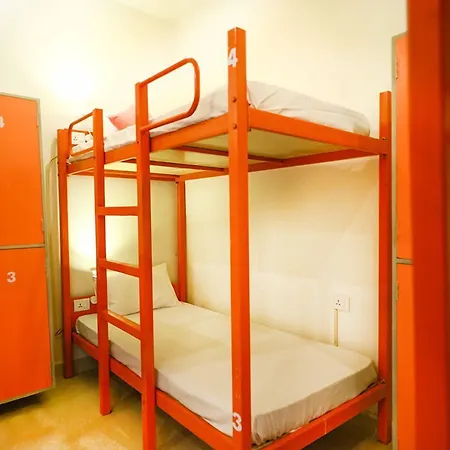
The fan-cooled rooms at the Jaipur hotel are fitted with complimentary wireless internet and cable channels, some of them feature a marble floor. A trouser press and an iron with ironing board are featured for guests' comfort. Bathrooms come with a bidet, a separate toilet, and a shower, along with bath sheets and slippers. Enjoy views of the town, while staying at the Jaipur property.
Relax
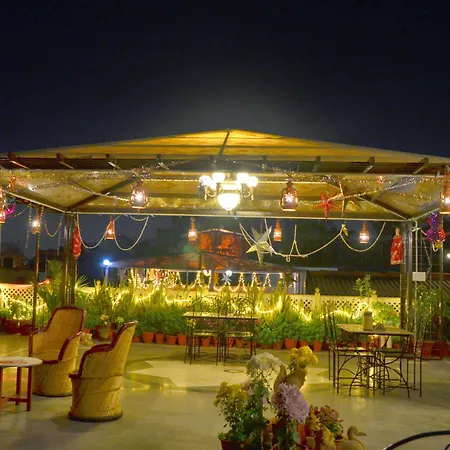
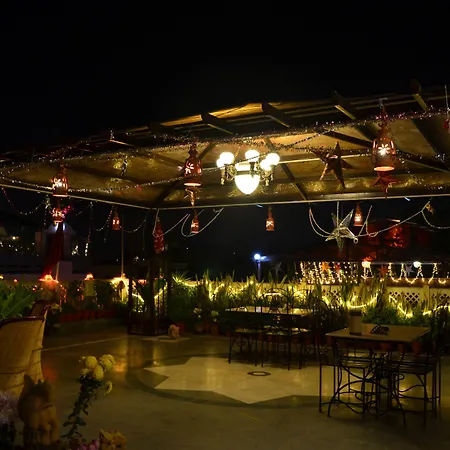
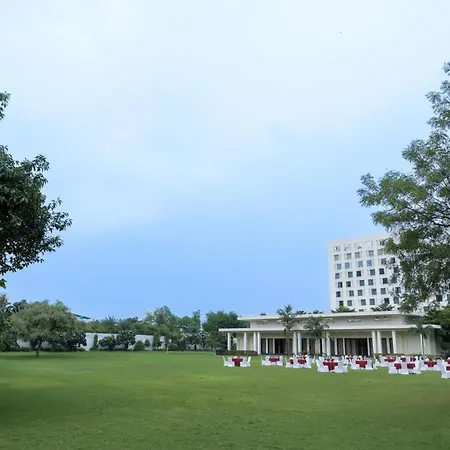
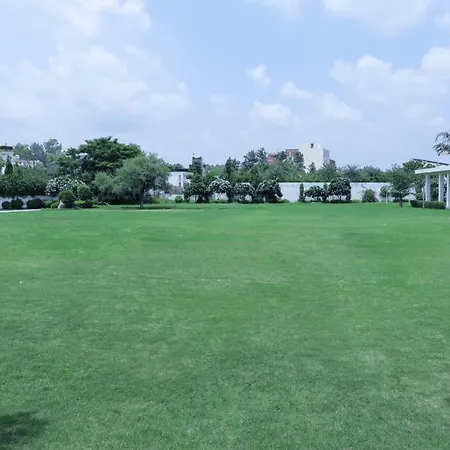
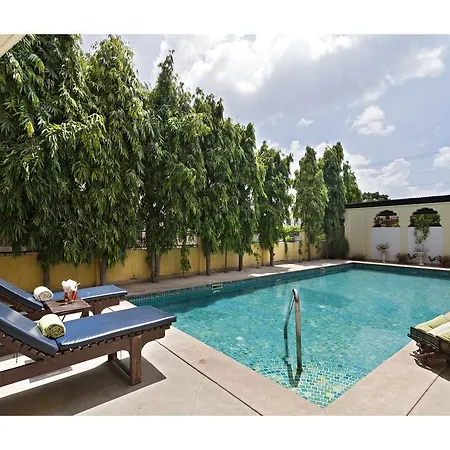
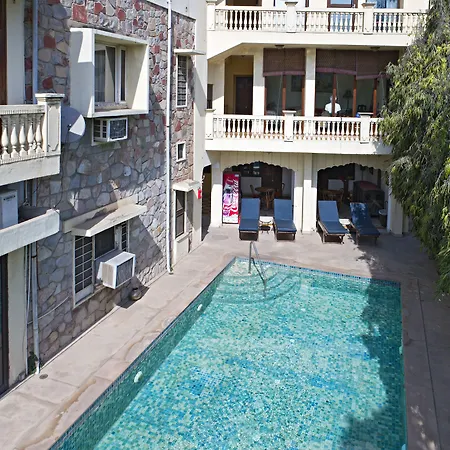
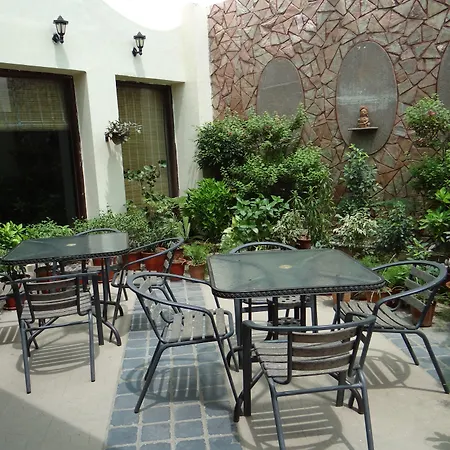
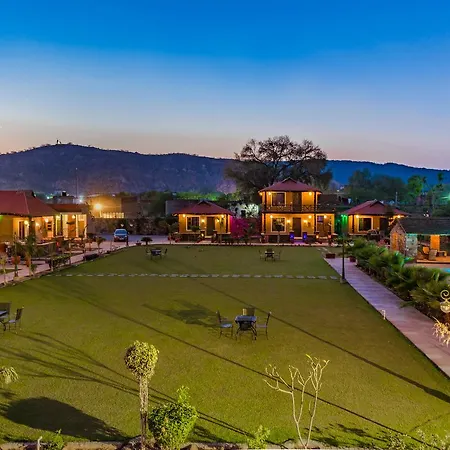
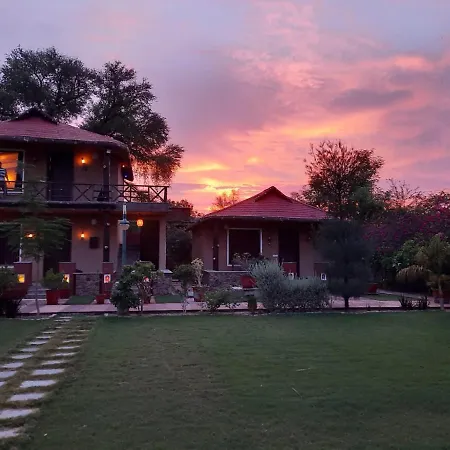
This Jaipur hotel provides a play area and a garden terrace for an additional fee. Also, at the Jaipur property, guests can take advantage of a golf course provided onsite. Business travelers will benefit from a work desk and a fax machine available at a 24-hour business center on site.
Location
Situated in a tourist area of Jaipur, the hotel is within convenient reach of Samanvai Art Gallery. Attractions, located a mere 9 minutes by foot from the Kalyan Jaipur, include RTDC Transport Unit.
Eat
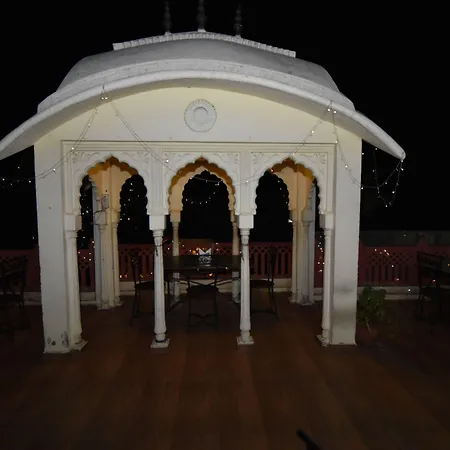
Guests can dine at 4 on-site restaurants, which include Kalyan Indoor, serving dinner, and Kalyan BarRooftop Indoor with its lunch. The restaurant serves local cuisine for lunch and dinner. Guests can relax in the on-site snack bar. It also features a lounge for guests' comfort.
Rooms
Other Great Stays in JAIPUR
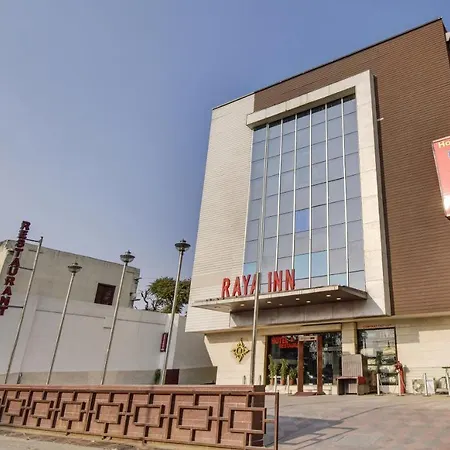
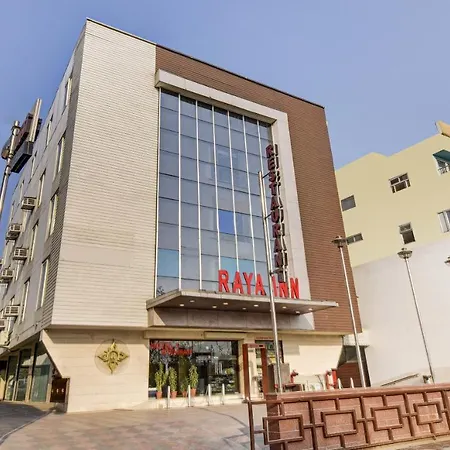
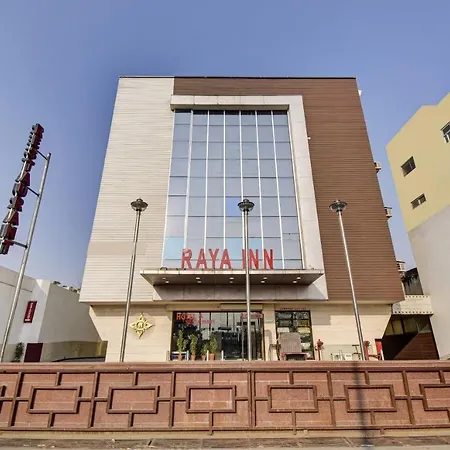
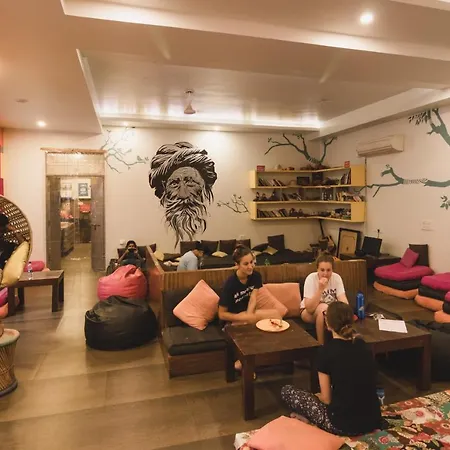
Facitilies
Facilities
- Flat-screen TV
- HBO available
- Direct dial telephone
- Mobile phone charger
- AM/FM alarm clock
Rooms
- Air conditioning
- Heating
- Sitting area
- Dressing area
- Terrace
- Garden furniture
- Turndown service
- Mirror
- Dining table
- Ironing facilities
Dining facilities
- In-room breakfast
- Restaurant
- Snack bar
- Bar/ Lounge area
- Picnic area/ Tables
- Dinner
- Packed lunches
- Special diet menus
- Dryer
Services
- Paid airport shuttle
- Valet parking
- Room service
- Housekeeping
- Car hire
- Laundry
- Dry cleaning
- Tours/Ticket assistance
- Welcome drink
- Happy hour
Relax
- Live entertainment
- Sun terrace
- Garden area
- Leisure/ TV room
- Golf course
Activities for Kids
- Board games
- Children's menu
- Children's play area
Reviews
Tourist VR
Categories
-
Cleanliness 8
-
Comfort 7.9
-
Facilities 7.9
-
Free WiFi 6.7
-
Location 8.4
-
Total 7.8
-
Value for money 7.9
Tony
Luc
Sophie
Eva
Gladys
Michel
Valentina
Location
- 1. Albert Hall Museum 2.41 km (1.50 mi.)
- 2. City Palace of Jaipur 2.94 km (1.83 mi.)
- 3. Diwan-e-Am 760 m (2493 ft)
- 4. Ajmeri Gate 2.12 km (1.32 mi.)
- 5. Elephantwala 760 m (2493 ft)
- 6. Raj Mandir Cinema 2.33 km (1.45 mi.)
- 7. Teatro Dhora 160 m (525 ft)
- 8. RRAP Music Museum & Hub 930 m (3051 ft)
- 1. McDonald's 760 m (2493 ft)
- 2. Pandit Pav Bhaji 760 m (2493 ft)
- 3. Railway Refreshment Room 760 m (2493 ft)
- 4. Pandit Kulfi 760 m (2493 ft)
- 5. Rice Bowl 740 m (2428 ft)
- 6. Swamy Cafe 760 m (2493 ft)
- 7. DND Bar & Lounge 760 m (2493 ft)
- 8. Pure Vegetarian Green Restaurant 650 m (2133 ft)
- 1. Railway 750 m (2461 ft)
- 2. Sindhi Camp 1.34 km (4396 ft)
- 3. Chandpole 2.10 km (1.30 mi.)
- 4. Civil Lines 2.56 km (1.59 mi.)
- 5. Khasa kothi 710 m (2329 ft)
- 6. Amrapur Darbar 780 m (2559 ft)
- 7. Ganpati plaza 780 m (2559 ft)
- 8. ajmeri pulia 790 m (2592 ft)
- 9. Goldline Super Deluxe 1.36 km (4462 ft)
- 10. Jaipur Main 1.37 km (4495 ft)
- 11. 22 Godam Public 2.37 km (1.47 mi.)


Address
View mapHathroi Fort, Ajmer Road
Key Features
Check-In:
from 12:00 until 23:59
Check-Out:
until 12:00
Contact Information
Contact phone
1412368355
Website
Visit hotel website
hotelkalyan@yahoo.co.in