


Adults:
Children:
Overview
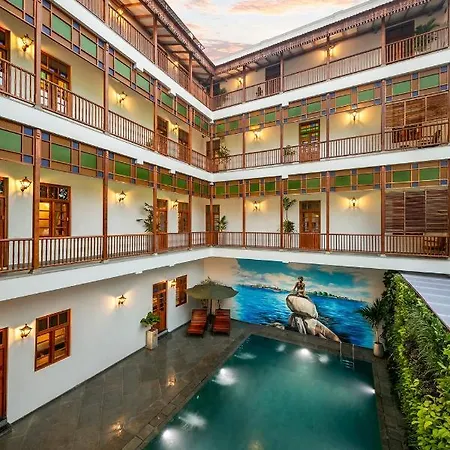
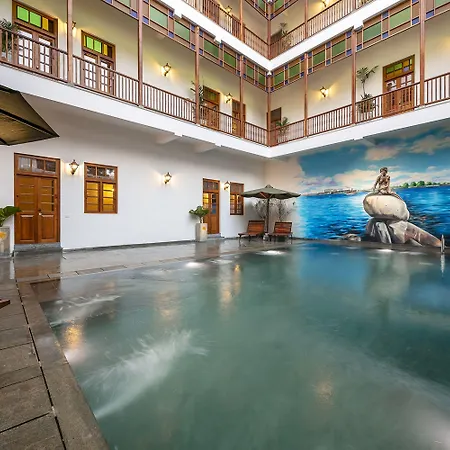
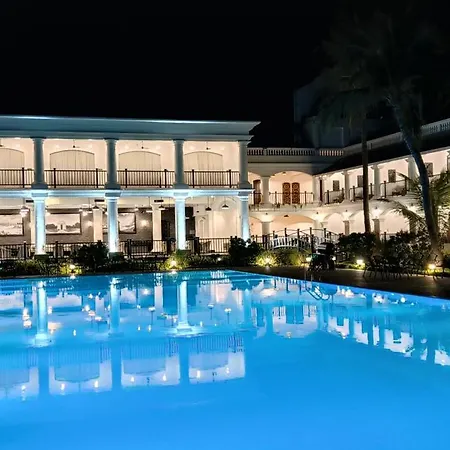
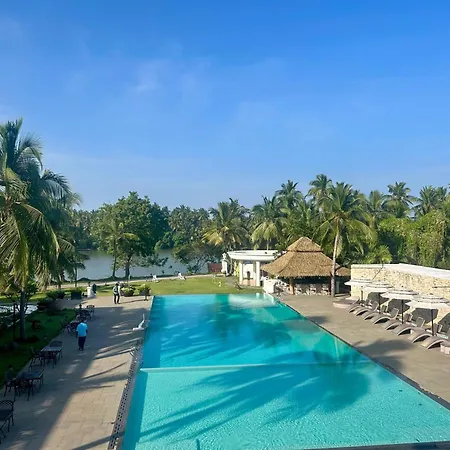
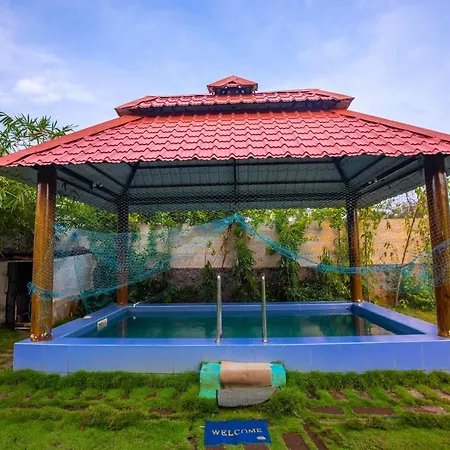
- outdoor swimming pool
- free wifi
- 2 restaurants
- spa and wellness centre
- airport shuttle
- room service
- non-smoking rooms
- facilities for disabled guests
- tea/coffee maker in all rooms
- very good breakfast
Intro
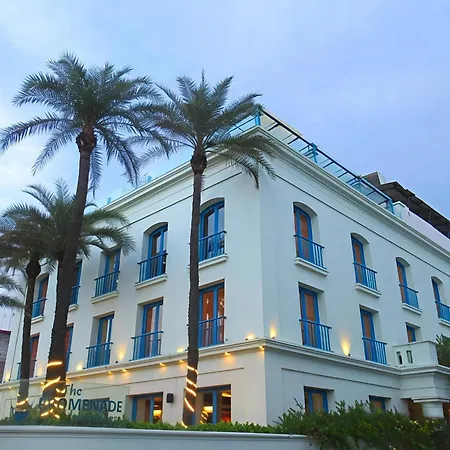
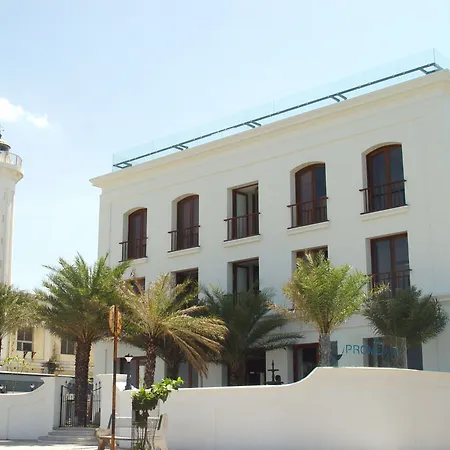
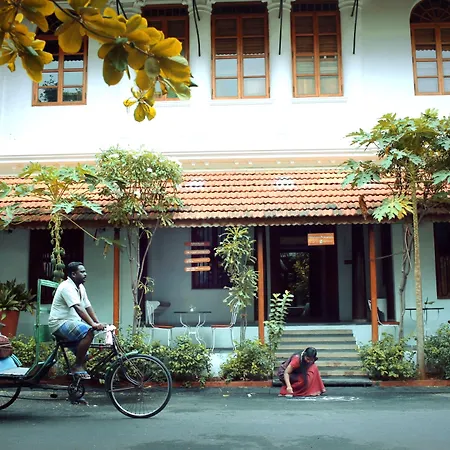
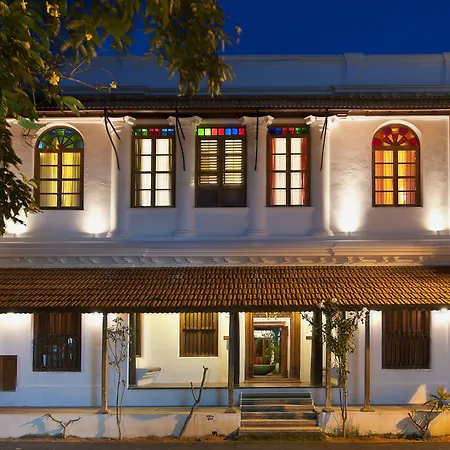
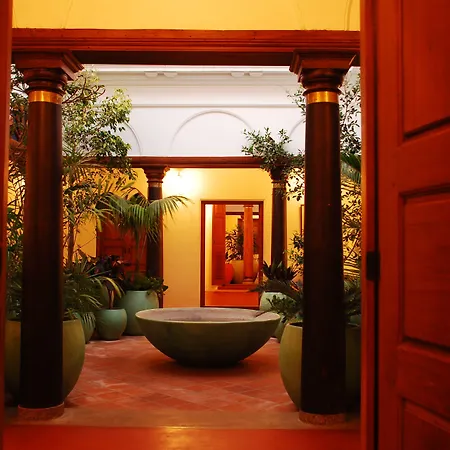
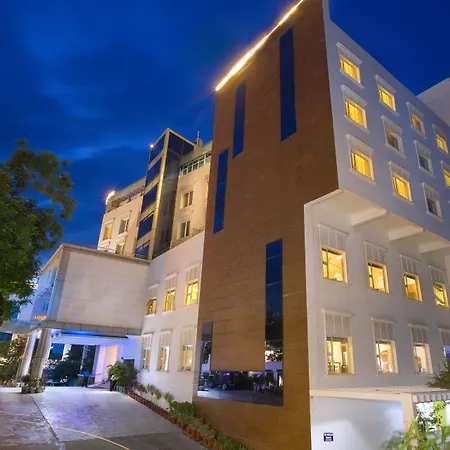
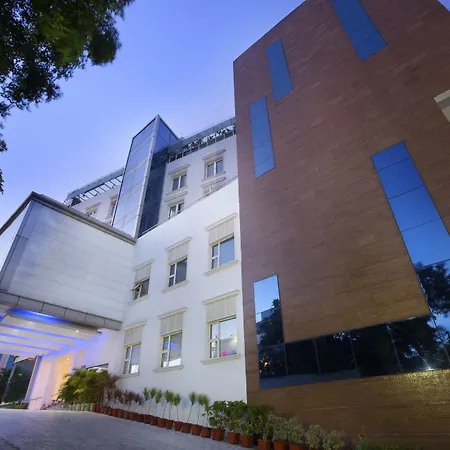
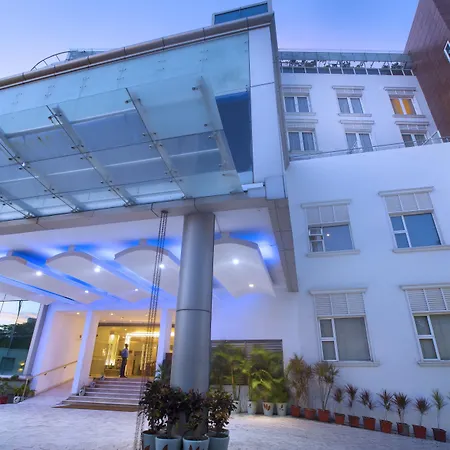
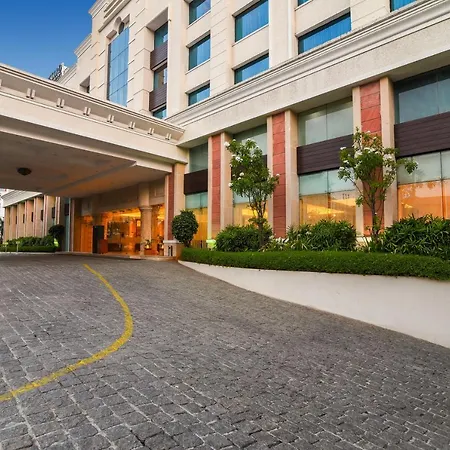
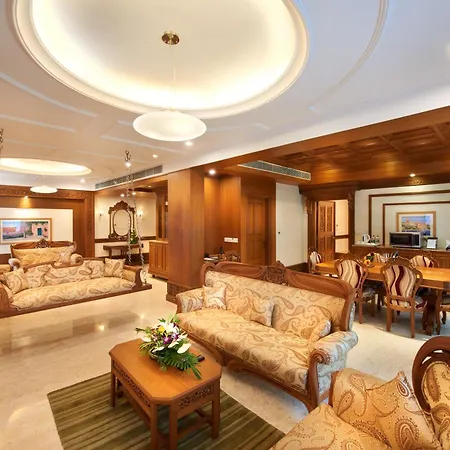
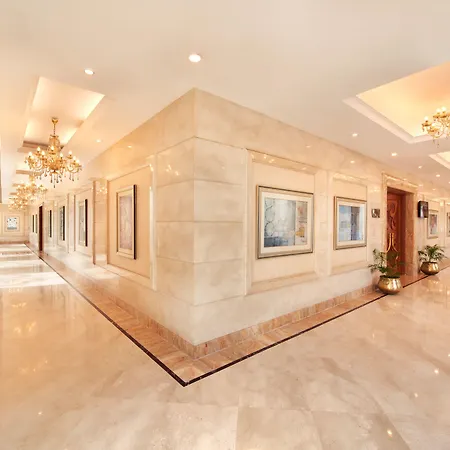
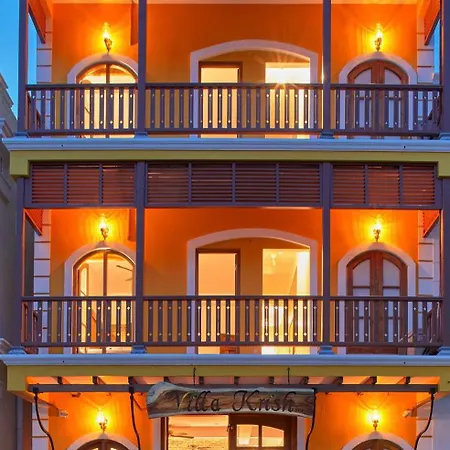
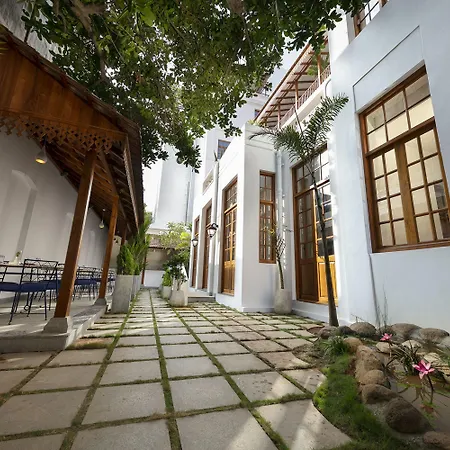
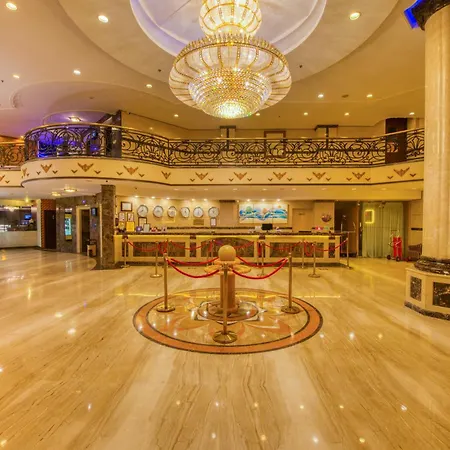
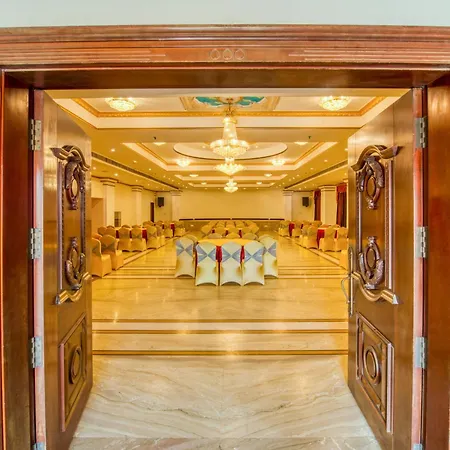
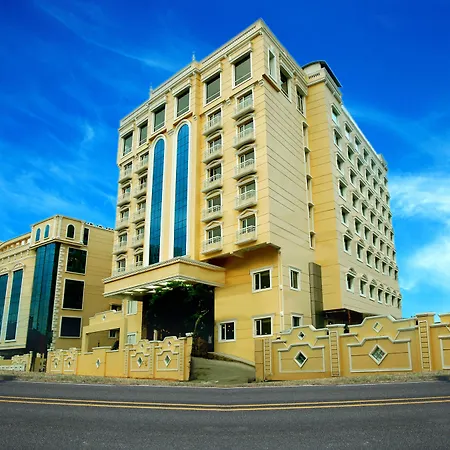
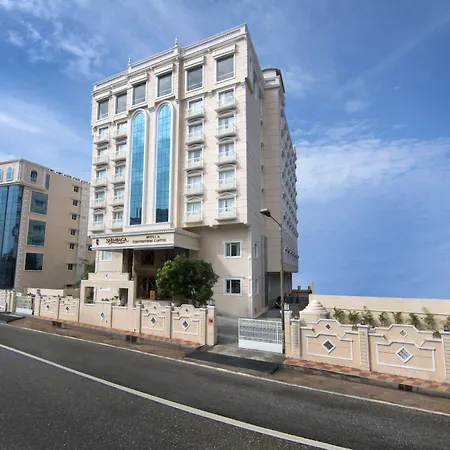
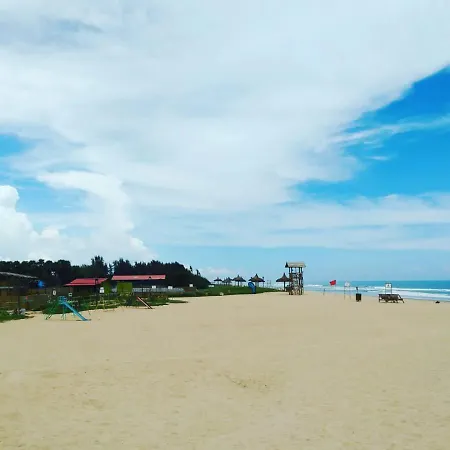
The opulent The Promenade Hotel Pondicherry, located only 5 minutes' walk from Rock Beach and a mere 550 feet from Old Light House Lighthouse, features a swimming pool for guests to take a dip in. Featuring 69 rooms with views of the urban, the 4-star boutique-style hotel is 2.8 miles from Bleu & Blanc Cottages.
Rooms
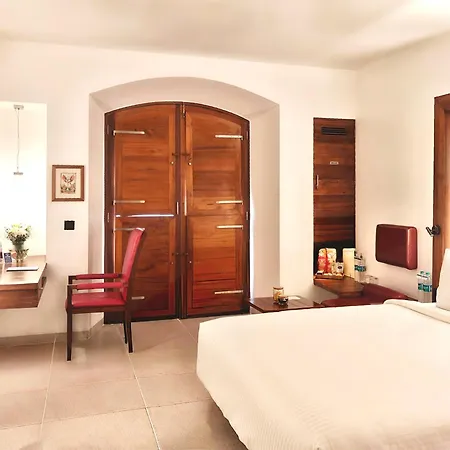
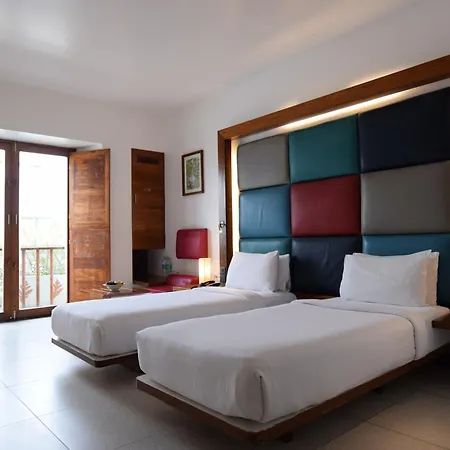
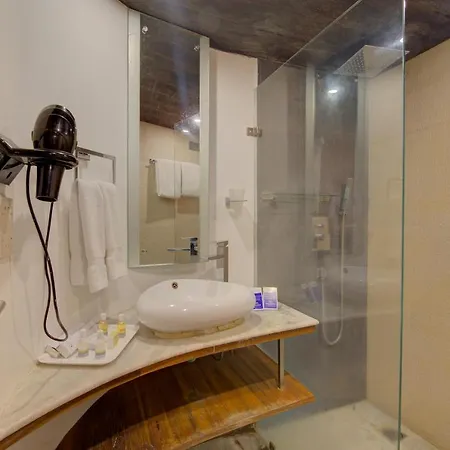
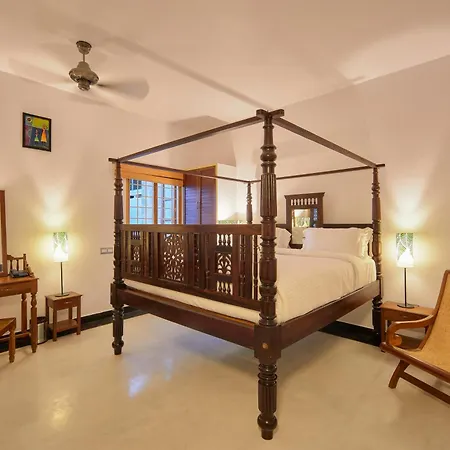
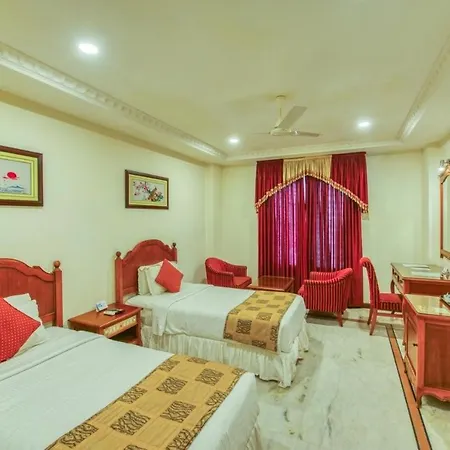
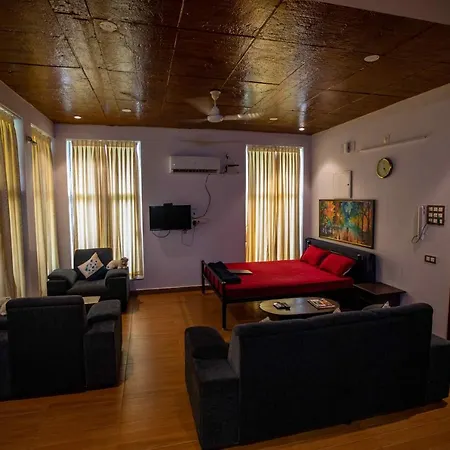
The rooms feature air conditioning, along with a flat-screen TV with satellite channels for guests' utmost comfort. Guests can take advantage of a separate toilet and a shower, along with hair dryers and dressing gowns supplied in the bathrooms.
Relax
Spa therapy, a picnic area, and barbecue grills are also featured at the hotel.
Location
The luxurious hotel lies in the Pondicherry Beach district with easy access to the bronze striding Mahatma Gandhi Statue, which is about 10 minutes' walk away. Bharati Government Park is within walking distance of the Promenade, while Share Auto bus stop is 0.6 miles away.
Eat
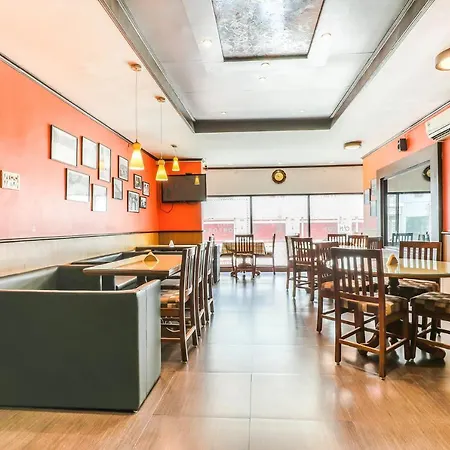
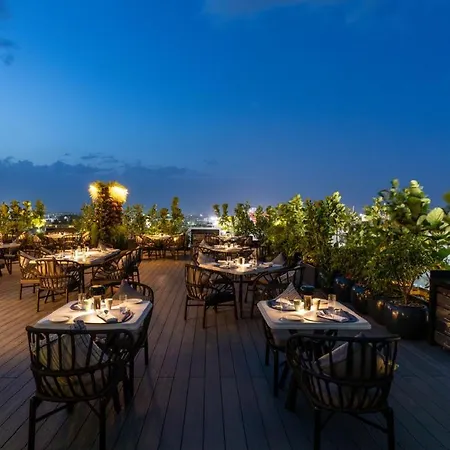
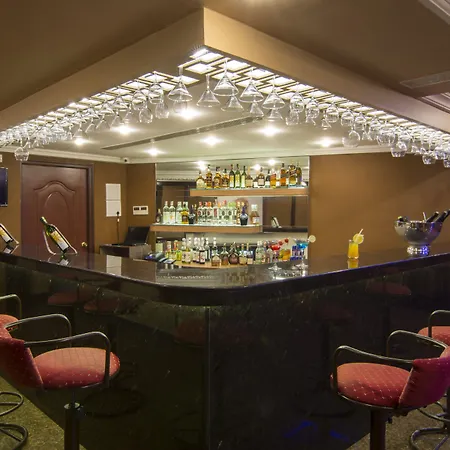
The Promenade Pondicherry features 2 restaurants onsite. Guests are invited to the onsite lounge bar to unwind with a drink. Lighthouse is also 500 feet away.
Rooms
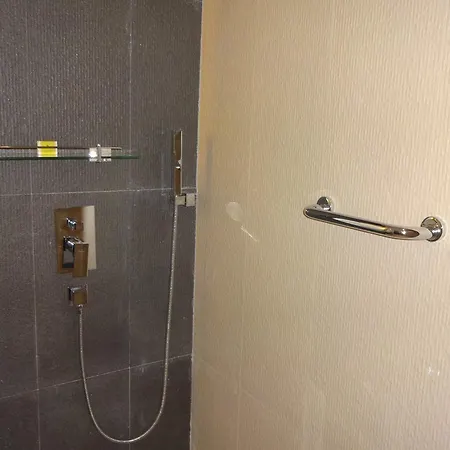
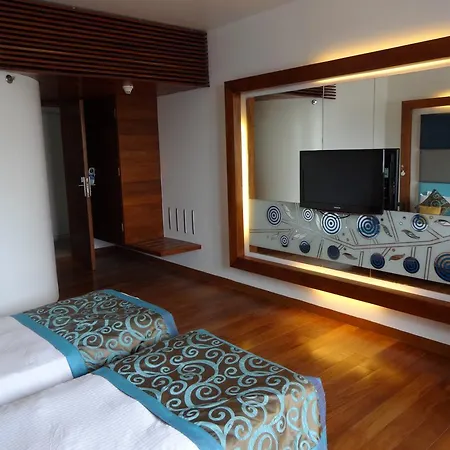
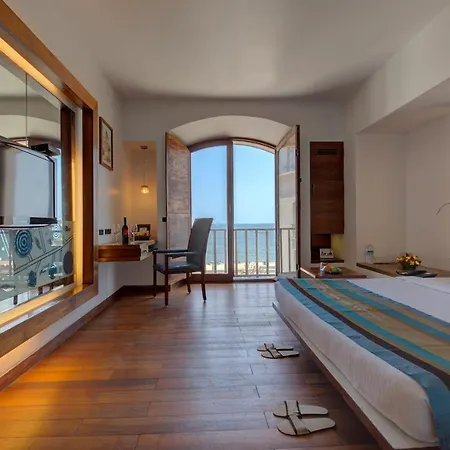
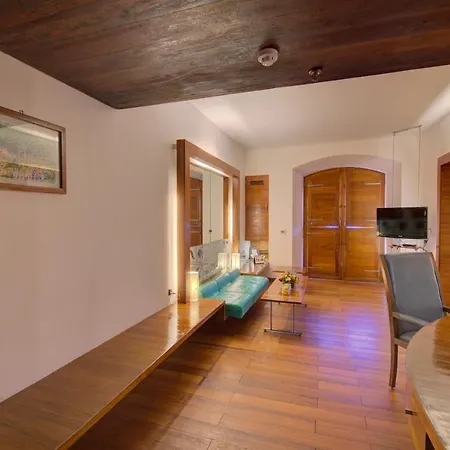
Other Great Stays in PONDICHERRY



Facitilies
Facilities
- Flat-screen TV
Rooms
- Air conditioning
- Mini-bar
- Garden furniture
- Tea and coffee facilities
- Ironing facilities
Dining facilities
- Restaurant
- Snack bar
- Bar/ Lounge area
- Packed lunches
- Special diet menus
- Electric kettle
Services
- Paid airport shuttle
- Valet parking
- Room service
- Housekeeping
- Car hire
- Laundry
- Dry cleaning
- Tours/Ticket assistance
- Welcome drink
Relax
- Karaoke
- Night club
- Spa & wellness centre
- Steam room
- Back massage
- Head massage
- Full body massage
- Foot massage
Activities for Kids
- Babysitting/Child services
- Children's menu
Reviews
Tourist VR
Categories
-
Cleanliness 7.6
-
Comfort 7.7
-
Facilities 7.3
-
Free WiFi 7.9
-
Location 9.3
-
Total 7.3
-
Value for money 6.6
Sydney
Jacob
Nancy
Location
- 1. Sri Aurobindo Ashram pondichery 680 m (2231 ft)
- 2. Seaside Promenade 20 m (66 ft)
- 3. Mahatma Gandhi Statue 40 m (131 ft)
- 4. Botanical Garden 1.89 km (1.17 mi.)
- 5. Kargil War Memorial 30 m (98 ft)
- 6. French War Memorial 50 m (164 ft)
- 7. Puducherry Museum 330 m (1083 ft)
- 1. The Indian Kaffe Express 300 m (984 ft)
- 2. Cafe Ole 80 m (262 ft)
- 3. Cafe des Arts 490 m (1608 ft)
- 4. Le Cafe . Beach. Not Just Coffee 80 m (262 ft)
- 5. Coromandel Cafe 280 m (919 ft)
- 6. 1 Rue Suffren 260 m (853 ft)
- 7. Qualithe Hotel 230 m (755 ft)
- 1. Share Auto 530 m (1739 ft)
- 2. Bharathi Dasan Women's College 1.74 km (1.08 mi.)
- 3. Old Stand 1.75 km (1.09 mi.)
- 4. SETC depot 2.14 km (1.33 mi.)
- 5. TNSTC depot 2.20 km (1.37 mi.)
Address
View map23 Goubert Ave
Key Features
Check-In:
from 14:00 until 23:59
Check-Out:
until 11:00
Contact Information
Contact phone
4132227750
Website
Visit hotel website
PROMENADE@SAROVARHOTELS.COM