

Adults:
Children:
Overview
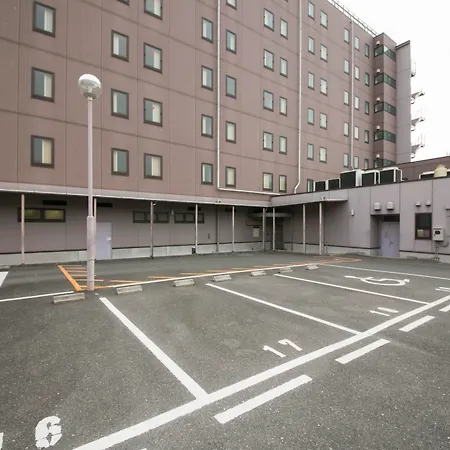
- private parking
- non-smoking rooms
- free wifi
- facilities for disabled guests
- restaurant
- good breakfast
Intro
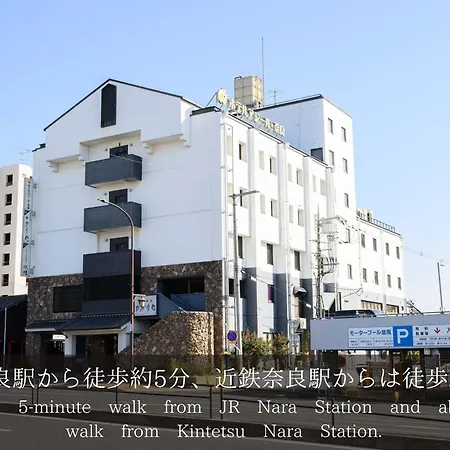
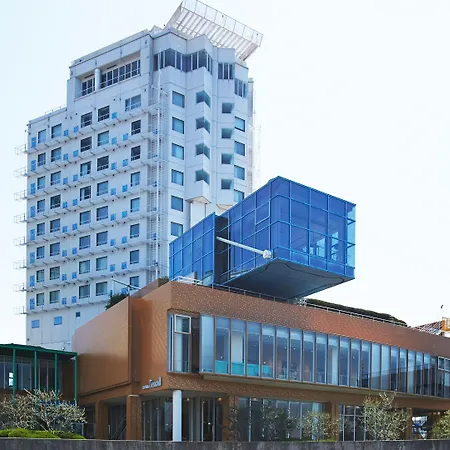
Situated approximately 5 minutes' stroll from Kaika Tenno Tomb, Nara Washington Hotel Plaza features Wi-Fi in public areas and parking on site. Located 1.1 miles from a family-friendly spot such as Tobihino Playground, the Nara hotel has 150 rooms near a train station.
Rooms
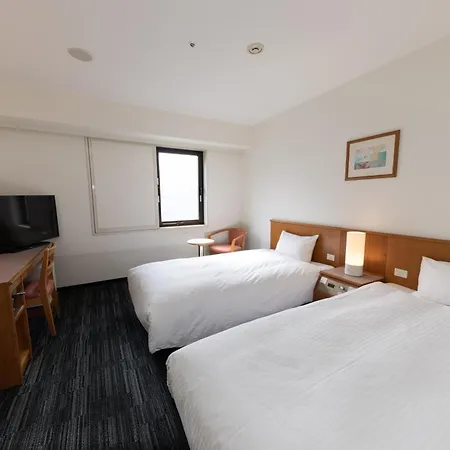
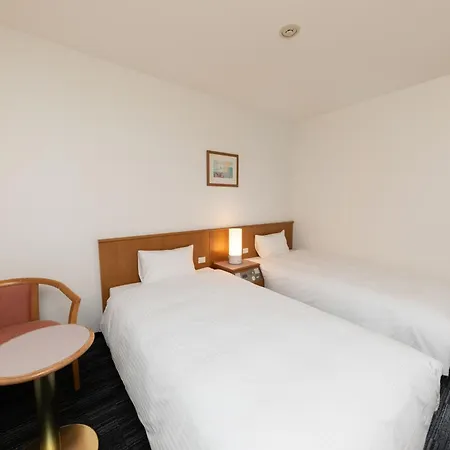
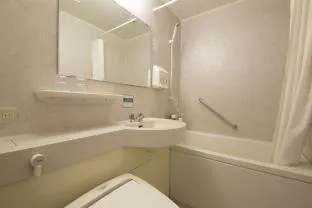
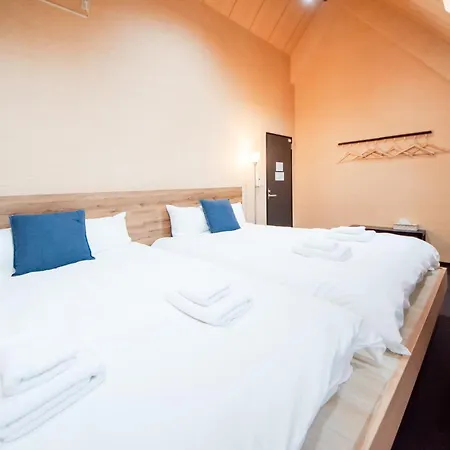
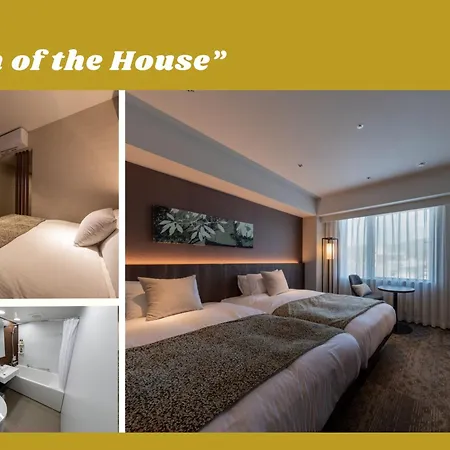
The comfortable rooms offer a flat-screen TV with satellite channels along with a trouser press and an air conditioner. Nice touches include a bathtub, a separate toilet, and a shower, along with a hairdryer and towels.
Relax
There is the gym at the Washington Hotel Plaza Nara.
Location
This 3-star hotel is conveniently located right near Sanjo Street, right in the center of Nara. From the Nara property it will take around 20 minutes to walk to Yoshiki-en.
Eat
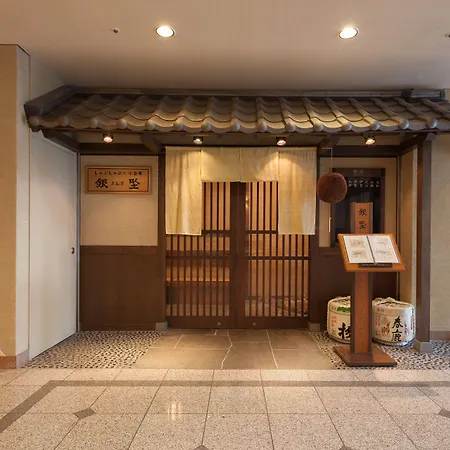
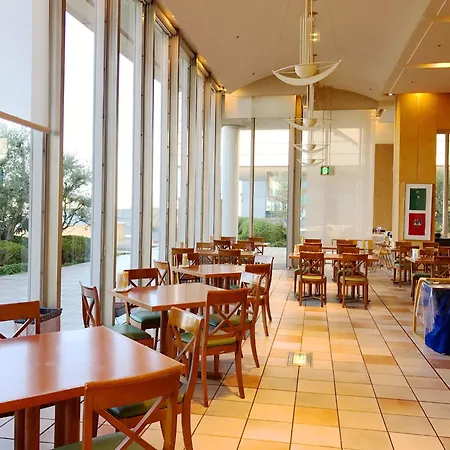
The modern Washington Hotel Plaza Nara has an à la carte restaurant for on-site dining. The restaurant serves Japanese cuisine for lunch and dinner. While staying at the accommodation, guests can choose from dining options nearby, such as Yayoiken Naraeki, located about 600 feet away, or Restaurant Serena at a 7-minute walking distance.
Rooms
Other Great Stays in NARA


Facitilies
Facilities
- Flat-screen TV
- AM/FM alarm clock
Rooms
- Air conditioning
- Heating
- Trouser press
Dining facilities
- Restaurant
- Electric kettle
Services
- Housekeeping
- Laundry
Relax
- Massage
Activities for Kids
- Children's menu
Reviews
Tourist VR
Categories
-
Cleanliness 8.2
-
Comfort 8.1
-
Facilities 7.6
-
Free WiFi 8.8
-
Location 8.1
-
Total 7.5
-
Value for money 7.9
Fiona
Ellen
Kathryn
Dick
Monika
Josh
Timothy
Discover Hotels Across the Japan


Location
- 1. Neiraku Art Museum 1.36 km (4462 ft)
- 2. Nara Women's University 830 m (2723 ft)
- 3. Nara Prefectural Museum of Art 1.32 km (4331 ft)
- 4. Nara National Museum 1.42 km (4659 ft)
- 5. Sanjo Street 500 m (1640 ft)
- 6. Gango-ji 1.33 km (4364 ft)
- 7. Isui-en 1.70 km (1.06 mi.)
- 8. Gyoki Statue with a Fountain 670 m (2198 ft)
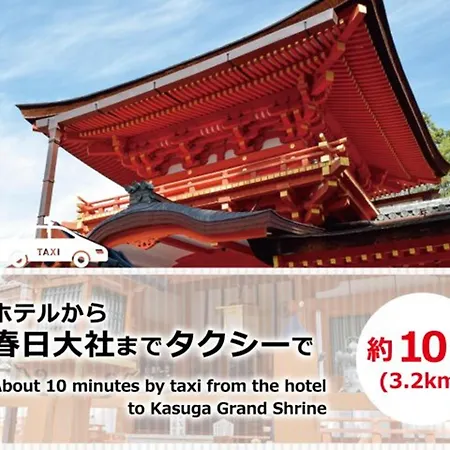
- 9. Kasuga Grand Shrine 2.28 km (1.42 mi.)
- 10. Naramachi 800 m (2625 ft)
- 1. Gusto Nara Sanjo 0 m (0 ft)
- 2. Matsunoya Nara Ekimae 230 m (755 ft)
- 3. Gyoza no Osho Nara Sanjo 170 m (558 ft)
- 4. Nakatanido 550 m (1804 ft)
- 5. Melon de Melon Sanjo 10 m (33 ft)
- 6. Saint Marc Cafe SanjoSt 170 m (558 ft)
- 1. JR Nara 240 m (787 ft)
- 2. JR Nara Station 1 280 m (919 ft)
- 3. JR Nara 300 m (984 ft)
- 4. JR Nara 310 m (1017 ft)
- 5. Takabatake-cho 2.23 km (1.39 mi.)


Address
View map31-1 Shimosanjo-Cho
Key Features
Check-In:
from 14:00 until 23:59
Check-Out:
until 10:00
Contact Information
Contact phone
742270410
Website
Visit hotel website