

Adults:
Children:
Overview
- non-smoking rooms
- free wifi
- family rooms
- laundry
- elevator
- heating
- baggage storage
- air conditioning
Intro
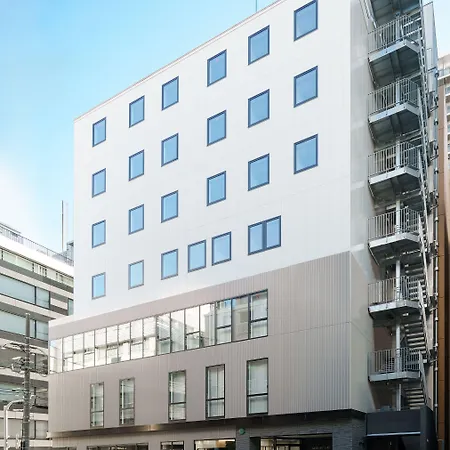
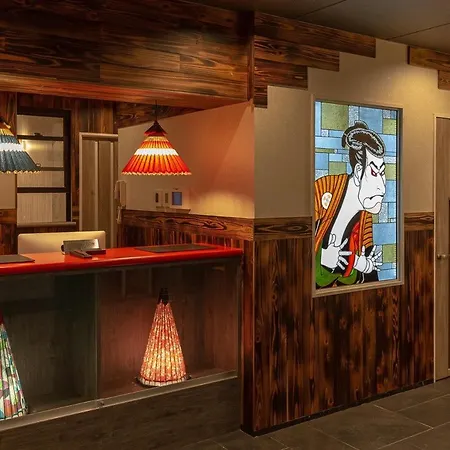
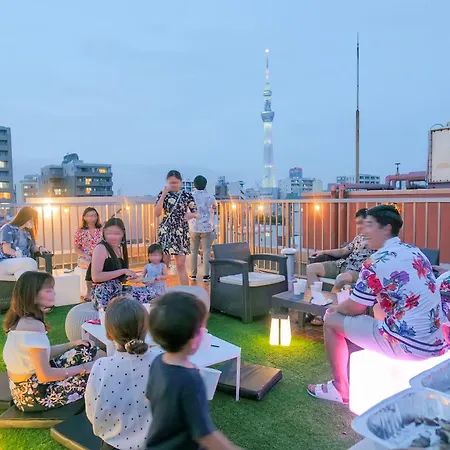
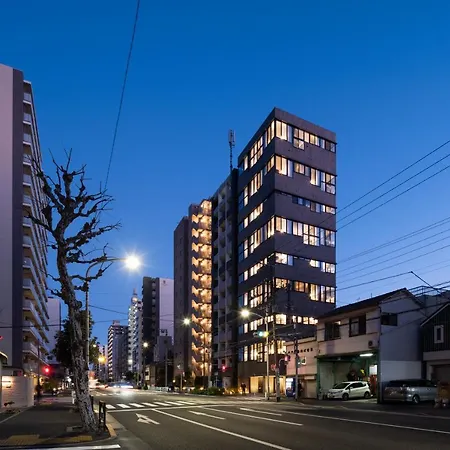
The perfect Sakura Ryokan Asakusa Iriya Tokyo, located a 25-minute walk from Tokyo Skytree, features Wi-Fi throughout the property. This 2-star smoke-free ryokan has a lovely atmosphere created by our service-minded staff.
Rooms
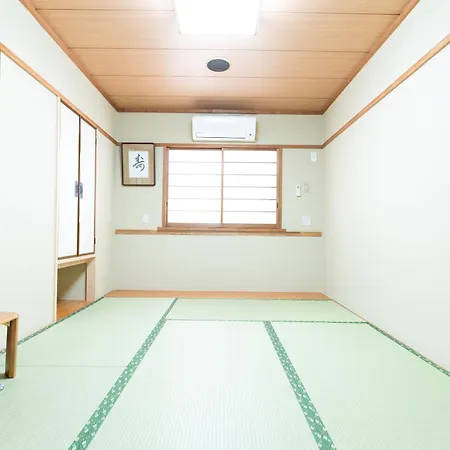
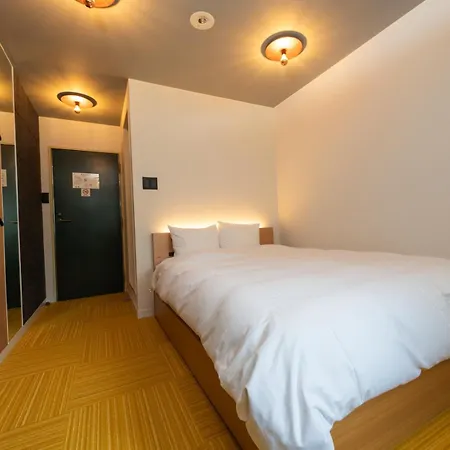
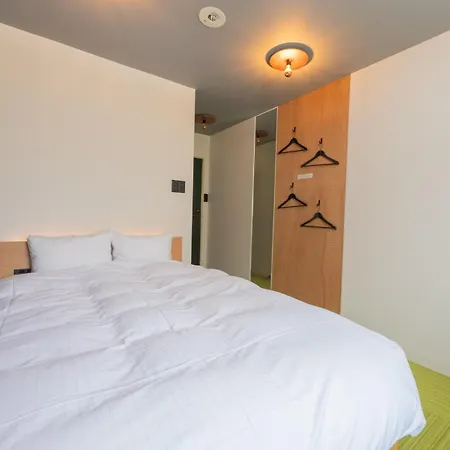
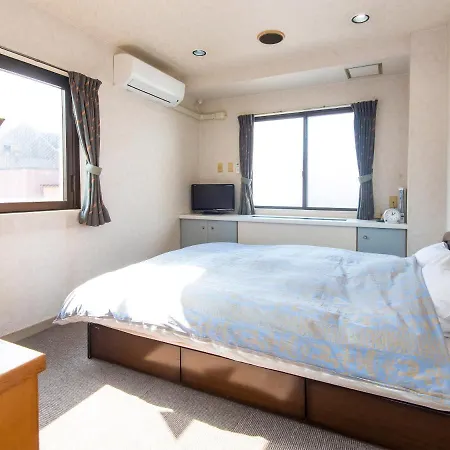
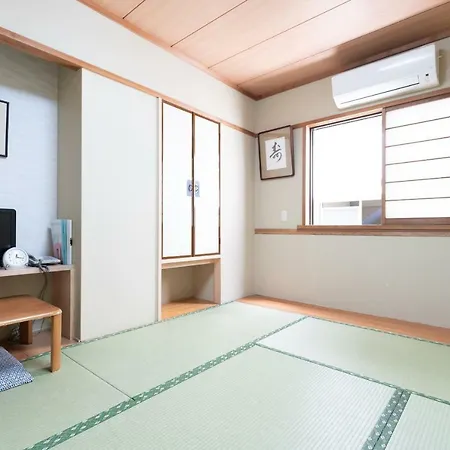
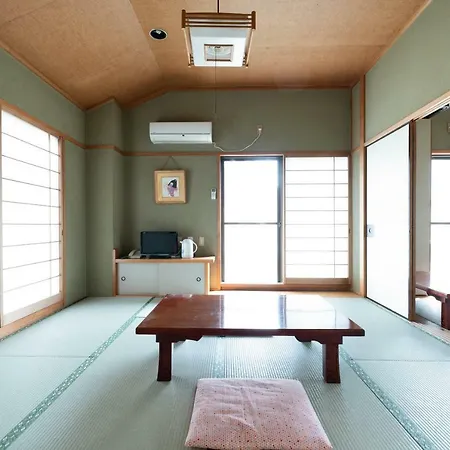
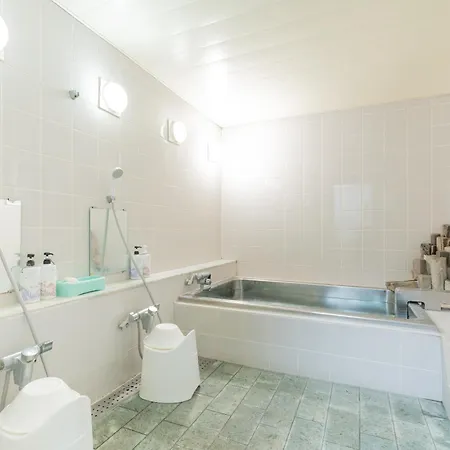
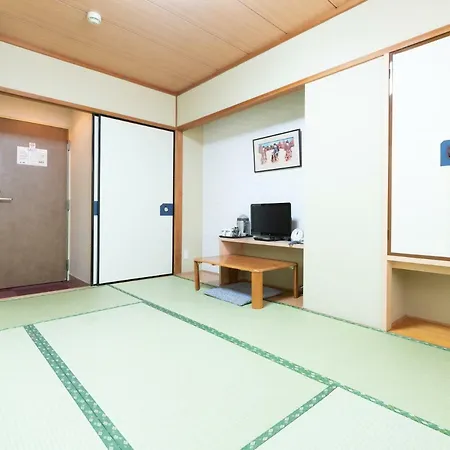
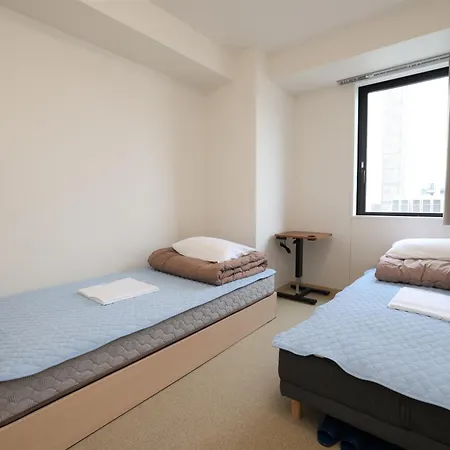
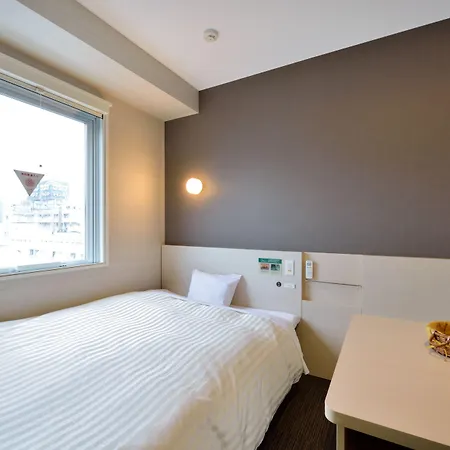
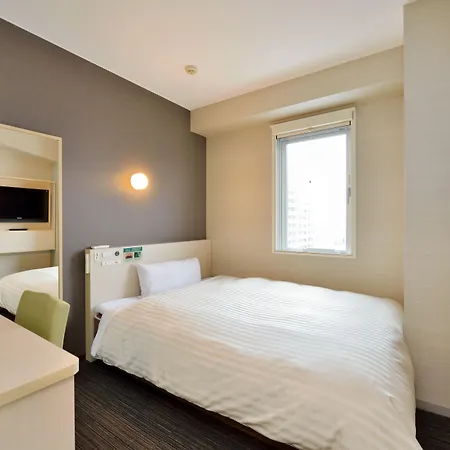
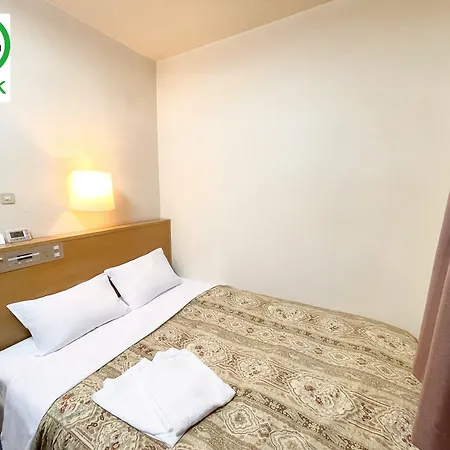
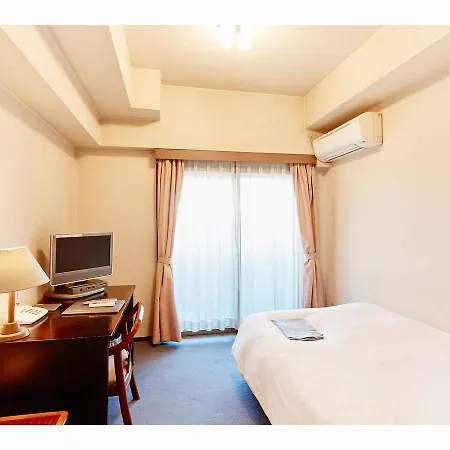
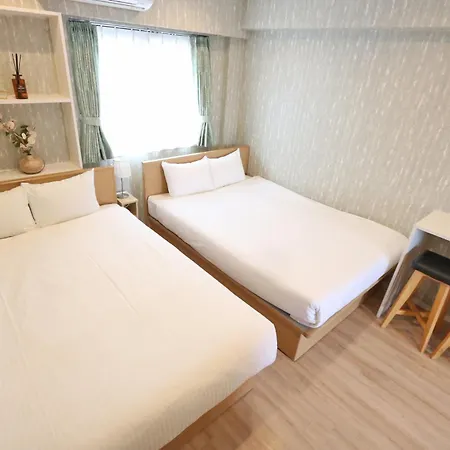
The Sakura Ryokan Asakusa Iriya welcomes guests to 17 rooms complete with a flat-screen TV with satellite channels, as well as comforts like air conditioning. Private bathrooms include nice touches such as a hairdryer.
Location
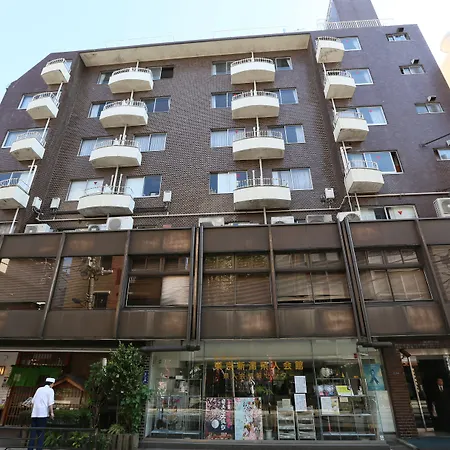
Kappabashi-dori Street is 700 feet away, while Asakusa train station is just a short drive from the hotel. The Site of Kanei-ji Temple Komponchudo is 30 minutes' walk away, and there is Honzen-ji Temple nearby.
Eat
Otsuka, located 5 minutes by foot from, offers delectable dishes.
Rooms
Other Great Stays in TOKYO



Facitilies
Facilities
- Flat-screen TV
- AM/FM alarm clock
Rooms
- Air conditioning
- Heating
Relax
- Leisure/ TV room
- Public Bath
Reviews
Tourist VR
Categories
-
Cleanliness 9
-
Comfort 8.9
-
Facilities 8.6
-
Free WiFi 9.1
-
Location 8.4
-
Total 8.6
-
Value for money 9
Natasha
Allen
Rosalind
Bill
Henry
Toby
Location
- 1. Sumida Aquarium 2.11 km (1.31 mi.)
- 2. Tsukiji Market 6.21 km (3.86 mi.)
- 3. Senso-ji 1.03 km (3379 ft)
- 4. Tokyo National Museum 1.77 km (1.10 mi.)
- 5. National Museum of Nature and Science 1.64 km (1.02 mi.)
- 6. Kanda Shrine 2.68 km (1.67 mi.)
- 7. Kaminarimon Gate Senso-ji 1.37 km (4495 ft)
- 8. Ameya-Yokocho 1.99 km (1.24 mi.)
- 9. Asakusa 1.00 km (3281 ft)
- 10. Tokyo Metropolitan Art Museum 1.79 km (1.11 mi.)
- 1. Yoshinoya Iriya 530 m (1739 ft)
- 2. Gouter Le Ble 530 m (1739 ft)
- 3. Banninriki 450 m (1476 ft)
- 4. Asakusa Kagetsudo Honten 870 m (2854 ft)
- 5. Mishimaya 560 m (1837 ft)
- 6. Iriyataishoken 190 m (623 ft)
- 7. Sekine Bakery 470 m (1542 ft)
- 8. Sushi Baru 530 m (1739 ft)
- 1. Iriya 510 m (1673 ft)
- 2. Tawaramachi 1.23 km (4035 ft)
- 3. Minowa 1.34 km (4396 ft)
- 4. Inaricho 1.34 km (4396 ft)
- 5. Asakusa 900 m (2953 ft)
- 6. Uguisudani 1.05 km (3445 ft)
- 7. Asakusa Tobu 1.58 km (5184 ft)
- 8. Shin-Okachimachi 1.78 km (1.11 mi.)
- 9. Tawaramachi-eki 50 m (164 ft)
- 10. Senzoku 390 m (1280 ft)
- 11. Taisho-Shogakko 400 m (1312 ft)
- 12. Nishi-Asakusa-sanchome 450 m (1476 ft)
- 13. Nippori 2.42 km (1.50 mi.)


Address
View mapTaito-Ku, Iriya 2-6-2
Key Features
Check-In:
from 15:00 until 23:00
Check-Out:
from 07:00 until 10:00
Contact Information
Contact phone
81338768118
Website
Visit hotel website
info@sakura-ryokan.com