

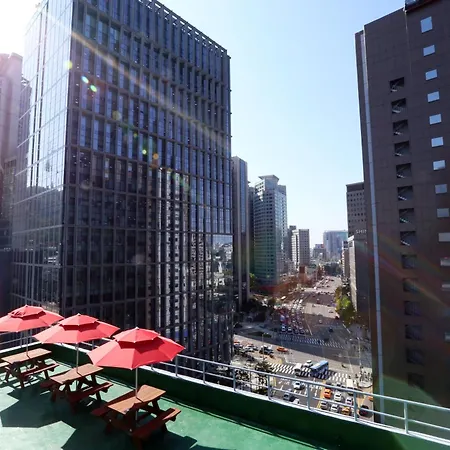
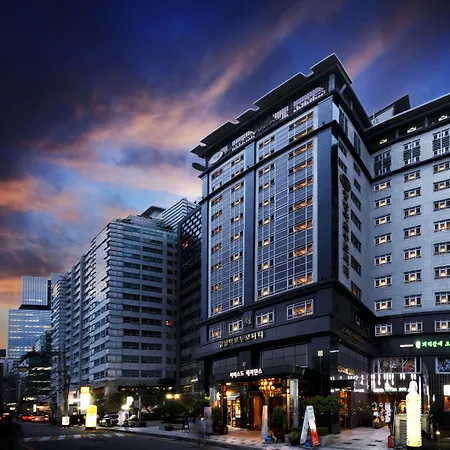

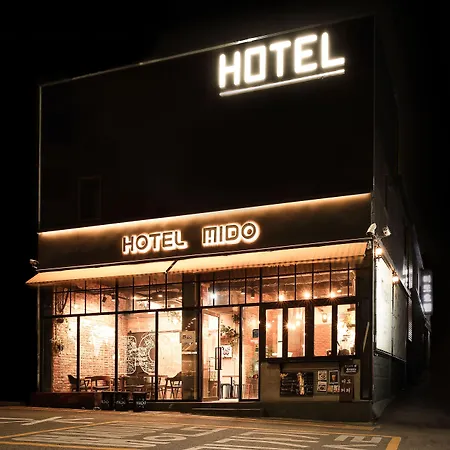
Yeouido
by JDwernychuk
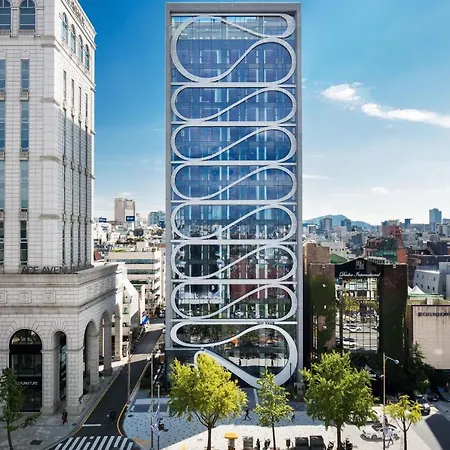
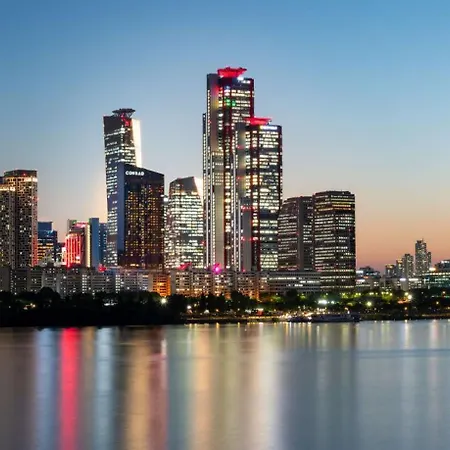
I love going to yeouido and spending a few hours at the park. It's a great place.
You can go rent a bike from Yeouido park in neer the national assembley. It cost around 3000W for an hour.
You can ride around yeouido for a few hours, then go sit by the edge of the Han river and sit and cool off with a beer. Yeouidos great.
Best to do on a hot sunny day!
Tok su gung(palace)
by Jun_Oh
Tracking down the Past along the Palace Walls
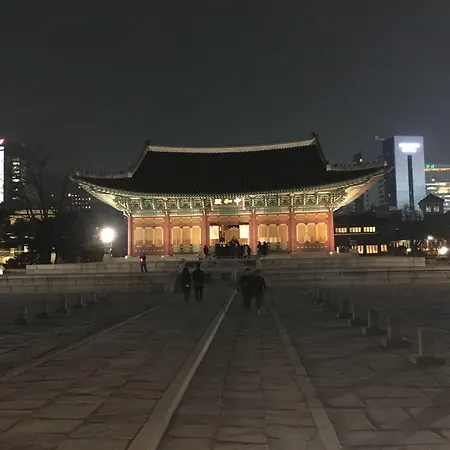
Doksu Palace Lane winding along the stone wall of the palace is often compared with the streets on the Mont Martre hills of Paris. But the bustling atmosphere to be experienced in the street of Paris cannot be found in this most quiet quarter in downtown Seoul. Right after the end of the Korean-Japanese War, the then king of the Choson Dynasty settled temporarily in the residence of a prince located in the site of the present Doksu Palace and named it Kyongwoon Palace. When, in the late 19th century, King Kojong and his court took refuge here to avoid another Japanese invasion, it was established as the main royal palace again. The king had the palace expanded and some new buildings, including the Sokjo-jun, a western style stone structure, were added to the traditional constructions. This rather small sized palace is loved by the young generation who enjoy dating here as well as the older office workers who try to take a rest in the tranquil space in the business district. If you had seen the unique scenes of the music video 'What You Give You Get Back' by the German rock group Scorpions, you might have found it was filmed in the palace ground. More and more visitors to Seoul feel the incomparable harmony of traditional and modern factors presented by the palace and its vicinity. The Changing of the Royal Guards Ceremony, which is performed around the front gate everyday except Monday from spring through summer and late fall, is another attraction of the area.
Lotus Lanterns hung for Budha's Birthday.
by Hmmmm
In Korea, lotus lanterns are a major focus of one of the most important yearly events called Buddha's Birthday. Celebrated on the 8th day of the 4th lunar month every year. The picture, taken at Choggye Sa Temple shows an array of hung lanterns. Many of these Lanterns features a prayer, and/or has someone's name fastened with string. These name tags, blow in the breeze and form a wave with each gust. There are so many lanterns, the tags form a waving sea. It really is great to see. Anyone who wants to can "buy" a lantern and write anything he or she likes on it. A donation is given to the temple. Buddhists believe that the more people give, the more generous people are, the happier people are.
Choggyesa is the largest Buddhist temple in Seoul. Home of the Choggye Buddhists, the 4th largest Korean Buddist sect. So there you go. Cheap vegetarian food here to. Especially the Kamja Jeon (Potato Pancake).. YUMYUM! :o)
Some guff:
Unique to Korea, lotus lanterns consist of the symbols of the lotus flower and a candle. The lotus, a common symbol in Buddhism, represents the process of shedding ignorance (darkness, growing towards the light from the mud) to attain wisdom (light, the opening of the flower in the sunlight).
Making lanterns in the shape of lotuses renacts the aspiration of everyone for wisdom. The candle inside symbolizes the attainment of wisdom. These kinds of laterns first showed up during the Korean Shilla Dynasty, around the year 551ad. So quite a while ago.
KOREAN MANNERS
by ancient_traveler
Greeting and saying “thank you” are very important to Koreans. Word of greeting and thanks are usually said with a bow of the head. The dept of the bow depends on the relatives seniority between the two speakers.
Korean traditionally sit, eat, and sleep on the floor, so shoes are always removed when entering a Korean home. Bare feet are considered to be rude, so it is the best to wear socks or stocking when visiting home.
DMZ Tour
by Carino
If you are a bit into the history of Korea, a DMZ Tour might be something for you. Though, I have to say that usually the Korean Tourguides give you only their view of the topic. It almost seems that they have been brainwashed too in their youth. Who can blame them?
The DMZ Tour usually includes a visit to:
a) Imjingak Park
Has some monuments and the Freedom Bridge. But this place is mainly used to change buses (from your tourbus to the official DMZ bus).
b) The Unification Bridge
Nothing spectacular to see, but there are some interesting stories behind this bridge. The one I like the most is the one about Jung Ju Young. He was the founder of Hyundai and was actually born in North Korea. In his youth, he stole the only cow of his family to build up what was to become one of the biggest companies in Korea. He felt guilty, though, so in 1998 he sent 1001 cows over that bridge to repay his debt. That is why this bridge has the nick name "cow bridge".
c) The 3rd Infiltration Tunnel
The North(?) Korean built various tunnels from the North to the South to be able to invade the country. 4 of those tunnels have been discovered so far. Now, the South Korean say that the North built it and show proof (drill holes in a certain direction, etc.). Well, the North would probably say the opposite. Anyway it is an interesting piece of history.
d) Dora Observatory
If you get there on a sunny day, you will have a great view over to the North, the Flag Poles, Kaesong Industrial Zone and even Panmunjon. If they is bad, you only have a miniature of the area.
e) Dorasan Station
The most northern train station of South Korea, which is supposed to link the two railways. At the moment (2008), all train rides between the countries have been suspended.
You can pay 500 Won and get access to the platform. Not much to see though.
f) Amethyst Center
Sadly, the tours have started to include Tourist Traps such as the Amethyst Center. This is the last stop before they drop you off in Itaewon. So, you might as well get off around the Amethyst Center.
Sometimes, especially if you have a lot of Chinese Tourists on board, the bus will stop at a shop in a small village. Make sure to grab something special in the shop: North Korean Beer for 4'000 Won and North Korean Soju for 3'500 Won. They import it via China, so you won't get it anywhere else in South Korea, I suppose.