












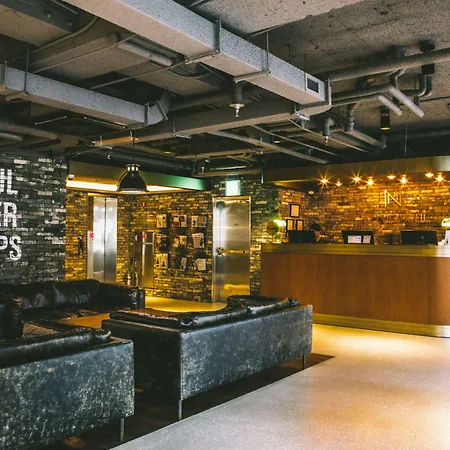
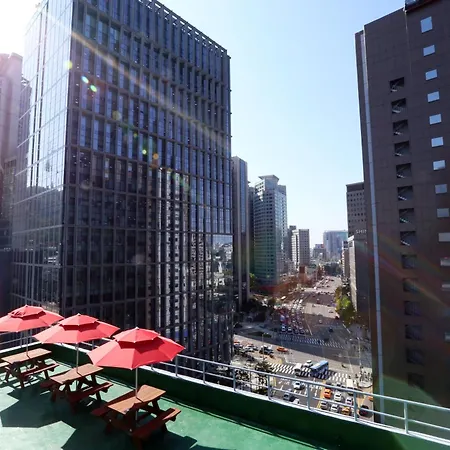
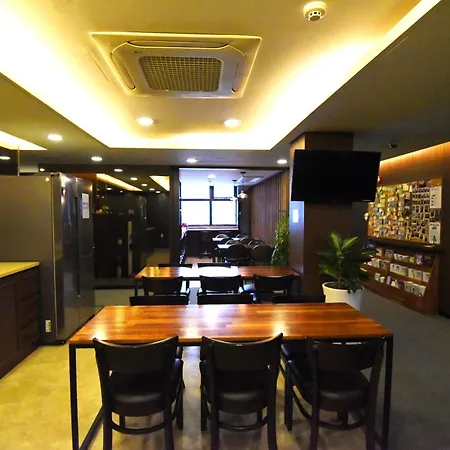
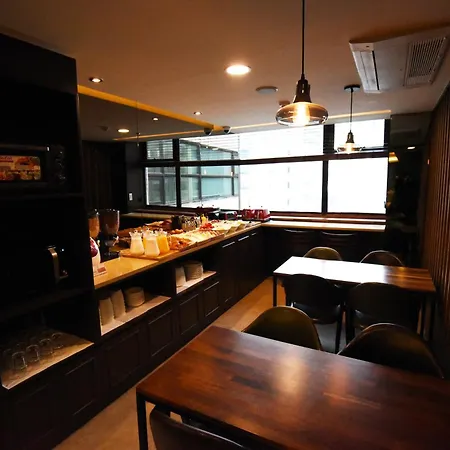
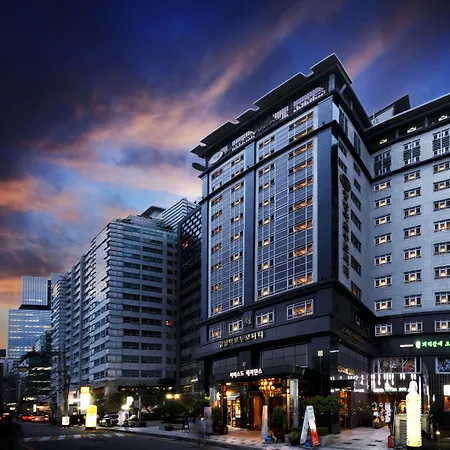
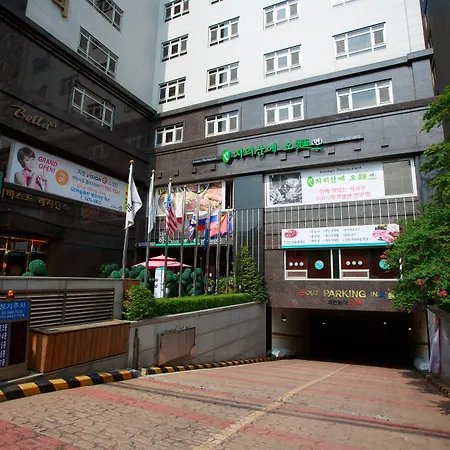
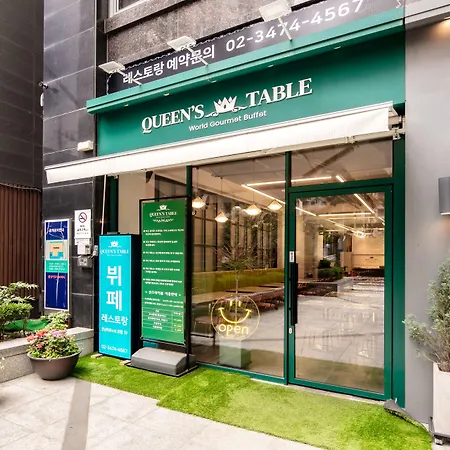
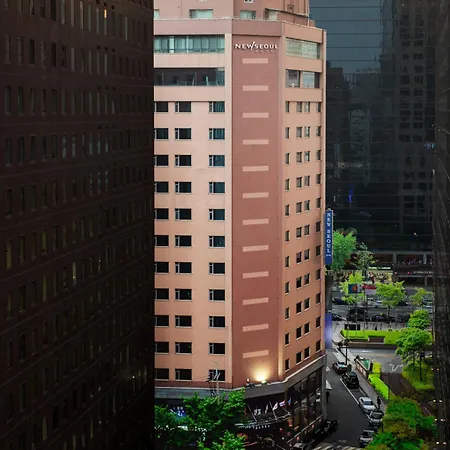
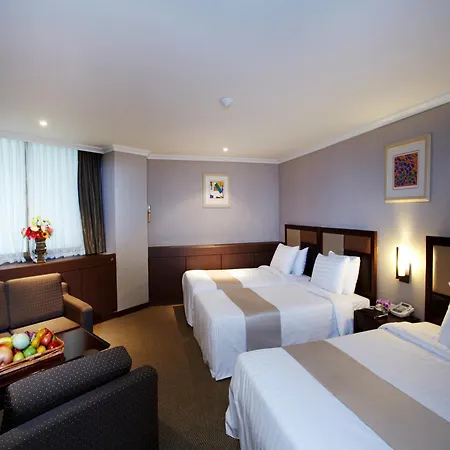
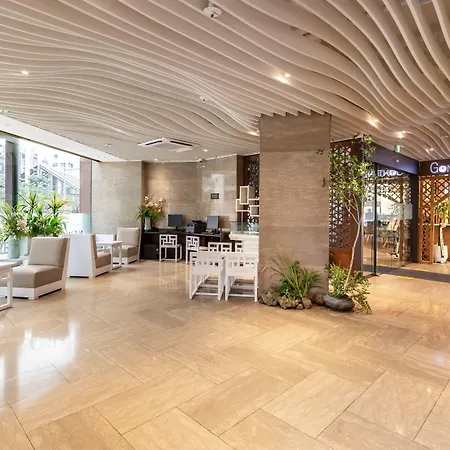
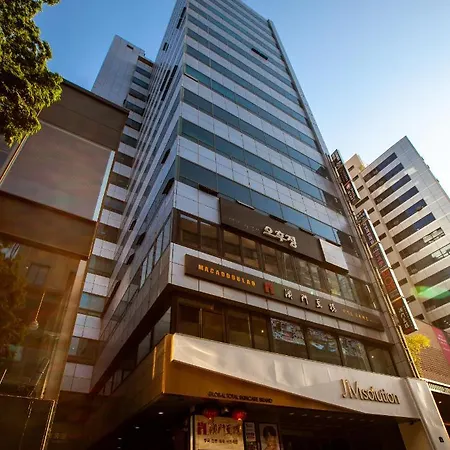
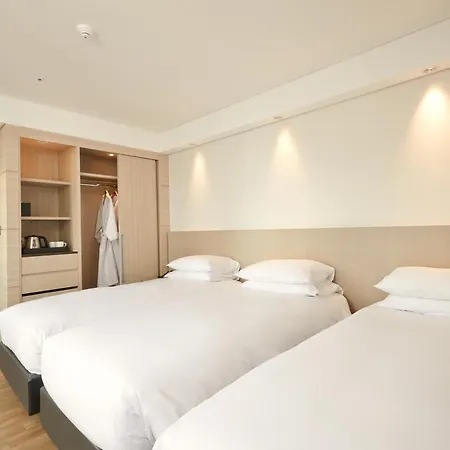
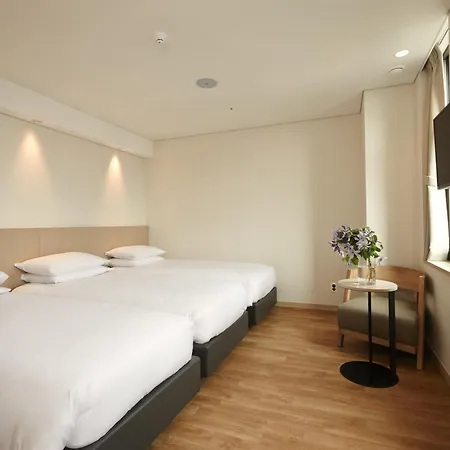
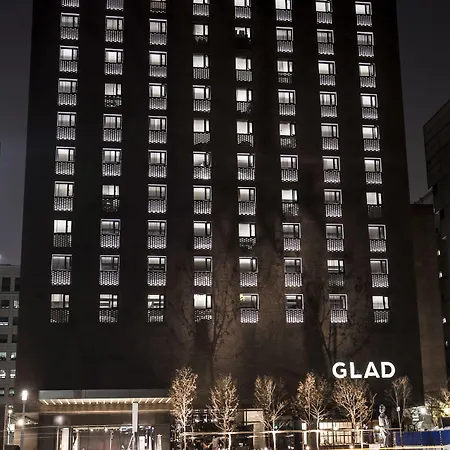

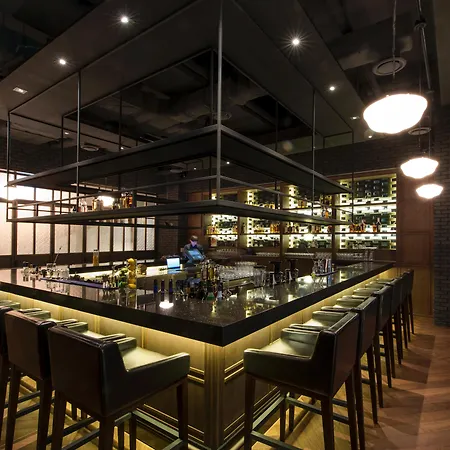
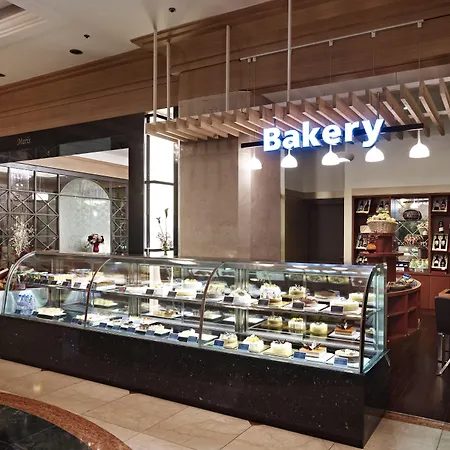
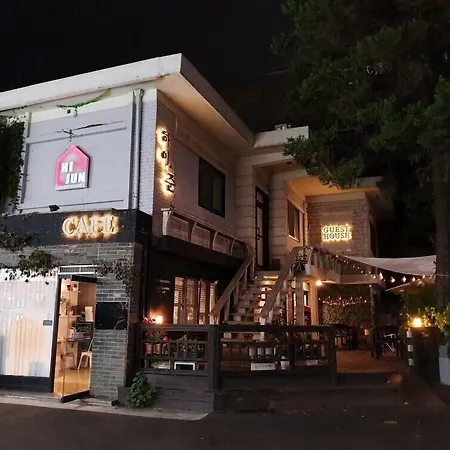
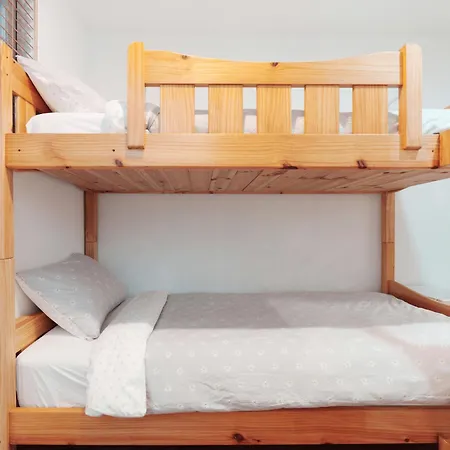
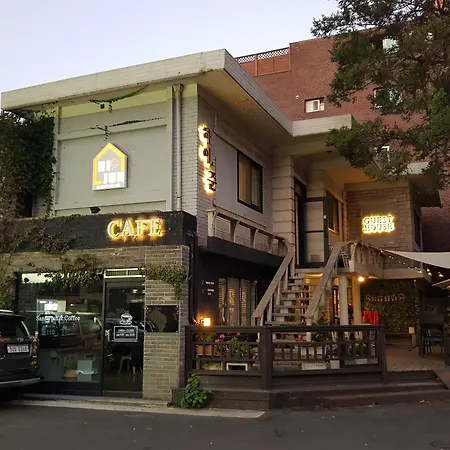
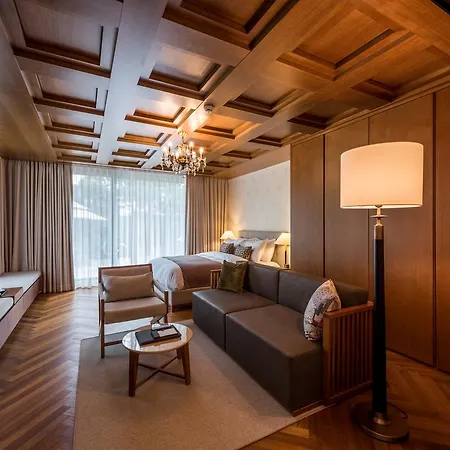
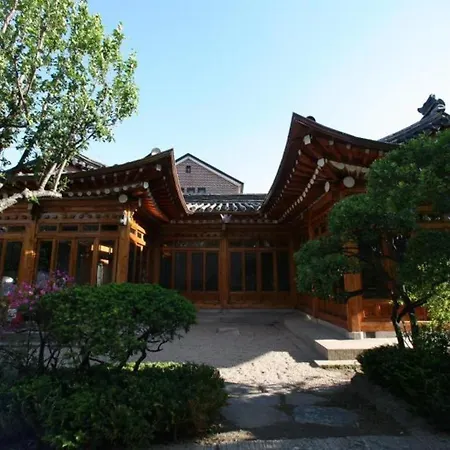
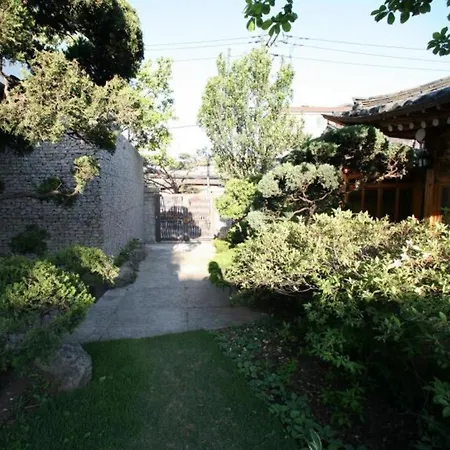
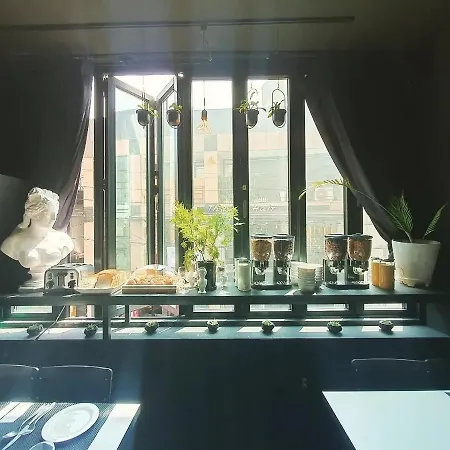
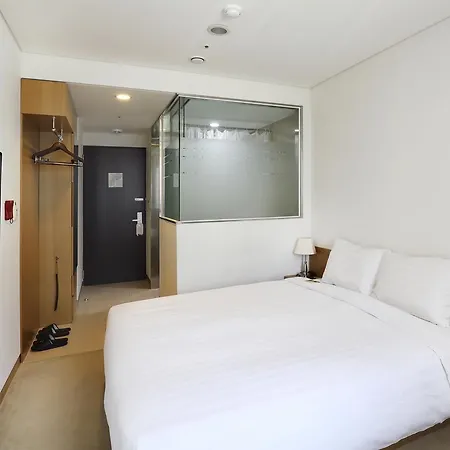

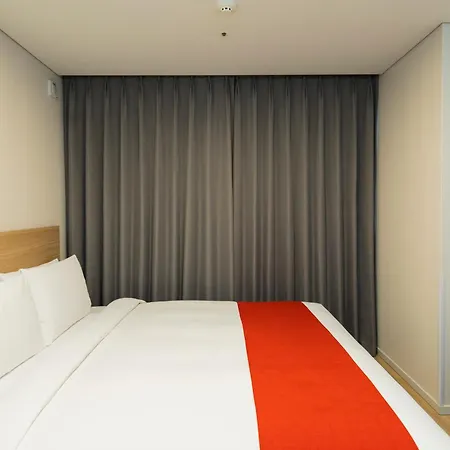
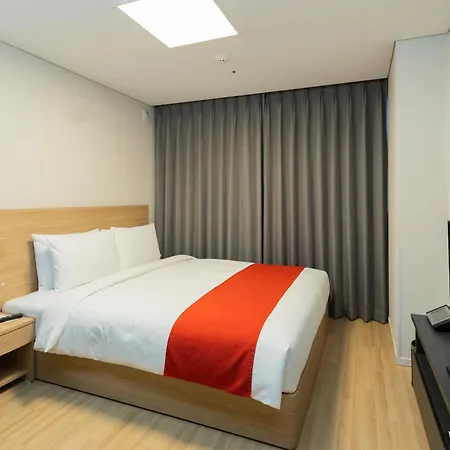
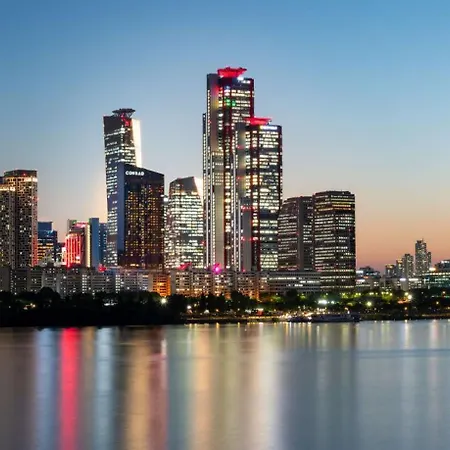
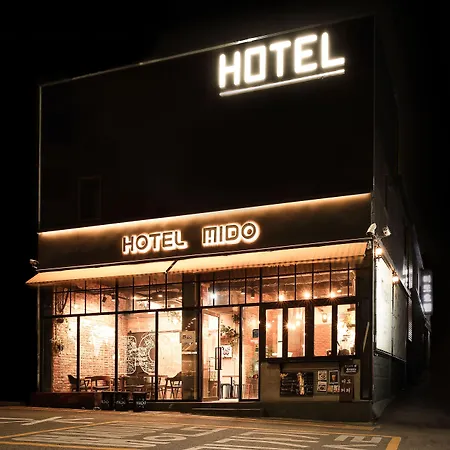
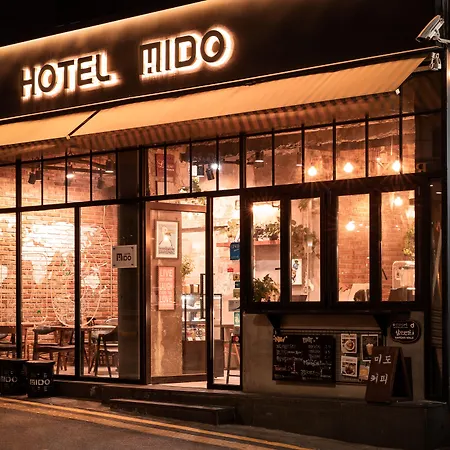
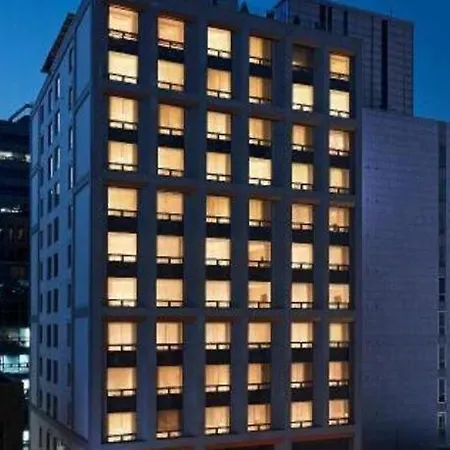




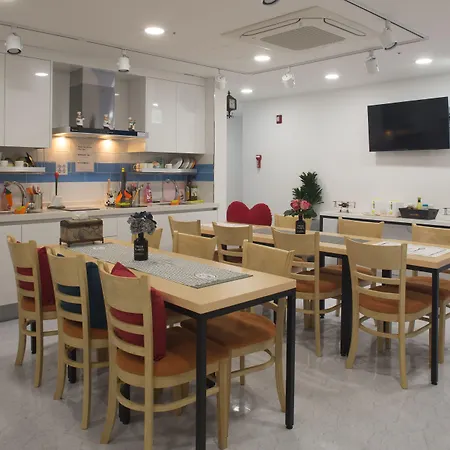
| Name of hotel | Accommodation Rating | Price, $ | |
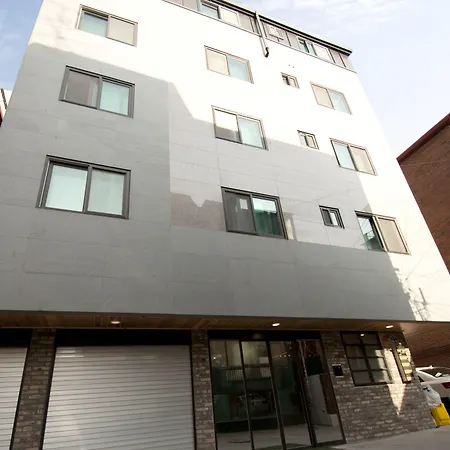
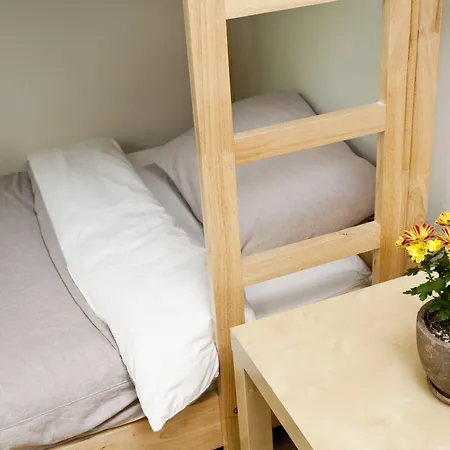
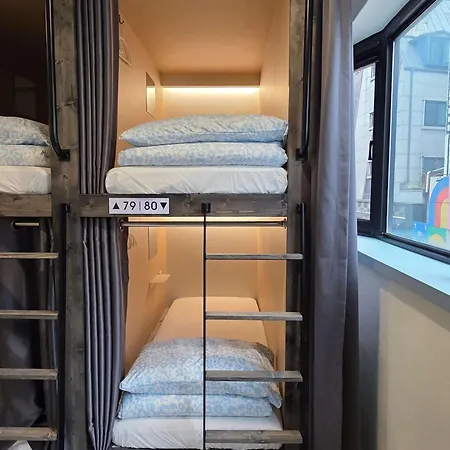
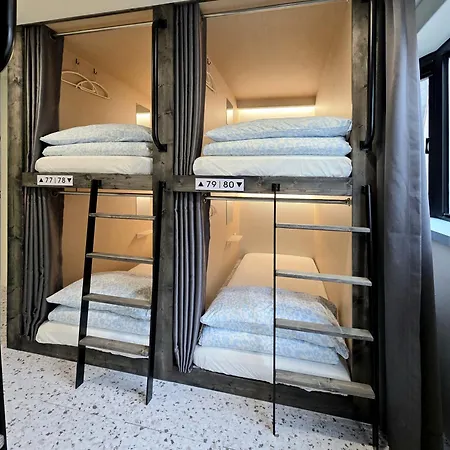
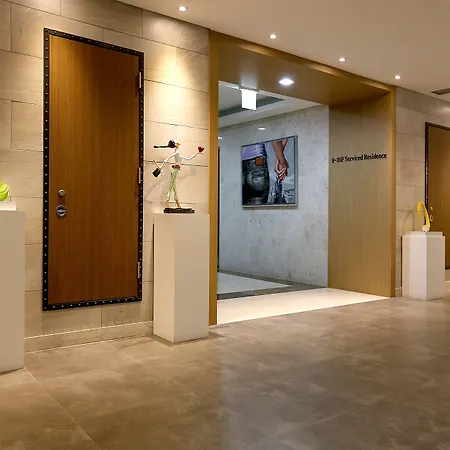
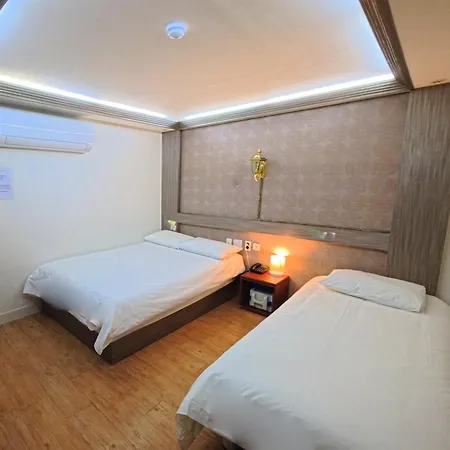
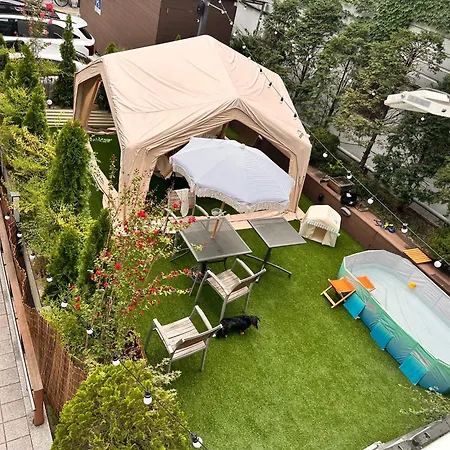
| Sunnyhill Hostel Hongdae |
7.5 / 10 (261 Reviews) |
From 70US$ | |
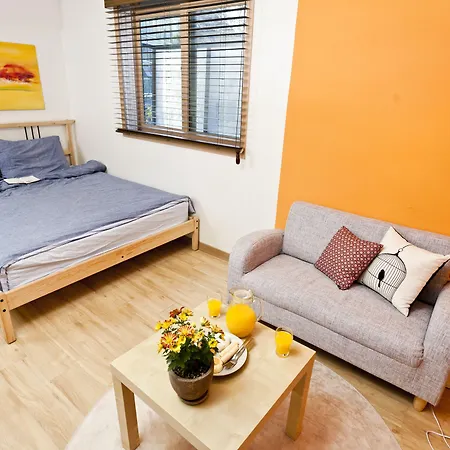
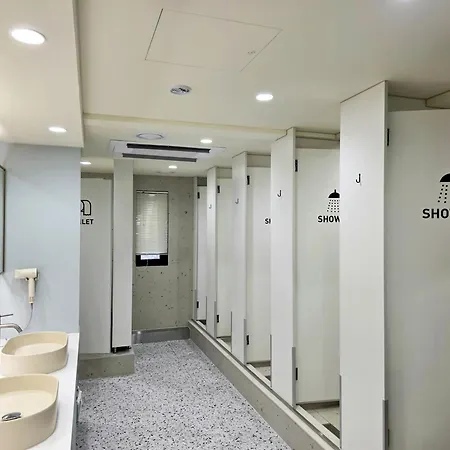
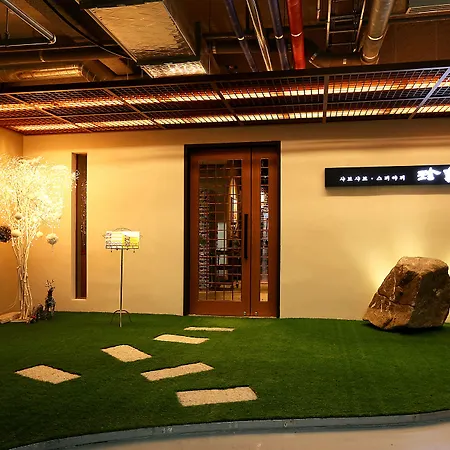
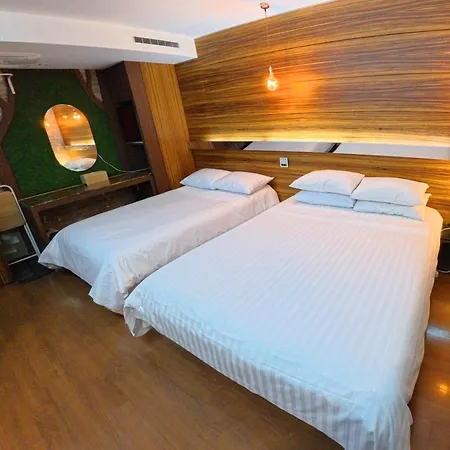
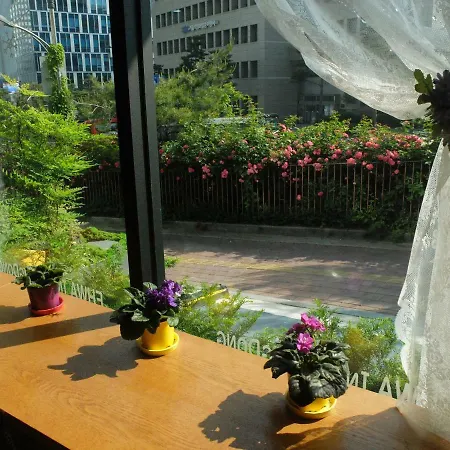
| Kimchee Sinchon Guesthouse |
7.5 / 10 (1656 Reviews) |
From 76US$ | |
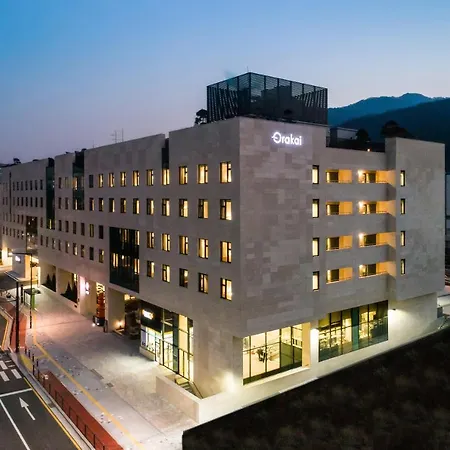
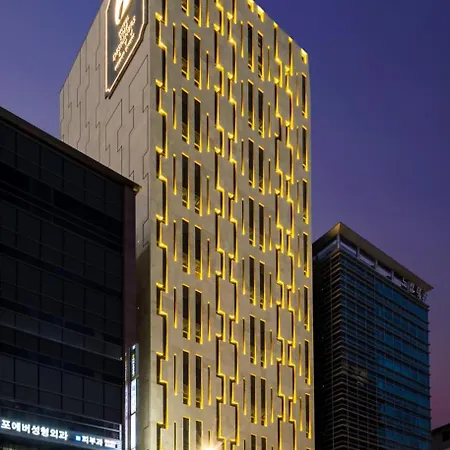
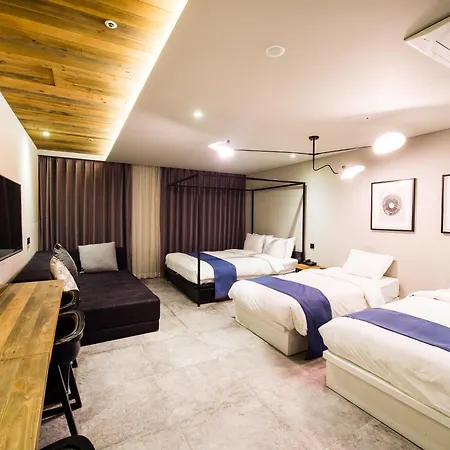
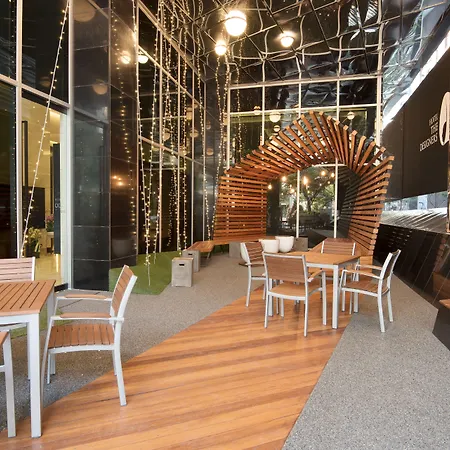
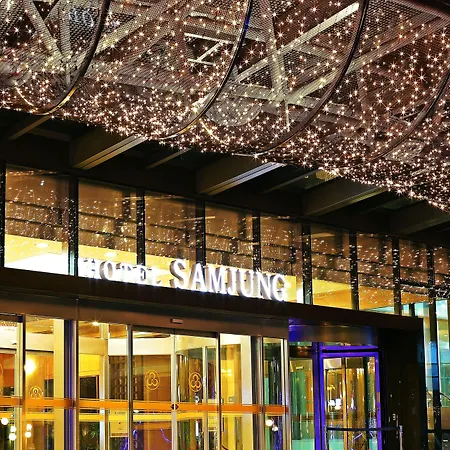
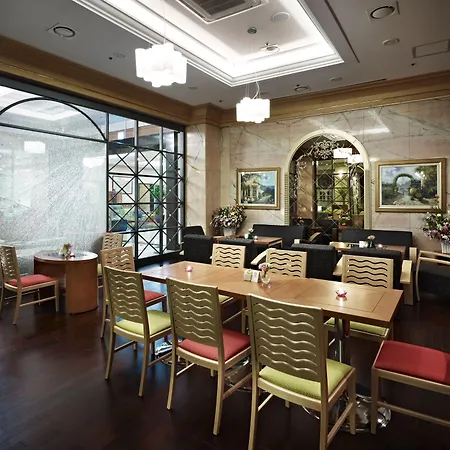
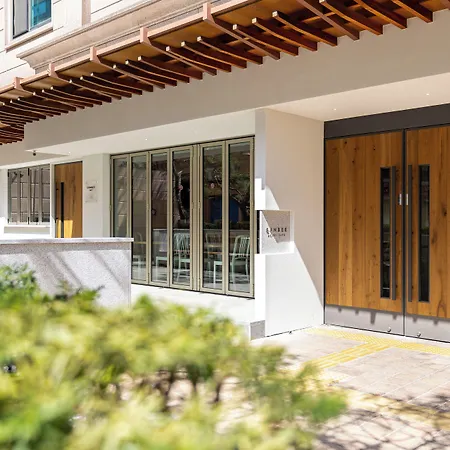
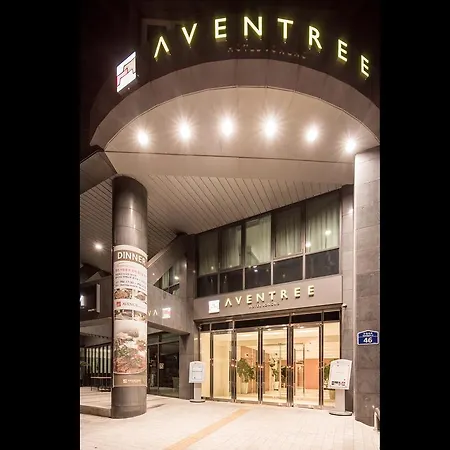
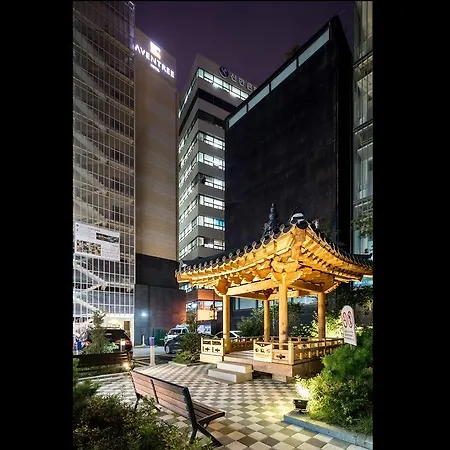
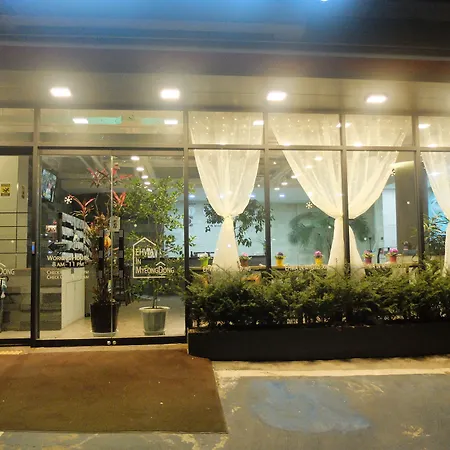
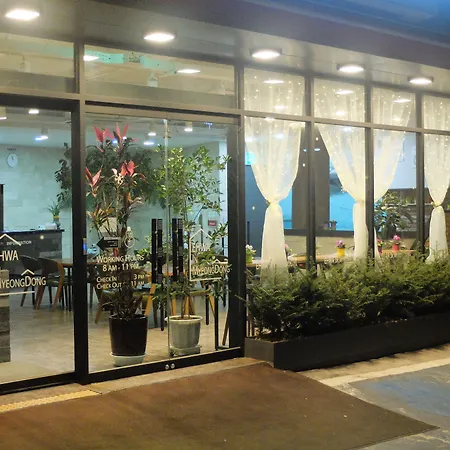
| Ibis Ambassador Myeongdong |
8.5 / 10 (1840 Reviews) |
From 106US$ |
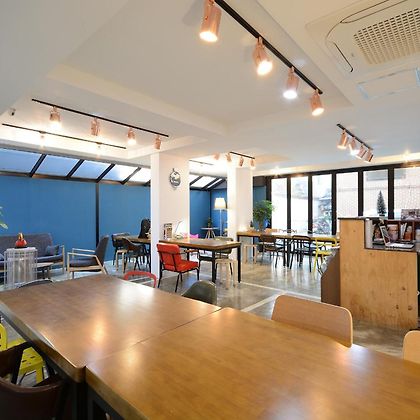
Sunnyhill Hostel Hongdae
From
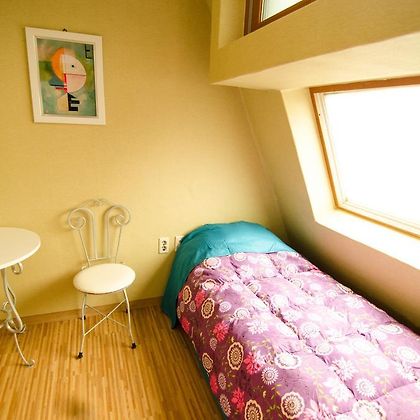
Kimchee Sinchon Guesthouse
From
Guide to the Best Hotels in Seoul
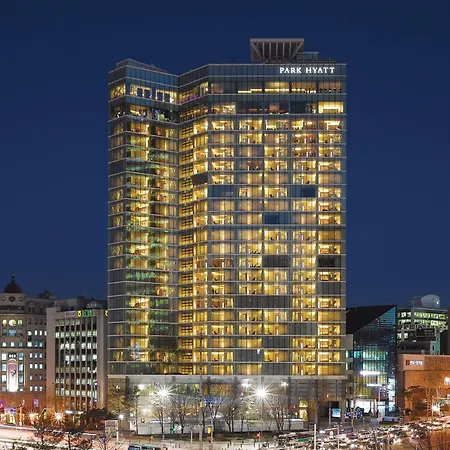
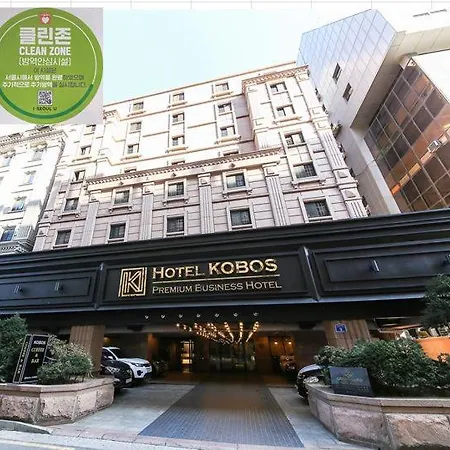
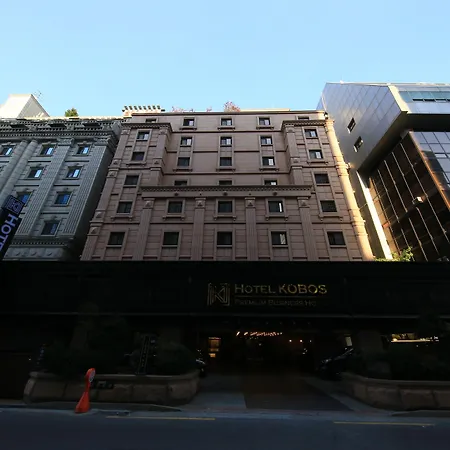
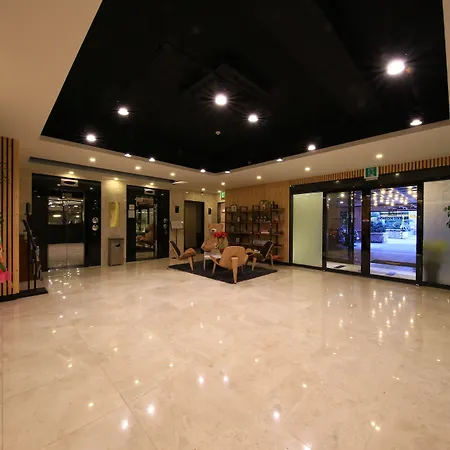
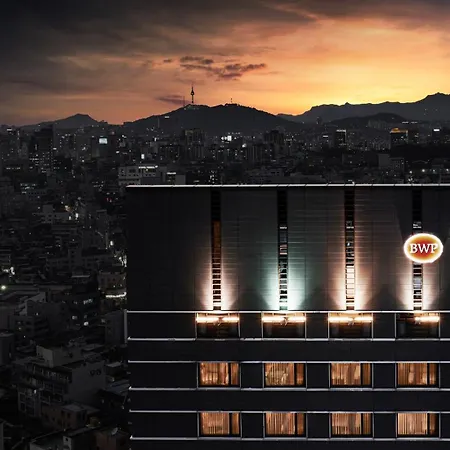
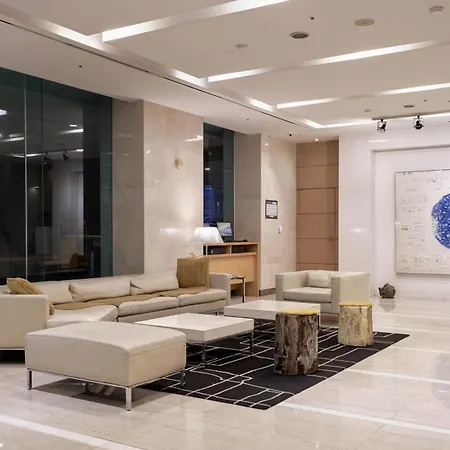
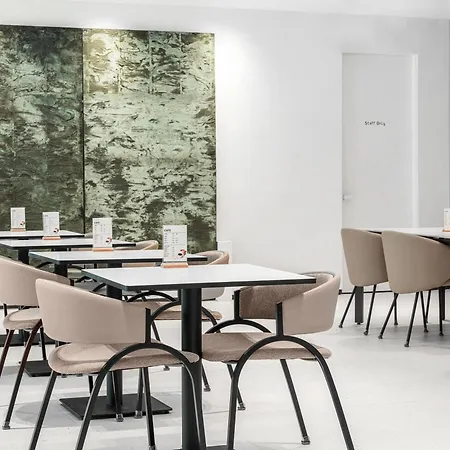
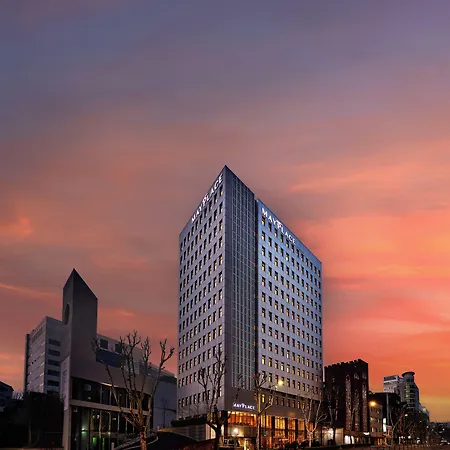
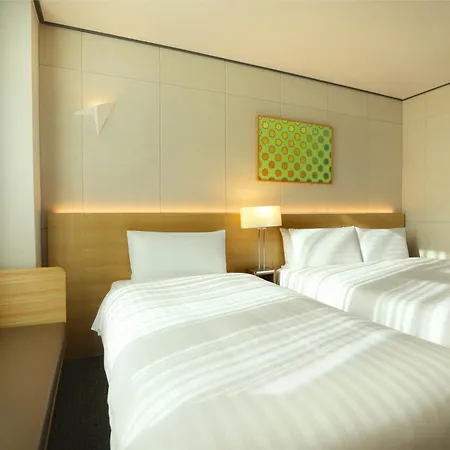
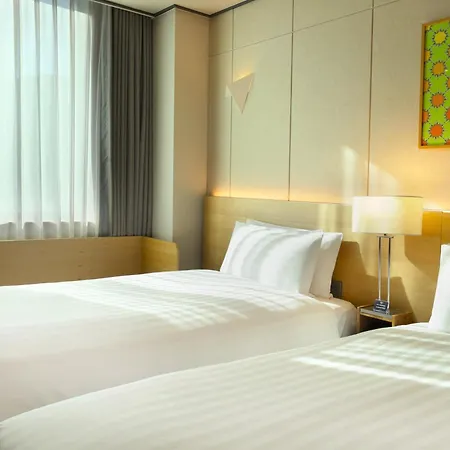
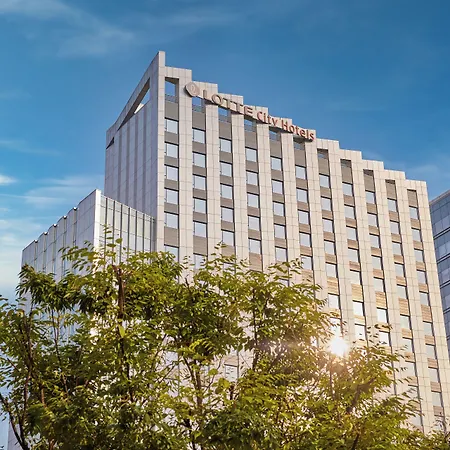
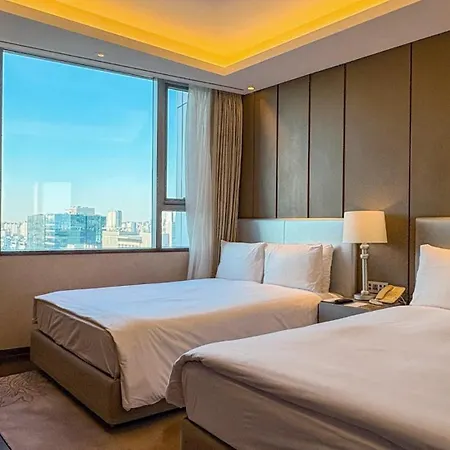
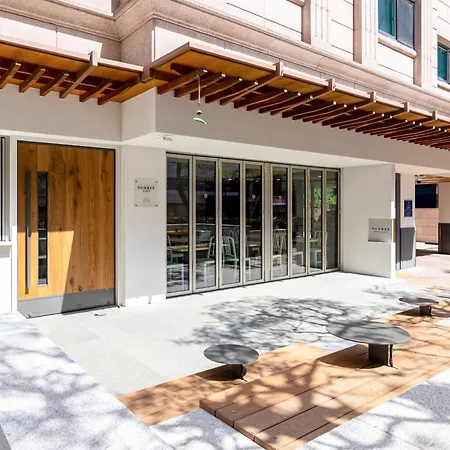
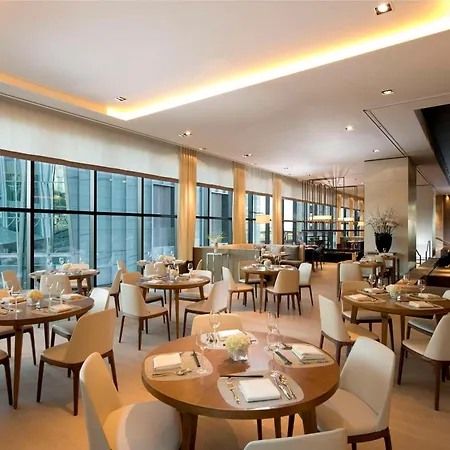
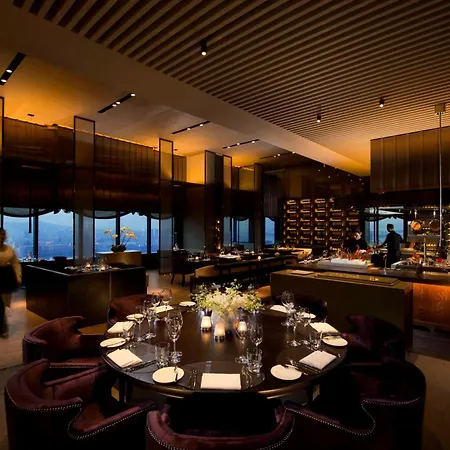
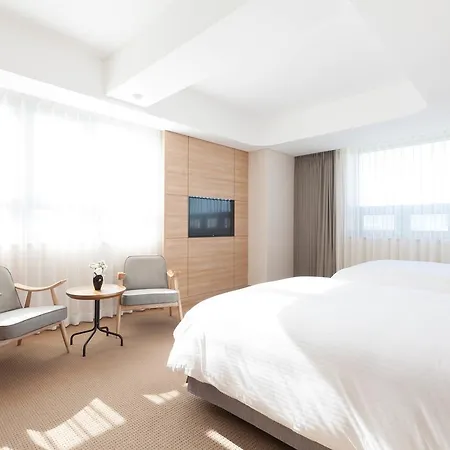
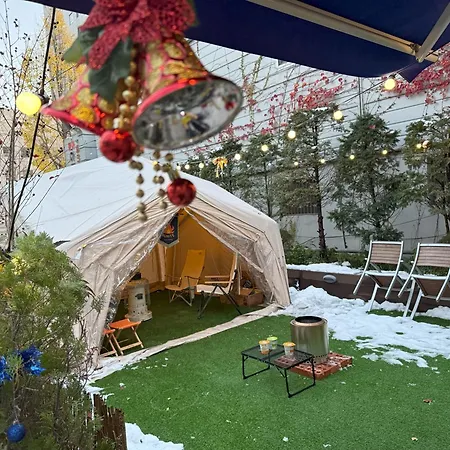
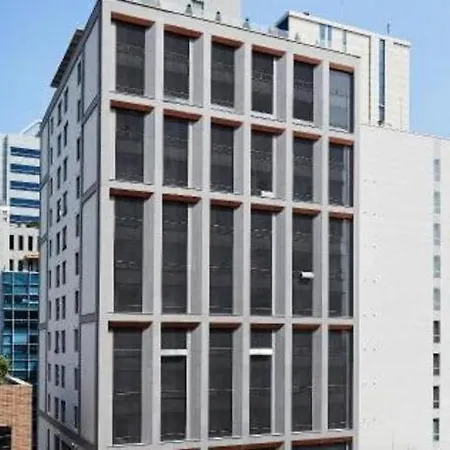
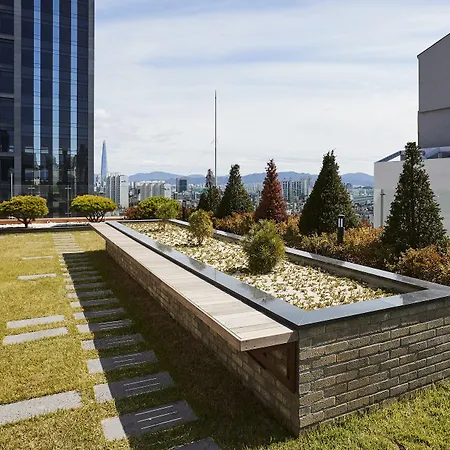
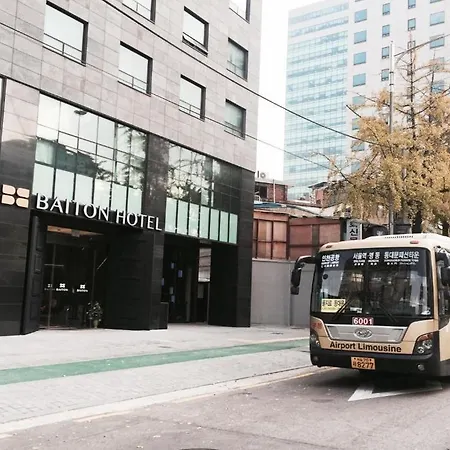
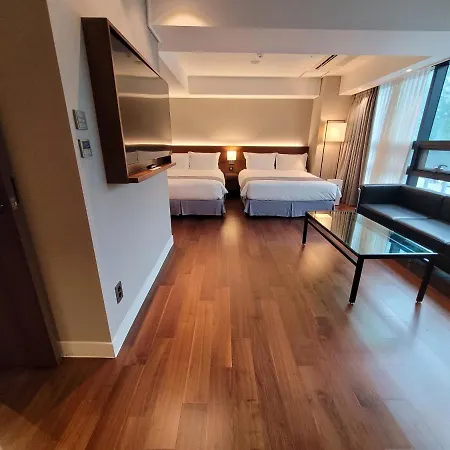
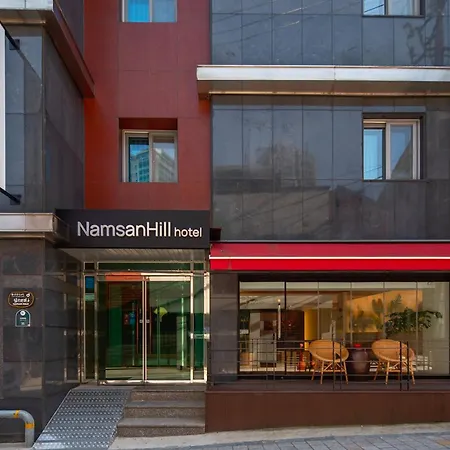
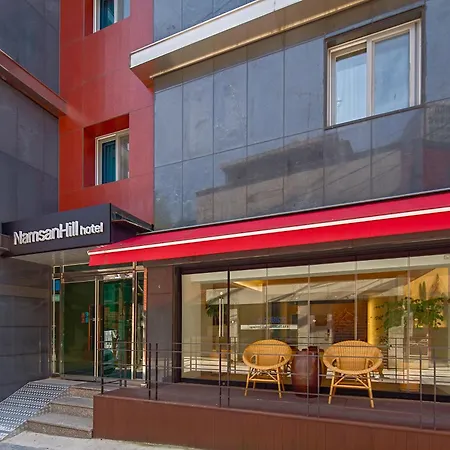
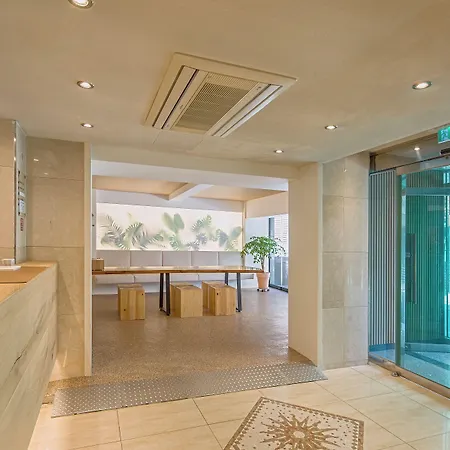
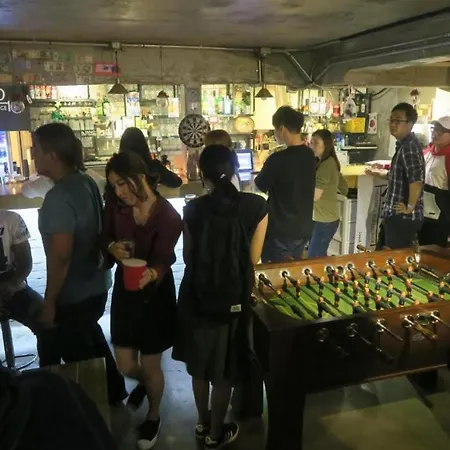
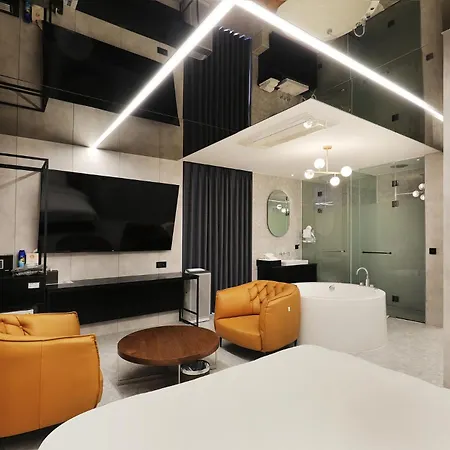
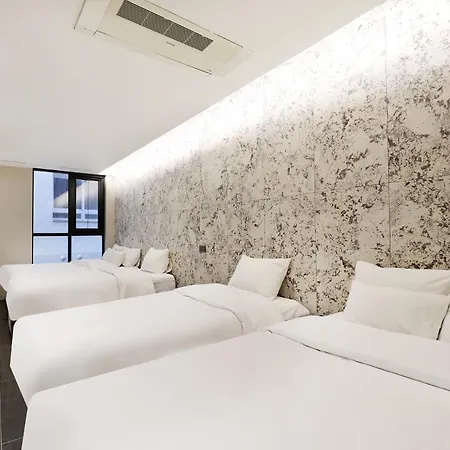
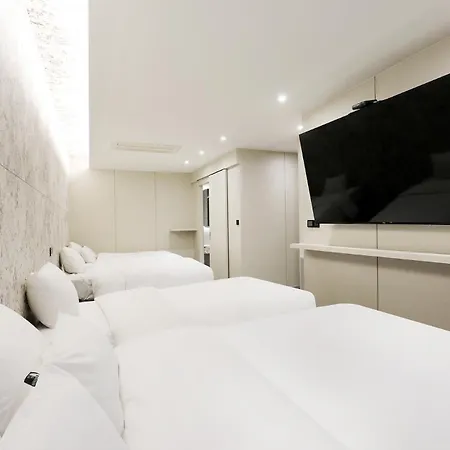
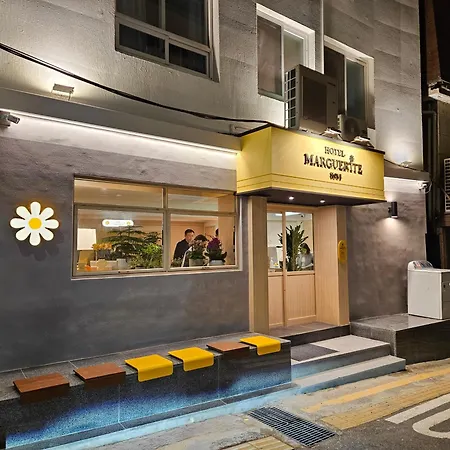
When traveling to Seoul on a budget, finding quality accommodations that don't break the bank can elevate your experience and allow you to enjoy the city to its fullest. This section focuses on the best hotels in Seoul that offer affordability without compromising comfort and convenience. From guesthouses to budget-friendly hotels, you will discover options that are strategically located near popular sights and neighborhoods. These accommodations provide an ideal base for exploring Seoul while ensuring a pleasant stay that suits your wallet. With a blend of modern amenities and local charm, these budget-friendly options promise a memorable lodging experience. Whether you're a solo traveler or on a family trip, you're sure to find the perfect spot to rest after a day of exploration.
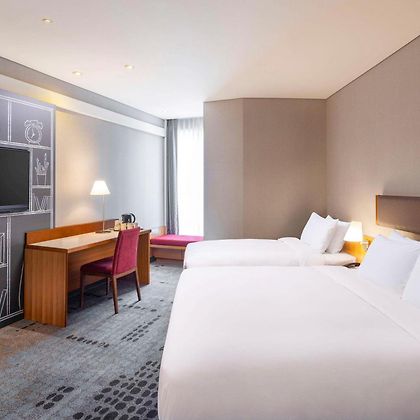
Ibis Ambassador Myeongdong
From