


Adults:
Children:
Overview
- free wifi
- family rooms
- non-smoking rooms
- 24-hour front desk
- elevator
- tea/coffee maker in all rooms
Intro
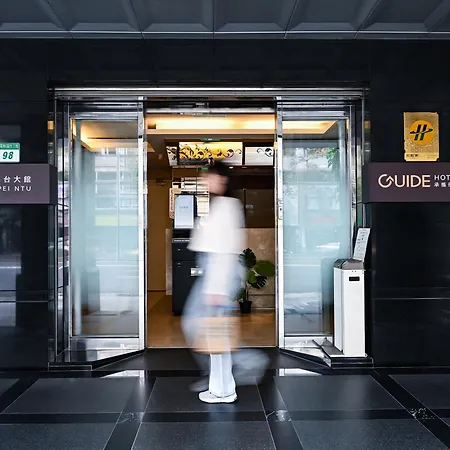
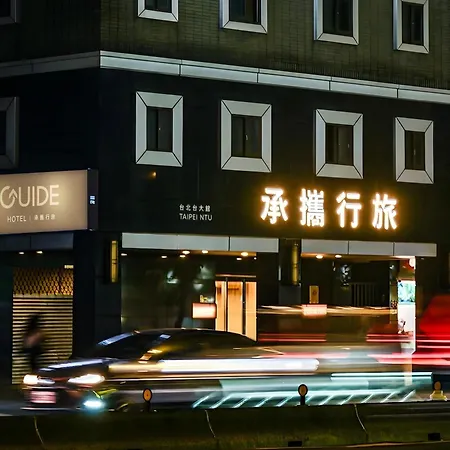
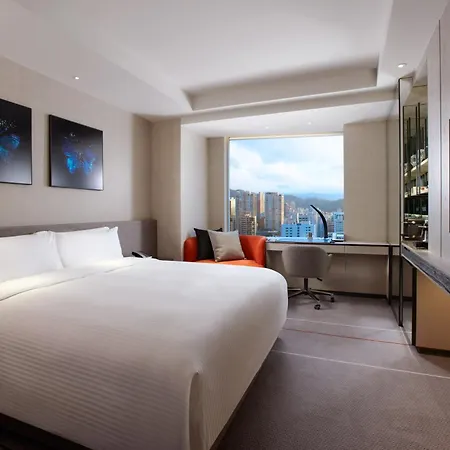
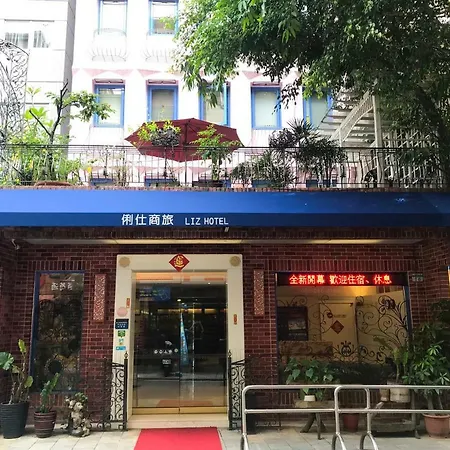
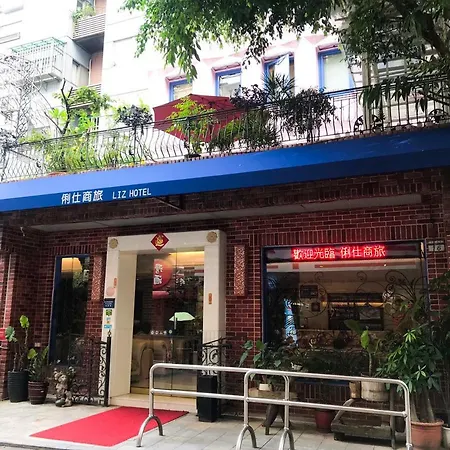
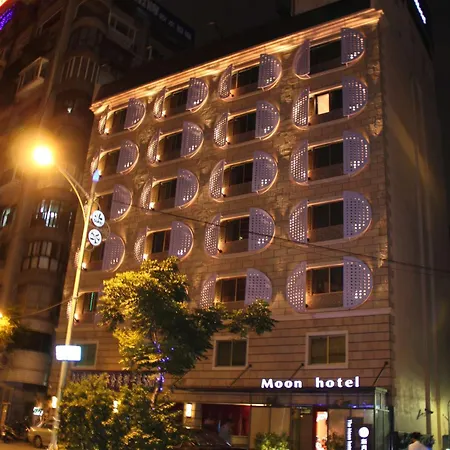
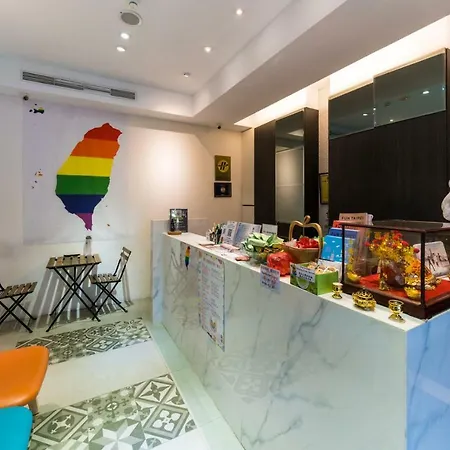
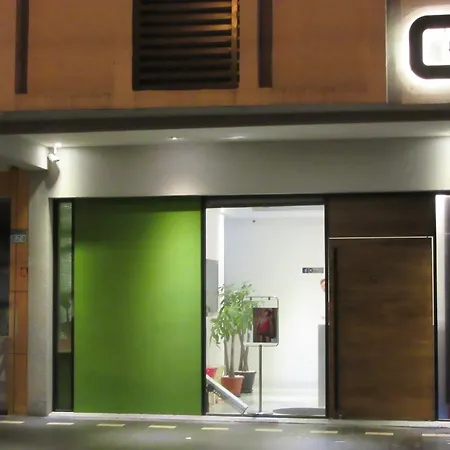
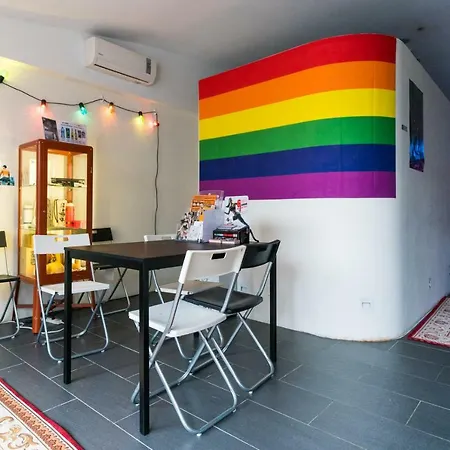
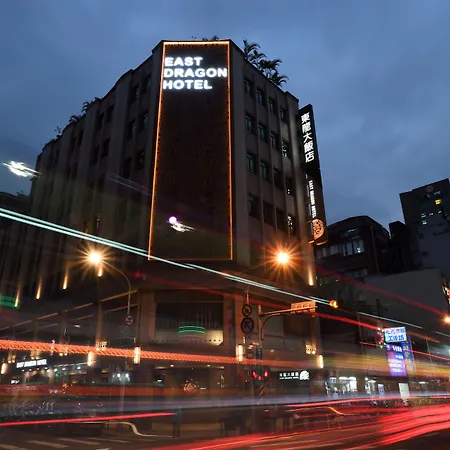
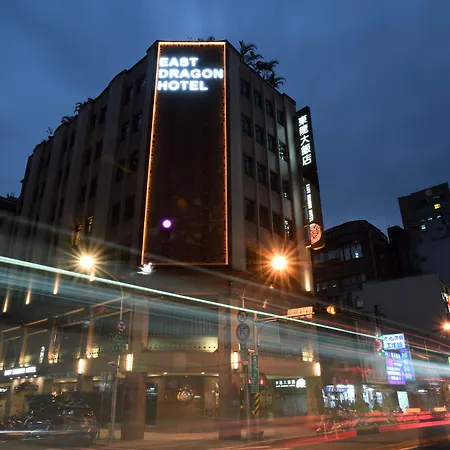
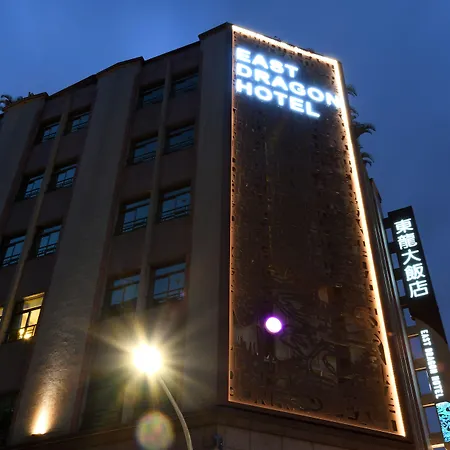
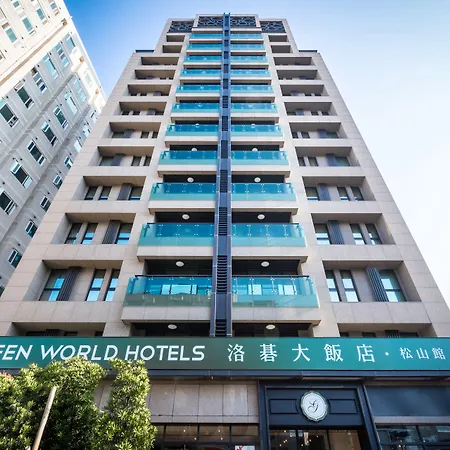
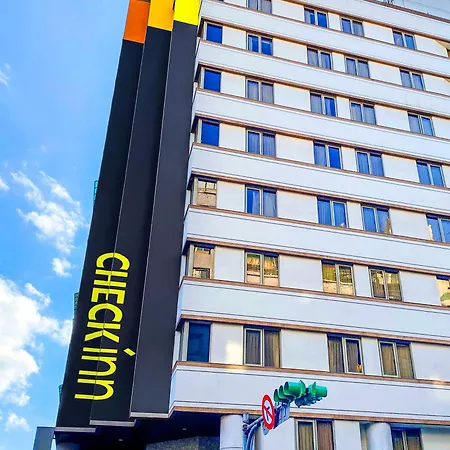
The perfect Guide Hotel Taipei Ntu, located 6 minutes' stroll from Taishun Park, features Wi-Fi throughout the property. Featuring 24 rooms with views of the city, this 3-star smoke-free hotel is 1.4 miles from Daan Forest Park.
Rooms
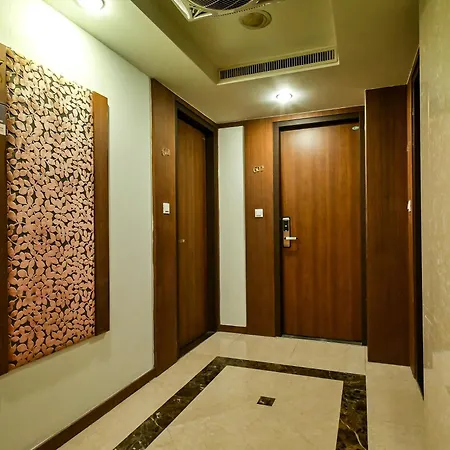
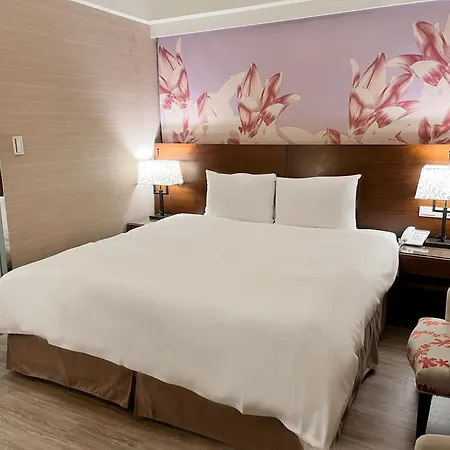
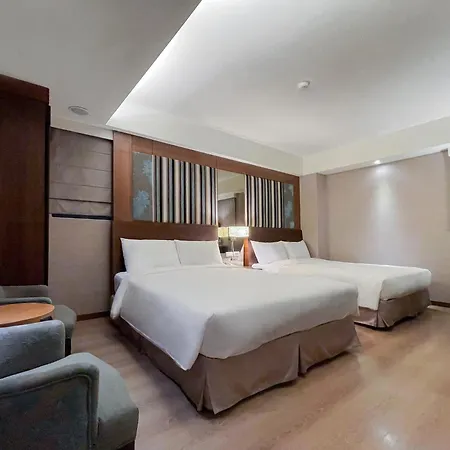
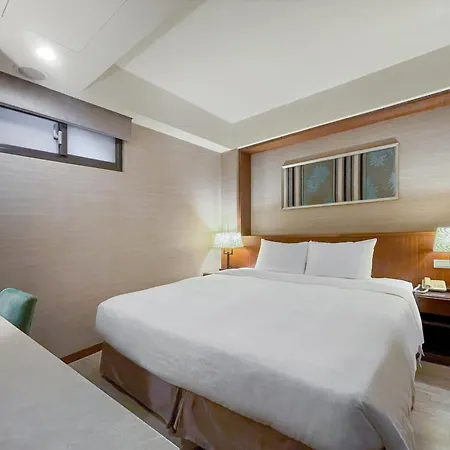
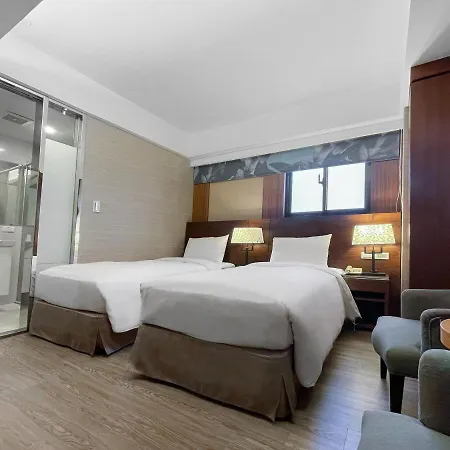
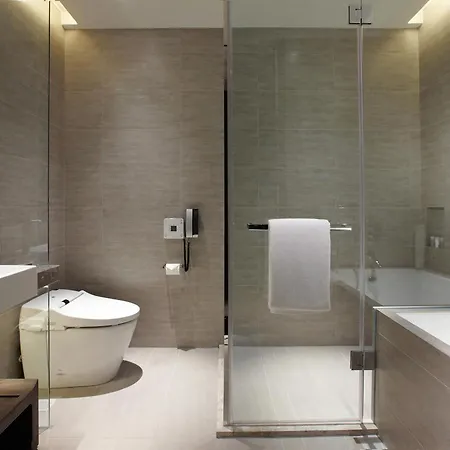
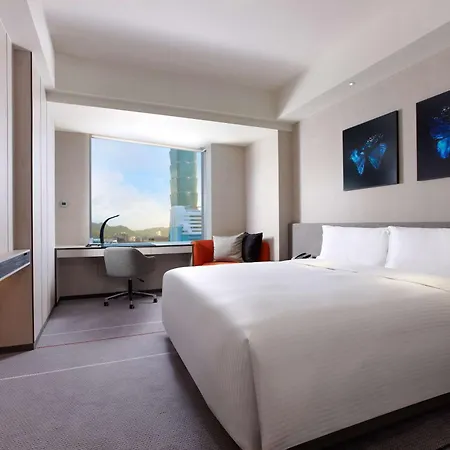
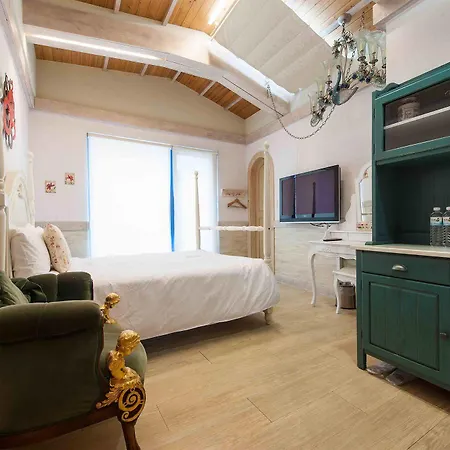
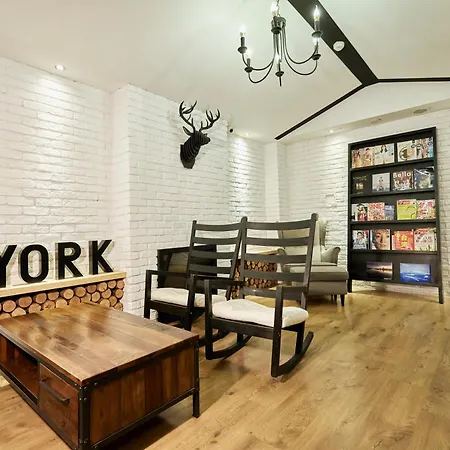
Certain rooms have soundproof windows along with a couch and a writing desk for guests' convenience. These elegant rooms also have a mini-bar and tea/coffee making equipment as well as an individual safe to keep your belongings safe. The private bathrooms are fitted with bath sheets and towels.
Location
The hotel is located 11 minutes' walk from GinGin Store, not very far from Taipower Building metro station. Gongguan, Taipei is 0.3 miles from the accommodation, and Huashan 1914 Creative Park is 1.7 miles away.
Eat
Guests can dine at Masala House located 400 feet away.
Rooms

Other Great Stays in TAIPEI






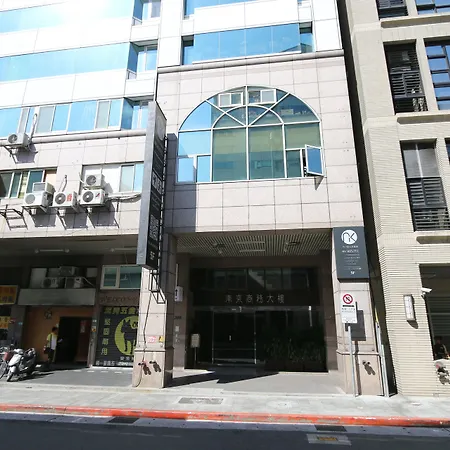
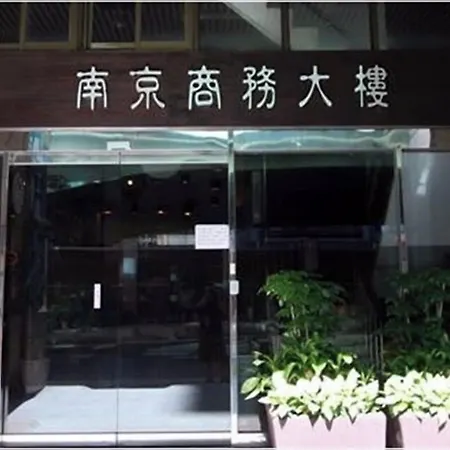

Facitilies
Facilities
- Flat-screen TV
Rooms
- Air conditioning
- Tea and coffee facilities
Services
- Paid airport shuttle
Reviews
Tourist VR
Categories
-
Cleanliness 7.5
-
Comfort 7.6
-
Facilities 7.4
-
Free WiFi 8
-
Location 8.8
-
Total 7.2
-
Value for money 7.3
Jean-Marie
Vernon
Lindsay
Yvonne
Florence
Discover Hotels Across the Taiwan
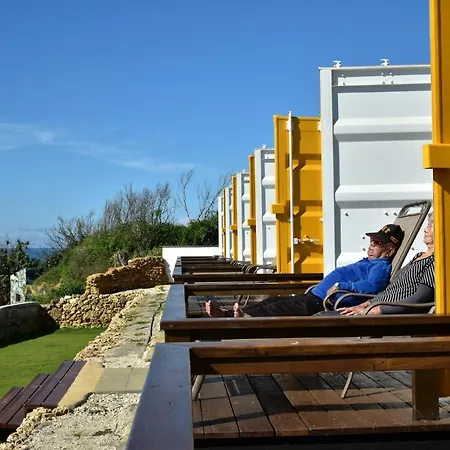
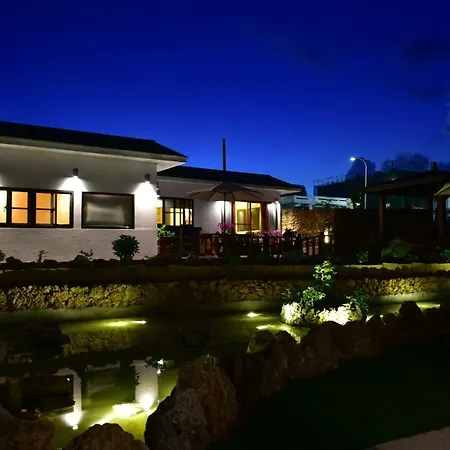


Location
- 1. 2/28 Peace Park 2.47 km (1.53 mi.)
- 2. Huashan 1914 Creative Park 2.56 km (1.59 mi.)
- 3. Daan Forest Park 1.78 km (1.11 mi.)
- 4. Nanmen Park of National Taiwan Museum 1.73 km (1.07 mi.)
- 5. Taipei Guest House 2.30 km (1.43 mi.)
- 6. National Chiang Kai-shek Memorial Hall 1.88 km (1.17 mi.)
- 7. Gongguan, Taipei 900 m (2953 ft)
- 8. Presidential Office Building 2.54 km (1.58 mi.)
- 9. Lungshan Temple 3.21 km (1.99 mi.)
- 1. Subway 420 m (1378 ft)
- 2. Wutsajiu Restaurant 470 m (1542 ft)
- 3. Tainan Eel Noodle 710 m (2329 ft)
- 4. Tai Da Niu Zhuang Eatery 290 m (951 ft)
- 5. Ching Shin Tea Stall 640 m (2100 ft)
- 6. Vegluu 390 m (1280 ft)
- 7. Niu Mo Wang Steak 370 m (1214 ft)
- 8. Tai Jie Tou 720 m (2362 ft)
- 9. Henry & Cary Chocolate & Confectionery 680 m (2231 ft)
- 1. Taipower Building 270 m (886 ft)
- 2. Guting 750 m (2461 ft)
- 3. Gongguan 1.10 km (3609 ft)
- 4. MRT Chiang Kai-shek Memorial Hall 1.67 km (1.04 mi.)
- 5. Roosevelt and Pucheng Intersection 90 m (295 ft)
- 6. Jinjiang & Shida Roads 200 m (656 ft)
- 7. Taipower Building 220 m (722 ft)
- 8. Shida Rd 350 m (1148 ft)
- 9. MRT Technology Building 2.20 km (1.37 mi.)


Address
View map98, Sec. 3, Roosevelt Rd
Key Features
Check-In:
from 15:00 until 23:59
Check-Out:
until 11:00
Contact Information
Contact phone
886223657367
Website
Visit hotel website