










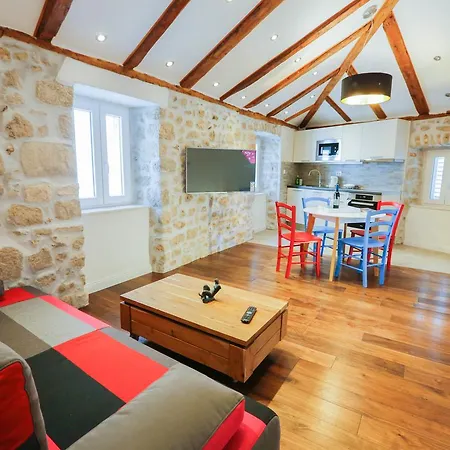
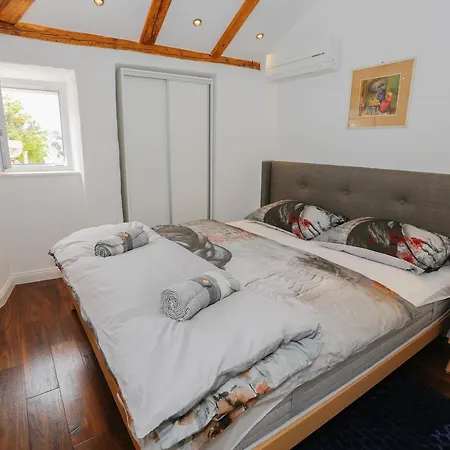
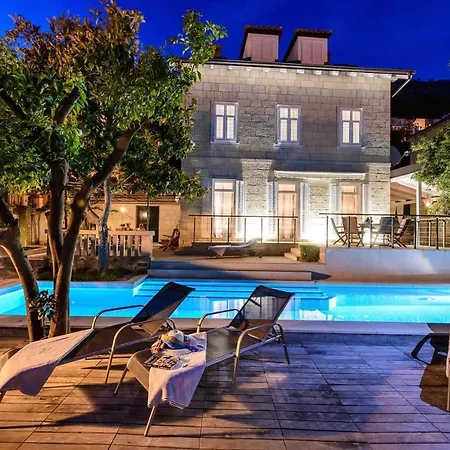
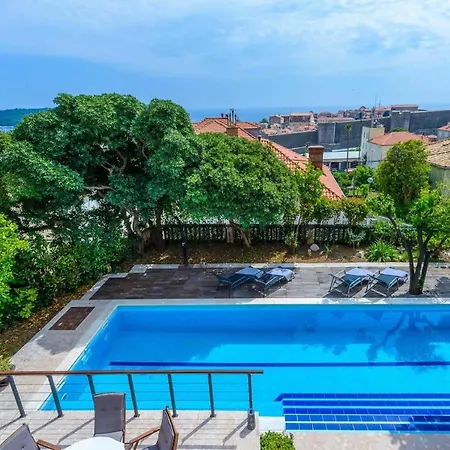
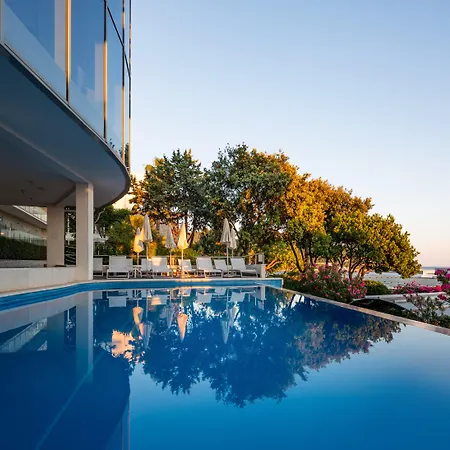
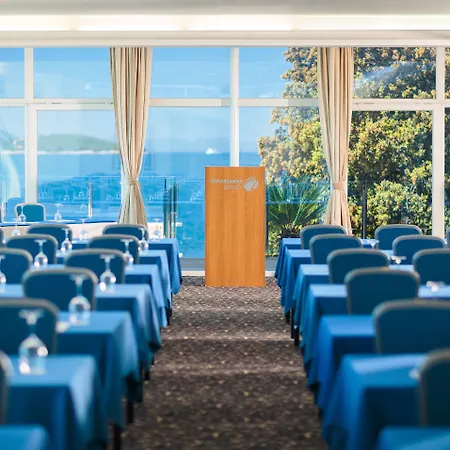

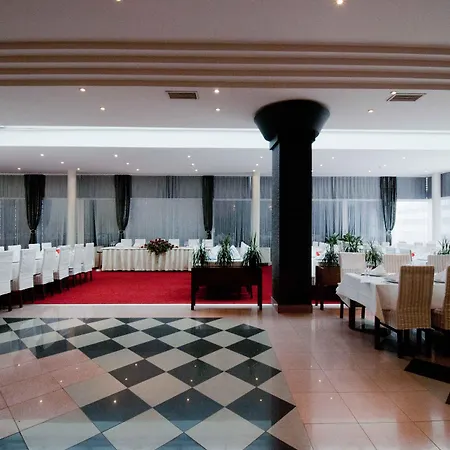

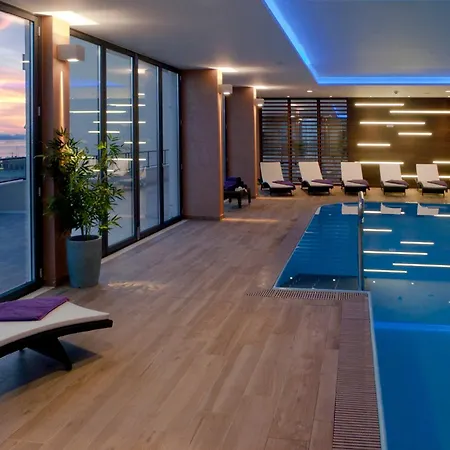






| Name of hotel | Accommodation Rating | Price, $ | |
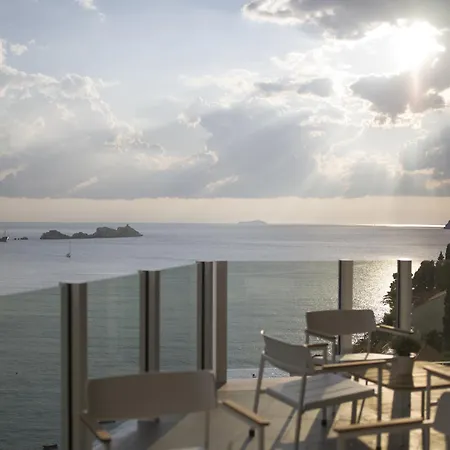
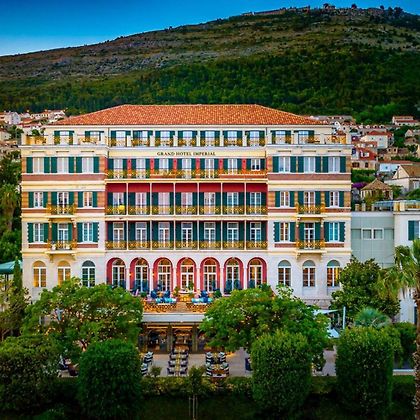
| Hilton Imperial Dubrovnik |
9.1 / 10 (913 Reviews) |
From 606US$ | |
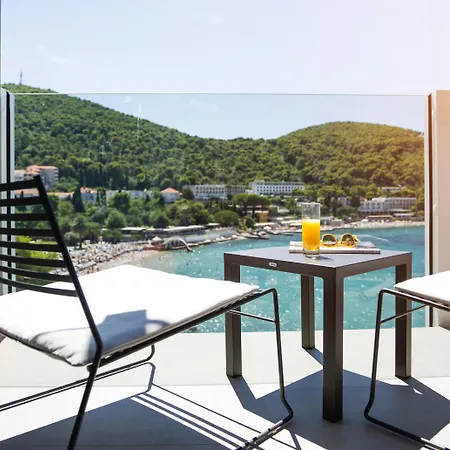
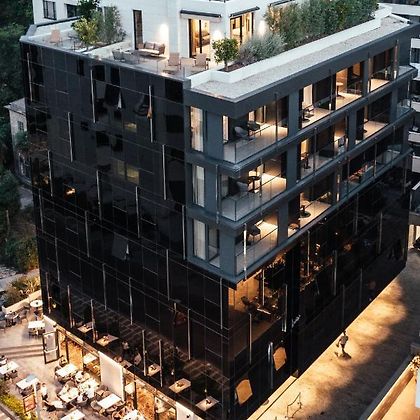
| City Hotel Dubrovnik |
8.9 / 10 (2029 Reviews) |
From 98US$ | |
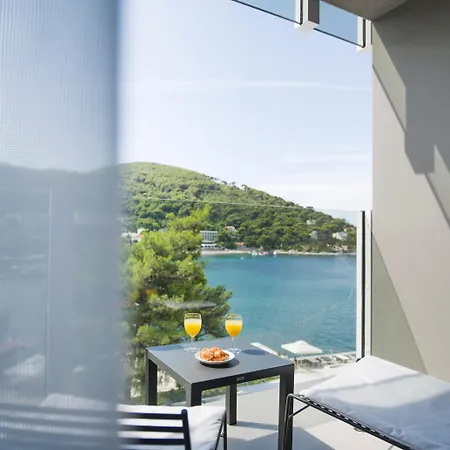
| Valamar Argosy Hotel |
8.8 / 10 (1650 Reviews) |
From 313US$ | |
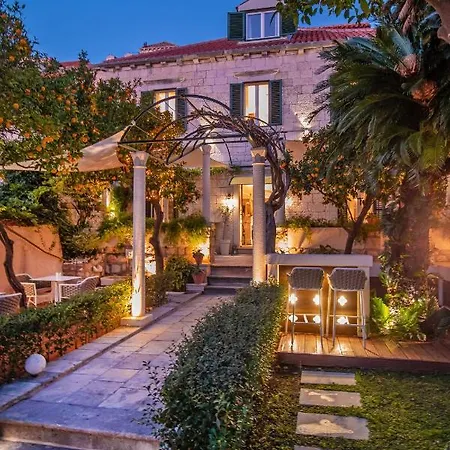
| Hotel Dubrovnik Palace |
9.1 / 10 (3041 Reviews) |
From 344US$ | |
| Royal Blue Hotel |
9.0 / 10 (1005 Reviews) |
From 235US$ |
Hilton Imperial Dubrovnik
From
City Hotel Dubrovnik
From
Luxurious Dubrovnik Hotels for Discerning Travelers
When it comes to indulgence and elegance, the luxurious Dubrovnik hotels collection is second to none. This section highlights exquisite accommodations that not only provide opulence but also stunning views of the Adriatic Sea and easy access to the city’s historic sites. Ideal for travelers looking to elevate their stay, these hotels offer a blend of comfort, sophistication, and top-notch amenities that make any visit memorable. Many of these establishments also incorporate local design elements, offering guests a taste of Croatian culture alongside modern luxuries. Whether it’s beachfront access, personalized concierge services, or lavish spa treatments, these hotels redefine luxury in Dubrovnik. Prepare to enjoy an unforgettable experience in some of the city’s finest lodgings.
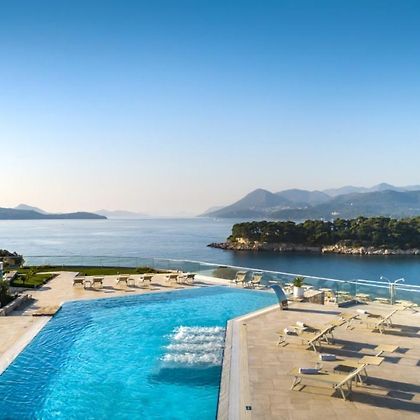
Valamar Argosy Hotel
From
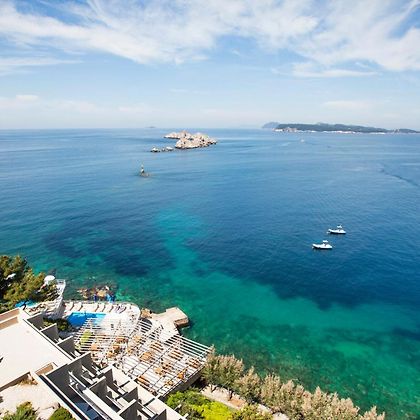
Hotel Dubrovnik Palace
From
Family-Friendly Dubrovnik Hotels
Traveling with family can be a rewarding experience, especially when choosing the right accommodations. This section focuses on family-friendly Dubrovnik hotels that offer spacious rooms, kid-friendly amenities, and unique activities suitable for all ages. These hotels prioritize family comfort with large accommodations, on-site facilities, and proximity to attractions that cater to children and adults alike. Families can enjoy the beautiful beaches, explore historical sites, and unwind in spacious, inviting environments suited for quality time together. Offering various activities and programs for children, these hotels ensure a memorable stay for every family member. Discover how these welcoming lodgings make family vacations enjoyable in the enchanting city of Dubrovnik.
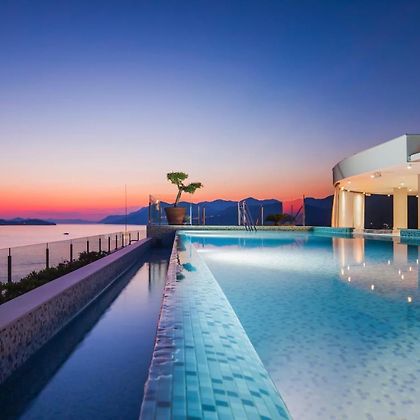
Royal Blue Hotel
From
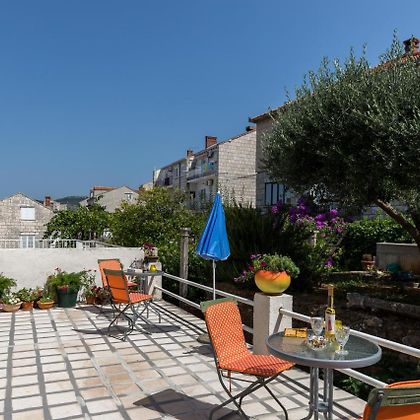
Guest House Bradas
From
Budget-Friendly Dubrovnik Hotels
Traveling on a budget doesn't mean you have to compromise on quality or comfort. In this section, we showcase budget-friendly Dubrovnik hotels that offer great value without sacrificing essential amenities and a welcoming atmosphere. These accommodations are perfect for travelers who want to experience all that Dubrovnik has to offer while keeping costs in check. Many feature convenient locations, enabling easy exploration of the city's iconic sights and beautiful beaches. With various options ranging from hostels to guesthouses, these hotels show that you can enjoy a fantastic stay while being budget-conscious. Discover how these affordable yet delightful lodgings make your stay in Dubrovnik enjoyable and stress-free.
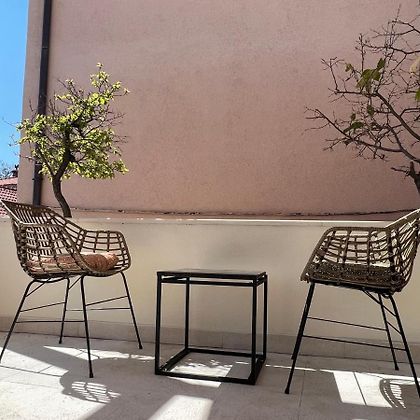
Boutique Villa Dorma
From
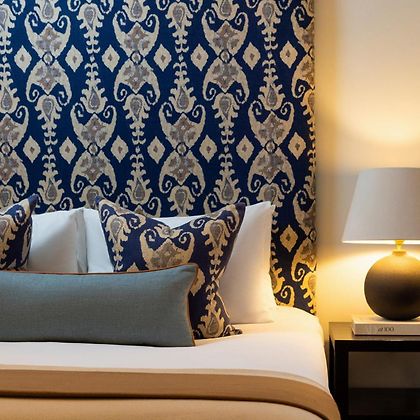
Boutique Hotel Stari Grad
From
Unique Boutique Dubrovnik Hotels
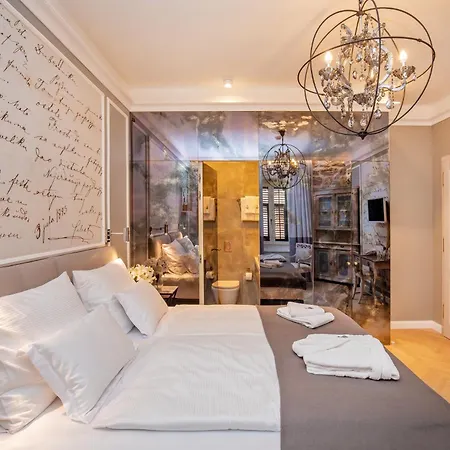
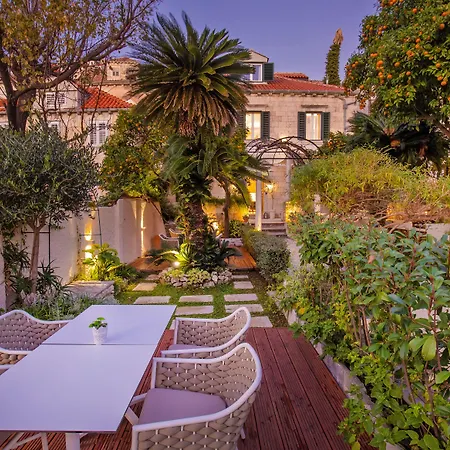
For those in search of something different, this section reveals unique boutique Dubrovnik hotels that offer an intimate and stylish ambiance. These accommodations typically provide personalized services and distinctive decor that reflect the local culture and history. Ideal for travelers looking to immerse themselves deeply in the unique character of Dubrovnik, these boutique hotels make for memorable stays. Featuring distinctive art pieces, cozy lounge areas, and local culinary experiences, these hotels are perfect for those who value individuality in their accommodations. When you choose a boutique hotel, you're guaranteed an experience that captures the spirit of Dubrovnik. Discover these uniquely designed lodgings that will enhance your visit to this charming city.
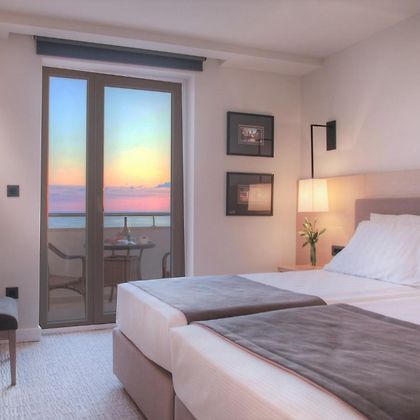
Royal Neptun Hotel
From
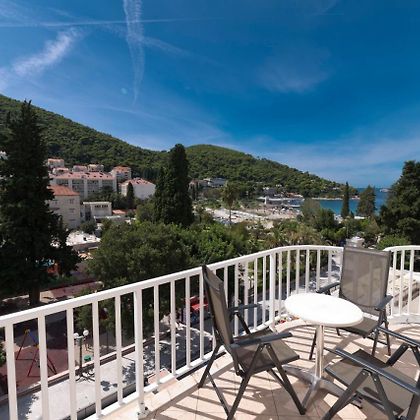
Hotel Perla
From
Romantic Dubrovnik Hotels for Couples
For couples seeking a romantic getaway, this section includes Dubrovnik hotels that provide enchanting atmospheres and stunning locations perfect for creating lasting memories. These establishments offer amenities and services designed to enhance the romantic experience, from intimate dining options to serene spa treatments. Whether you're celebrating a honeymoon, anniversary, or simply looking to escape, these hotels cater to couples desiring a peaceful and loving atmosphere. With beautiful views, luxurious accommodations, and proximity to Dubrovnik’s iconic spots, each hotel in this section helps set the stage for romance. Discover how these hotels in Dubrovnik can transform your stay into an unforgettable romantic journey.
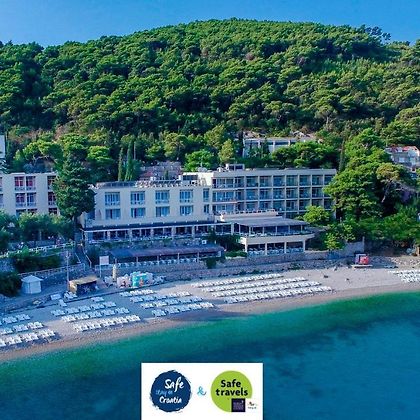
Hotel Vis
From
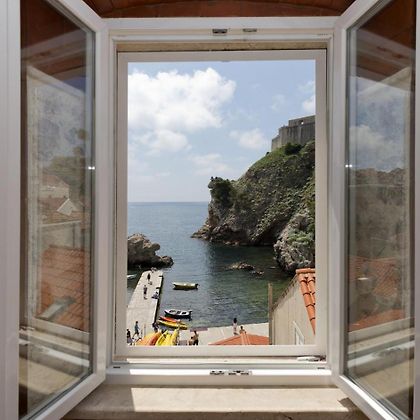
Eddie's Sea View Rooms Old Town
From
Dubrovnik Hotels with Spectacular Views
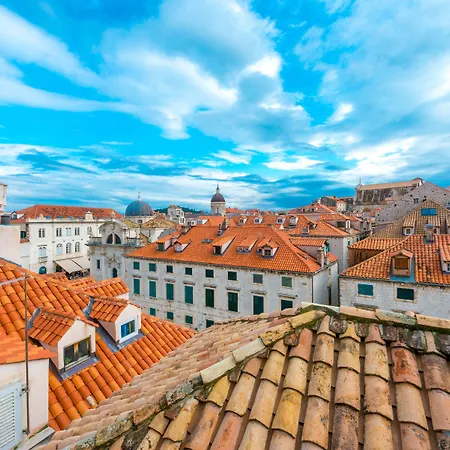
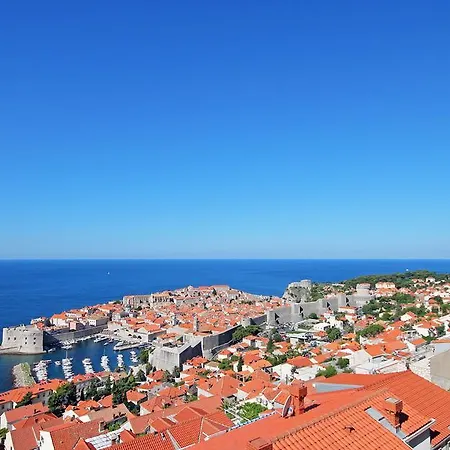
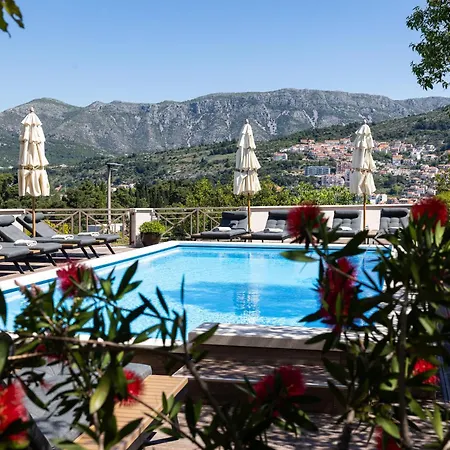
A trip to Dubrovnik wouldn’t be complete without soaking in its stunning views. This section highlights hotels that offer breathtaking vistas of the Adriatic Sea, historical architecture, or picturesque surroundings. Being able to witness the beauty of Dubrovnik from the comfort of your accommodation can significantly enhance your travel experience. These hotels often feature outdoor terraces, balconies, and restaurants specifically positioned to maximize your enjoyment of the stunning scenery. Enjoy your stay while taking in the captivating landscapes that make Dubrovnik one of the most photographed cities in the world. Discover how these hotels elevate your experience with their exceptional views.
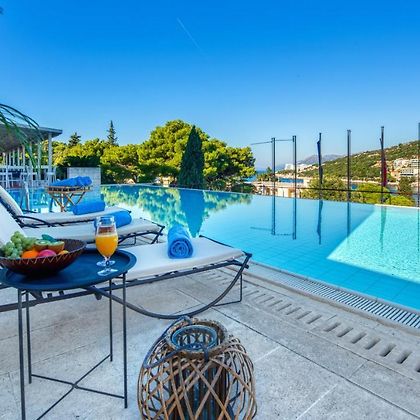
Hotel Uvala
From