


Adults:
Children:
Overview
- free parking
- free wifi
- family rooms
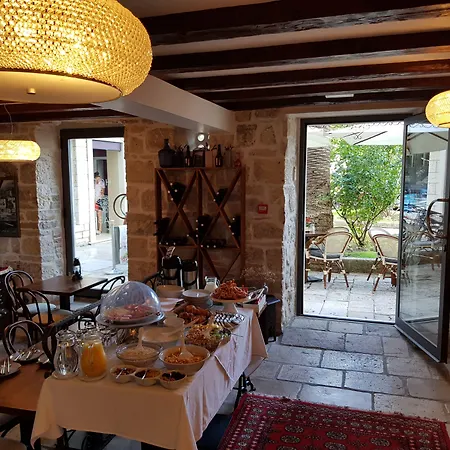
- wonderful breakfast
Intro
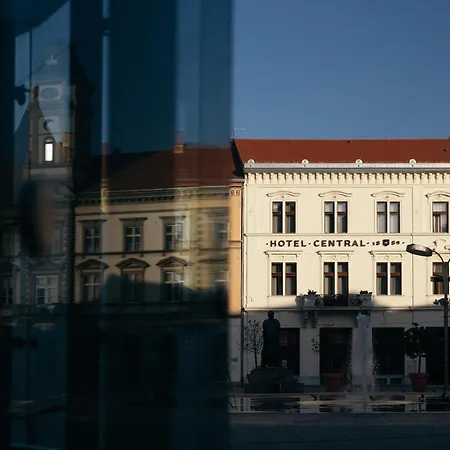
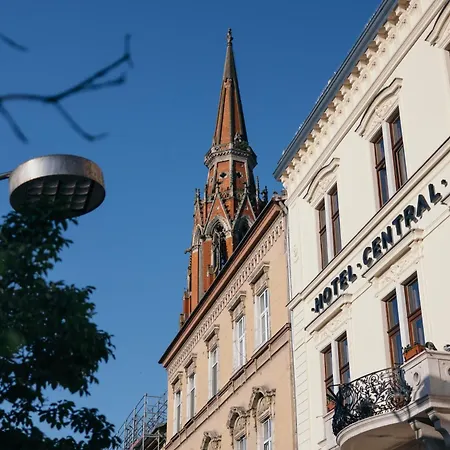
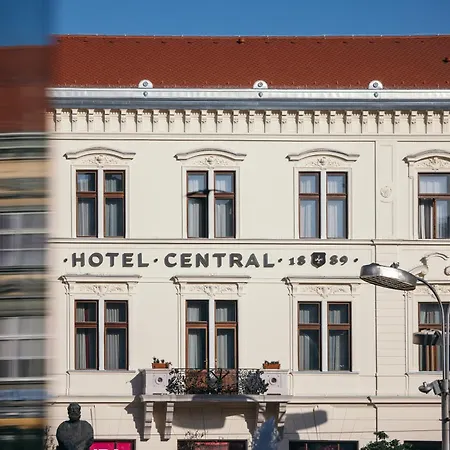
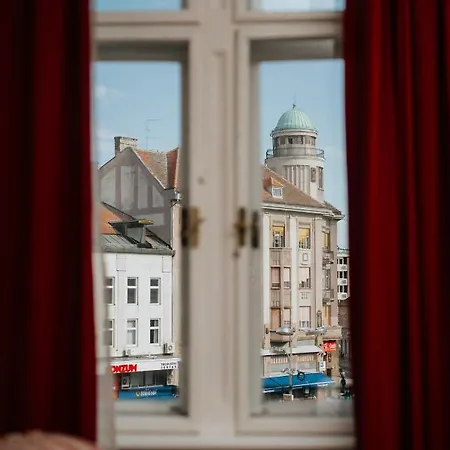
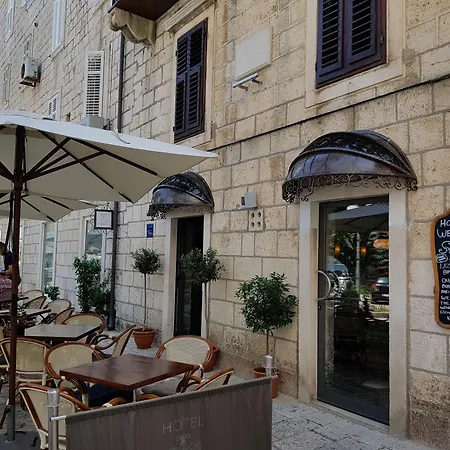
Offering a location a few steps from the central Ante Starcevic Square, the 2-star Hotel Central Osijek offers 33 rooms. A car park is available on site as well.
Rooms
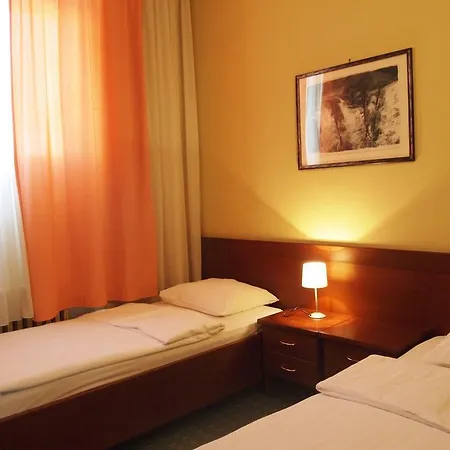
Some rooms are fitted with a private bathroom. This hotel offers rooms with view of the garden.
Location
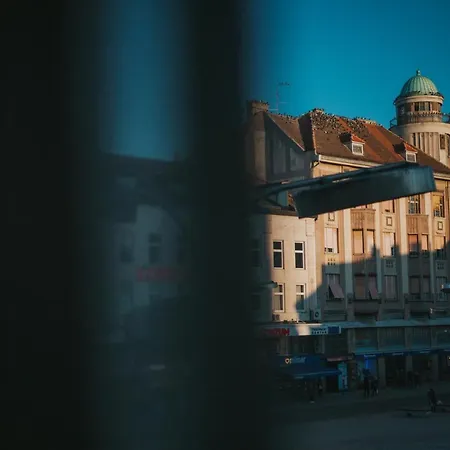
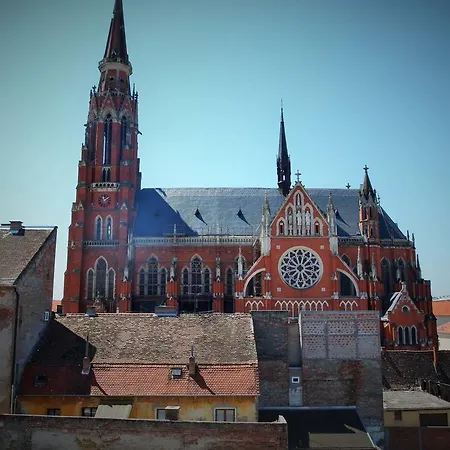
This hotel is located in the very heart of Osijek, near SS Peter and Paul and 25 minutes' stroll from Fico stomping tank Memorial Park. The Osijek hotel is also 0.8 miles from Drava.
Eat
The Osijek property is at arm's length from American bar Dollar and serves delectable meals.
Rooms
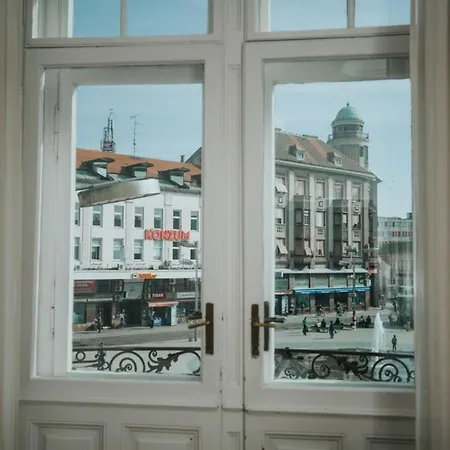

Facitilies
Facilities
- Flat-screen TV
- AM/FM alarm clock
Rooms
- Free Wi-Fi in rooms
- Air conditioning
- Heating
- Garden furniture
- Ironing facilities
Services
- Housekeeping
- Laundry
Relax
- Garden area
- Cycling
Activities for Kids
- Children's buffet
Reviews
Tourist VR
Categories
-
Cleanliness 8.9
-
Comfort 8.8
-
Facilities 8.2
-
Free WiFi 9
-
Location 9.8
-
Total 8.7
-
Value for money 8.9
Alex
Howard
Maria
Gord
James
Radoslav
Sidney
Discover Hotels Across the Croatia

Location
- 1. Museum of Slavonia 2.05 km (1.27 mi.)
- 2. Perivoj kralja Tomislava 1.61 km (1.00 mi.)
- 3. Pedestrian bridge 1.36 km (4462 ft)
- 4. Fico stomping tank 2.19 km (1.36 mi.)
- 5. KUNA travel 580 m (1903 ft)
- 6. Church of St. Demetrius 1.51 km (4954 ft)
- 7. Trg Svetog Trojstva 2.09 km (1.30 mi.)
- 1. Hokus Okus 400 m (1312 ft)
- 1. Dakovstina 720 m (2362 ft)
- 2. Okretiste - ZOO 1.31 km (4298 ft)
- 3. Dunavska ul 1.39 km (4560 ft)
- 4. Zagrebacka ul 1.48 km (4856 ft)
- 5. Autobusni kolodvor Osijek 1.28 km (4199 ft)


Address
View mapTrg Ante Starcevica 6
Key Features
Check-In:
from 13:00 until 23:59
Check-Out:
from 07:00 until 12:00
Contact Information
Website
Visit hotel website