


Adults:
Children:
Overview
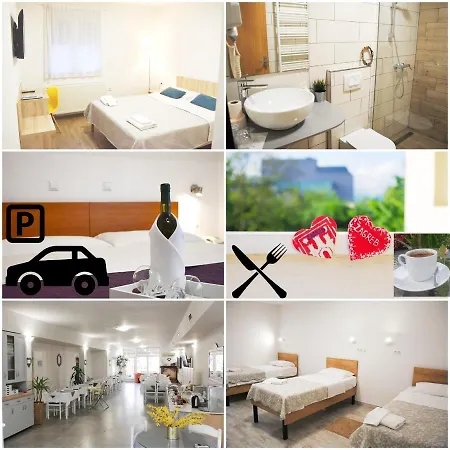
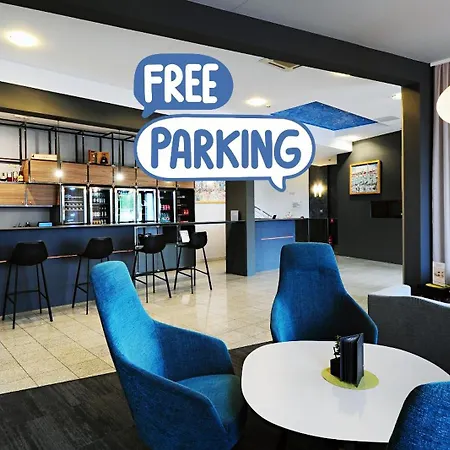
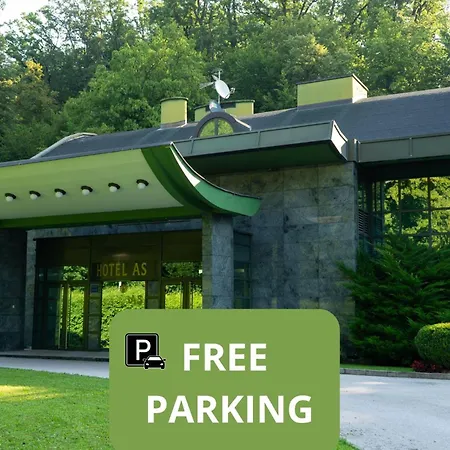
- free parking
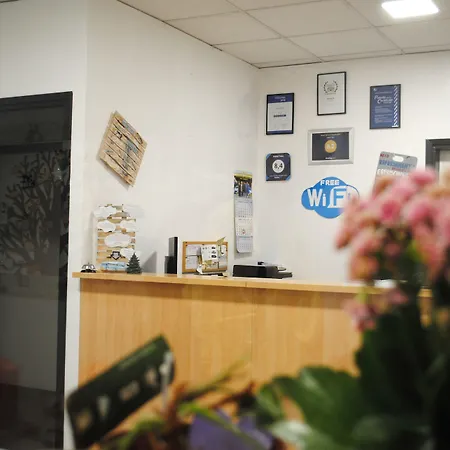
- free wifi
- family rooms
- airport shuttle
- non-smoking rooms
- 24-hour front desk
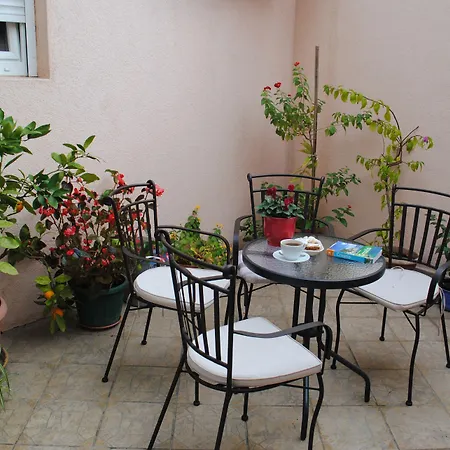
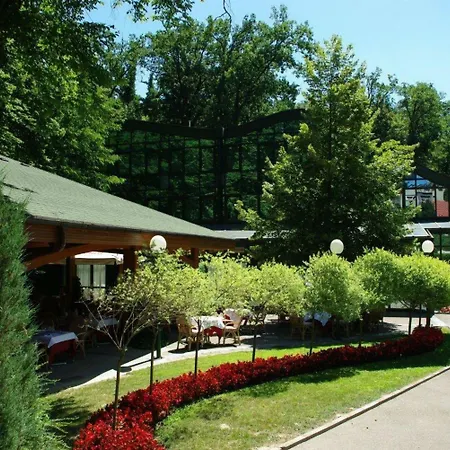
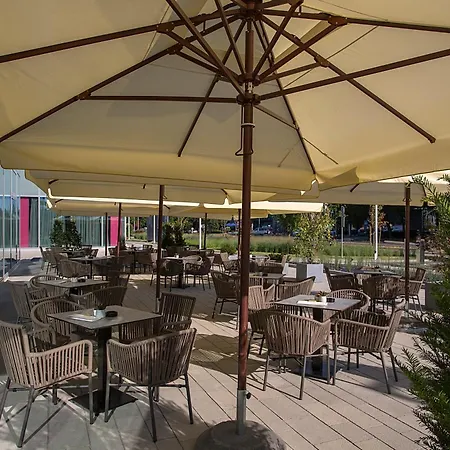
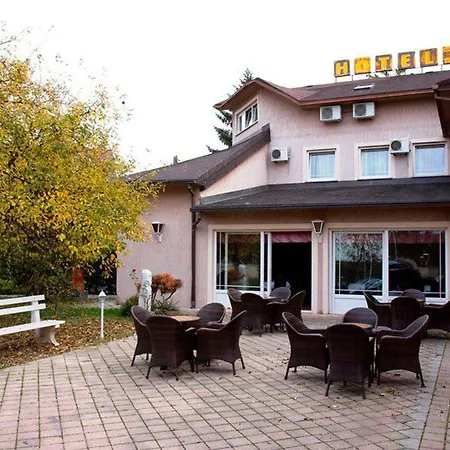
- terrace
- laundry
- bar
- very good breakfast
Intro
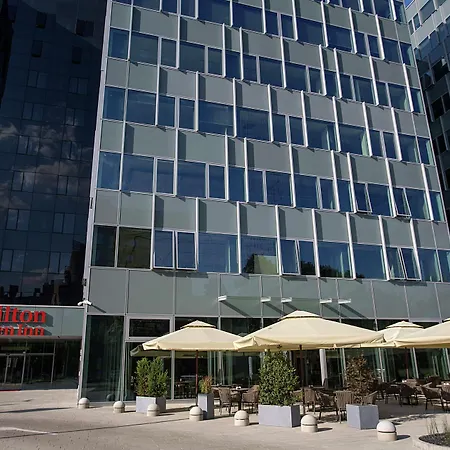
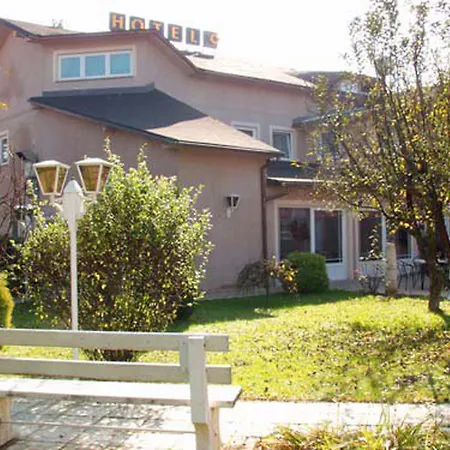
Situated approximately 10 minutes' drive from British Square, Hotel Fala Zagreb features Wi-Fi throughout the property, and a car park on site. Located 1.6 miles from a convenient place to store such as Ban Josip Jelacic Square, this Zagreb hotel provides 24 rooms.
Rooms
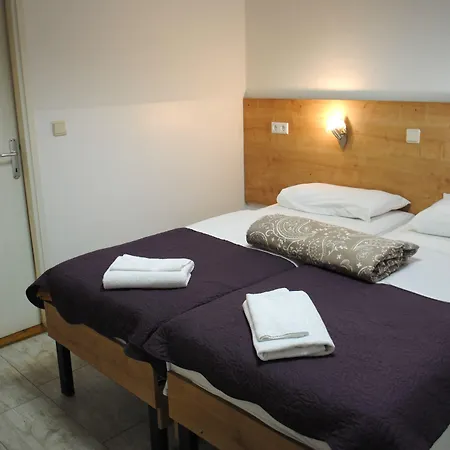
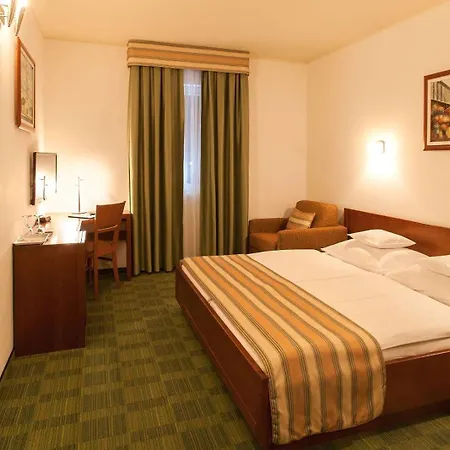
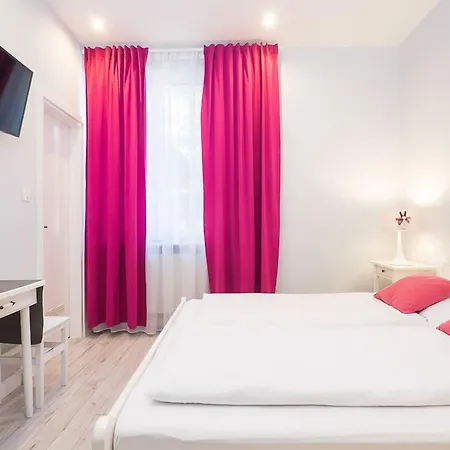
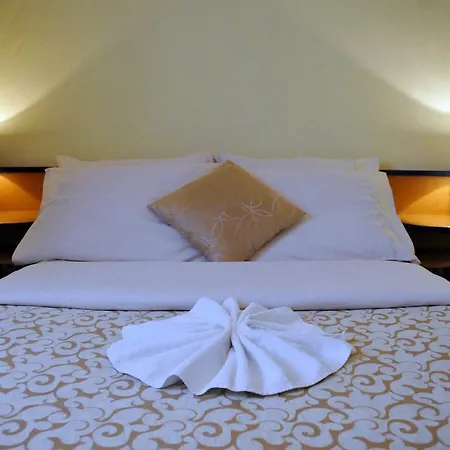
Some of the air-conditioned rooms feature a flat-screen TV with satellite channels as well as a mini refrigerator. Guests can use a walk-in shower and a separate toilet, along with a hairdryer and bath sheets.
Relax
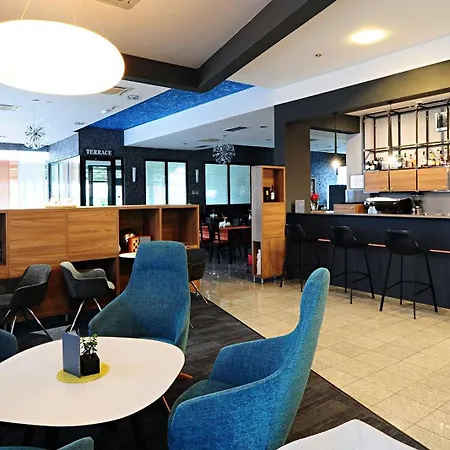
The accommodation features a shared lounge and various recreational opportunities as well.
Location
The center of Zagreb can be reached within a 25-minute walk, and natural attractions like Bundek City Park are around a 25-minute walk away. Museum Of Illusions in Zagreb is 1.7 miles from the family-managed Fala.
Eat
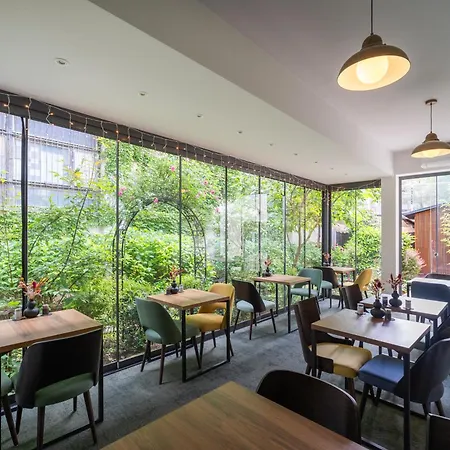
Guests can enjoy the lounge bar on premises. It also features a lounge area for guests' comfort. Nearby restaurants, including Bamboo is 18 minutes by foot from the non-smoking hotel.
Rooms
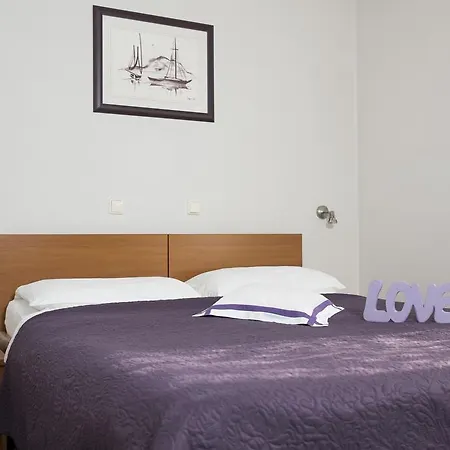
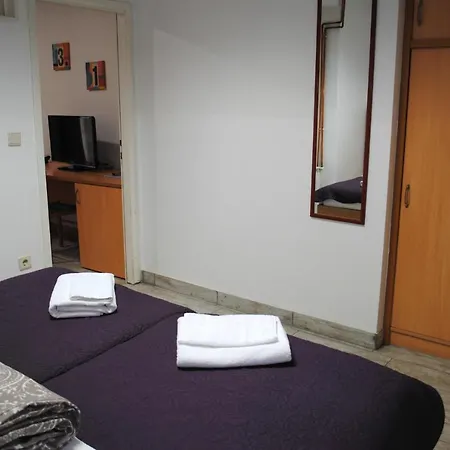
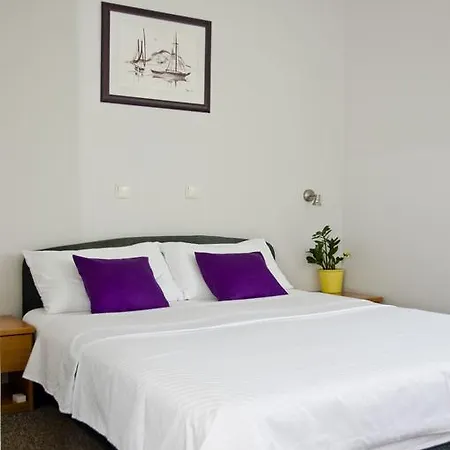
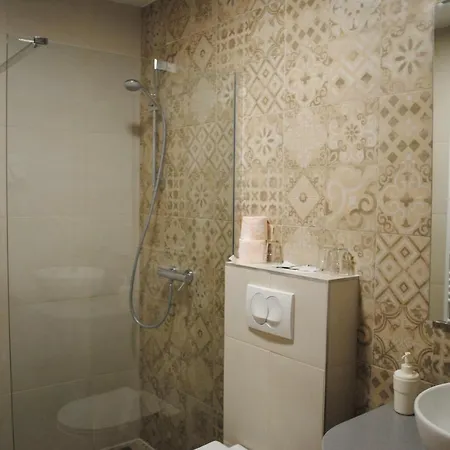
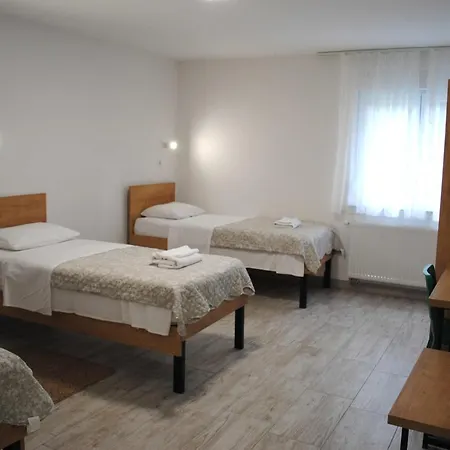
Other Great Stays in ZAGREB
Facitilies
Facilities
- Flat-screen TV
- AM/FM alarm clock
Rooms
- Air conditioning
- Heating
- Terrace
- Garden furniture
- Ironing facilities
Dining facilities
- Bar/ Lounge area
- Electric kettle
Services
- Paid airport shuttle
- Housekeeping
- Car hire
- Laundry
- Tours/Ticket assistance
Relax
- Garden area
- Leisure/ TV room
- Cycling
- Tennis court
Activities for Kids
- Cots
Reviews
Tourist VR
Categories
-
Cleanliness 8.4
-
Comfort 8.1
-
Facilities 7.7
-
Free WiFi 8.2
-
Location 8
-
Total 7.9
-
Value for money 8.2
Graham
Carolyn
Ted
Discover Hotels Across the Croatia





Location
- 1. Stone Gate 2.46 km (1.53 mi.)
- 2. Art Pavillion in Zagreb 1.70 km (1.06 mi.)
- 3. St. Mark's Church 2.52 km (1.57 mi.)
- 4. Archaeological Museum in Zagreb 2.06 km (1.28 mi.)
- 5. Ban Josip Jelacic Square 2.16 km (1.34 mi.)
- 6. Saint Mark's Square 2.55 km (1.58 mi.)
- 7. The Well of Life 1.94 km (1.21 mi.)
- 8. Zagreb City Museum 2.76 km (1.71 mi.)
- 9. Museum of Contemporary Art 2.14 km (1.33 mi.)
- 1. Nacionalna sveucilisna knjiznica 250 m (820 ft)
- 2. Lisinski 710 m (2329 ft)
- 3. Vrbik 800 m (2625 ft)
- 4. Vrbik 960 m (3150 ft)
- 5. Zagreb Central 2.10 km (1.30 mi.)
- 6. Autobusni kolodvor Zagreb 2.17 km (1.35 mi.)


Address
View mapTrnjanske Ledine Ii. 18
Key Features
Check-In:
from 14:00 until 23:59
Check-Out:
from 03:00 until 11:00
Contact Information
Contact phone
38516111062
Website
Visit hotel website