


Adults:
Children:
Overview
- free wifi
- family rooms
- non-smoking rooms
- 24-hour front desk
- tea/coffee maker in all rooms
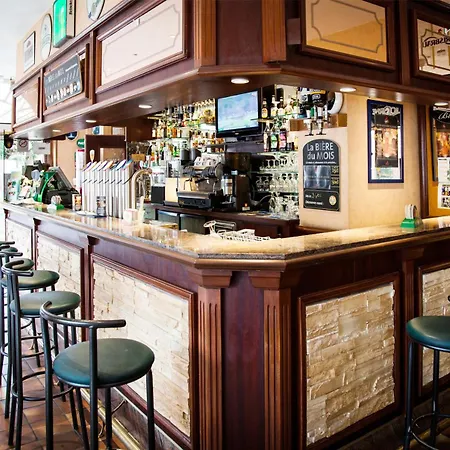
- bar
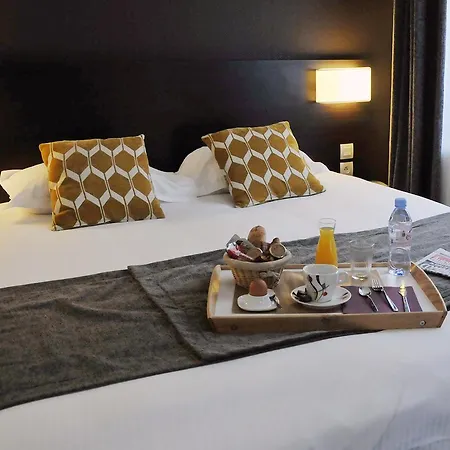
- very good breakfast
Intro
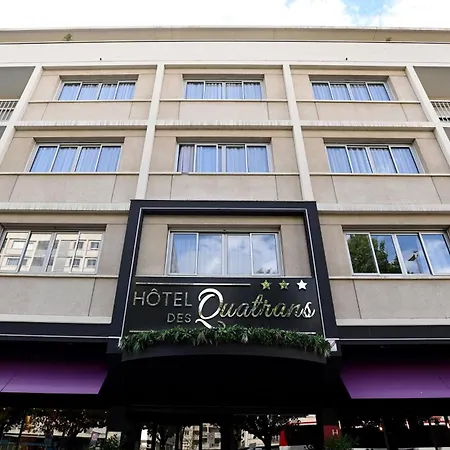
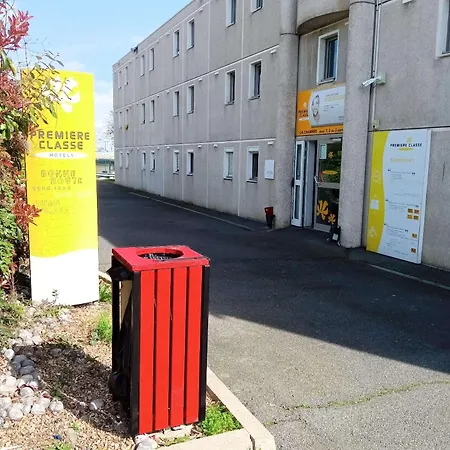
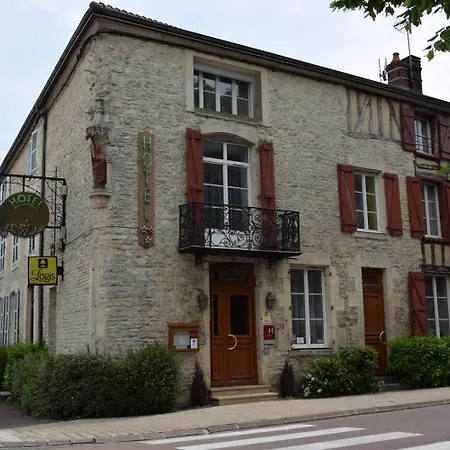
Located just 8 minutes' stroll from Vaugueux, Hotel Des Quatrans Caen offers tour/ticket assistance to ensure you have an unforgettable travel experience. The 3-star hotel is a good starting point for Caen's sports attractions, including Michel d'Ornano Stadium, which is 1.6 miles away.
Rooms
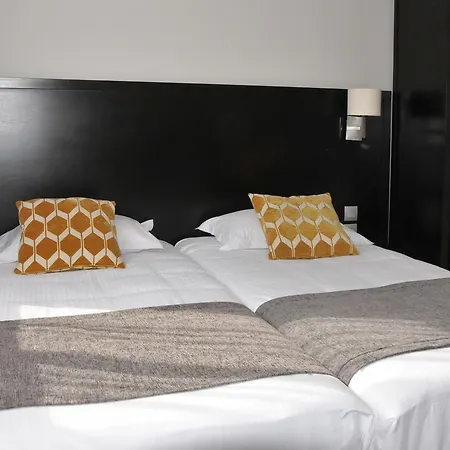
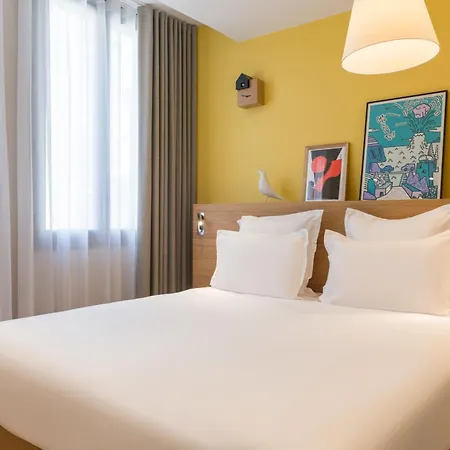
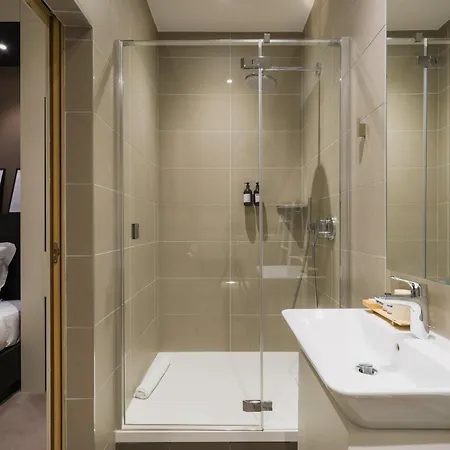
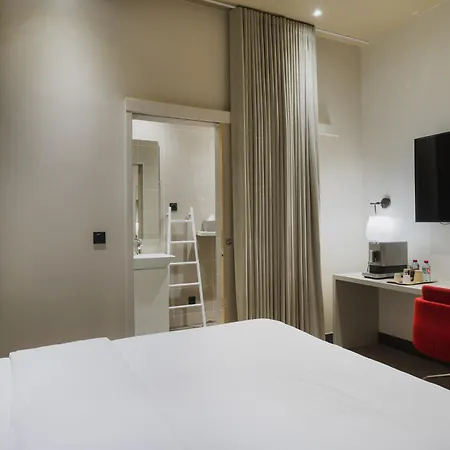
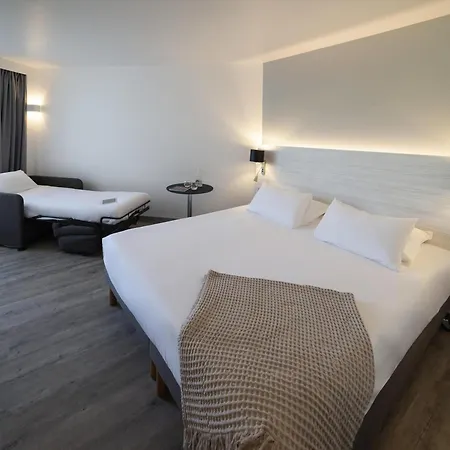
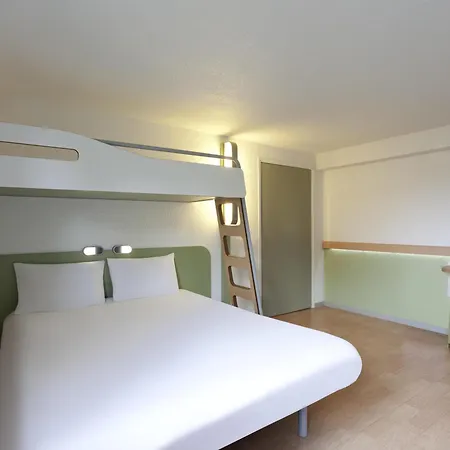
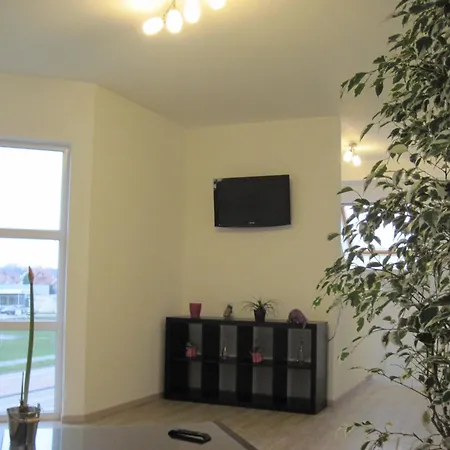
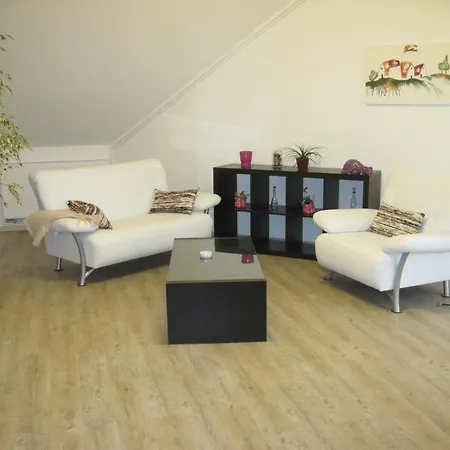
You can choose from one of the 38 smoke-free rooms with free Wi-Fi and a flat-screen TV, and self-catering amenities like a coffee maker. Bathrooms have a separate toilet and a shower, along with hair dryers and towels. Guests can enjoy rooms with views of the urban.
Location
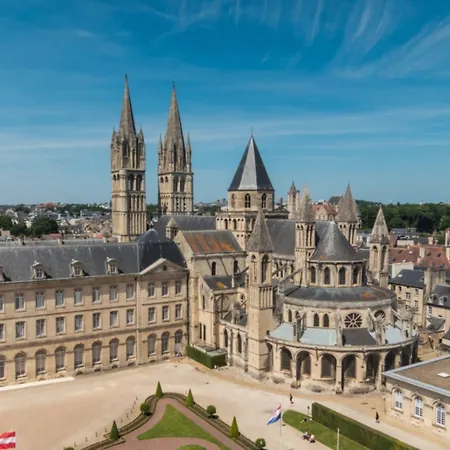
The Caen hotel has a central setting within reach of Vallee des Jardins, while natural sights like Jardin des plantes de Caen Botanical Garden are about 10 minutes' stroll away. Located 0.2 miles from Eglise Saint-Pierre, the smoke-free Des Quatrans is a stone's throw from Museum of Fine Arts of Caen.
Eat
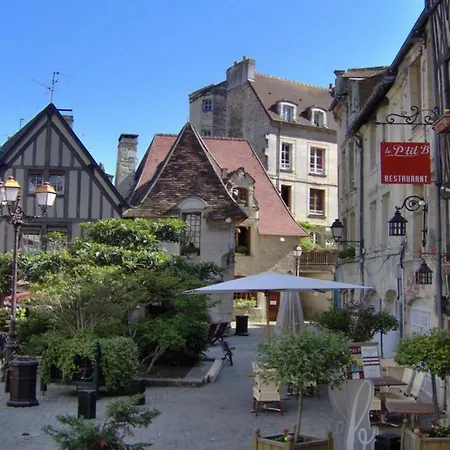
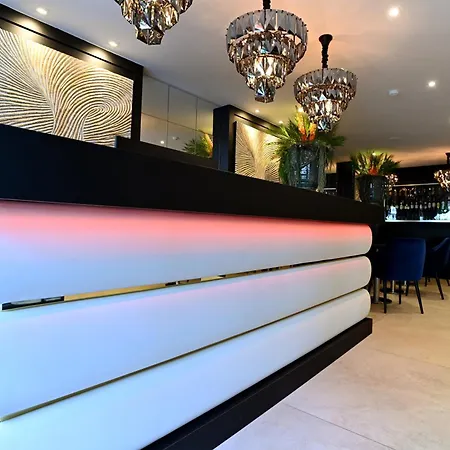
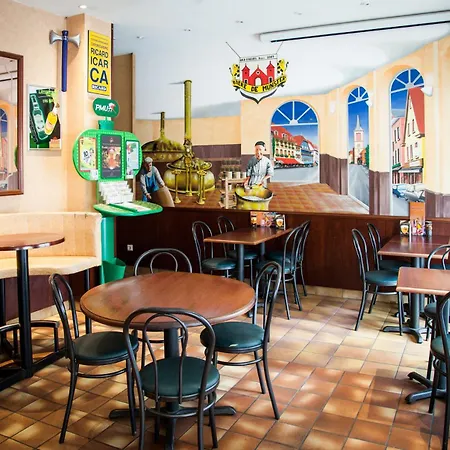
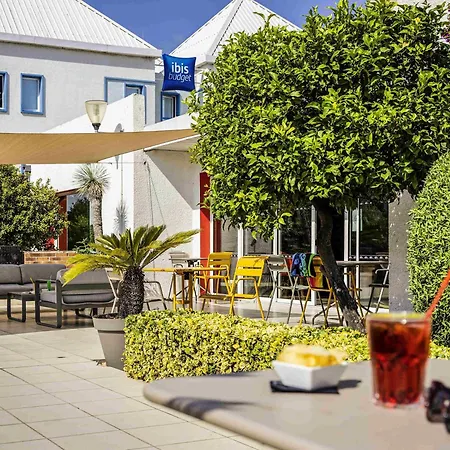
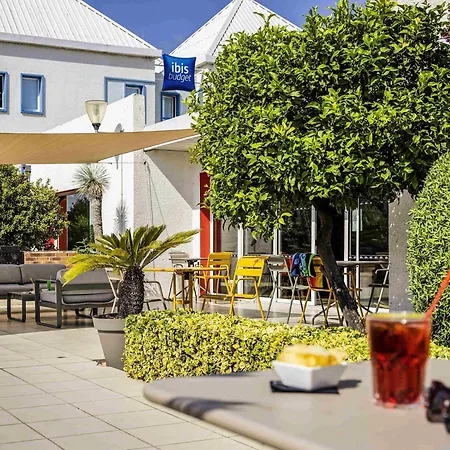
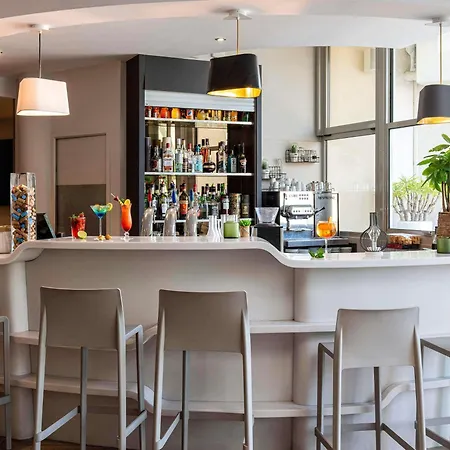
There is also a lounge bar. The nearby dining opportunities include L'ilot Jardin, which is only a few steps from the hotel.
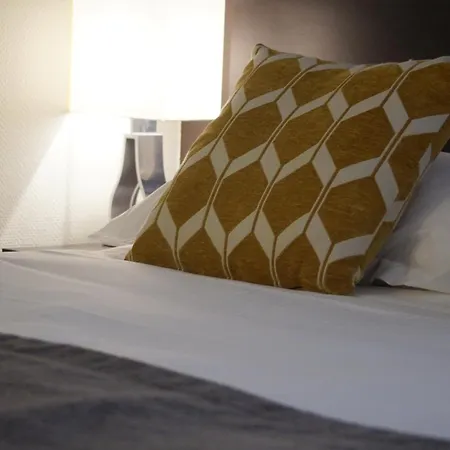
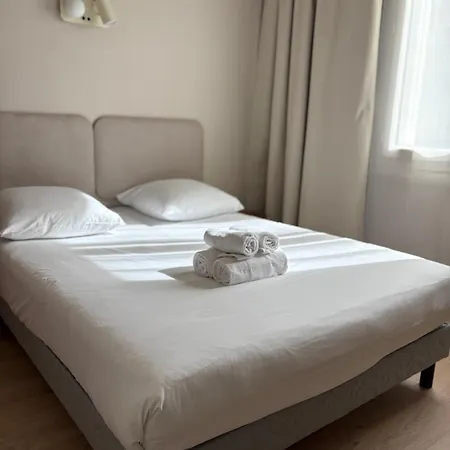
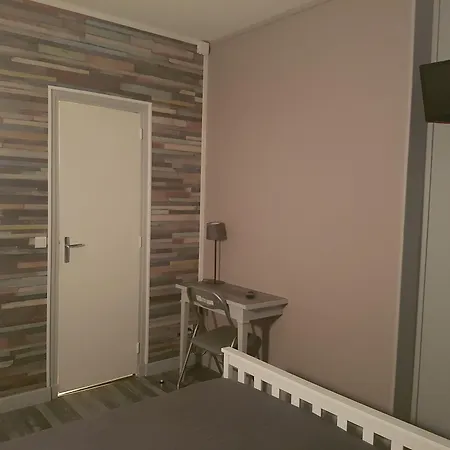
Rooms
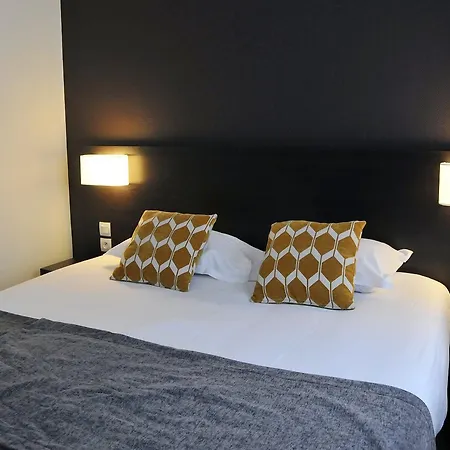
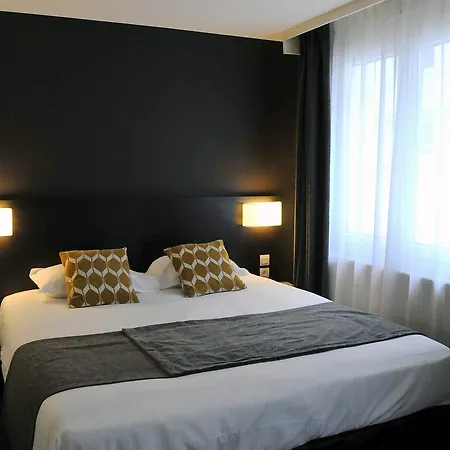
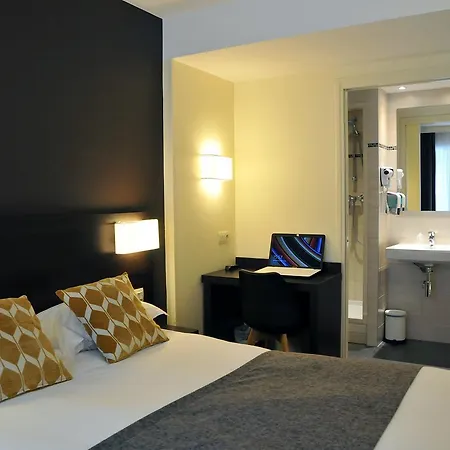
Other Great Stays in CAEN

Facitilies
Facilities
- Flat-screen TV
- AM/FM alarm clock
Rooms
- Heating
- Tea and coffee facilities
Dining facilities
- In-room breakfast
- Bar/ Lounge area
- Electric kettle
Activities for Kids
- Cots
Reviews
Tourist VR
Categories
-
Cleanliness 8.5
-
Comfort 8.3
-
Facilities 8
-
Free WiFi 8.5
-
Location 9
-
Total 7.9
-
Value for money 8
Natasha
Andrea
Leah
Ina
Earl
Discover Hotels Across the France



Location
- 1. Jardin des plantes de Caen 920 m (3018 ft)
- 2. Abbey of Saint-Etienne 780 m (2559 ft)
- 3. Maison des Quatrans 160 m (525 ft)
- 4. Abbey of Sainte-Trinite 1.10 km (3609 ft)
- 5. Monastere de la Visitation 830 m (2723 ft)
- 6. Church of Saint-Etienne-le-Vieux 480 m (1575 ft)
- 7. Museum of Fine Arts of Caen 740 m (2428 ft)
- 1. Cafe des Quatrans 250 m (820 ft)
- 2. Le Triple V 240 m (787 ft)
- 3. Mian Mian 420 m (1378 ft)
- 4. Le P'tit Chou Normand Boulanger Patissier 380 m (1247 ft)
- 5. Columbus Cafe & Co 620 m (2034 ft)
- 6. La Perle du Liban 270 m (886 ft)
- 7. Patisserie Boulangerie Pean 410 m (1345 ft)
- 8. Coffea 380 m (1247 ft)
- 9. Changshou 390 m (1280 ft)
- 10. Bistrot Saigon 230 m (755 ft)
- 1. Chateau-Quatrans 310 m (1017 ft)
- 2. Misericorde 430 m (1411 ft)
- 3. Place de la Mare 460 m (1509 ft)
- 4. Place Saint-Martin 610 m (2001 ft)
- 5. Caen 2.05 km (1.27 mi.)


Address
View map17 Rue Gemare
Key Features
Check-In:
from 15:00 until 23:30
Check-Out:
from 07:00 until 11:00
Contact Information
Contact phone
33231862557
Website
Visit hotel website