


| Name of hotel | Accommodation Rating | Price, $ | |
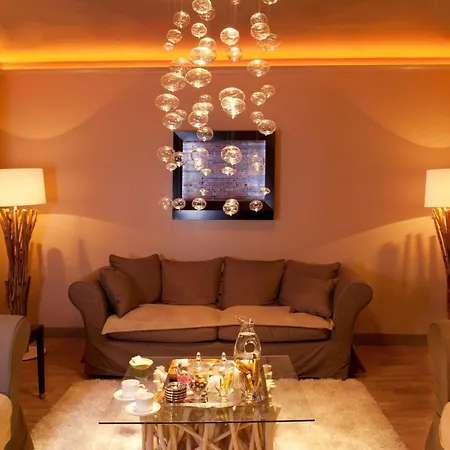
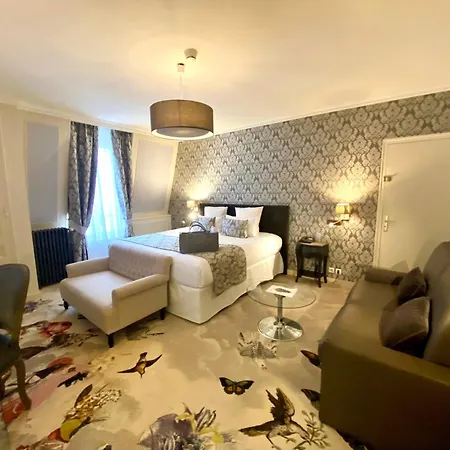
| The Originals Boutique, Hotel Les Poemes De Chartres |
8.2 / 10 (2109 Reviews) |
From 121US$ | |
| Le Parvis |
8.8 / 10 (1406 Reviews) |
From 118US$ | |
| Ibis Budget Chartres |
7.5 / 10 (1351 Reviews) |
From 48US$ | |
| Kyriad Chartres |
8.2 / 10 (1675 Reviews) |
From 61US$ | |
| Novotel Chartres |
8.1 / 10 (1317 Reviews) |
From 124US$ |
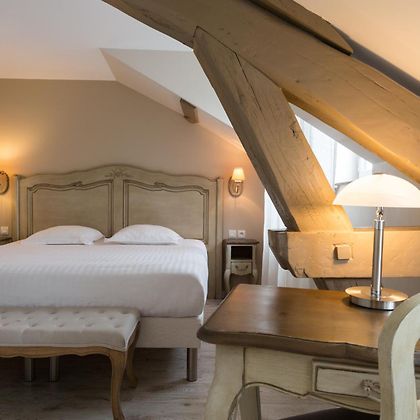
The Originals Boutique, Hotel Les Poemes De Chartres
From
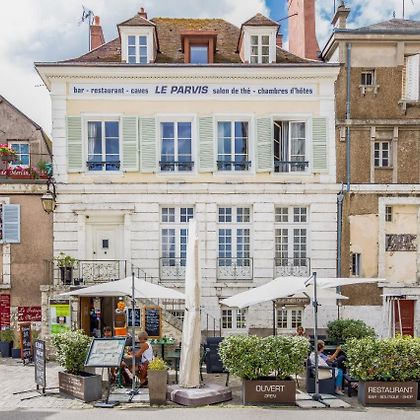
Le Parvis
From
Budget-Friendly Hotel Chartres
When traveling to Chartres, budget considerations often play a significant role in accommodation choices. These hotels provide great value for money, ensuring you can explore the historical town without breaking the bank. Many are located close to the city center, allowing you to experience local attractions easily. Each hotel featured here is equipped with essential amenities, making them ideal for both short and extended stays. With strategically set prices, these budget-friendly hotels in Chartres are a perfect base for your adventures.
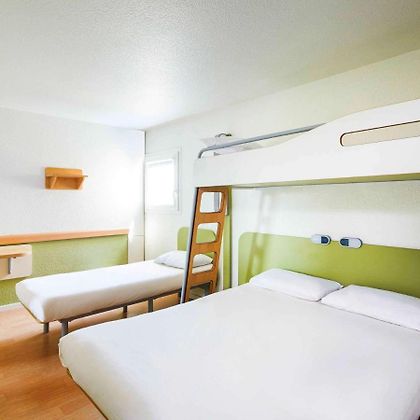
Ibis Budget Chartres
From
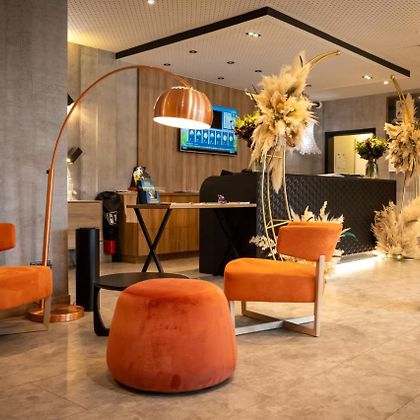
Kyriad Chartres
From
Charming Boutique Hotel Chartres
If you are seeking a more intimate experience during your visit to Chartres, charming boutique hotels offer a unique blend of character and comfort. They allow guests to immerse themselves in the local culture while enjoying authentic French hospitality. Often adorned with local art and decor, these hotels showcase the rich history and charm that Chartres is known for. Each boutique hotel reflects the essence of the city, creating a memorable atmosphere for every traveler. Whether you are on a romantic getaway or a solo adventure, these hotels are a beautiful choice to enhance your experience in Chartres.
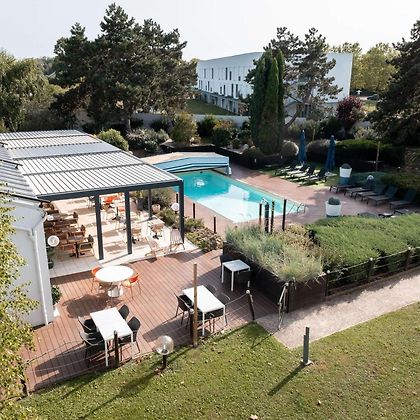
Novotel Chartres
From
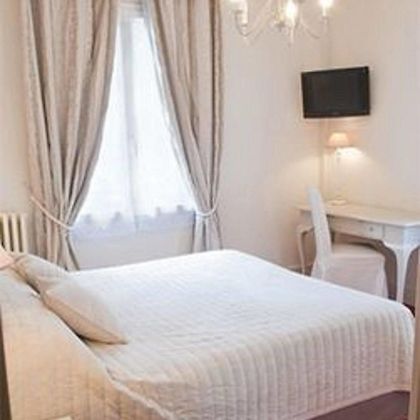
Hotel Le Boeuf Couronne Chartres
From
Family-Friendly Hotel Chartres
Traveling with family comes with its own set of needs, and finding the right accommodations can make all the difference in ensuring a memorable trip. These selections prioritize comfort and convenience, offering options such as play areas, family suites, and easy access to local attractions. Many also provide accommodations that allow pets, making these hotels perfect for families traveling with furry friends. Each family-friendly hotel in this guide supports an enjoyable and engaging experience for guests of all ages. With these options, you can relax knowing your family is well-catered for during your stay in Chartres.
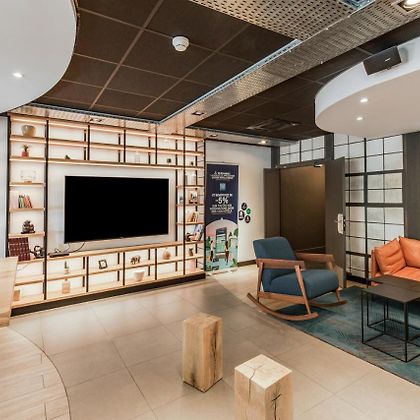
Campanile Chartres Centre
From
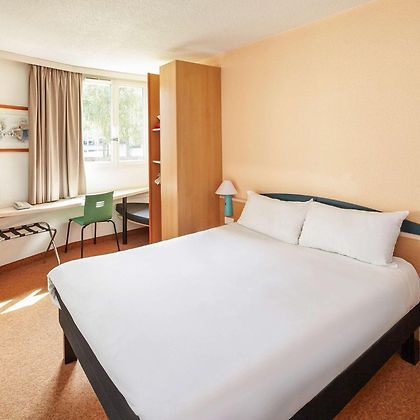
Ibis Chartres Ouest Luce
From
Luxury Hotel Chartres
For those seeking an elevated experience during their stay in Chartres, luxury hotels provide sophistication and world-class amenities. Each hotel showcases elegance and attention to detail, providing a perfect retreat after a day of exploring the town's rich history. Guests can enjoy stunning views, exquisite décor, and tailored services, all designed to make their stay unforgettable. Choosing a luxury hotel in Chartres elevates your travel experience, allowing you to indulge in the finer things while immersed in the town’s beauty. Discover these high-end options that redefine comfort and hospitality in this charming French town.
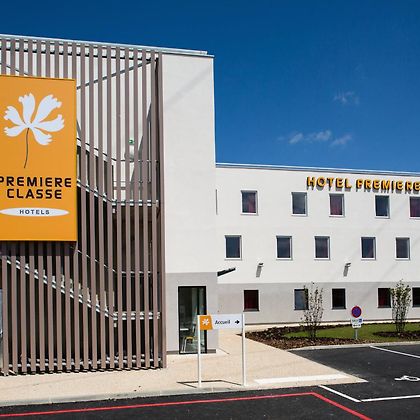
Premiere Classe Chartres Sud
From
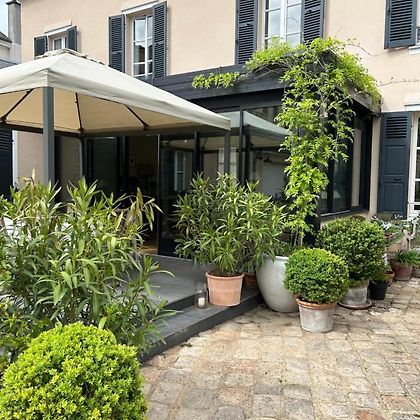
Le Jardin Cathedrale
From
Historic Hotel Chartres
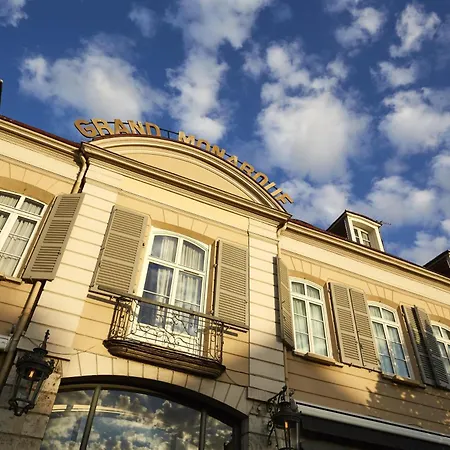
For history enthusiasts, staying in a hotel rich in the past can greatly enhance the overall experience of visiting Chartres. These hotels are often located in centuries-old buildings, providing guests with a unique glimpse into the history of the area. Staying in one of these historic hotels adds an enchanting layer to your visit, allowing you to immerse yourself in the rich tapestry of Chartres's legacy. Each accommodation featured here is characterized by its unique historical ambiance, making your stay not just a place to rest, but a journey back in time. Enjoy luxurious comforts while surrounding yourself with reminders of Chartres's past.
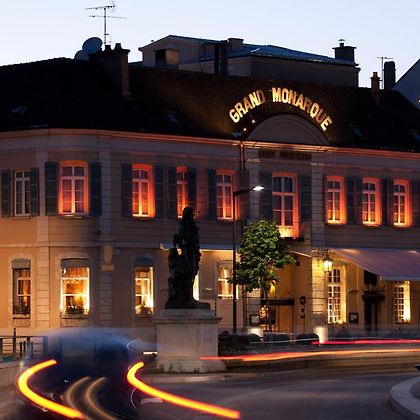
Hotel & Spa Le Grand Monarque, BW Premier Collection
From
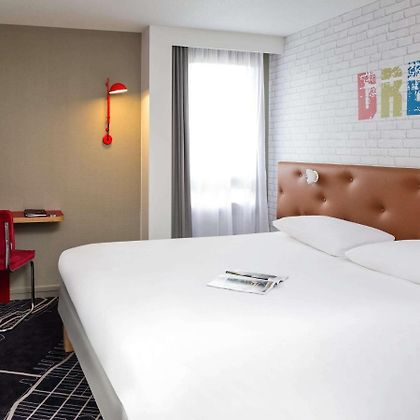
Ibis Styles Chartres Metropole
From
Business-Friendly Hotel Chartres
Traveling for business can require specific amenities and convenient locations, and Chartres offers a variety of hotels that cater to professional needs. The “hotel Chartres” options in this section emphasize facilities such as meeting rooms, high-speed internet access, and business support services. These selections are strategically located near the city center and key transport links, making them perfect for business travelers. Each property is designed to provide all the necessities for a productive trip, ensuring comfort and efficiency from arrival to departure. Business-minded guests will appreciate the combination of practicality and service excellence, allowing them to make the most of their time in Chartres. Choose from these options to ensure a seamless travel experience focused on work.
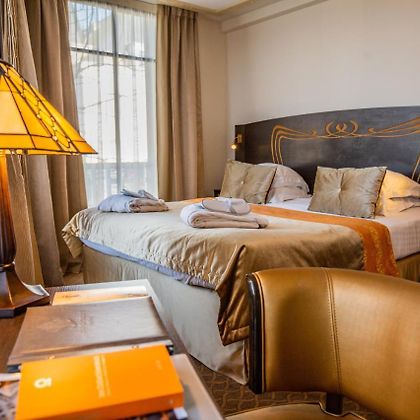
Jehan De Beauce
From