


Adults:
Children:
Overview
- parking
- restaurant
- free wifi
- fitness centre
- family rooms
- non-smoking rooms
- facilities for disabled guests
- room service
- bar
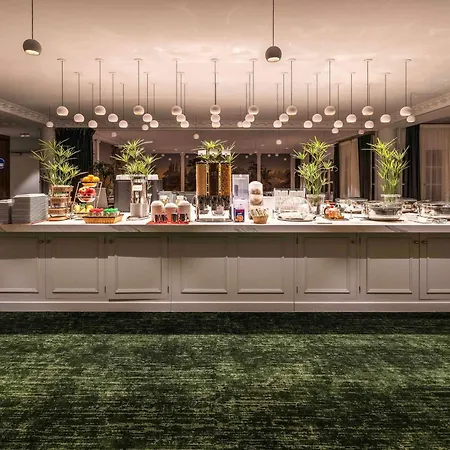
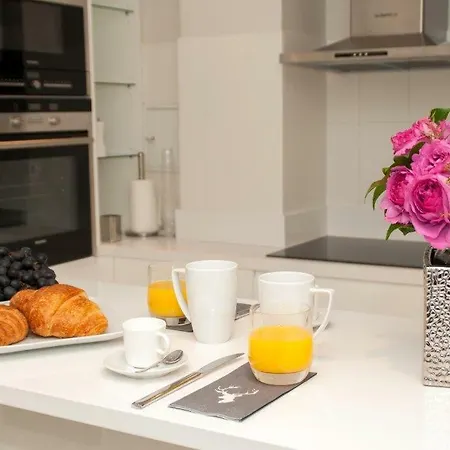
- fabulous breakfast
Intro
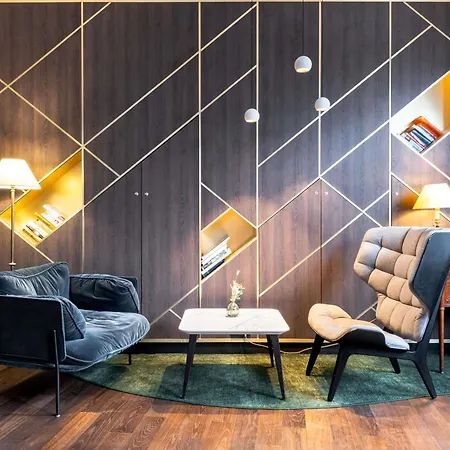
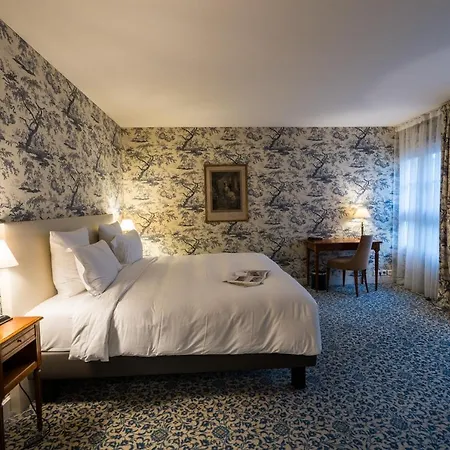
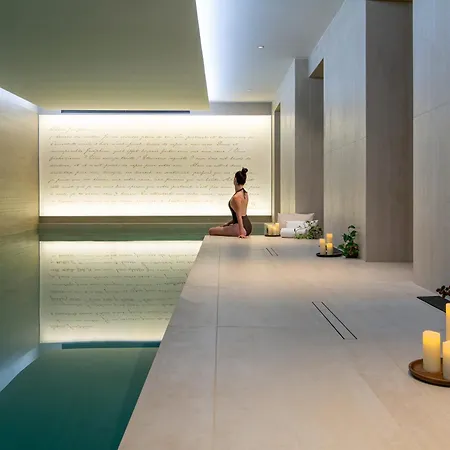
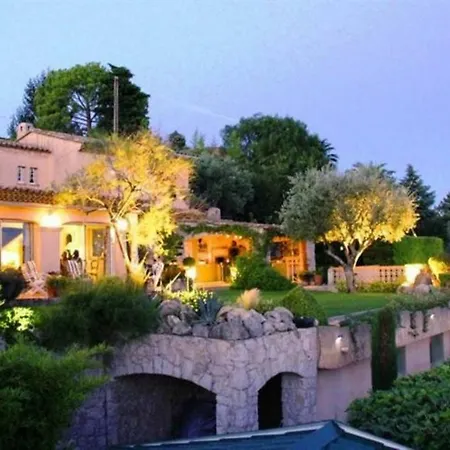
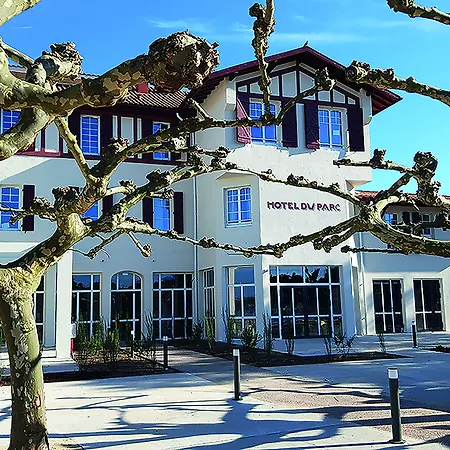
Located a 20-minute walk from Musee motocycliste de la Gendarmerie Nationale Museum, the comfortable Aigle Noir Hotel Fontainebleau - Mgallery Collection includes 14 rooms with views of the courtyard. Situated a few moments from l'Europe et le taureau, this 4-star traditional hotel offers an indoor swimming pool, a shared lounge and various recreational opportunities for guest enjoyment.
Rooms
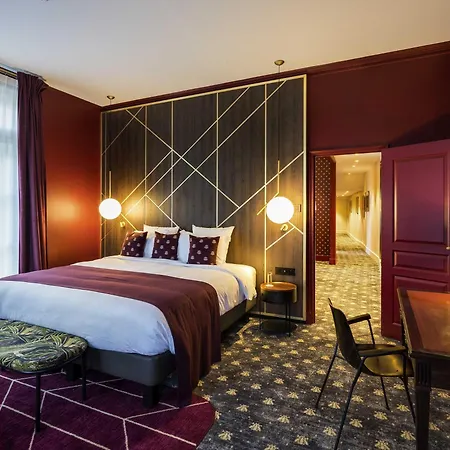
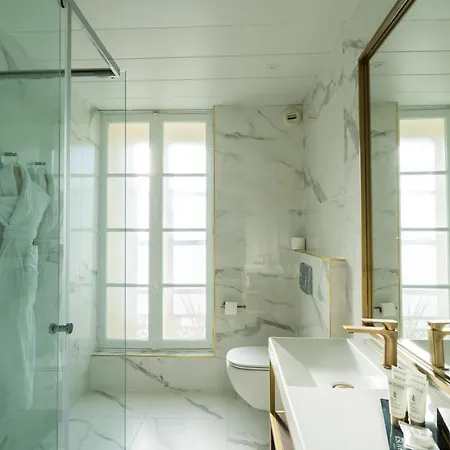
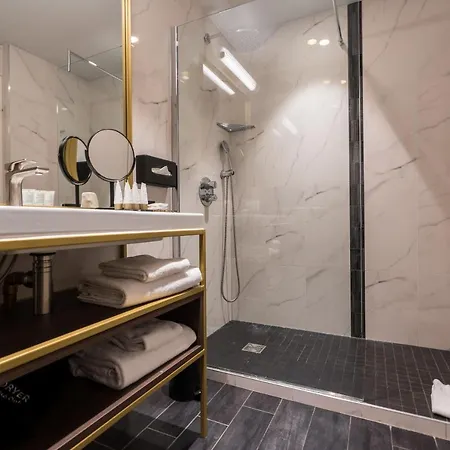
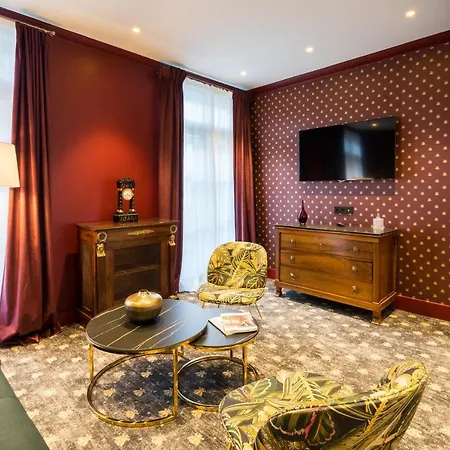
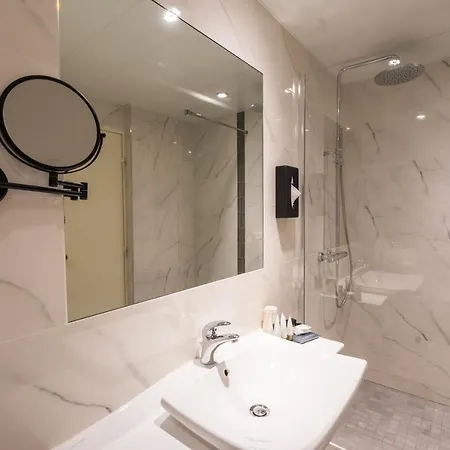
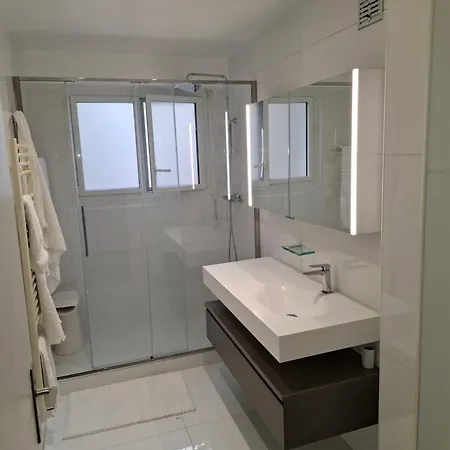
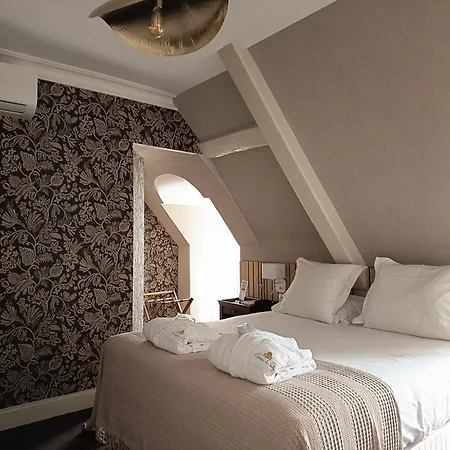
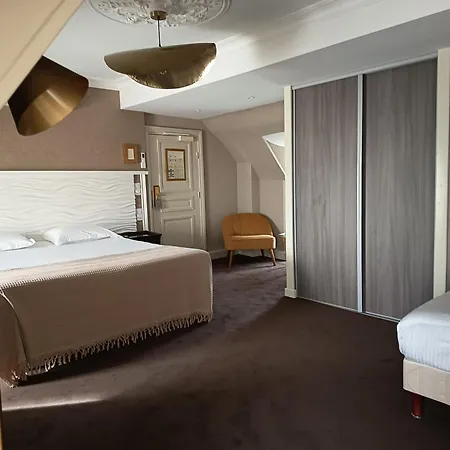
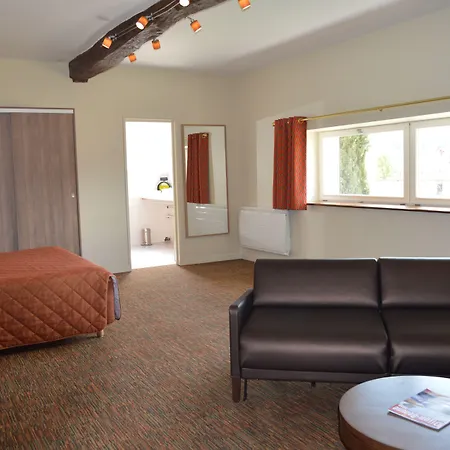
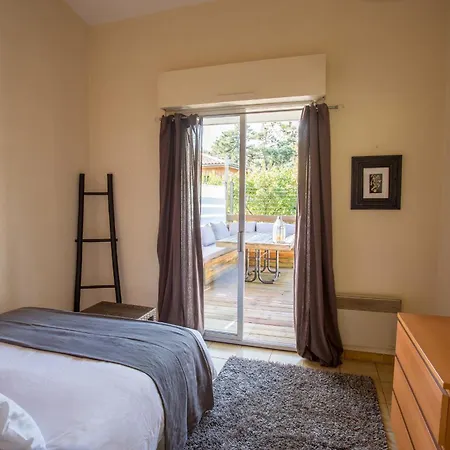
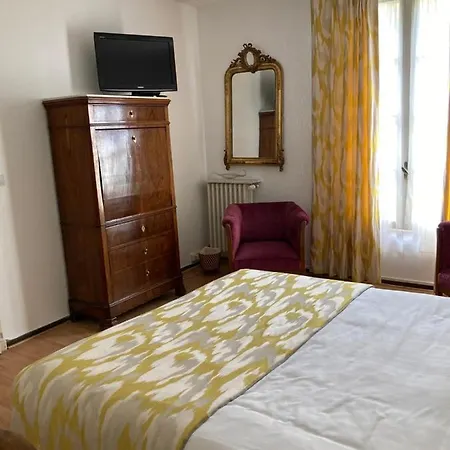
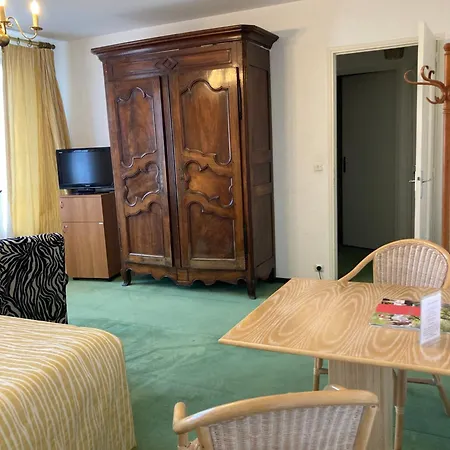
Some of the air-conditioned rooms feature a plasma TV set as well as a mini-fridge-bar and complimentary tea. Furnished with a writing table, they also have soundproof windows. The private bathrooms are appointed with bathrobes and bath sheets.
Relax
Residents are offered fitness classes and a garden terrace for a surcharge. The presence of a golf club ensures guests an active stay at the Aigle Noir Hotel Fontainebleau - Mgallery Collection.
Location
The smoke-free hotel is conveniently located 950 feet from Palace of Fontainebleau. The Aigle Noir Hotel Fontainebleau - Mgallery Collection is also a short way from INSEAD Europe Campus University.
Eat
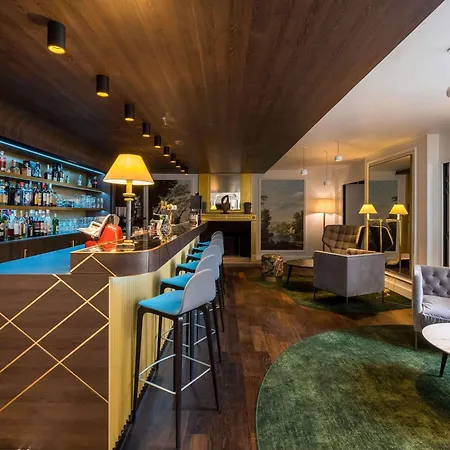
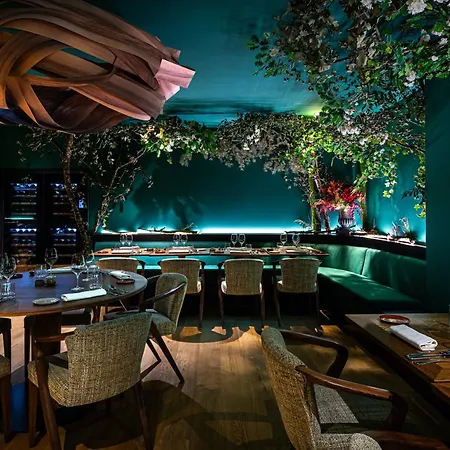
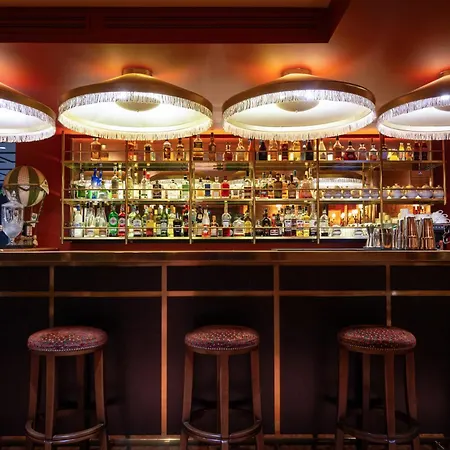
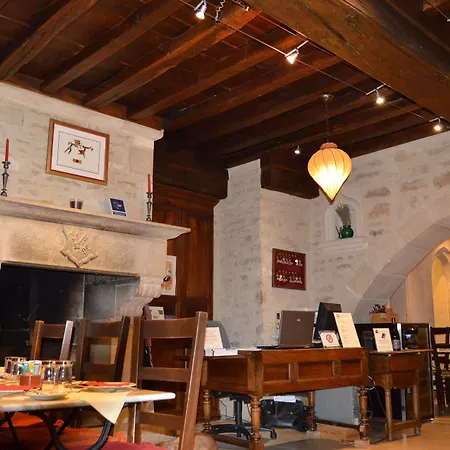
The restaurant serves vegetarian dishes. The onsite bar has a lounge area and is decorated with an open fireplace. This hotel is 5 minutes by foot from Le Troubadour and serves delectable meals.
Rooms
Other Great Stays in FONTAINEBLEAU
Facitilies
Facilities
- Flat-screen TV
- AM/FM alarm clock
Rooms
- Air conditioning
- Heating
- Mini-bar
- Soundproofed rooms
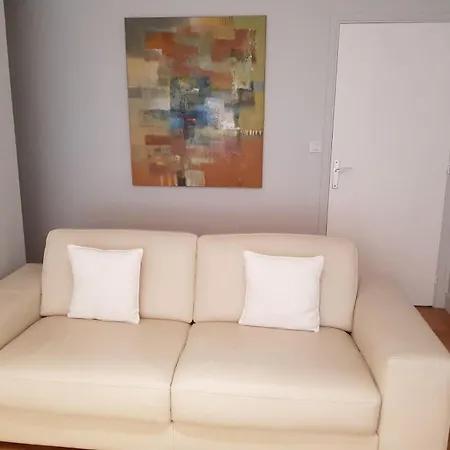
- Sitting area
- Terrace
- Garden furniture
- Tea and coffee facilities
- Ironing facilities
Dining facilities
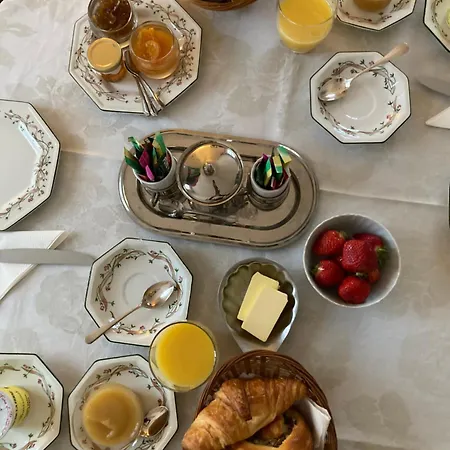
- In-room breakfast
- Restaurant
- Snack bar
- Bar/ Lounge area
- Packed lunches
- Special diet menus
- Electric kettle
Services
- Pet amenities available
- Room service
- Housekeeping
- Laundry
- Tours/Ticket assistance
- Welcome drink
- Happy hour
Relax
- Sun terrace
- Leisure/ TV room
- Fitness centre
- Hiking
- Horseback riding
- Cycling
- Golf course
Activities for Kids
- Board games
- Children's menu
Reviews
Tourist VR
Categories
-
Cleanliness 8.8
-
Comfort 8.9
-
Facilities 8.1
-
Free WiFi 9
-
Location 9.6
-
Total 8.2
-
Value for money 7.6
Samantha
James
Sebastian
Paul
Discover Hotels Across the France
Location
- 1. Insead 1.22 km (4003 ft)
- 2. Musee motocycliste de la Gendarmerie Nationale 1.85 km (1.15 mi.)
- 3. Saint Paul Church of Avon 2.92 km (1.81 mi.)
- 4. La faisanderie ONF Fontainebleau 1.96 km (1.22 mi.)
- 5. Musee Stephane Mallarme 4.65 km (2.89 mi.)
- 6. Saint-Louis Church in Fontainebleau 330 m (1083 ft)
- 7. synagogue of Fontainebleau 480 m (1575 ft)
- 8. Palace of Fontainebleau 280 m (919 ft)
- 9. Saint Peter Church of Avon 1.99 km (1.24 mi.)
- 10. Chateau de Rosa Bonheur 2.05 km (1.27 mi.)
- 1. Le Bacchus 120 m (394 ft)
- 2. Le Grand Cafe 50 m (164 ft)
- 3. Raj Mahal 110 m (361 ft)
- 4. Houston 200 m (656 ft)
- 5. Antica Trattoria 170 m (558 ft)
- 1. Chateau - Fontainebleau 110 m (361 ft)
- 2. Saint-Honore 240 m (787 ft)
- 3. Cour des Adieux 270 m (886 ft)
- 4. Hotel de Ville 280 m (919 ft)
- 5. Gare Routiere Fontainebleau Francois 1er 900 m (2953 ft)


Address
View map27 Place Napoleon Bonaparte
Key Features
Check-In:
from 15:00 until 23:59
Check-Out:
until 12:00
Contact Information
Contact phone
33160746000
Website
Visit hotel website
hb7q1@accor.com