





| Name of hotel | Accommodation Rating | Price, $ | |
| Le Grand Balcon Hotel |
9.2 / 10 (898 Reviews) |
From 213US$ | |
| Pullman Toulouse Centre Ramblas |
8.6 / 10 (458 Reviews) |
From 181US$ | |
| Mama Shelter Toulouse Hotel |
8.7 / 10 (1386 Reviews) |
From 160US$ | |
| Mercure Toulouse Centre Wilson Capitole |
8.2 / 10 (474 Reviews) |
From 144US$ | |
| Ibis Styles Toulouse Capitole Hotel |
8.8 / 10 (2104 Reviews) |
From 183US$ |
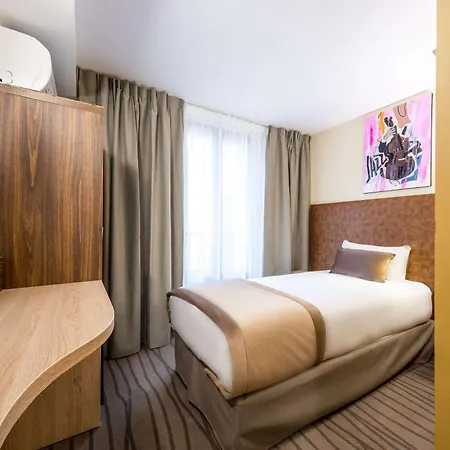
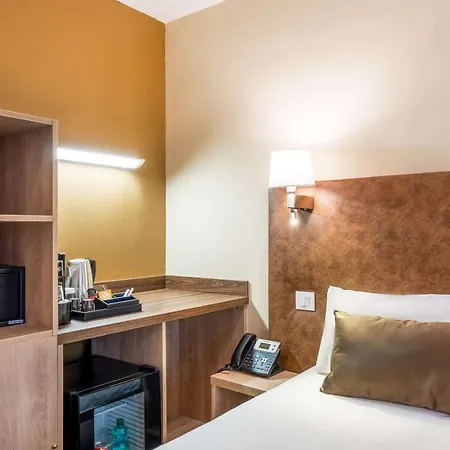
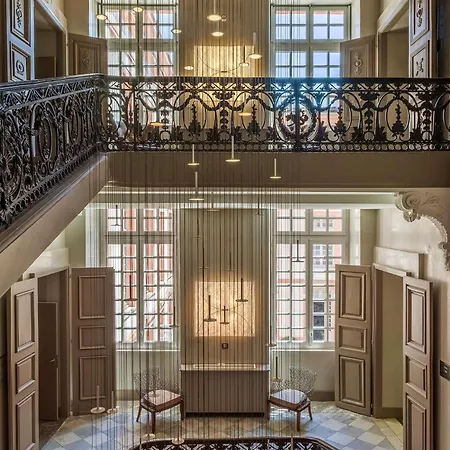
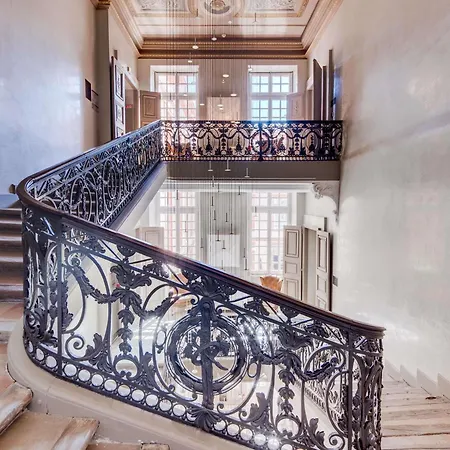
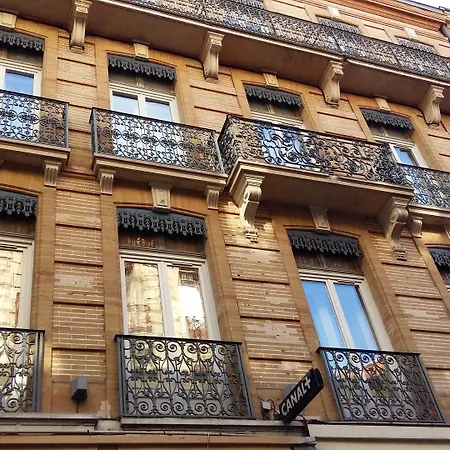
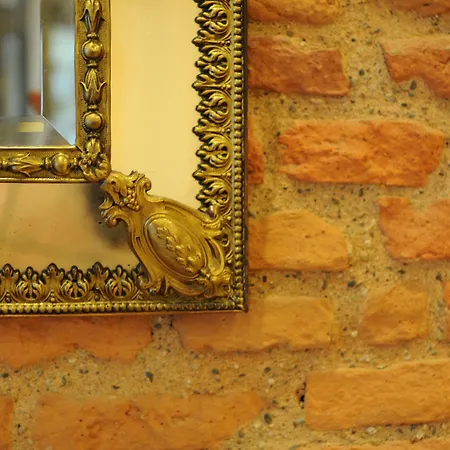
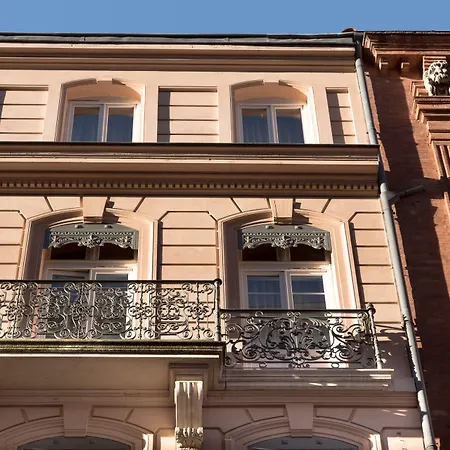
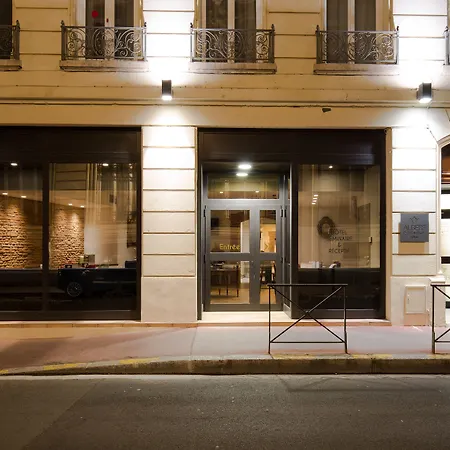
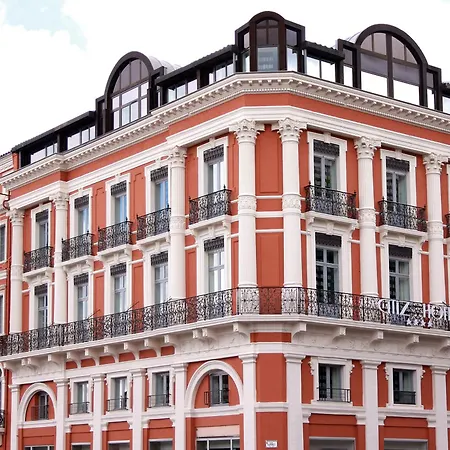
Le Grand Balcon Hotel
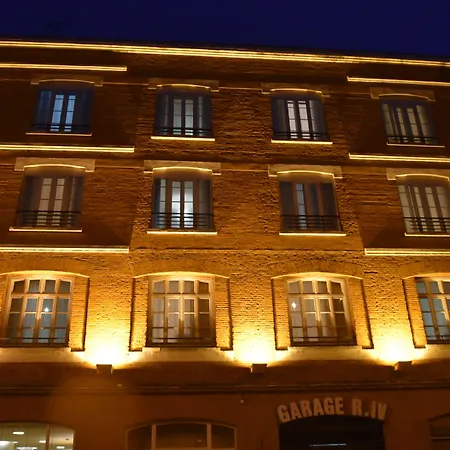
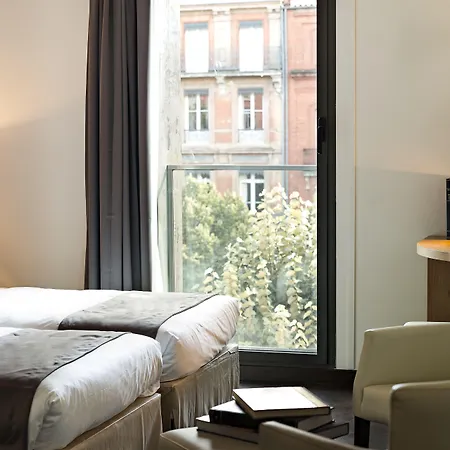
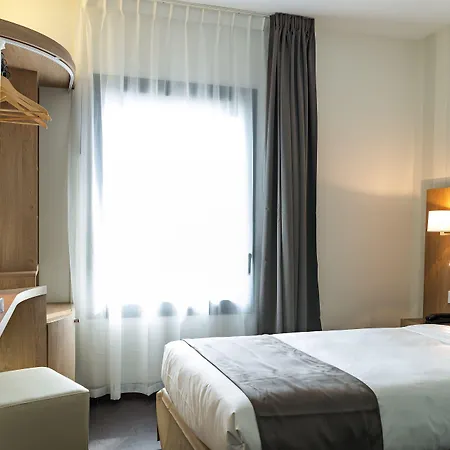
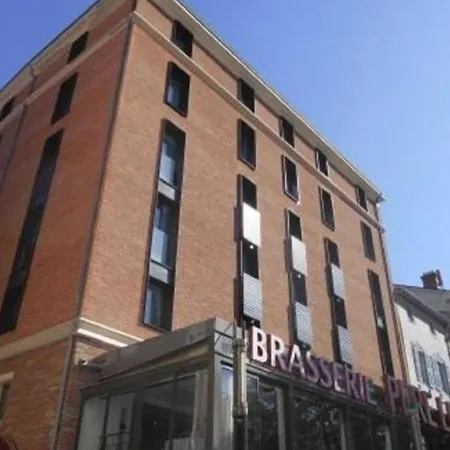
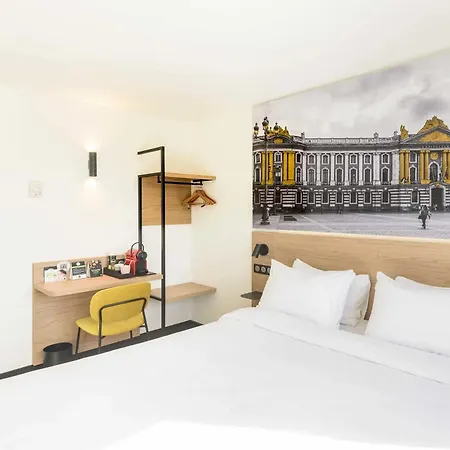
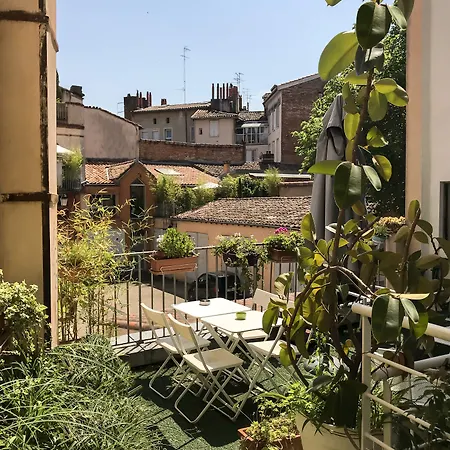
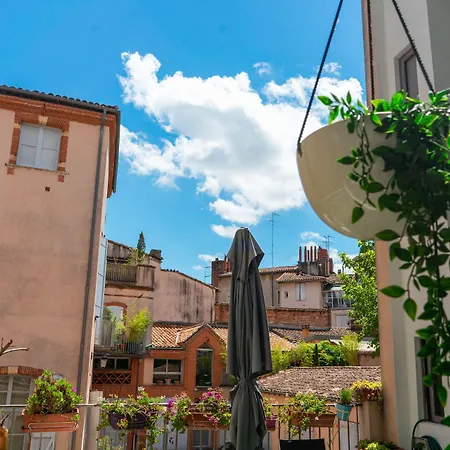
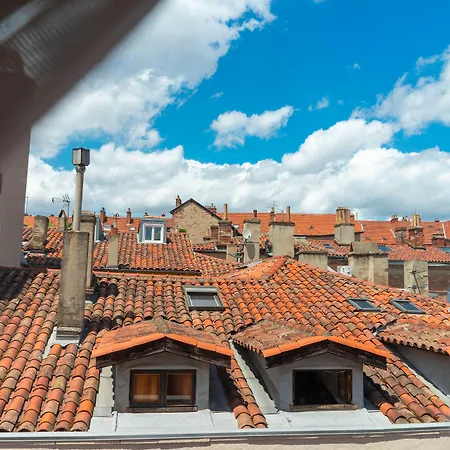
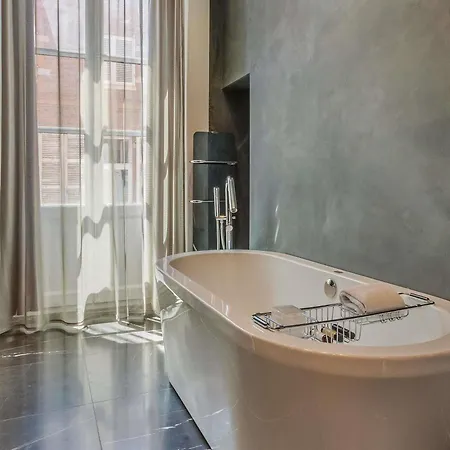
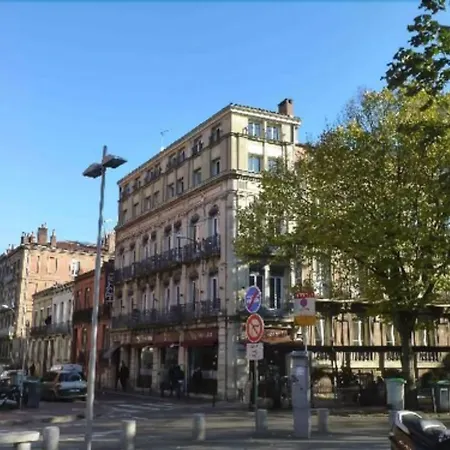
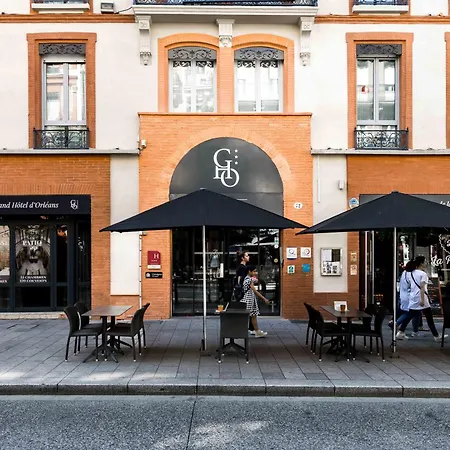
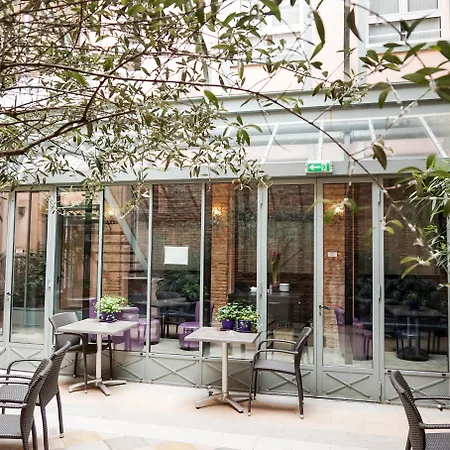
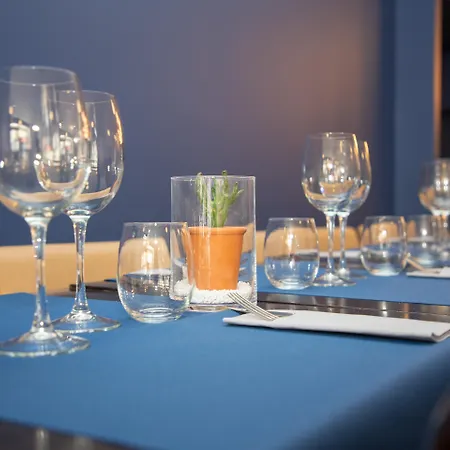
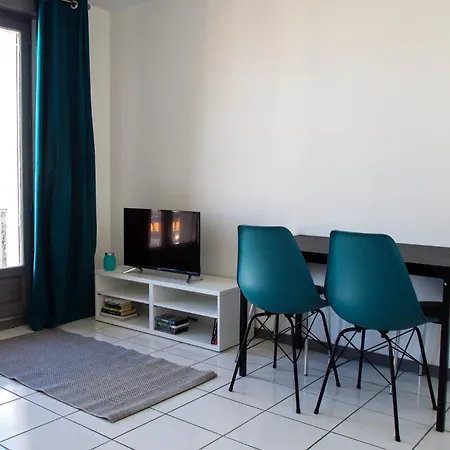
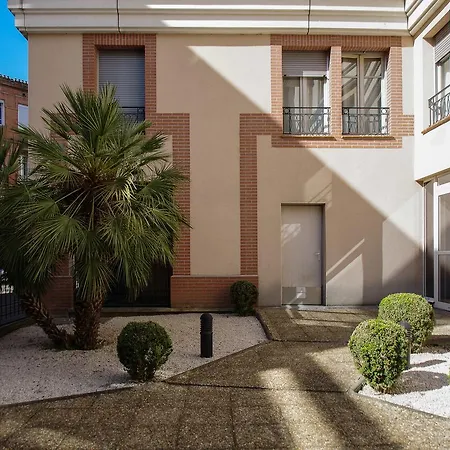
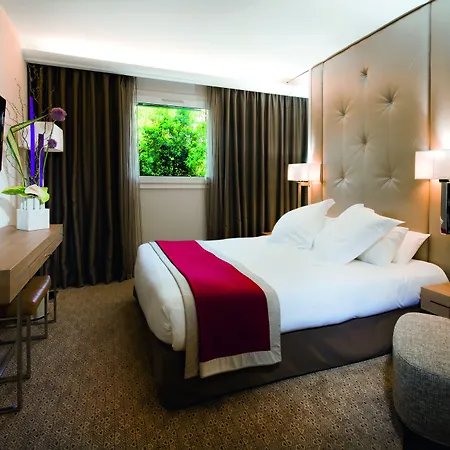
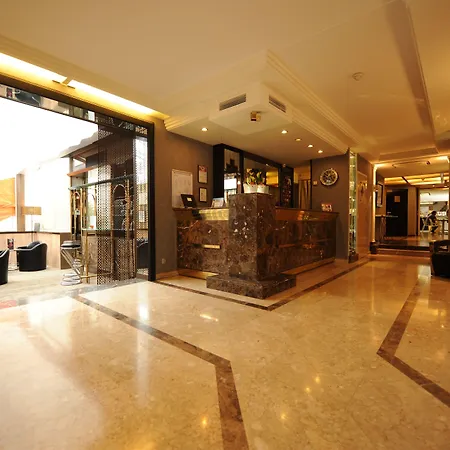
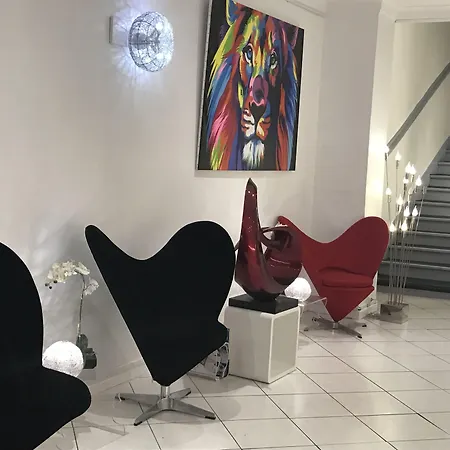
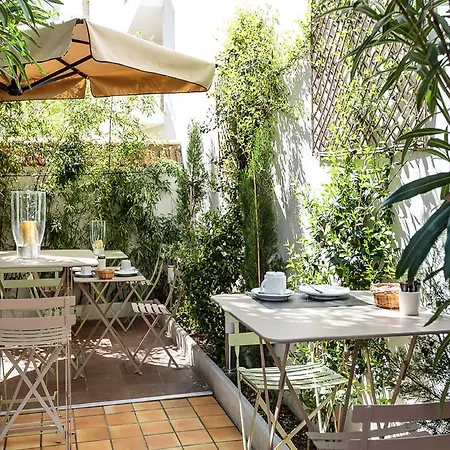
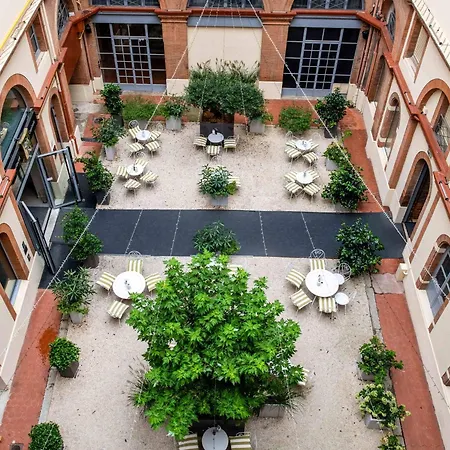
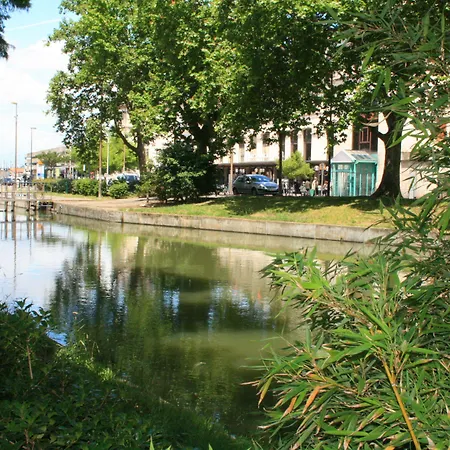
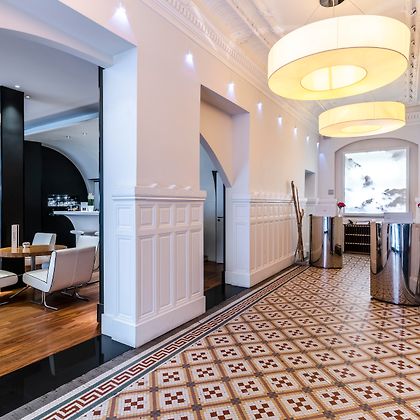
Approximately a 5-minute drive from Garonne, the 4-star Le Grand Balcon Hotel Toulouse offers trendy accommodation with 47 rooms. Wi-Fi is available throughout the venue, so that you can stay connected.
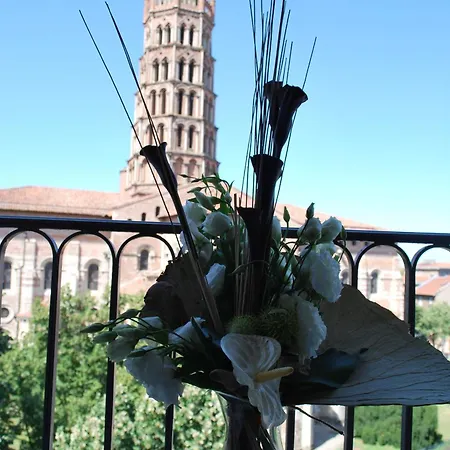
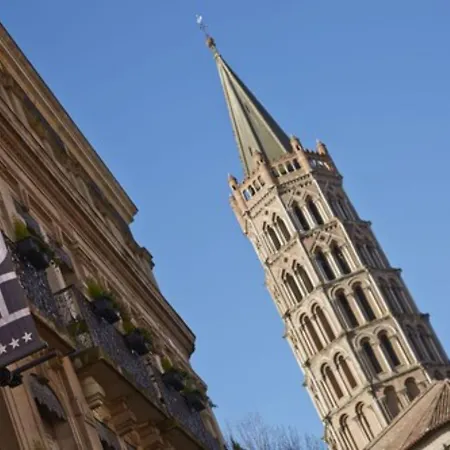
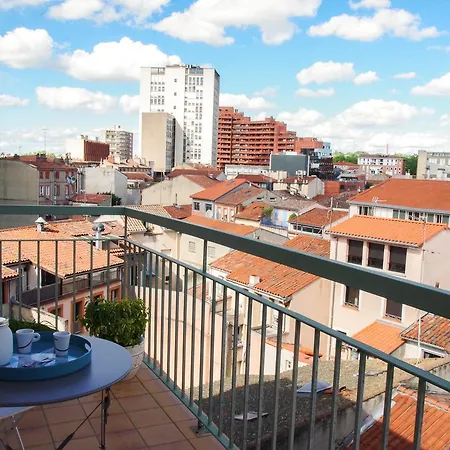
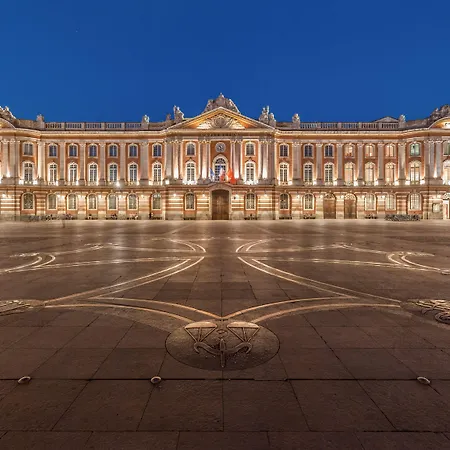
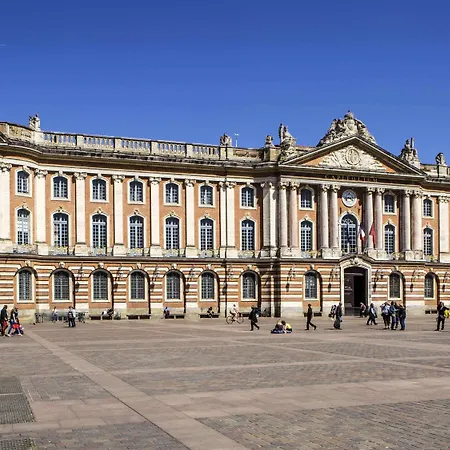
The hotel is situated in a charming part of Toulouse close to the grand neoclassical palace "Place du Capitole". The medieval basilica "Basilique Saint-Sernin" is a short walk away, while the historic Grand Rond Park is at a 1.4 km distance. You can get to Pierre Baudis Japanese Garden in a few minutes by car. Guests will find Capitole underground station in the immediate vicinity of this trendy property.
From

Pullman Toulouse Centre Ramblas
The comfortable Pullman Toulouse Centre Ramblas is set about 10 minutes' drive from Toulouse Multi-Purpose Stadium. This venue features a sundeck, a shared lounge, and various recreational opportunities as well as Wi-Fi in public areas.
The accommodation is located in Toulouse, a 5-minute walk from Marengo-SNCF tube station. Raymond VI Garden is 2.1 km from the hotel, while Riquet bus station is 150 metres away. Only a short distance away from the comfortable property guests will find attractions, such as the historic covered Marche Victor Hugo Market and La Maison de la Violette.
From
Cheap Hotels
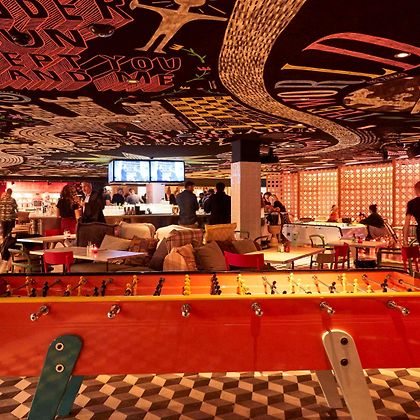
Mama Shelter Toulouse Hotel
Mama Shelter Toulouse Hotel is set 1.3 km from the 19th-century church "Basilica of Our Lady of the Daurade", and boasts various recreational opportunities and barbecue. The venue is nestled in the very heart of Toulouse with direct proximity to Jardin Pierre Goudouli.
The accommodation is about 15 minutes on foot from the medieval basilica "Basilique Saint-Sernin". It's a 10-minute walk from here to the centre of Toulouse. You can get to the grand neoclassical palace "Place du Capitole" in a few minutes by car. Mama Shelter Toulouse Hotel is close to Jean-Jaures tube station.
From
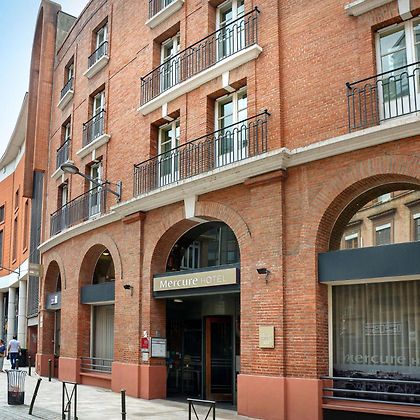
Mercure Toulouse Centre Wilson Capitole
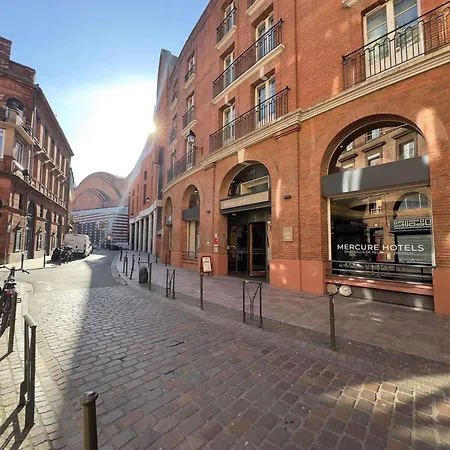
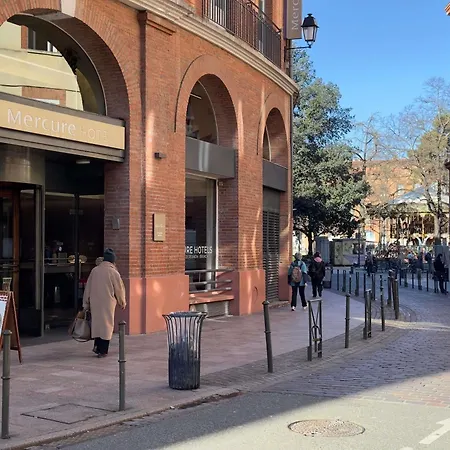
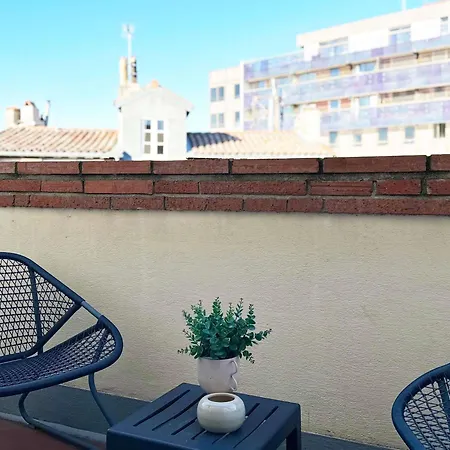
Mercure Toulouse Centre Wilson Capitole is situated in vicinity of the grand neoclassical palace "Place du Capitole" and features a sun terrace, a shared lounge, and various recreational opportunities. Guests can get to the centre of Toulouse within a 10-minute walk, while the landscaped Jardin Compans Caffarelli Park is set 1.6 km away.
Located in Toulouse City-Centre district, this hotel is within 5 minutes' walk of Jean-Jaures tube station and close to the city park "Prairie Des Filtres". The venue is quite close to Place Saint-Pierre in Toulouse. You can get to the historic Grand Rond Park in a few minutes by car. Saint-Georges bus stop, offering a direct link to the city attractions and main places, is about 300 metres from Mercure Toulouse Centre Wilson Capitole.
From
Pet Friendly Hotels
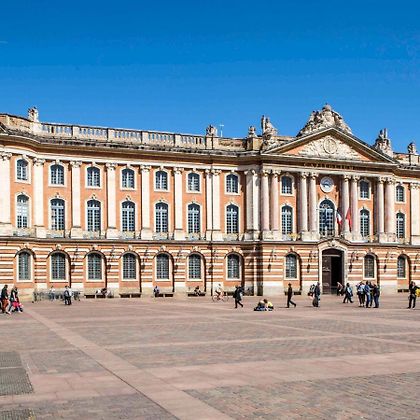
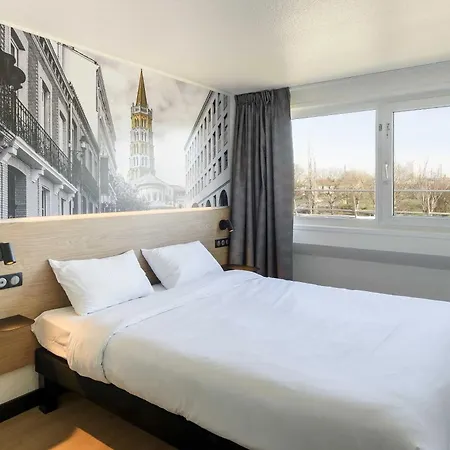
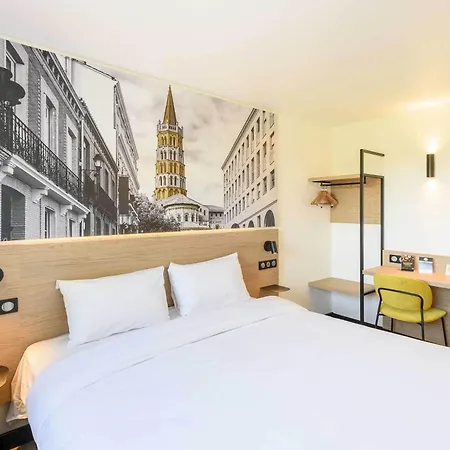
Ibis Styles Toulouse Capitole Hotel
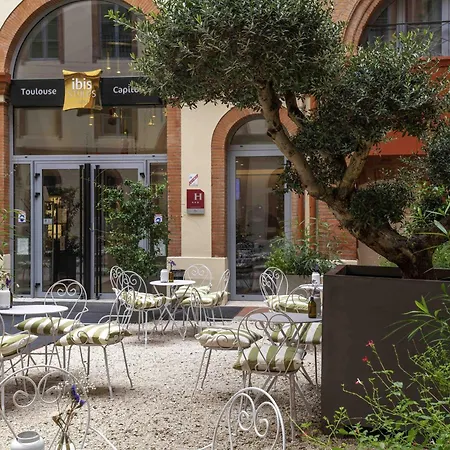
This venue is located in the heart of Toulouse, near the grand neoclassical palace "Place du Capitole" and 5 minutes' walk from the medieval basilica "Basilique Saint-Sernin". Set just around the corner from the roman catholic Church of Notre Dame du Taur, Ibis Styles Toulouse Capitole Hotel dates back to 1870.
Guests will also appreciate proximity to Carmelite Chapel, which is 300 metres away. It takes 5 minutes on foot to get to Toulouse city centre. You can get to Jardin Royal Public Park in a few minutes by car. The accommodation is placed within a 5-minute walk of Capitole tube station and 100 metres away from Remusat bus stop.
From
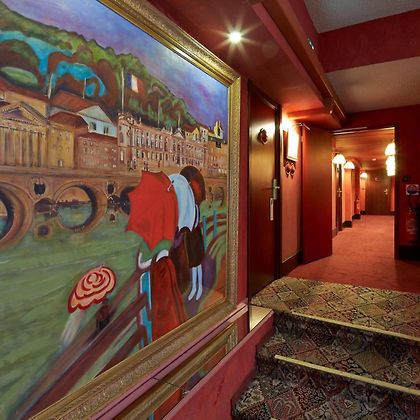
Grand Hotel De L'Opera - BW Premier Collection
Located next door to the roman catholic Church of Notre Dame du Taur, the amazing Grand Hotel De L'Opera - BW Premier Collection Toulouse features a hammam and a spa centre. Guests can enjoy Wi-Fi throughout the venue.
The accommodation is set in Toulouse City-Centre district, a few steps from the grand neoclassical palace "Place du Capitole". Pierre Baudis Japanese Garden is 1.6 km from the property, while Remusat bus station is 150 metres away. Grand Hotel De L'Opera - BW Premier Collection is a short ride from the historic Grand Rond Park. Capitole underground station is a 5-minute walk away from the venue.
From
Dog Friendly Hotels
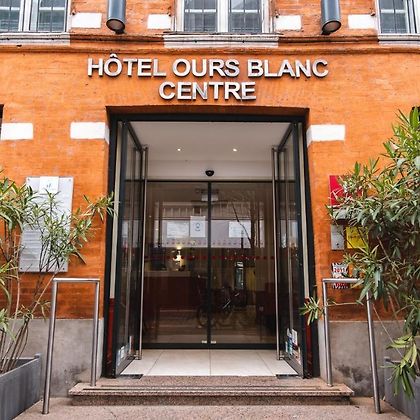
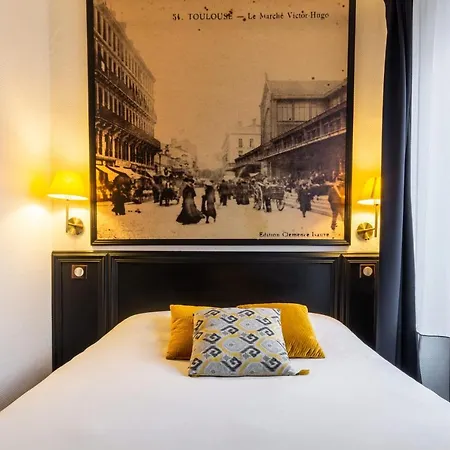
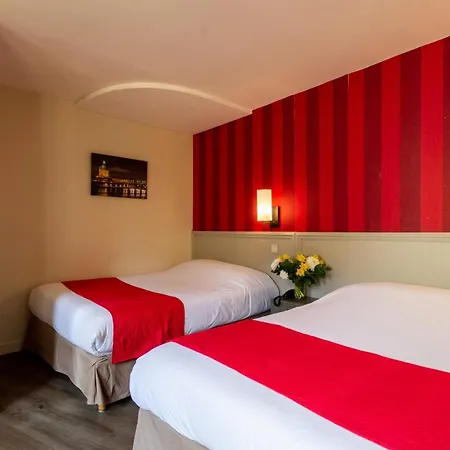
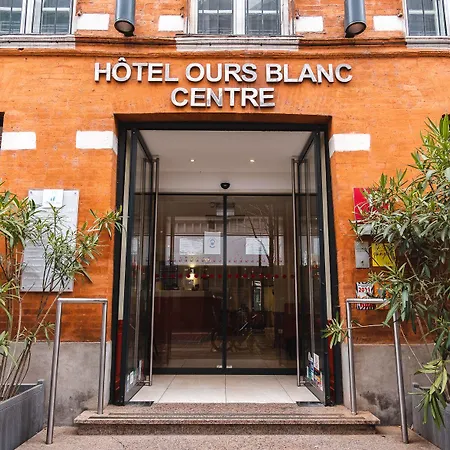
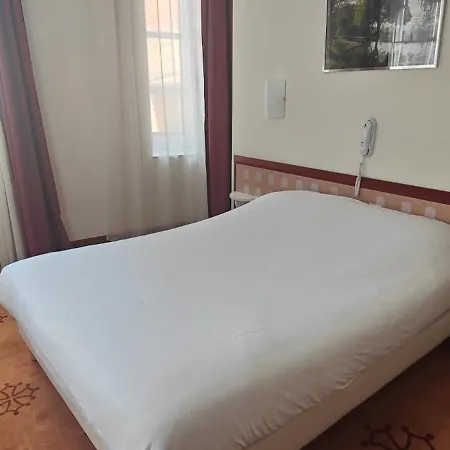
Hotel Ours Blanc - Centre
The charming 3-star Hotel Ours Blanc - Centre Toulouse is placed 2.8 km from Toulouse Multi-Purpose Stadium. Guests will have access to public parking nearby for added convenience.
The venue lies in the very heart of Toulouse, only steps from the grand neoclassical palace "Place du Capitole". It is 50 metres from the historic covered Marche Victor Hugo Market and a few steps from the city park "Prairie Des Filtres". The accommodation is nestled in Toulouse City-Centre district and near numerous restaurants and a cinema. You can get to Jardin des Plantes in a few minutes by car. Jean-Jaures underground station is really close to the property.
From
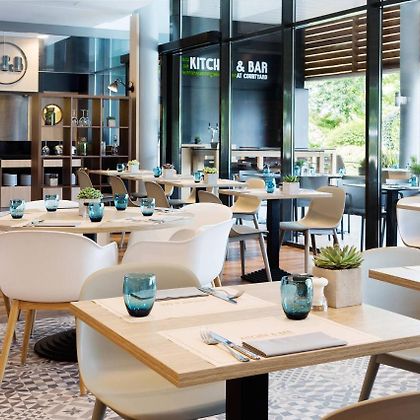
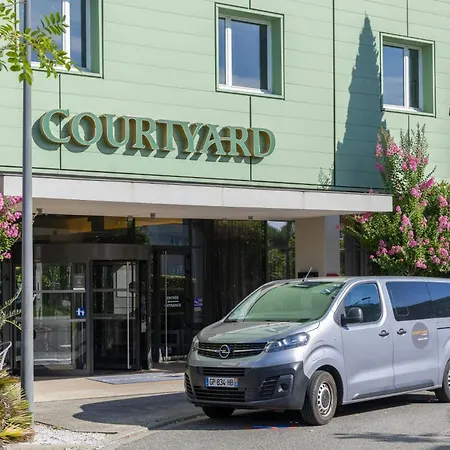
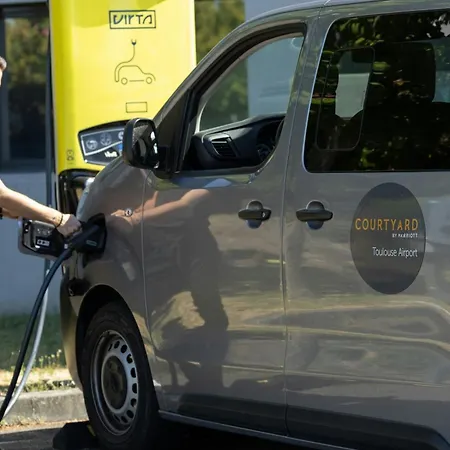
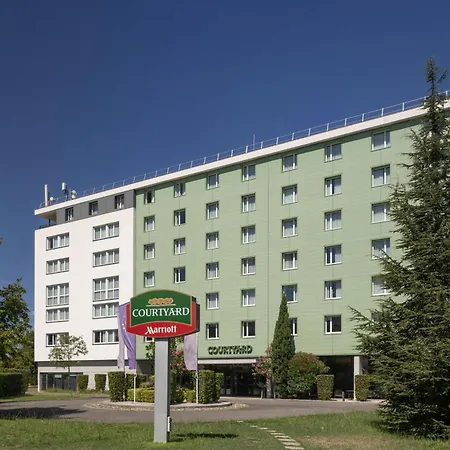
Courtyard By Marriott Toulouse Airport Hotel
Set in Toulouse West district, 3.3 km from Odyssud Music Venue, Courtyard By Marriott Toulouse Airport Hotel features an outdoor heated pool and views of the pool. All guests can enjoy Wi-Fi in the rooms and access to a modern fitness centre.
The grand neoclassical palace "Place du Capitole" is less than 6 km away. The accommodation is nestled in the very heart of Toulouse. Courtyard By Marriott Toulouse Airport Hotel is a short ride from the multi - purpose Toulouse Stadium. Jardinerie bus station is set 200 metres away.
From
Kid Friendly Hotels
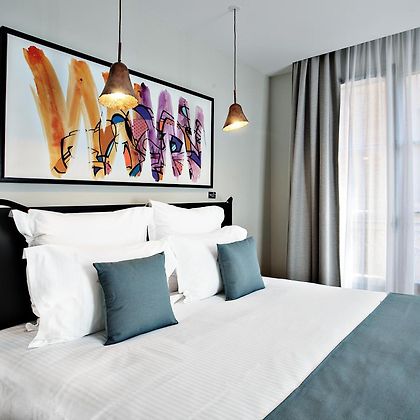
Logis Hotel Villa Du Taur
Logis Hotel Villa Du Taur Toulouse is a 4-star venue set in close proximity to the medieval basilica "Basilique Saint-Sernin". Boasting location next to the grand neoclassical palace "Place du Capitole", the property offers 18 rooms together with a terrace bar onsite.
Situated in the heart of Toulouse, in a historic area, the hotel is a short walk away from Musee Saint-Raymond Archeological Museum. Rue d'Alsace Lorraine Thoroughfare is 600 metres away. You can get to the 19th-century church "Basilica of Our Lady of the Daurade" in a few minutes by car. The central location makes it easy to travel as Jeanne-d'Arc tube station is within 300 metres away.
From
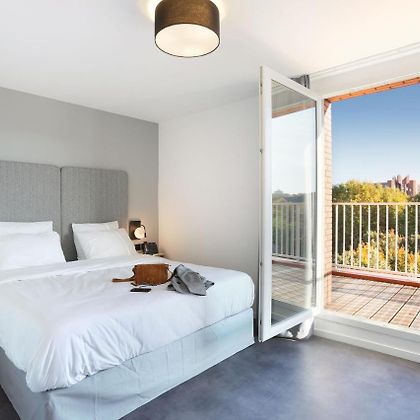
Odalys City Toulouse Centre Compans Caffarelli
The 3-star Odalys City Toulouse Centre Compans Caffarelli is placed in Toulouse, not far from Pierre Baudis Japanese Garden. Wi-Fi is available here in public areas.
The venue is 2.6 km from Botanical Garden and around 700 metres from Compans-Caffarelli underground station. The historic covered Marche Victor Hugo Market is nearly 25 minutes on foot from the aparthotel in Toulouse. Odalys City Toulouse Centre Compans Caffarelli is a short ride from Capitole de Toulouse Center. Heracles bus stop is within 200 metres.
From
Hotels Downtown
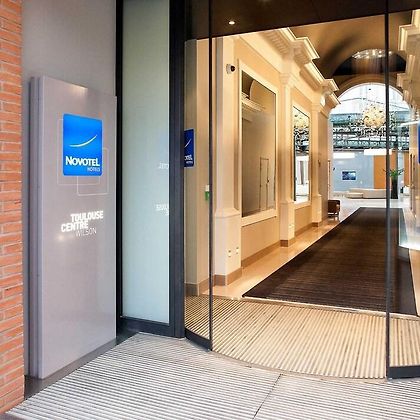
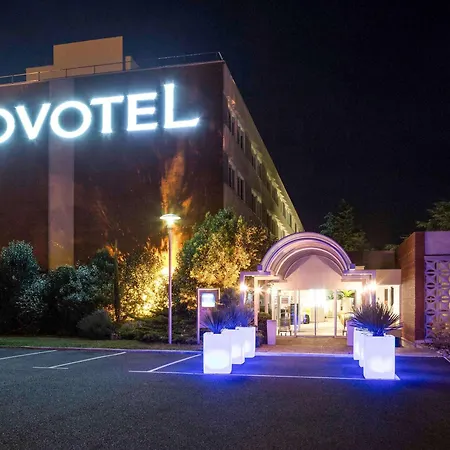
Novotel Toulouse Centre Wilson
Novotel Toulouse Centre Wilson is 4-star accommodation with a terrace, located about 2.7 km from Toulouse Multi-Purpose Stadium. Set within reach of the grand neoclassical palace "Place du Capitole", the venue features a traditional French restaurant serving meals of French cuisine.
The hotel is situated right in the centre of Toulouse, just off Toulouse Town Hall. Old town walk is 600 metres from the property, while Victor Hugo bus station is 250 metres away. Novotel Toulouse Centre Wilson is a short ride from the 19th - century church "Basilica of Our Lady of the Daurade". Jean-Jaures underground station, set 150 metres away, provides a quick connection to all areas of Toulouse.
From
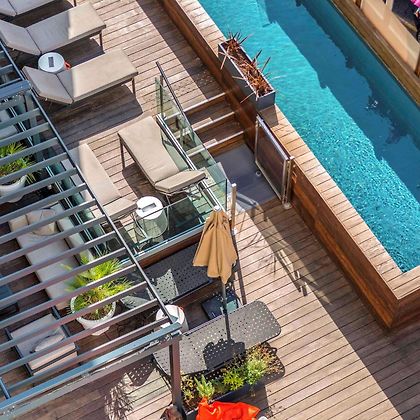
Mercure Toulouse Centre Saint-Georges
This venue is located right in the centre of Toulouse, near the grand neoclassical palace "Place du Capitole" and 5 minutes' walk from Place Saint-Georges. Overlooking the city and providing guests with a plunge pool and a solarium, the accommodation is conveniently situated in a shopping area, a few blocks away from the fine arts museum "Augustinian convent".
Botanical Garden is less than 1.4 km away. The city centre of Toulouse can be reached in 10 minutes on foot. You can get to the multi - purpose Toulouse Stadium in a few minutes by car. Guests will find Capitole underground station within 5 minutes' walk of this trendy hotel.
From
5 Star Hotels in Toulouse
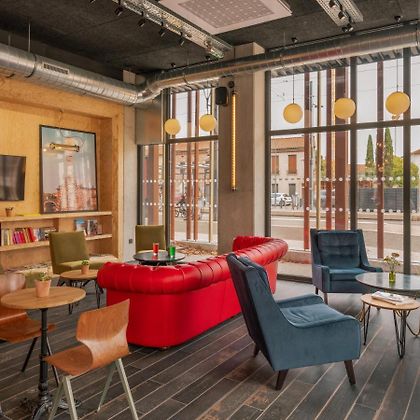
Eklo Toulouse Hotel
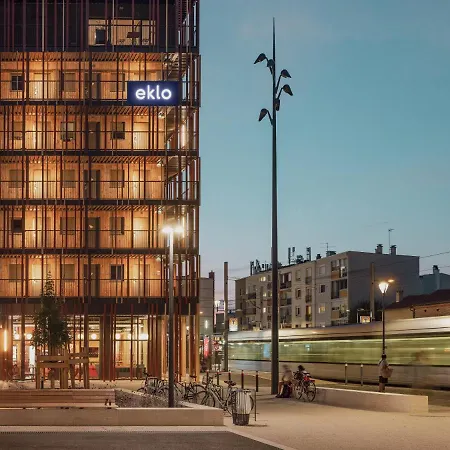
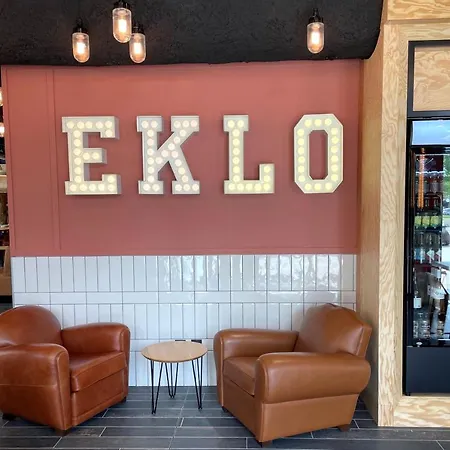
Eklo Toulouse Hotel offers cosy accommodation 10 minutes by car from Toulouse Multi-Purpose Stadium. Guests will enjoy a continental breakfast and access to a shared lounge.
Situated in Toulouse Left Bank district, the venue is set 25 minutes on foot from the landscaped Jardin Compans Caffarelli Park. Attractions within walking distance include Zenith de Toulouse and Eglise Orthodox Churche russe Saint-Nicolas de Toulouse. You can get to Toulouse-Blagnac Airport in a few minutes by car. Well-connected to many sights, Eklo Toulouse Hotel is a minute's walk from Murillo bus station.
From
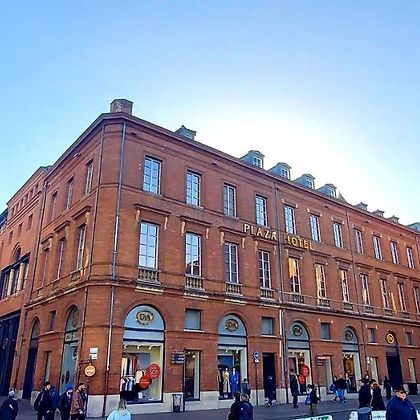
Plaza Hotel Capitole Toulouse
5 minutes by car from Toulouse Multi-Purpose Stadium, the 4-star Plaza Hotel Capitole Toulouse offers an à la carte restaurant on site. The venue is placed in the very heart of Toulouse, a stroll away from the medieval basilica "Basilique Saint-Sernin".
Located in Toulouse City-Centre district, this accommodation is within arm's reach of Capitole tube station and close to the grand neoclassical palace "Place du Capitole". Nearly a 5-minute ride from the welcoming property guests will find Garonne. You can get to the 19th - century museum "Musee Georges Labit" in a few minutes by car. Well-connected to many sights, Plaza Hotel Capitole Toulouse is not very far from Remusat bus station.
From
4 Star Hotels in Toulouse
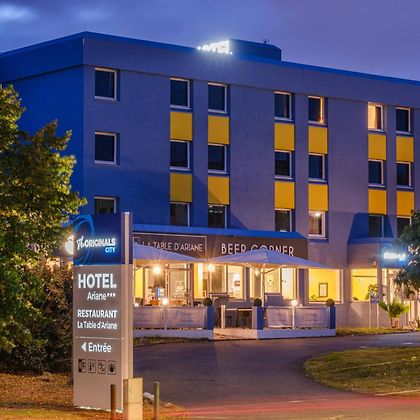
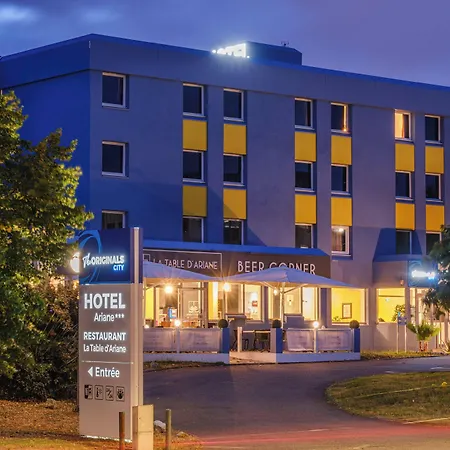
The Originals City, Hotel Ariane, Toulouse
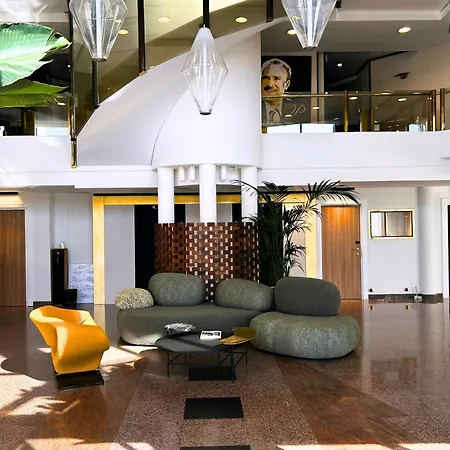
A sun deck, various recreational opportunities, and a garden are available at The Originals City, Hotel Ariane, Toulouse, and Toulouse Multi-Purpose Stadium is 6 km away. This 3-star venue is located in the very heart of Toulouse.
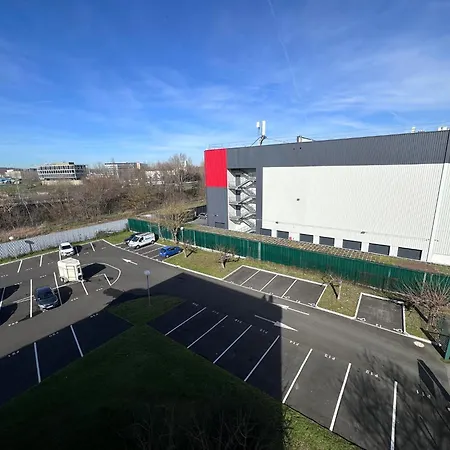
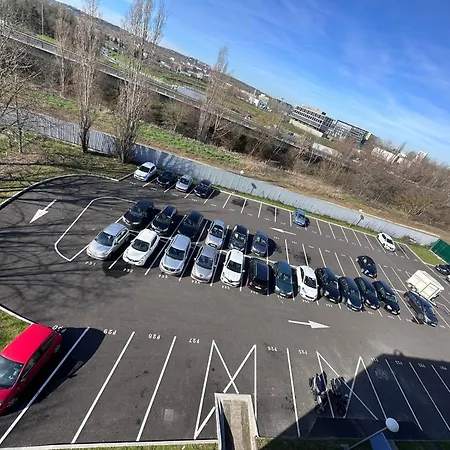
Situated in Toulouse South-East district, the accommodation is set a 10-minute ride from Diagora Convention and Exhibition Center. The hotel is nestled directly on the outskirts of Toulouse. The Originals City, Hotel Ariane, Toulouse is a short ride from the unique City of Space Science Museum. Afpa bus stop is about a 5-minute walk away.
From
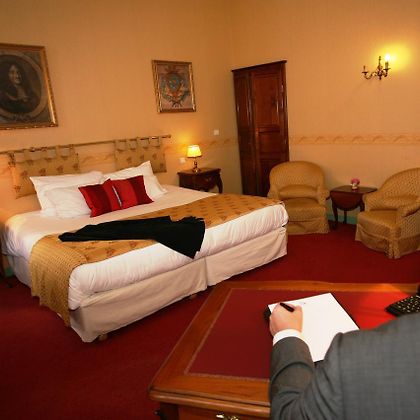
Hotel Riquet
Offering a hot tub and sauna facilities, Hotel Riquet is situated in Toulouse City-Centre district, nearly a 10-minute drive from the multi - purpose Toulouse Stadium. The venue is located in the heart of Toulouse, in close vicinity of Le Lux.
The accommodation is 5 minutes by car from The Paul Dupuy Museum. You can reach the centre of Toulouse in 15 minutes on foot. Hotel Riquet is an ideal starting point for visiting Eglise de Saint Aubin. The property is a short way from Marengo-SNCF underground station.
From
3 Star Hotels in Toulouse
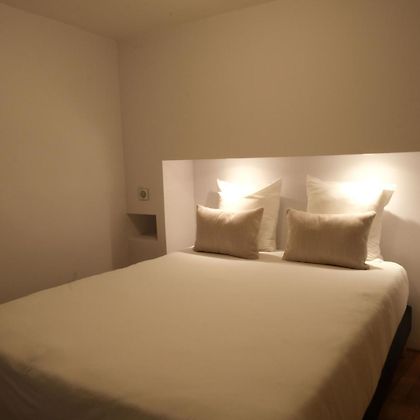
Hotel Albert 1Er
Situated near Carmelite Chapel, the 3-star Hotel Albert 1Er Toulouse boasts classic rooms overlooking the courtyard. Toulouse Multi-Purpose Stadium is 10 minutes' drive from the venue, while the grand neoclassical palace "Place du Capitole" is a 12-minute walk away.
Located in a historic part of Toulouse, the accommodation is a mere 200 metres from Capitole tube station. You can reach the centre of Toulouse in 5 minutes on foot. The hotel has a quiet location pretty close to the historic covered Marche Victor Hugo Market. This classic property is only a few metres from Remusat bus station.
From
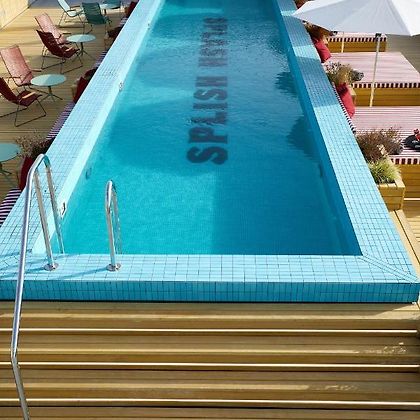
The Social Hub Toulouse Hotel
The 4-star Social Hub Toulouse Hotel boasts a well-connected location not far from Pierre Baudis Japanese Garden. Located in Toulouse City-Centre district, this venue offers 371 rooms along with a heated pool.
The fine art museum "Augustinian convent" is 2.1 km from the accommodation and the grand neoclassical palace "Place du Capitole" is 1.6 km away. The property is set close to the landscaped Jardin Compans Caffarelli Park, nearly 5 minutes' walk from Compans-Caffarelli underground station. The Social Hub Toulouse Hotel is a short ride from Pont Saint Pierre Bridge. Leclerc bus stop is a 5-minute walk away.
From

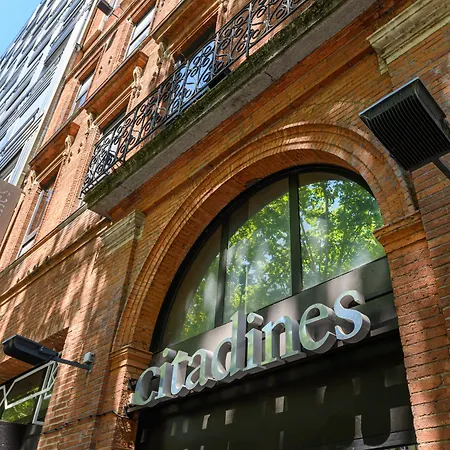
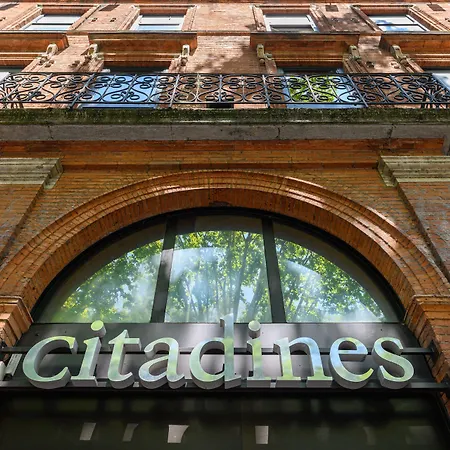
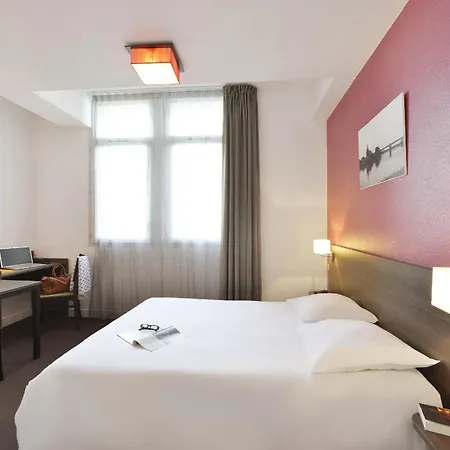
Citadines Wilson Toulouse Aparthotel
Citadines Wilson Toulouse Aparthotel, located 10 minutes by car from the multi - purpose Toulouse Stadium, features various recreational opportunities, barbecue grills, and a satellite flat-screen. Set in the historical centre of Toulouse, the venue offers quick access to the grand neoclassical palace "Place du Capitole".
The accommodation is within walking distance of the medieval basilica "Basilique Saint-Sernin". It is 1 km from the centre of Toulouse. A central location of the hotel offers proximity to the historic covered Marche Victor Hugo Market. The property provides access to The Paul Dupuy Museum, lying approximately 5 minutes on foot from Jean-Jaures tube station.
From
Hotel De Bordeaux
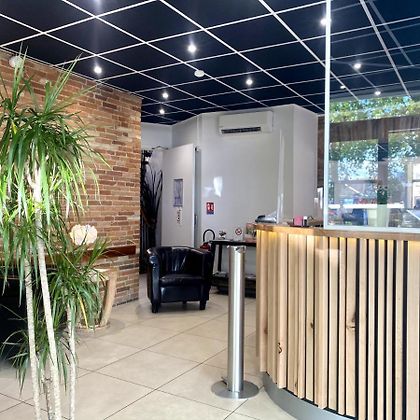
The 2-star Hotel De Bordeaux is situated 3.4 km from the multi - purpose Toulouse Stadium. Featuring 21 rooms with views of the city, this venue is set within a short ride from the medieval basilica "Basilique Saint-Sernin".
The accommodation is located in Toulouse, a 5-minute walk from Marengo-SNCF tube station. Guests can visit the nearby Canal du Midi as well as Jardin Royal Public Park which is 1.3 km away from the property. Hotel De Bordeaux is situated not too far from the historic covered Marche Victor Hugo Market. The nearest bus stop Riquet is 100 metres away.
From
Novotel Toulouse Centre Compans Caffarelli
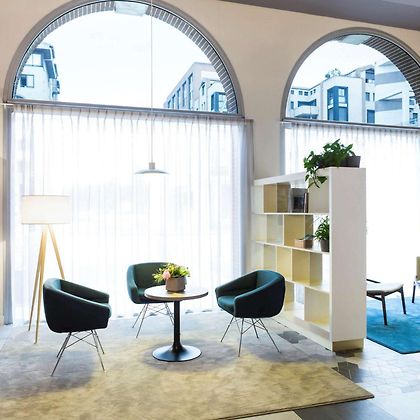
The comfortable Novotel Toulouse Centre Compans Caffarelli is set around a 5-minute ride from Garonne River and features a fitness centre, a sundeck, and various recreational opportunities. You'll be 1.9 km from Quai de la Daurade and 3.1 km from the multi - purpose Toulouse Stadium.
Located in Toulouse City-Centre district, this hotel is just next door to Compans-Caffarelli tube station and close to Parti Socialiste de la Haute Garonne. It is 2 km from the centre of Toulouse. Nearby attractions include Pierre Baudis Japanese Garden. Well-connected to many sights, Novotel Toulouse Centre Compans Caffarelli is a mere 5 minutes' stroll from Leclerc bus station.
From