




Adults:
Children:
Overview
- parking
- free wifi
- family rooms
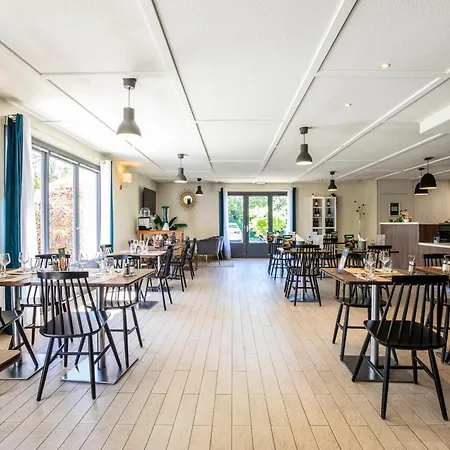
- restaurant
- facilities for disabled guests
- non-smoking rooms
- bar
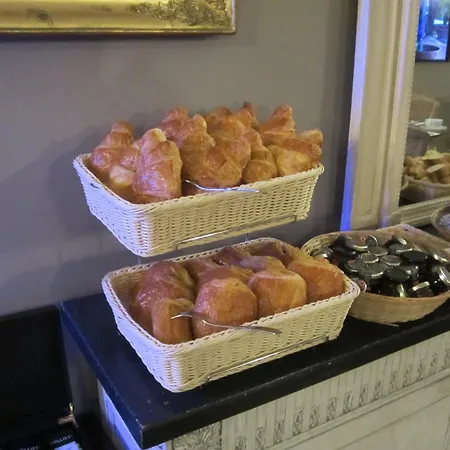
- very good breakfast
Intro
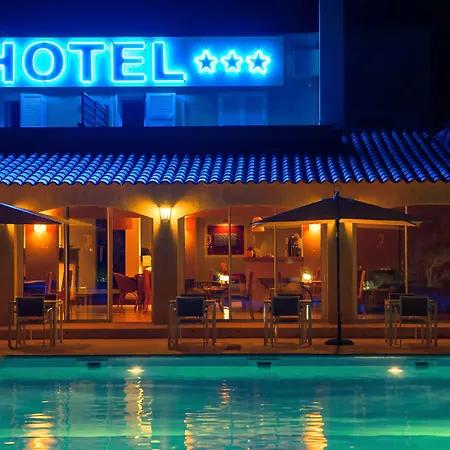
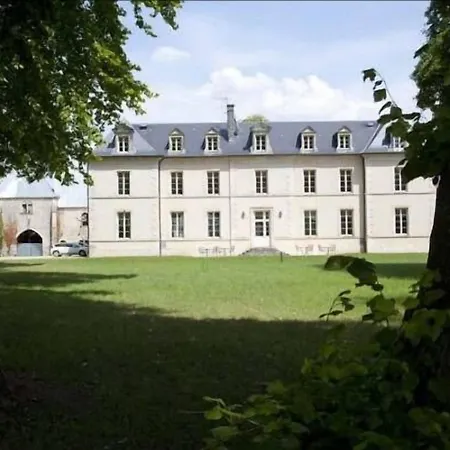
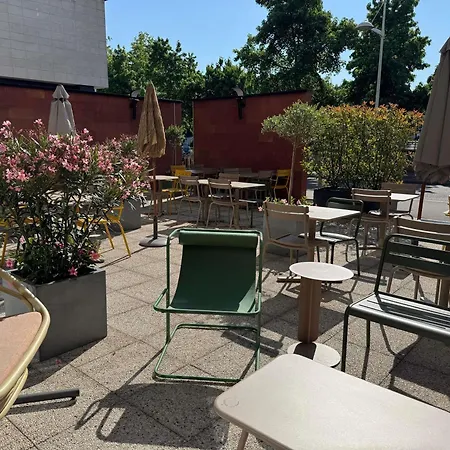
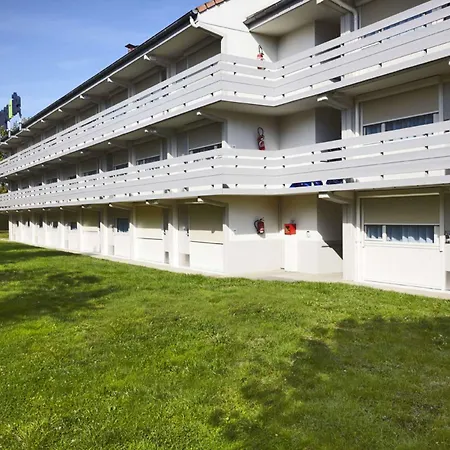
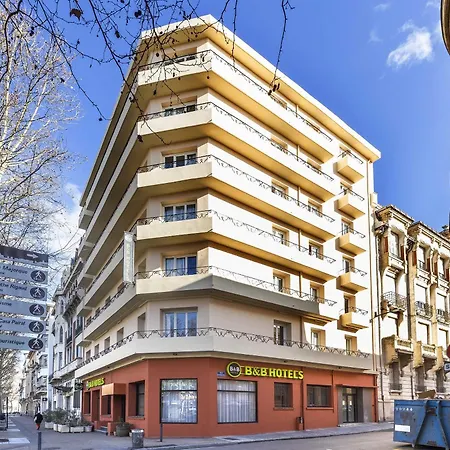
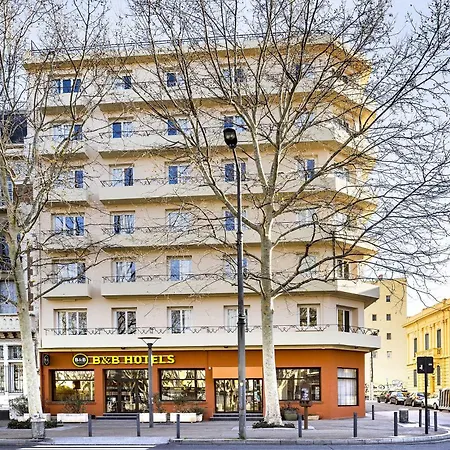
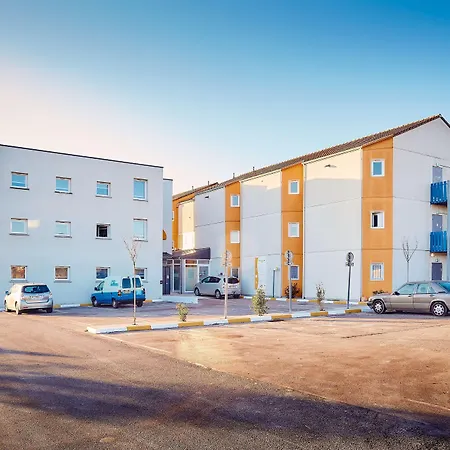
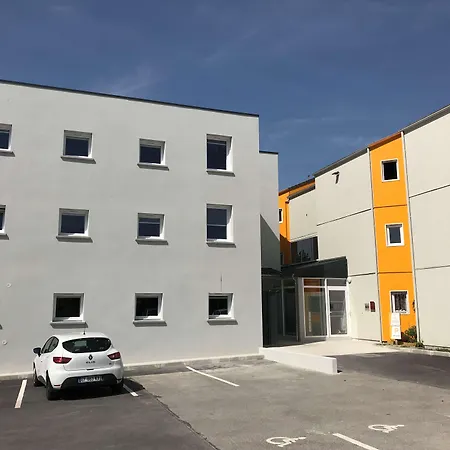
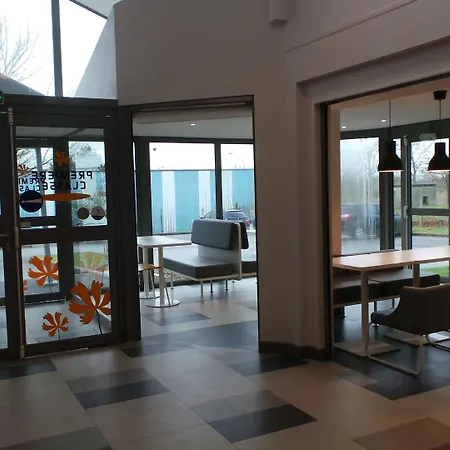
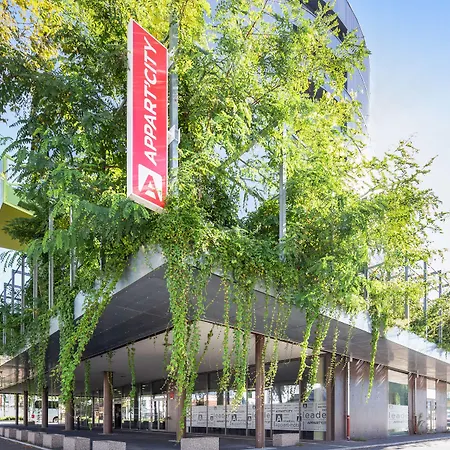
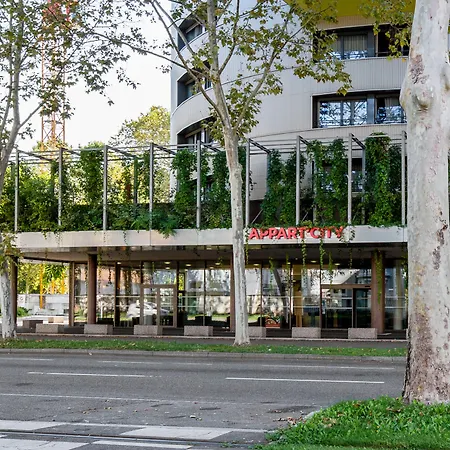
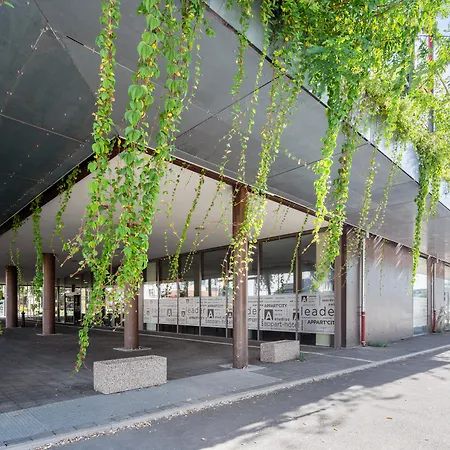
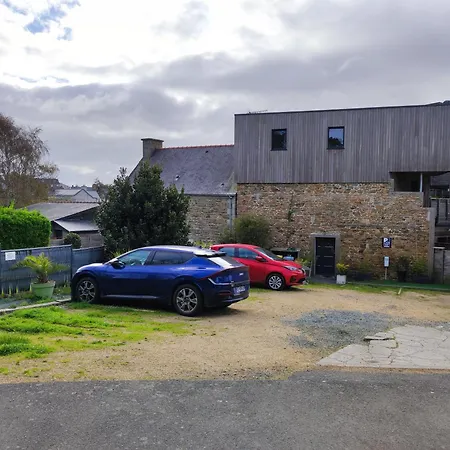
Situated 0.9 miles from Angers Courthouse, the 3-star Ibis Angers Centre Chateau hotel features Wi-Fi in public areas, and public parking nearby. Located just moments from Chateau Angers, the comfortable hotel has 90 rooms near a train station.
Rooms
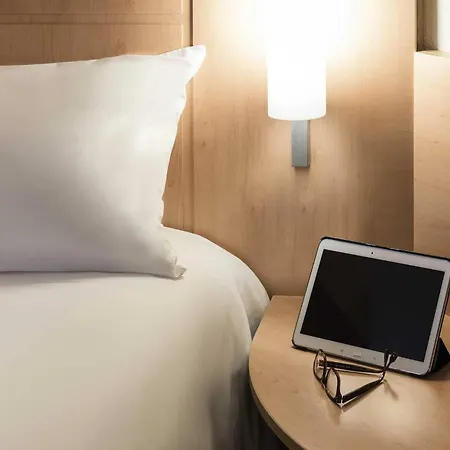
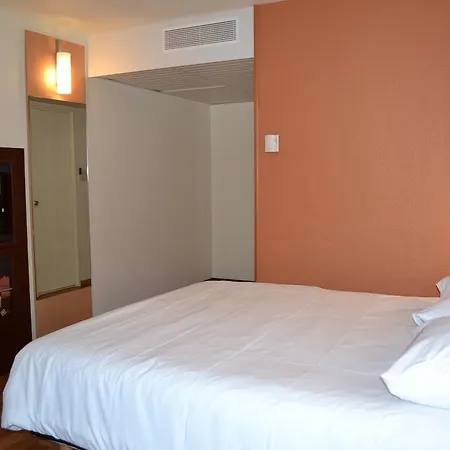
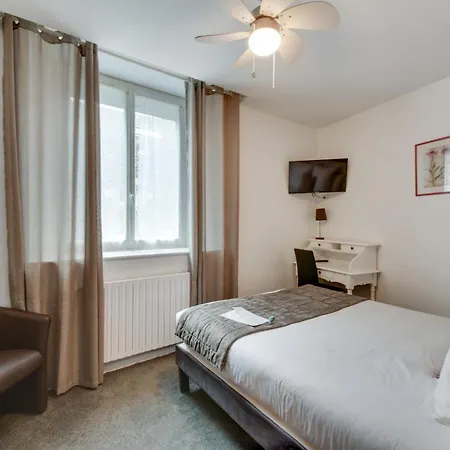
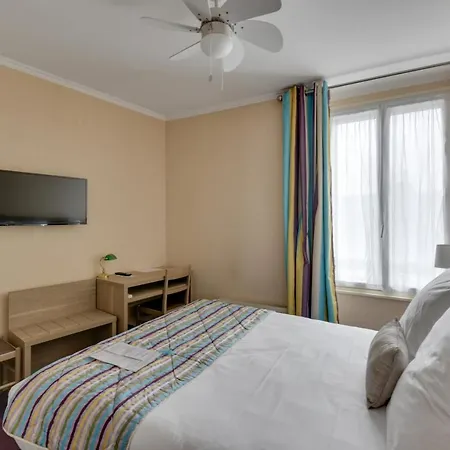
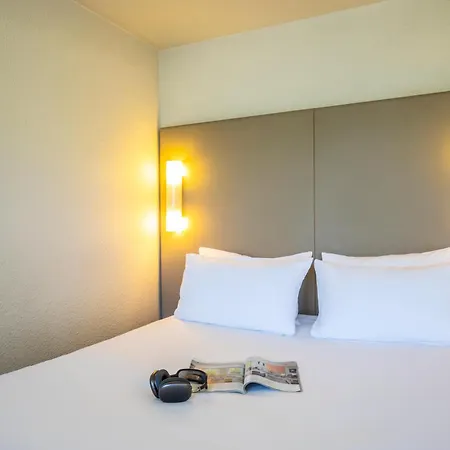
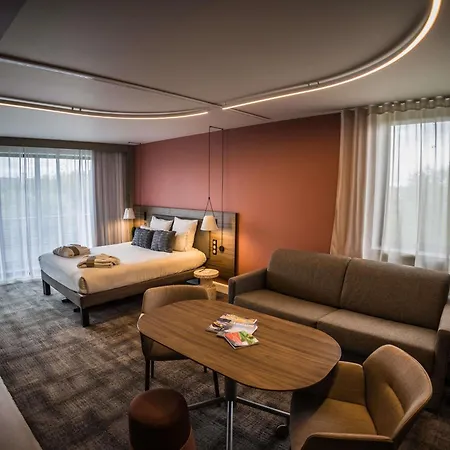
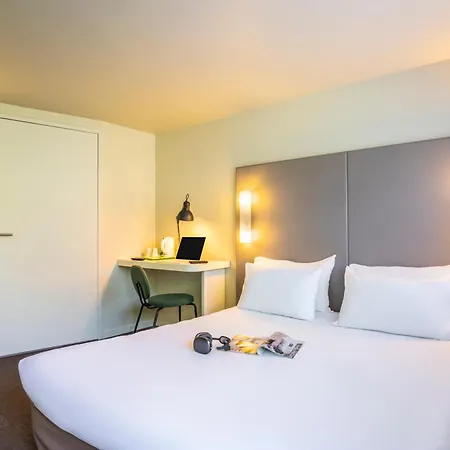
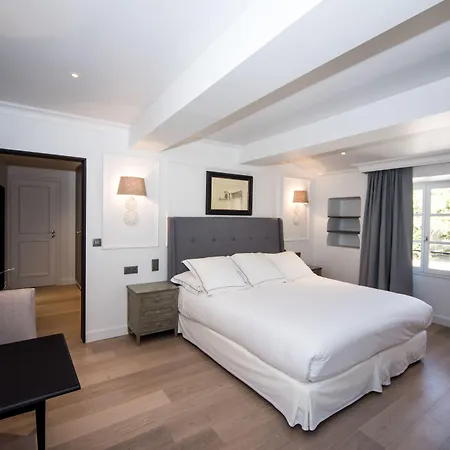
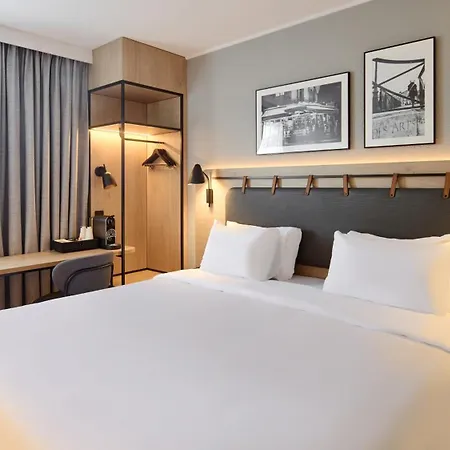
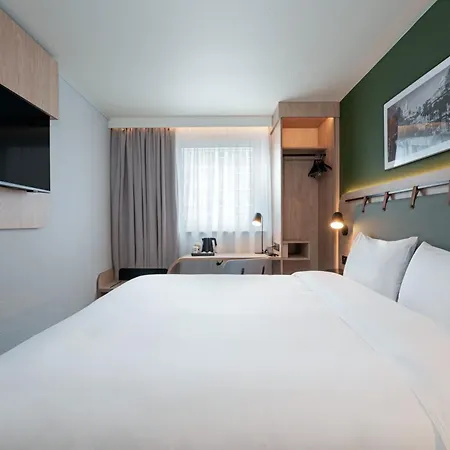
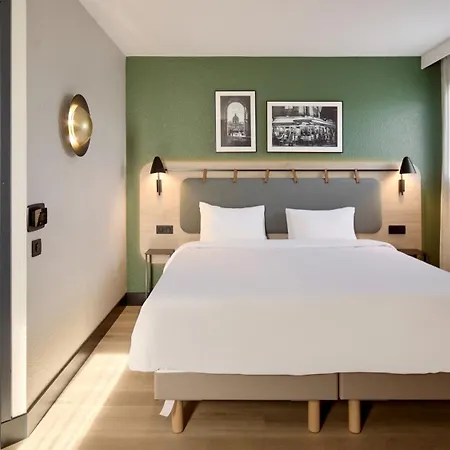
The rooms comprise a patio and a dressing area complete with an ironing set and air conditioning, as well as a flat-screen TV with satellite channels. For your comfort, you will find a walk-in shower and a separate toilet, along with a hair dryer and towels.
Relax
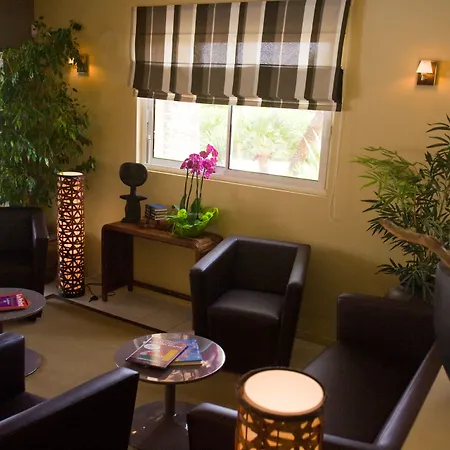
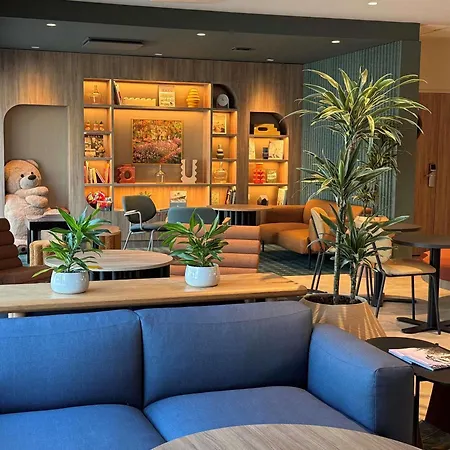
A shared lounge and various recreational opportunities are also featured at the non-smoking Ibis Angers Centre Chateau.
Location
This Angers hotel has a prime location 19 minutes' walk from Parc Bellefontaine, while shopping venues like Adam House Gift Shop are just a 5-minute walk away. The Angers property in the Downtown district is located only steps away from the Roman Catholic church "Cathedrale St-Maurice".
Eat
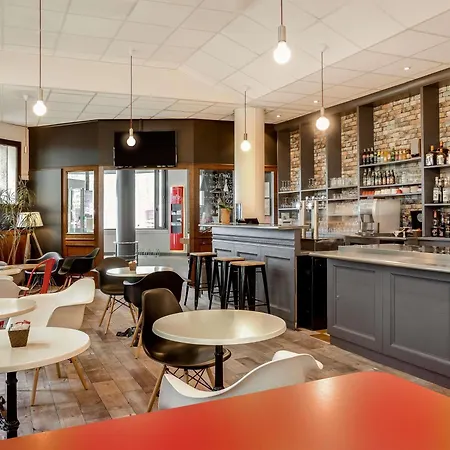
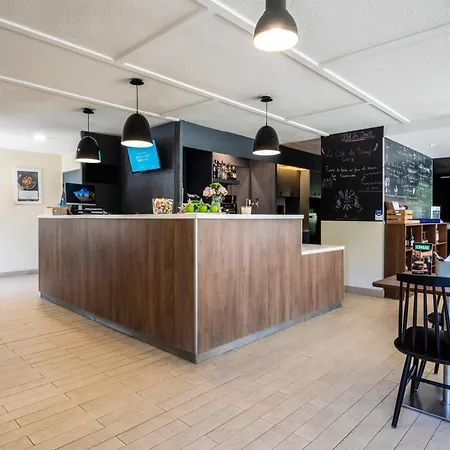
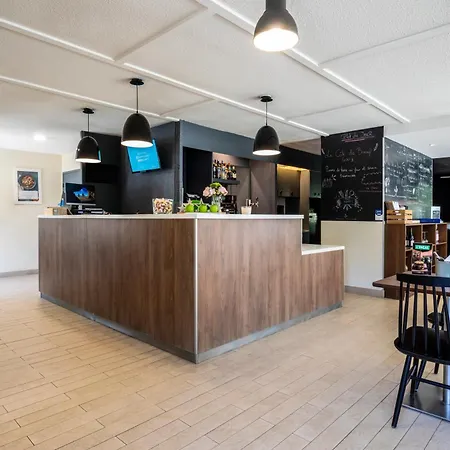
Guests can relax in the on-site snack bar. The bar area includes a lounge. The Ma Petite Boulangerie is about a 5-minute stroll from this accommodation.
Rooms
Other Great Stays in ANGERS
Facitilies
Facilities
- Flat-screen TV
- In-room computer
- AM/FM alarm clock
Rooms
- Air conditioning
- Heating
- Dressing area
- Patio
- Ironing facilities
Dining facilities
- Restaurant
- Snack bar
- Bar/ Lounge area
Services
- Housekeeping
- Dry cleaning
- Welcome drink
Activities for Kids
- Cots
- Children's menu
Reviews
Tourist VR
Categories
-
Cleanliness 8.5
-
Comfort 8.3
-
Facilities 7.9
-
Free WiFi 8.1
-
Location 9
-
Total 8
-
Value for money 7.9
Theodore
Malcolm
Jack
Rob
Martin
Yvon
Discover Hotels Across the France

Location
- 1. Eglise Saint-Laud d'Angers 680 m (2231 ft)
- 2. Museum des Sciences Naturelles 810 m (2657 ft)
- 3. Musee Lurcat 780 m (2559 ft)
- 4. Fontaine Monumentale 940 m (3084 ft)
- 5. Musee des Beaux-Arts 610 m (2001 ft)
- 6. Musee ou Logis Pince 440 m (1444 ft)
- 7. Jardin des plantes d'Angers 970 m (3182 ft)
- 8. Eglise Notre-Dame-des-Victoires 700 m (2297 ft)
- 9. Galerie David d'Angers 630 m (2067 ft)
- 10. Place du Ralliement 440 m (1444 ft)
- 1. Bar Le Chic 280 m (919 ft)
- 2. Cats And Cookies 220 m (722 ft)
- 3. Le Sun 7 240 m (787 ft)
- 4. Tapas100Balles 360 m (1181 ft)
- 5. M'tacos 260 m (853 ft)
- 6. Pizza Tempo 320 m (1050 ft)
- 7. Tom Yam Food 210 m (689 ft)
- 1. Coeur de Maine 60 m (197 ft)
- 2. Moliere 220 m (722 ft)
- 3. Republique 270 m (886 ft)
- 4. Beaurepaire 360 m (1181 ft)
- 5. Gares Semard 1.08 km (3543 ft)


Address
View mapRue De La Poissonnerie
Key Features
Check-In:
from 12:00 until 23:59
Check-Out:
until 12:00
Contact Information
Contact phone
241861515
Website
Visit hotel website
h0848@accor.com