


Adults:
Children:
Overview
- private parking
- free wifi
- family rooms
- facilities for disabled guests
- non-smoking rooms
- room service
- tea/coffee maker in all rooms
- bar
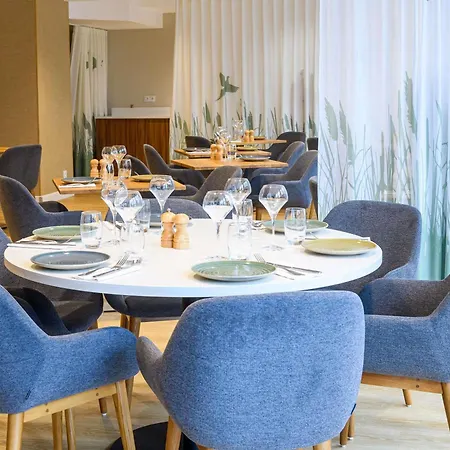
- excellent breakfast
Intro
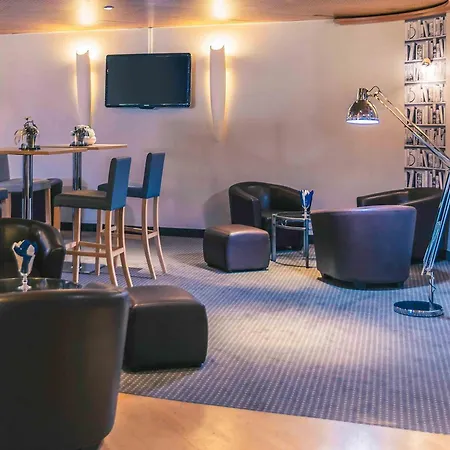
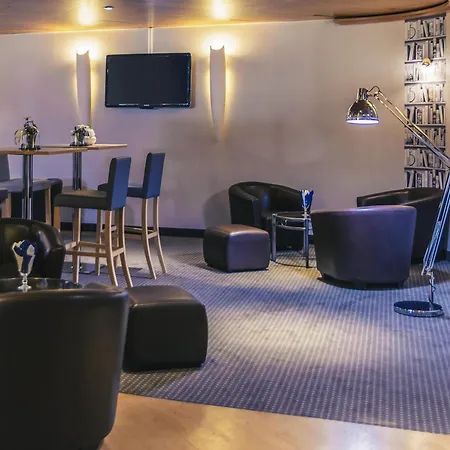
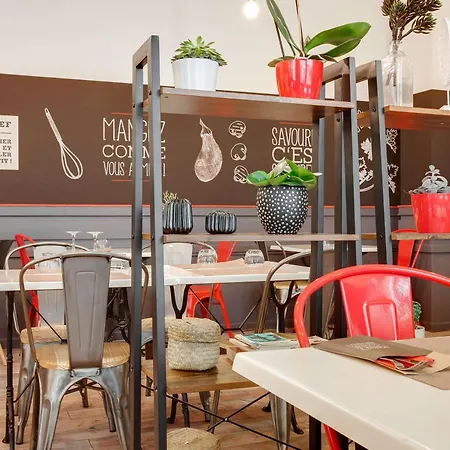
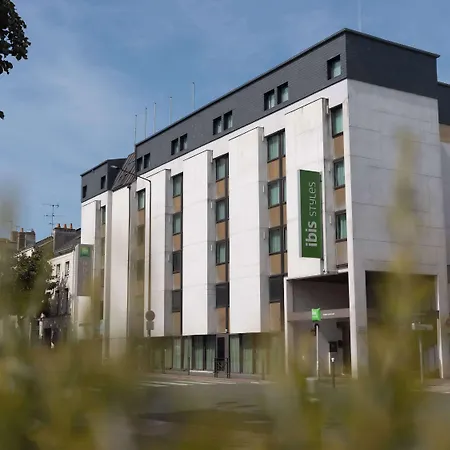
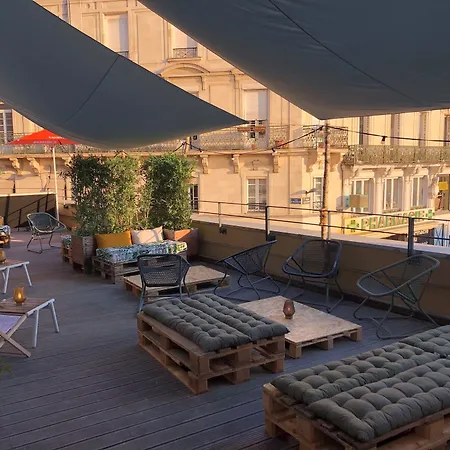
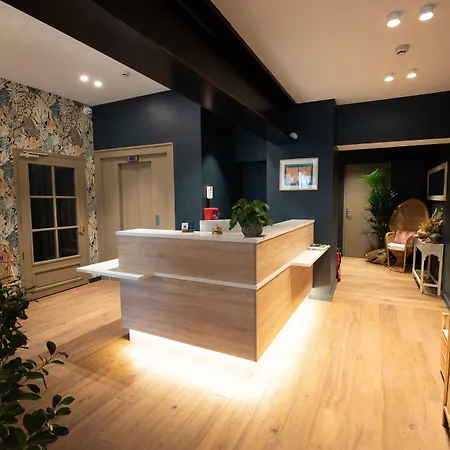
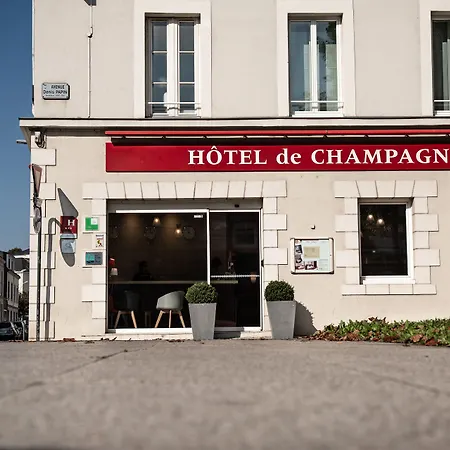
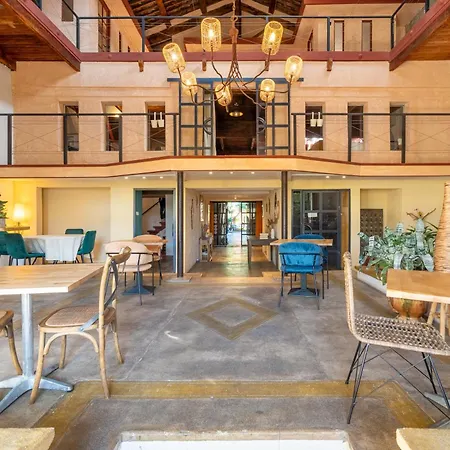
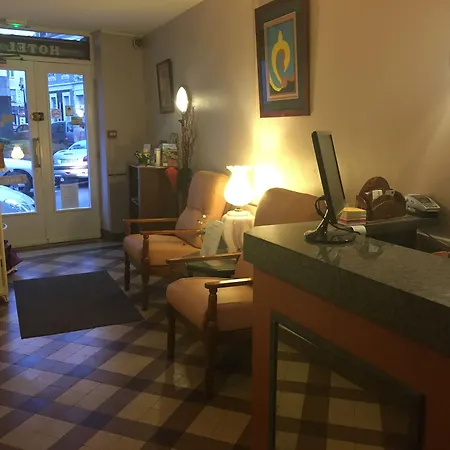
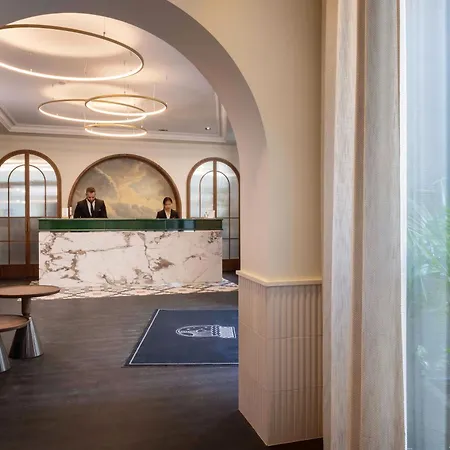
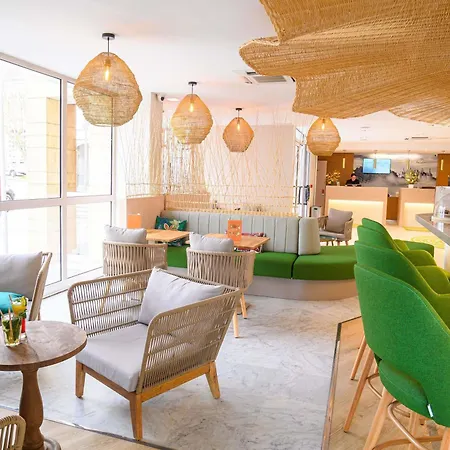
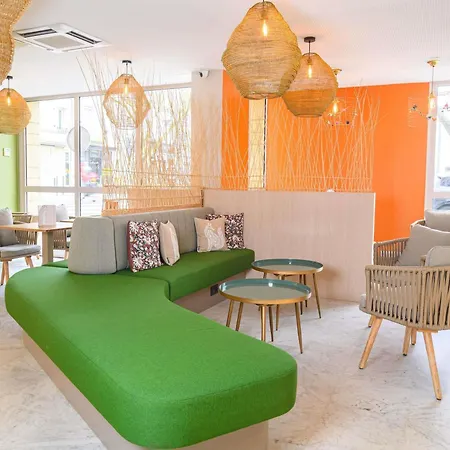
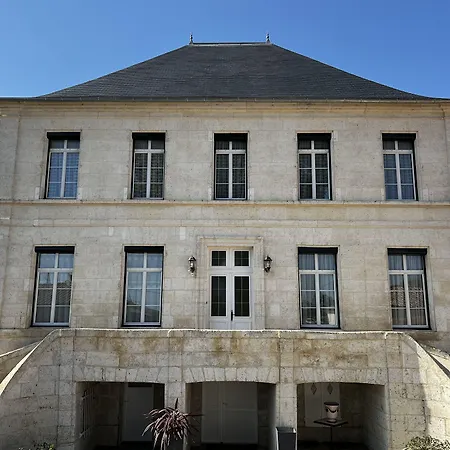
The quality 4-star Mercure Angers Centre De Congres hotel is situated in a busy area of Angers, merely 0.8 miles from Chateau Angers and about 5 minutes by foot from Fontaine Monumentale Garden. A lounge bar as well as a shared lounge and various recreational opportunities can be enjoyed at the non-smoking hotel, boasting the setting in proximity to Jardin des plantes d'Angers.
Rooms
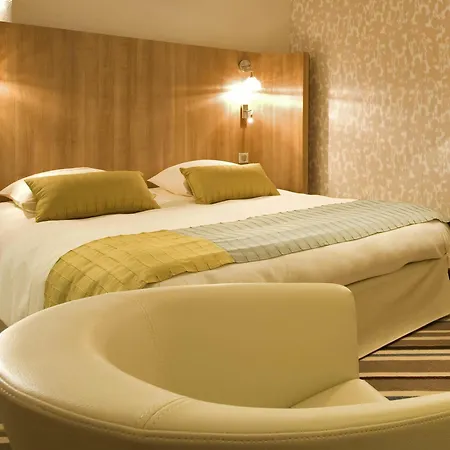
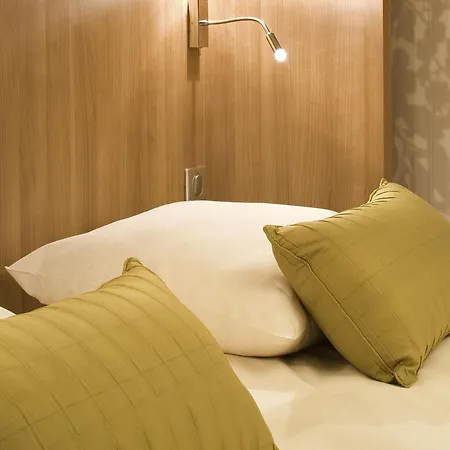
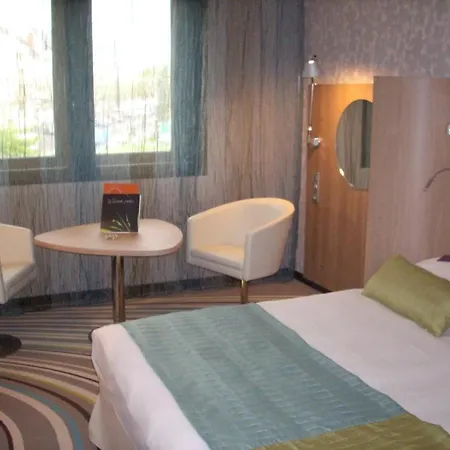
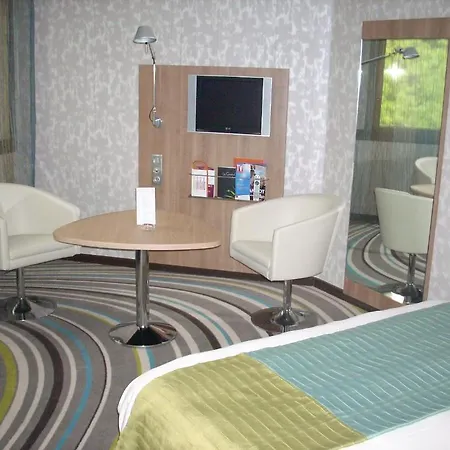
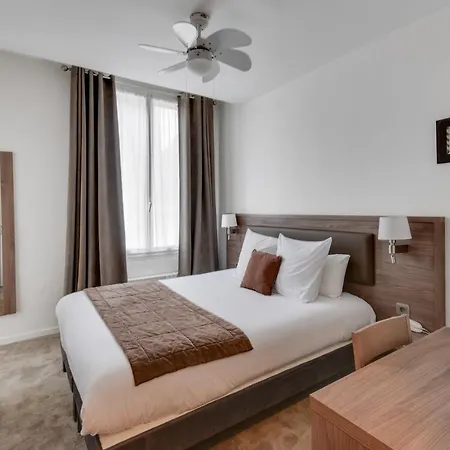
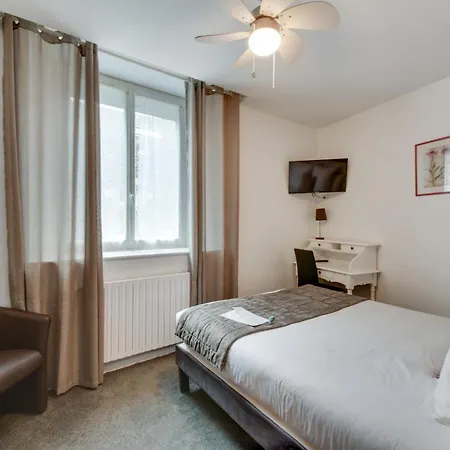
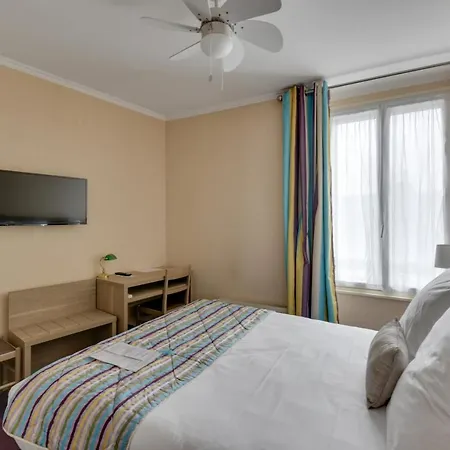
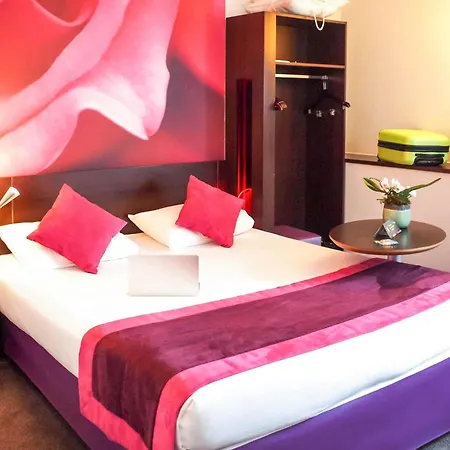
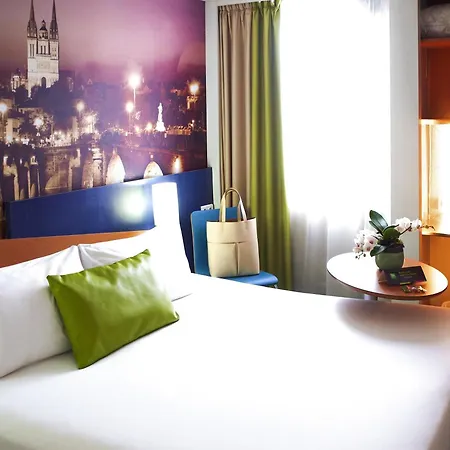
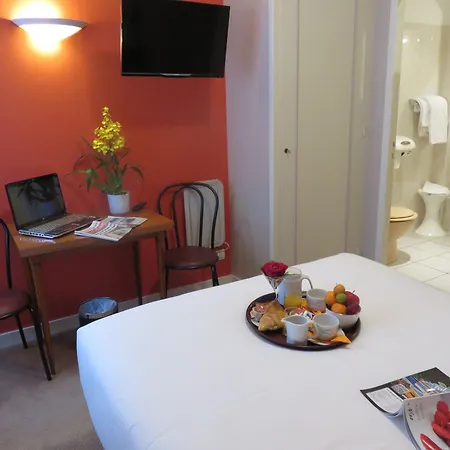
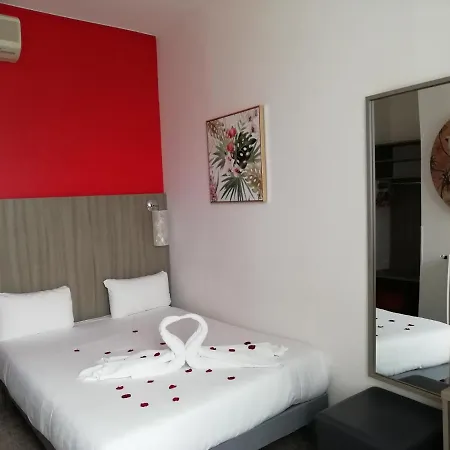
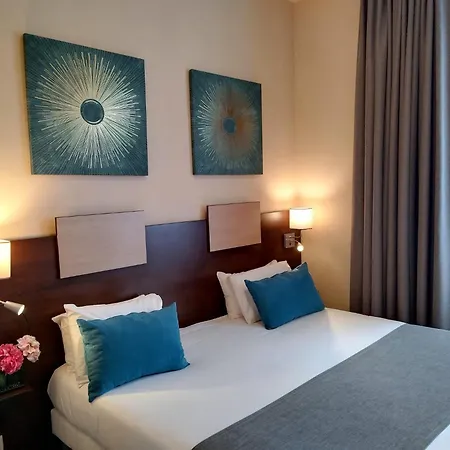
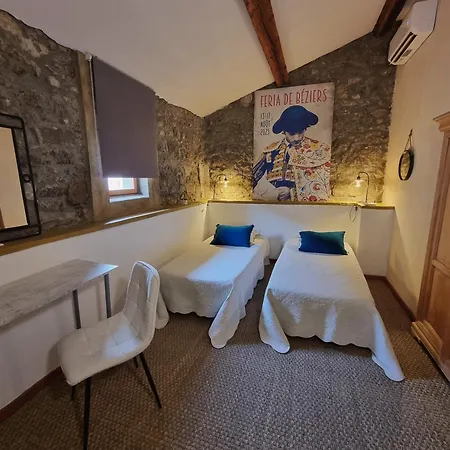
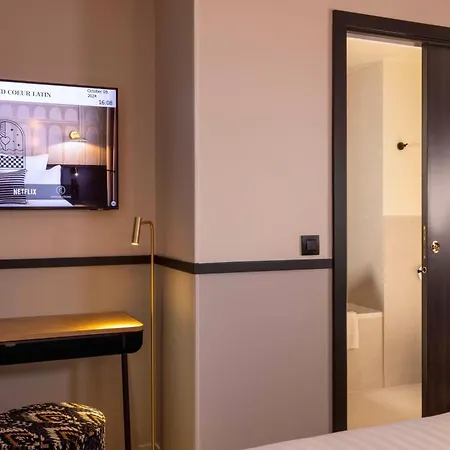
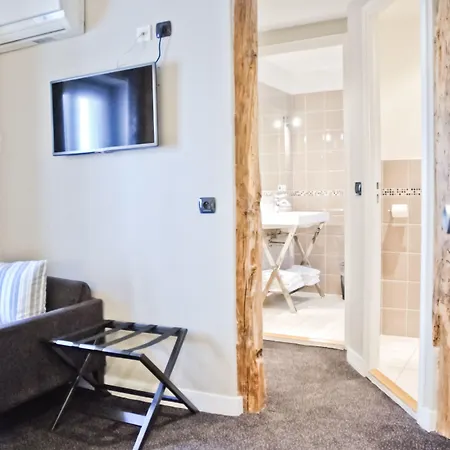
All of the air-conditioned rooms are appointed with flat-screen television along with an electric kettle and a coffeemaker, and some of them include a sitting area and a kitchenette. Furnished with a writing table, they also have soundproof windows. Some of the medium-sized rooms boast inner courtyard views. An a handy kitchenette with an electric kettle and coffee & tea making machines are available in an apartment.
Location
This Angers hotel has a central location around 25 minutes' walk from Arboretum Gaston Allard, while shopping venues like Place du Ralliement are just 9 minutes' walk away. Sports fans will also enjoy visiting Stade Raymond Kopa Stadium, 1.5 miles from the stylish Mercure Angers Centre De Congres.
Eat
You may walk 5 minutes to Thai L'inde or eat by Columbus Cafe & Co, located 500 feet away.
Rooms
Other Great Stays in ANGERS
Facitilies
Facilities
- Flat-screen TV
- AM/FM alarm clock
Rooms
- Air conditioning
- Heating
- Mini-bar
- Soundproofed rooms
- Tea and coffee facilities
Dining facilities
- In-room breakfast
- Bar/ Lounge area
- Electric kettle
Services
- Room service
- Housekeeping
- Welcome drink
Reviews
Tourist VR
Categories
-
Cleanliness 8.9
-
Comfort 8.9
-
Facilities 8.6
-
Free WiFi 8.5
-
Location 9.2
-
Total 8.5
-
Value for money 8.1
Alexander
Rowan
Alexander
David
Discover Hotels Across the France

Location
- 1. Musee Regional de l'Air 690 m (2264 ft)
- 2. Musee Lurcat 1.04 km (3412 ft)
- 3. Chateau Angers 1.39 km (4560 ft)
- 4. Place du Ralliement 740 m (2428 ft)
- 5. Adam House 920 m (3018 ft)
- 6. Eglise Notre-Dame-des-Victoires 350 m (1148 ft)
- 7. Galerie David d'Angers 1.16 km (3806 ft)
- 1. Au Fut et a Mesure 200 m (656 ft)
- 2. Un Chef En Salle 330 m (1083 ft)
- 3. Le James Joyce 60 m (197 ft)
- 4. L'Angevigne 410 m (1345 ft)
- 5. American Fury 230 m (755 ft)
- 6. Le Poulet Bicyclette 190 m (623 ft)
- 7. Z gourmet's 200 m (656 ft)
- 1. Mendes France 180 m (591 ft)
- 2. Boreau 210 m (689 ft)
- 3. Hotel de Ville 320 m (1050 ft)
- 4. Savary 360 m (1181 ft)
- 5. Gares Semard 1.63 km (1.01 mi.)


Address
View map1 Place Mendes France
Key Features
Check-In:
from 14:00 until 23:59
Check-Out:
until 12:00
Contact Information
Contact phone
33241603481
Website
Visit hotel website
H0540@accor.com