


Basilique Notre-Dame de Fourvière
by Klod5
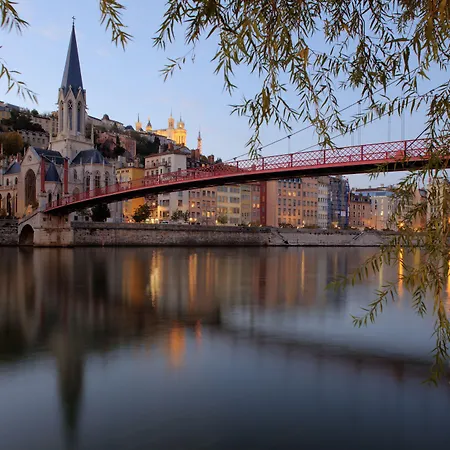
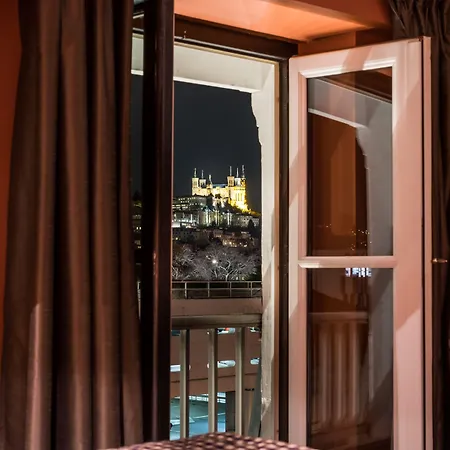
La basilique de Notre-Dame de Fourvière domine la ville de Lyon depuis le sommet de la colline de Fourvière, sur l'emplacement de l'ancien Forum de Trajan (Forum vetus, d'où le nom de Fourvière), où Saint Pothin subit le martyre. Son architecture de style néo-byzantin est l'œuvre de Pierre Bossan.
The basilica of Notre-Dame of Fourvière dominates the city of Lyon since the summit of the hill of Fourvière, on the site of the former Forum of Trajan (clothed Forum, from where the name of Fourvière), where Saint Pothin undergoes the martyrdom. Its architecture of neo-Byzantine style is the work of Pierre Bossan. L'histoire de la basilique commence en 1643. Une épidémie de peste faisant rage aux alentours de Lyon, un collectif de femmes prie la Vierge Marie d'épargner la ville. Leur prière ayant été exaucée, les Lyonnais rendent hommage à Marie en élevant une église au sommet de la colline. À l'occasion du bicentenaire de ce miracle, le 8 décembre 1843, une statue en or de la Vierge Marie est ajoutée au sommet de l'eglise. Depuis, chaque année, le 8 décembre, les Lyonnais célèbrent la fête des Lumières.
L'histoire se répète : en 1870, les Prussiens s'emparent de Paris et progressent vers le sud. Les militaires sont aux portes de la Bourgogne lorsqu'à nouveau des femmes se rassemblent pour implorer la Vierge d'épargner la ville. Dans les jours qui suivent, l'armée de Bismarck bat retraite. Lyon est sauvé. En remerciement, une basilique vient remplacer l'église de Fourvière.
Les travaux commencés en 1872 s'achèvent douze ans plus tard. Cependant, il faudra attendre 1964 pour que l'intérieur de la basilique soit achevé, avec ses mosaïques, ses sculptures et ses vitraux.
The history of the basilica begins in 1643. An epidemic of pestilence raging in the surroundings of Lyon, a collective of women asks the Virgin Marie to save the city. Their prayer having been granted, the Of Lyons do homage to Marie while raising a church to the summit of the hill. On the occasion of the bicentennial of this miracle, December 8, 1843, a gold statue of the Virgin Marie is added to the summit of the church. Since, every year, December 8, the of Lyon celebrate the feast of Lights.
History repeats itself: in 1870, the Prussians seize Paris and progress southwards. The soldiers are at the doors of Burgundy when all over again some women assemble to implore the Virgin to save the city. In the days that follow, Bismarck's army beats retirement. Lyon is saved.
Thiers
by dejavu2gb
Thiers is about a 2 hour drive from Lyon towards the south, and well worth the visit. Although I have to honestly say that we only stopped for a short while as we were on our way back to Lyon.
When coming from the outskirts you can see the town in the distance, and it makes for very good photo opportunity.
I will definitely return for anoter longer visit.
Its a good place to escape to when you need to get away and have a relaxing weekend in the countryside.
My favorite restaurant has to...
by aaricia
My favorite restaurant has to be 'le chant de laure' you'll have to ask me where it is, it's easy to get there but its a small place where you can eat crepes...a typically french meal.But if you want luxuriuos french food (yes food is luxurious in france) you have the very famous 'bocuse' restaurant its known all over france.There's also 'leon de lyon' where the presidents went during the G7 meeting
nice price=) crepes!!!with anything you want in them from bacon to chocolate
Institut Lumiere
by Natrix
Being a cineast, one of my absolute favourite addresses in Lyon is the Institut Lumiere, a museum and film institute dedicated to the Lumiere brothers, brilliant inventors and pioneers of cinematography.
The museum is situated in the former Lumiere mansion, a beautiful art nouveau style villa. Here you can watch some of the earliest films ever recorded, mostly documenting scenes of everyday life at the time in France and elsewhere (for example there's this delicious clip of Spanish soldiers dancing joyfully for no apparent reason...). Entrance is 5/6 Euro.
The first film shot by the Lumiere brothers shows workers exiting from their factory. The ancient entrance of the factory was preserved and is now part of a modern building, the cinema of the Institut Lumiere, where you can watch old and new classics of cinema. Every 1-2 months they feature a different actor or film director, I love it.... The address of this very fine cinema is the "Rue du premier film". Here you can also find the "mur des cineastes", a wall with a plate for every moviemaker to visit the institute and pay hommage to the Lumiere brothers. As you can imagine, this is a real place of worship for movie-lovers with proud names like Max Ophuels, Elia Kazan and Wim Wenders shining from the wall...
Two Amphitheaters Next To Each Other
by hquittner
Set into the side of the Fourviere hill are the remains of a large theater which was built in 15BC by Augustus while below it to the right is a smaller amphitheater built in the middle of the 2AC. The larger one had its seating enlarged to a third level to bring it to over 10,000 seats, also in the mid-second century. Its finished diameter is 108.5m. It has been restored for summer performances called the Nuits de Fourviere. The smaller amphitheater is called an Odeon with a diameter of 73m which also has been restored. It can seat 3,000 and in the past was used for musical performances, lectures and official meetings. It appears that it also had a sort of cover. On the left of the two theaters is the new Museum that contains Gallo-Roman artefacts. It was finished in 1975; it spirals down into the hillside.