


Adults:
Children:
Overview
- parking on site
- free wifi
- non-smoking rooms
- fitness center
- restaurant
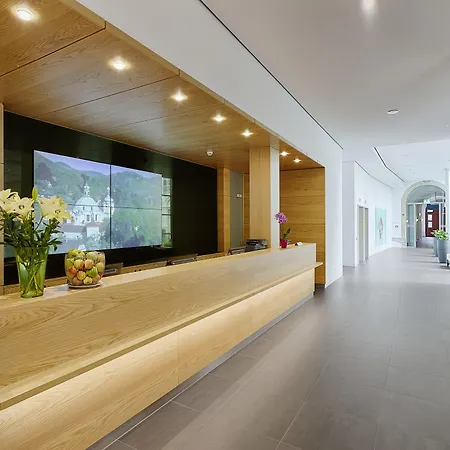
- 24-hour front desk
- facilities for disabled guests
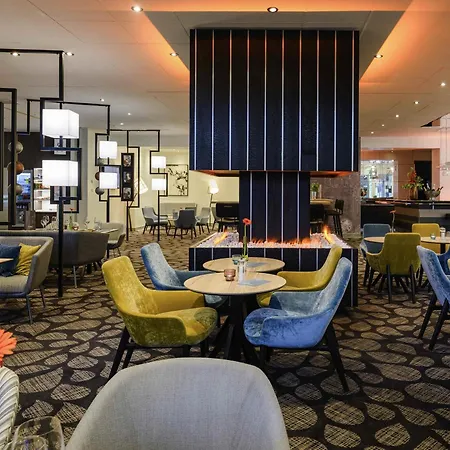
- bar
- very good breakfast
Intro
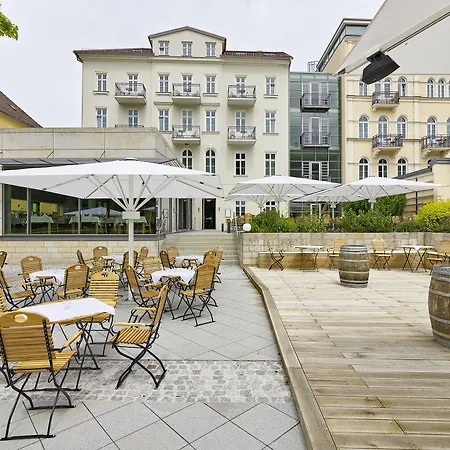
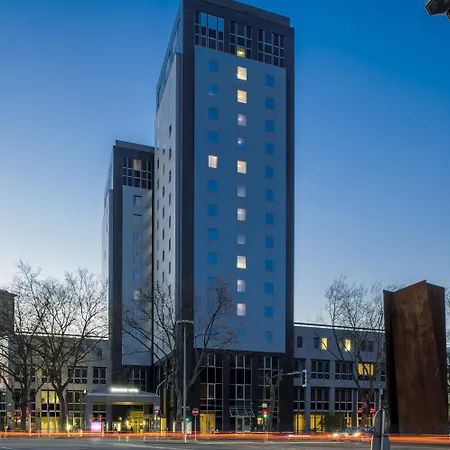
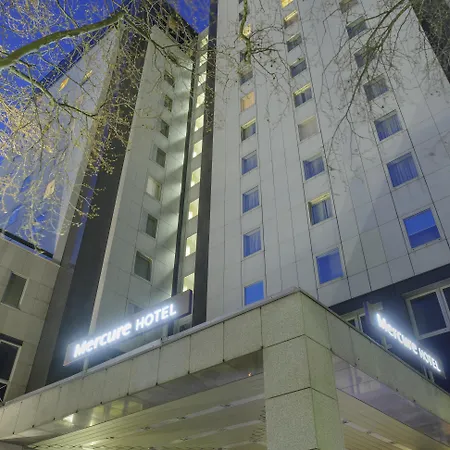
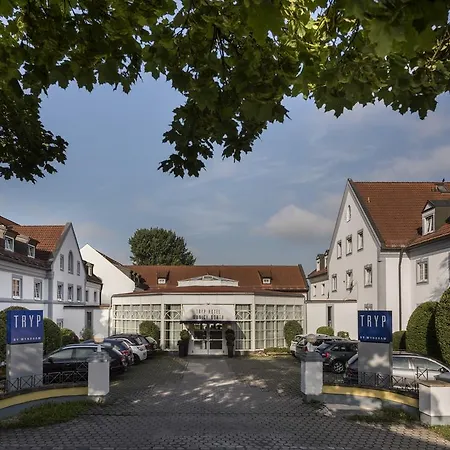
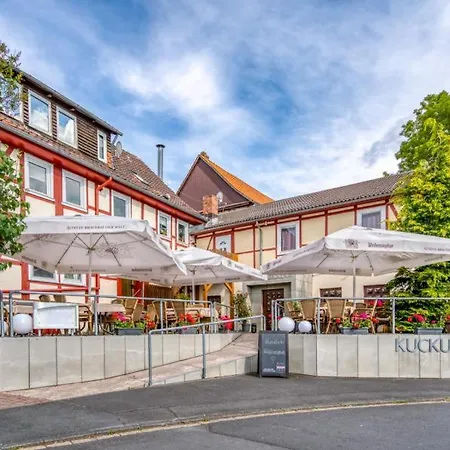
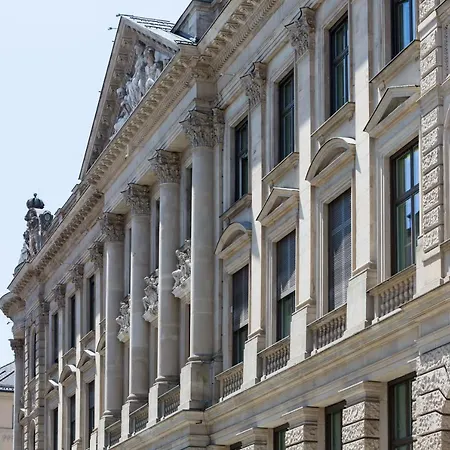
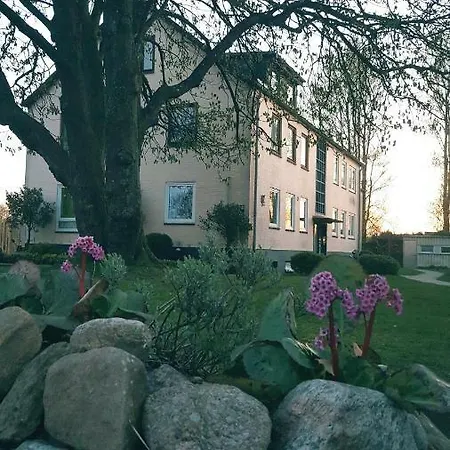
The 4-star Pentahotel Braunschweig hotel, situated about a 5-minute stroll from Happy RIZZI House, entices guests with a sauna, a shared lounge, and various recreational opportunities. Centrally located in the City Center district, the comfortable hotel features 139 rooms, 2.7 miles from such family-friendly attractions as Arche Noah Zoo.
Rooms
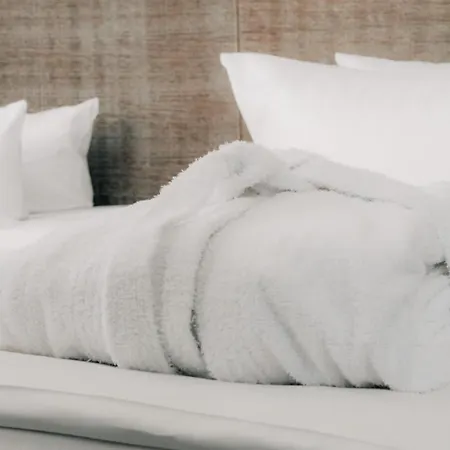
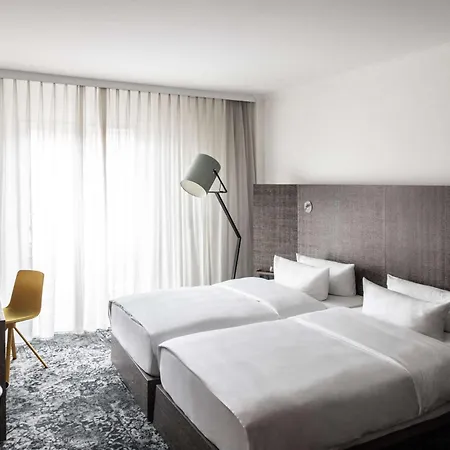
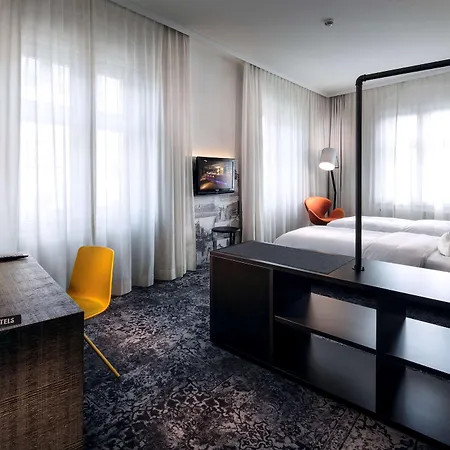
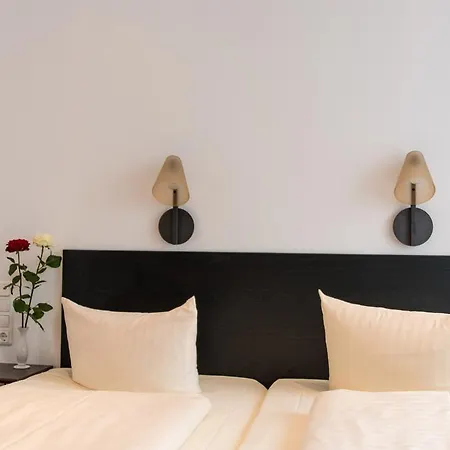
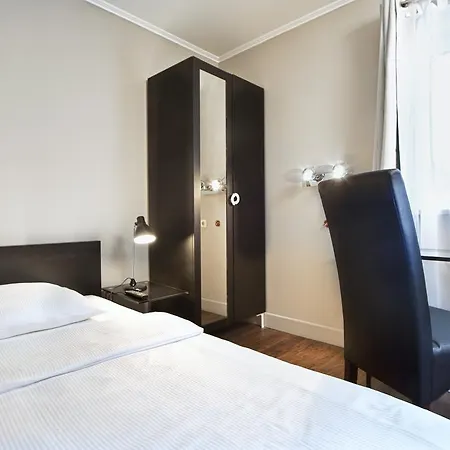
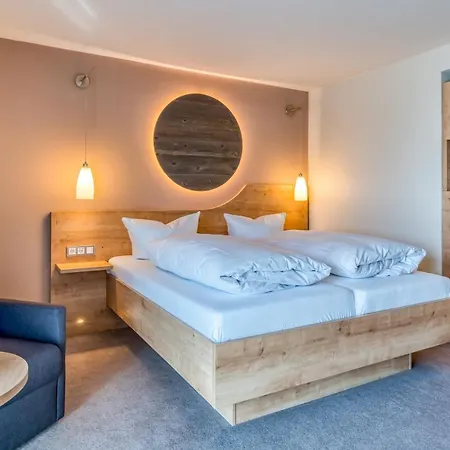
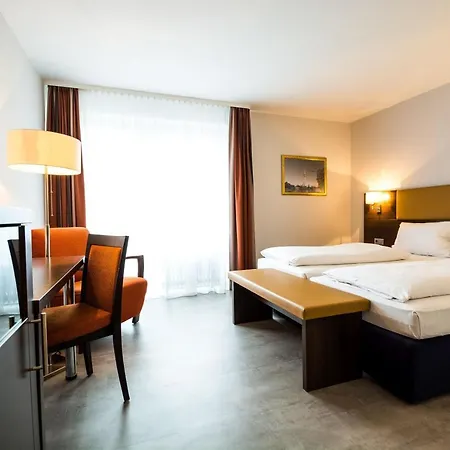
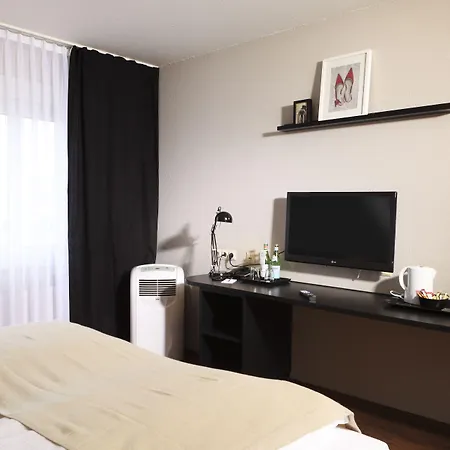
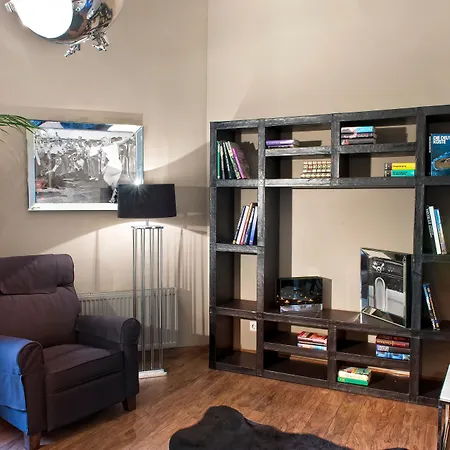
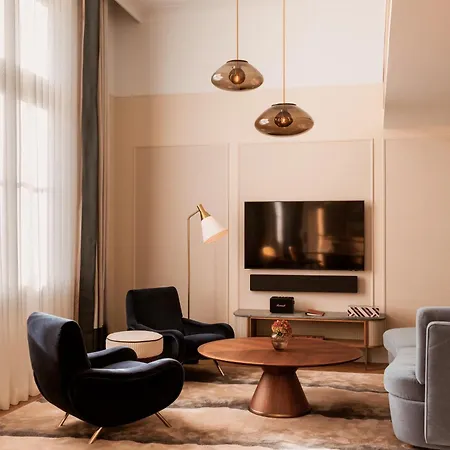
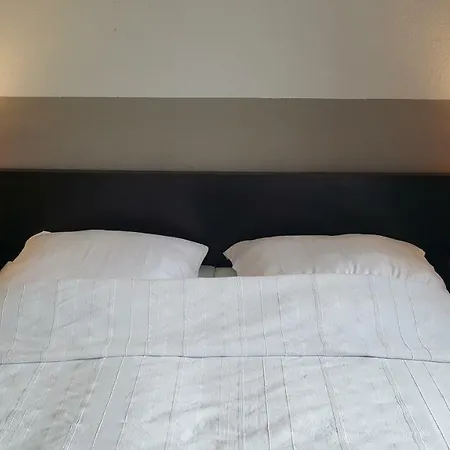
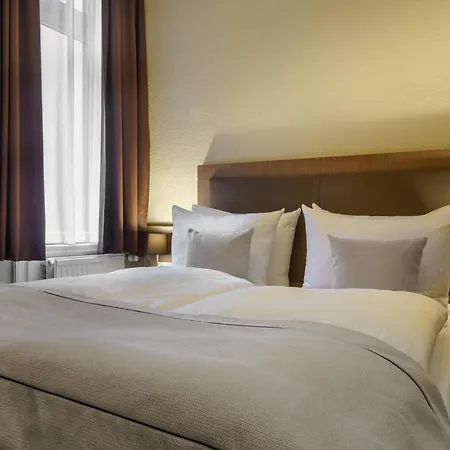
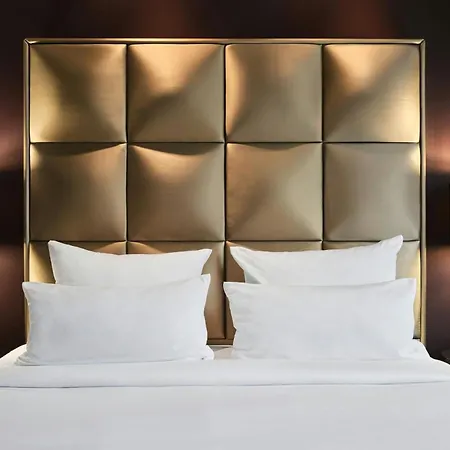
Some of the air-conditioned rooms have a seating area and a kitchenette, and such facilities as free wireless internet and flat-screen television, along with an electric kettle and coffee/tea making equipment. The rooms are designed in a stylish manner. Offering a walk-in shower and a separate toilet, the bathrooms are also appointed with a hair dryer and bath sheets. You can also enjoy inner courtyard views from some of these stylish rooms. This Braunschweig hotel also offers an apartment with an a handy kitchenette including a microwave oven, an electric kettle, and tea and coffee making facilities.
Relax
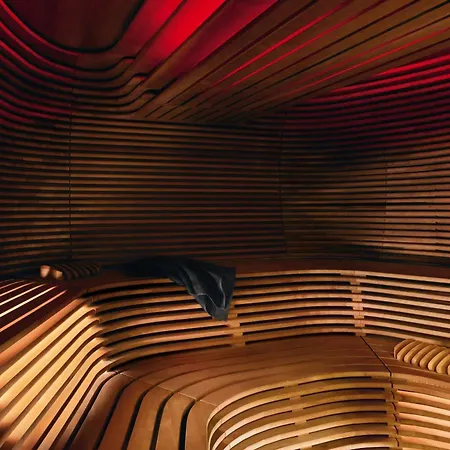
A fitness suite and a swimming pool are available at the cozy Pentahotel Braunschweig. Also, at the designer hotel, guests can take advantage of a billiard room provided onsite.
Location
This hotel boasts a good location in the center of Braunschweig, right near Schloss Arkaden Mall. Rathaus Braunschweig in Braunschweig is approximately 10 minutes' walk from the accommodation.
Eat
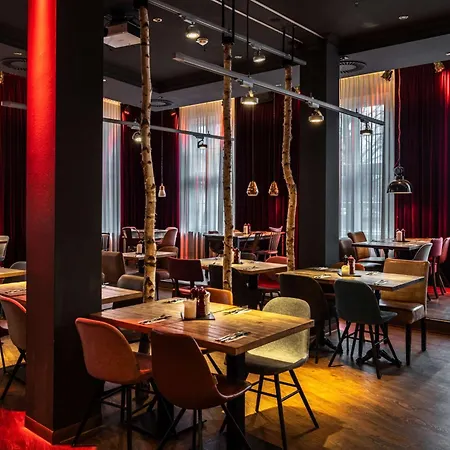
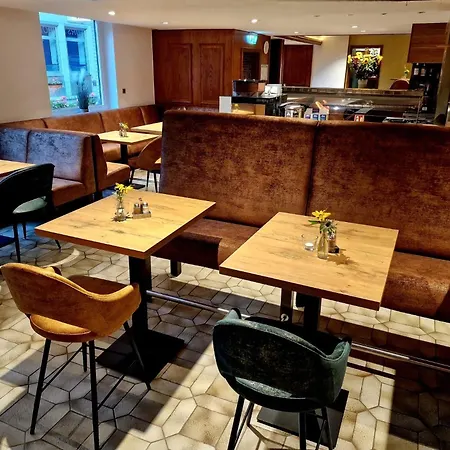
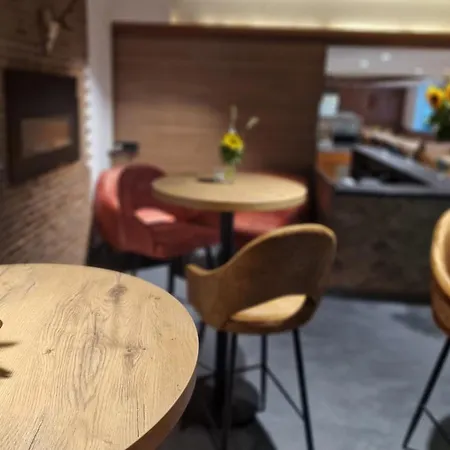
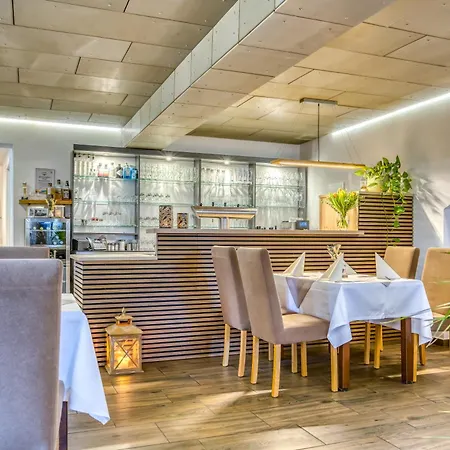
The à la carte Penta restaurant serves a variety of dishes, including international cuisine. Guests can relax in the on-site lounge bar.
Rooms
Other Great Stays in BRAUNSCHWEIG
Facitilies
Facilities
- Flat-screen TV
Rooms
- Heating
- Tea and coffee facilities
Dining facilities
- Restaurant
- Bar/ Lounge area
- Special diet menus
Services
- Pet amenities available
- Dry cleaning
Relax
- Leisure/ TV room
- Sauna
- Fitness centre
- Billiard tables
Activities for Kids
- Cots
- Children's menu
- Game room
Reviews
Tourist VR
Categories
-
Cleanliness 8.4
-
Comfort 8.3
-
Facilities 8
-
Free WiFi 8.2
-
Location 8.8
-
Total 7.8
-
Value for money 7.8
Matthew
Hudson
Elizabeth
Naomi
Riley
Christian
Jackson
Discover Hotels Across the Germany
Location
- 1. Schloss Arkaden 580 m (1903 ft)
- 2. Burgplatz Braunschweig 770 m (2526 ft)
- 3. Happy RIZZI House 470 m (1542 ft)
- 4. Stadtisches Museum Braunschweig 350 m (1148 ft)
- 5. Landesmuseum 810 m (2657 ft)
- 6. Dankwarderode Castle 810 m (2657 ft)
- 7. Volkswagen Halle 790 m (2592 ft)
- 8. Brunswick Cathedral 730 m (2395 ft)
- 9. Staatstheater Braunschweig 1.02 km (3346 ft)
- 1. Enoteca Pane e Vino 310 m (1017 ft)
- 2. Badsha 360 m (1181 ft)
- 3. Paradiso 200 m (656 ft)
- 4. Arcachon 420 m (1378 ft)
- 5. Urfa 380 m (1247 ft)
- 6. Romantica 180 m (591 ft)
- 7. Salentino Pizzeria & Bistro 430 m (1411 ft)
- 8. Tolle Knolle 250 m (820 ft)
- 1. Schloss 270 m (886 ft)
- 2. Muenzstrasse 450 m (1476 ft)
- 3. Campestrasse 550 m (1804 ft)
- 4. Rathaus 560 m (1837 ft)
- 5. Braunschweig ZOB Am Hbf 1.44 km (4724 ft)


Address
View mapAuguststrasse 6-8
Key Features
Check-In:
from 15:00 until 23:59
Check-Out:
until 12:00
Contact Information
Contact phone
4953148140
Website
Visit hotel website
info.braunschweig@pentahotels.com