


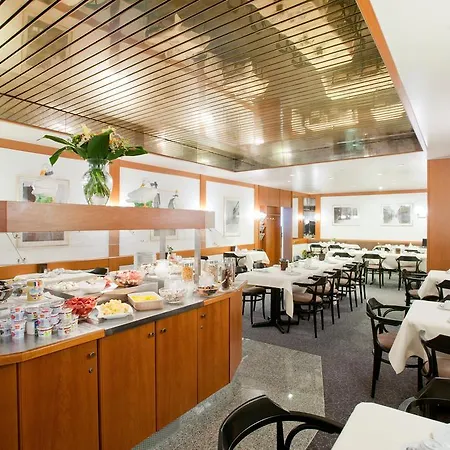
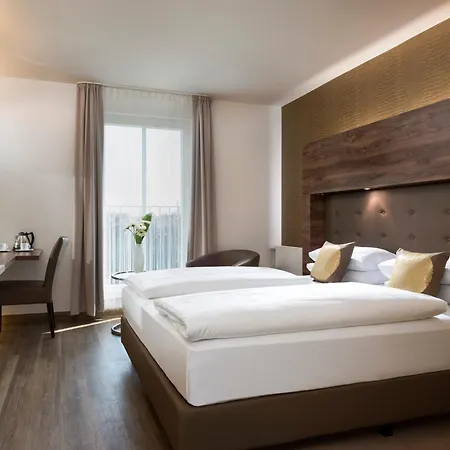
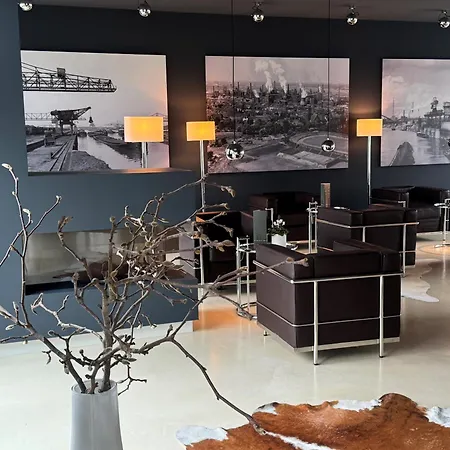
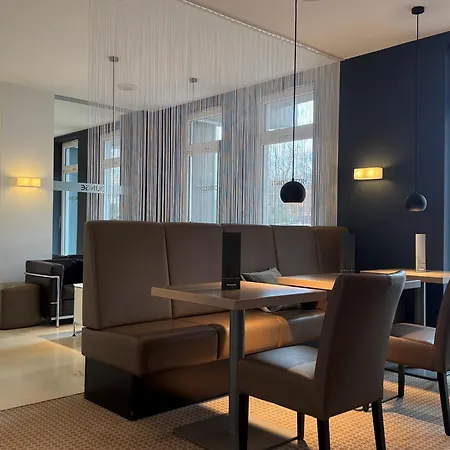
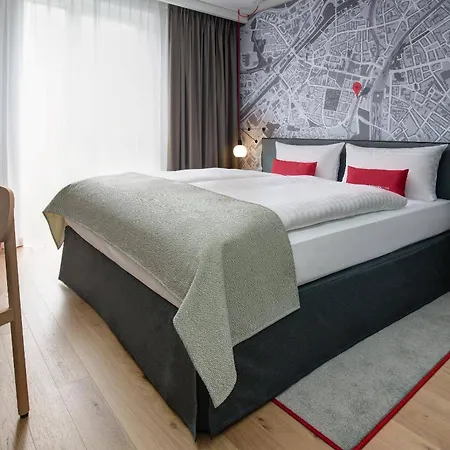
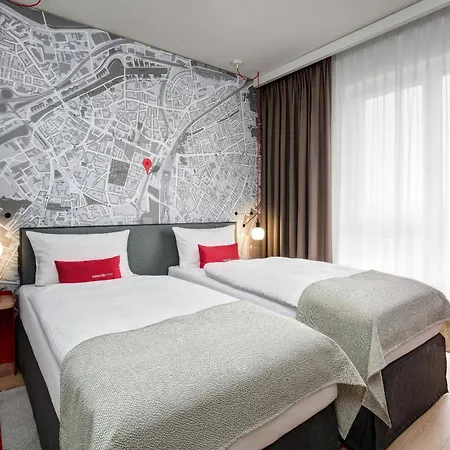
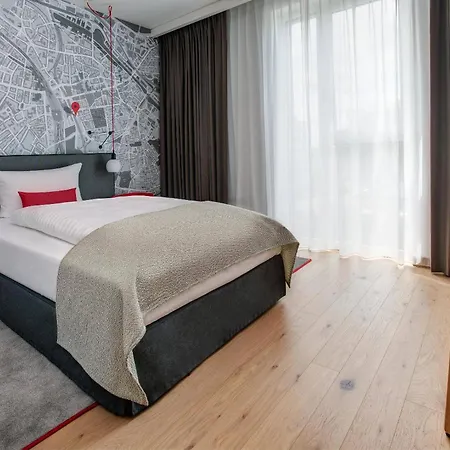
| Name of hotel | Accommodation Rating | Price, $ | |
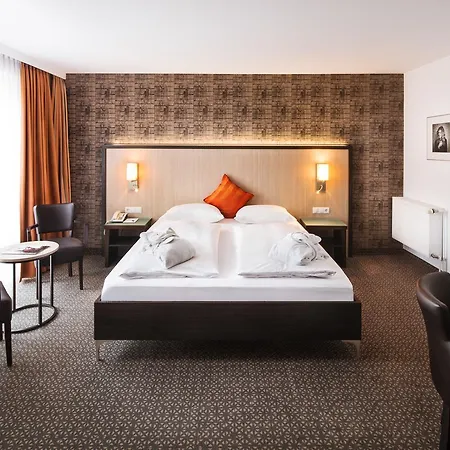
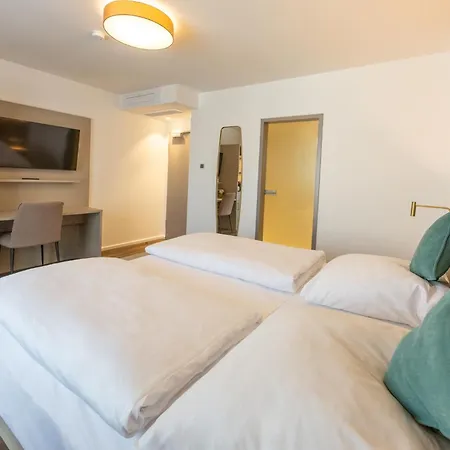
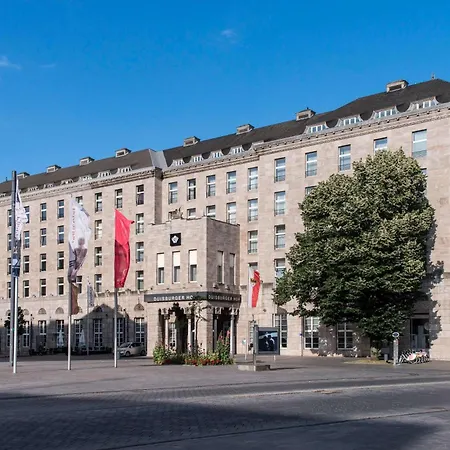
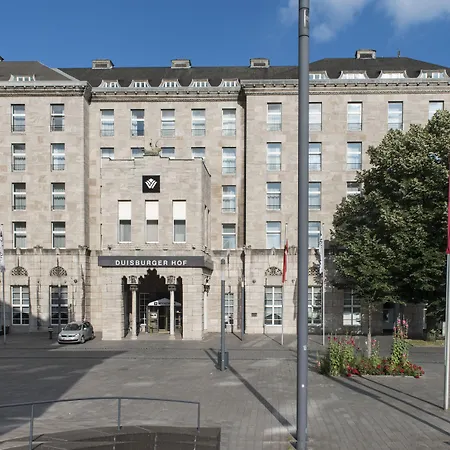
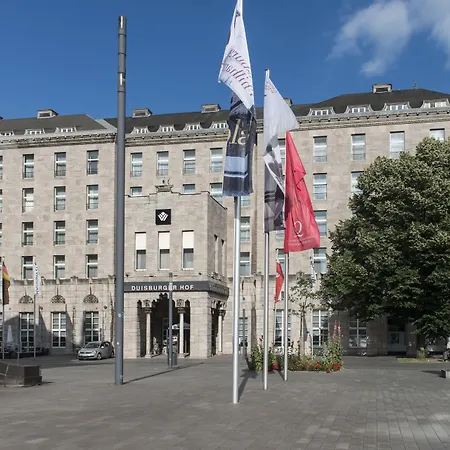
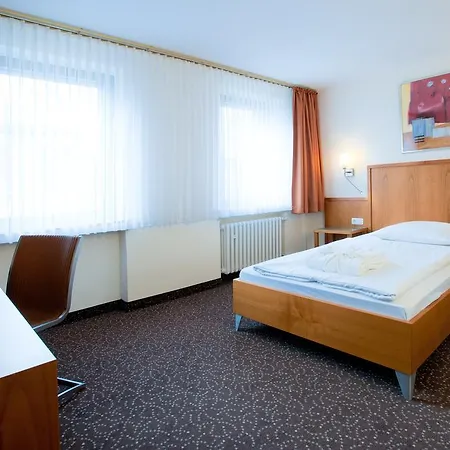
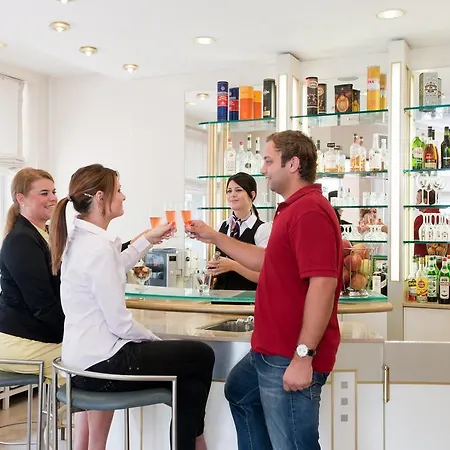
| Wyndham Duisburger Hof |
7.4 / 10 (1908 Reviews) |
From 90US$ | |
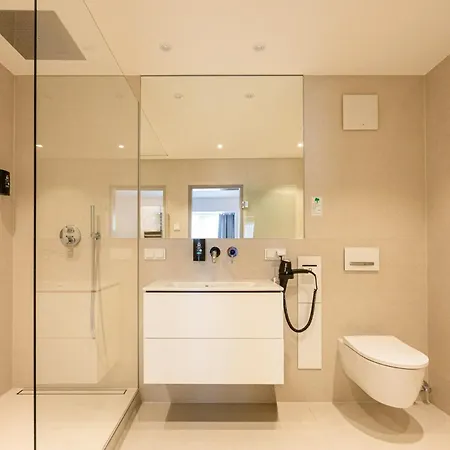
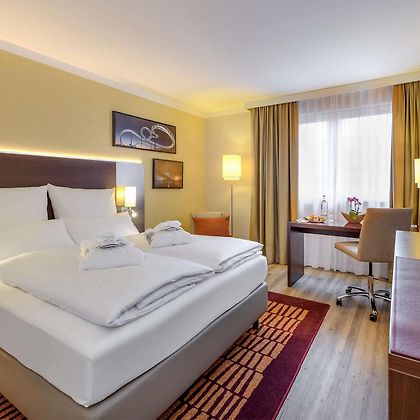
| Mercure Hotel Duisburg City |
7.7 / 10 (2805 Reviews) |
From 70US$ | |
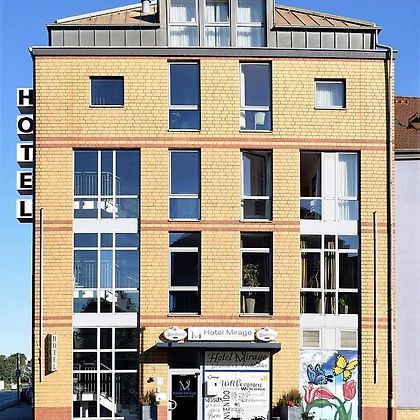
| Hotel Mirage |
8.1 / 10 (949 Reviews) |
From 70US$ | |
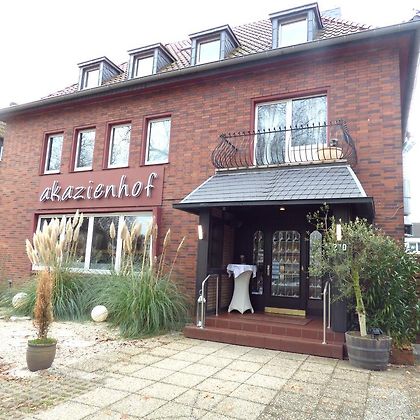
| Hotel Akazienhof |
7.7 / 10 (729 Reviews) |
From 86US$ | |
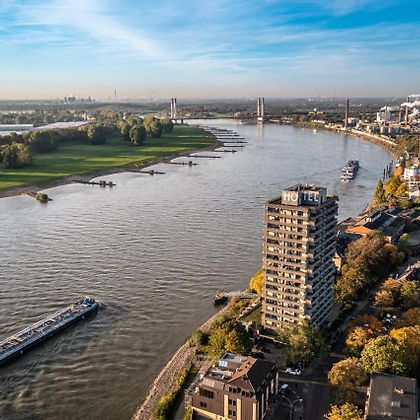
| Hotel Rheingarten |
8.5 / 10 (2640 Reviews) |
From 95US$ |
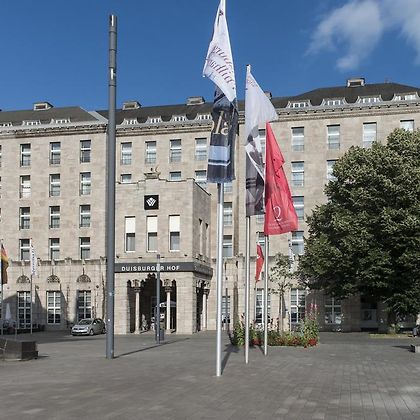
Wyndham Duisburger Hof
From
Mercure Hotel Duisburg City
From
Family-Friendly Hotels in Duisburg, Germany
When traveling with family, finding accommodations that cater to all ages is crucial. The hotels in Duisburg designed with families in mind often feature spacious rooms, kid-friendly amenities, and convenient access to local attractions. From play areas to special family packages, these hotels ensure a comfortable and enjoyable stay for parents and children alike. In this section, we will explore family-oriented hotels that provide not only a place to sleep but also activities and conveniences to make family trips memorable. Each selection combines exceptional service with proximity to child-friendly spots in Duisburg, creating an ideal environment for quality family time.
Hotel Mirage
From
Hotel Akazienhof
From
Business-Friendly Hotels in Duisburg, Germany
Duisburg is a significant business hub, making it essential for business travelers to find suitable accommodations that provide both comfort and functionality. The hotels in Duisburg tailored for business travelers are equipped with high-speed internet, meeting facilities, and convenient access to the city’s commercial districts. In this section, we will delve into hotels that specifically cater to professionals, ensuring that your business trip is productive and pleasant. These establishments are not only strategically located but also offer a range of amenities designed to facilitate work and relaxation after a busy day. From comfortable workspaces to top-notch services, these hotels provide everything business guests need during their stay.
Hotel Rheingarten
From
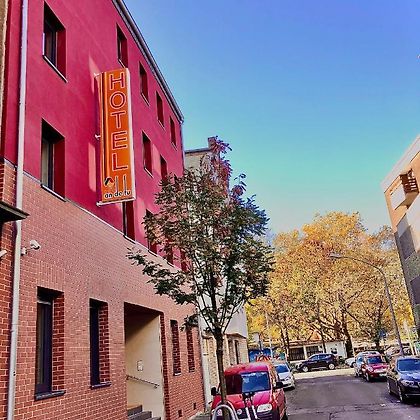
Andefu Hotel Am Kantpark
From
Budget-Friendly Hotels in Duisburg, Germany
Traveling on a budget does not mean you have to compromise on comfort or quality. The hotels in Duisburg that focus on affordability combine value with pleasant experiences. This section highlights budget-friendly accommodations that offer excellent services without breaking the bank, allowing you to enjoy everything Duisburg has to offer. These hotels are perfect for travelers who are looking to explore the city without overspending, and they provide all the essential amenities for a comfortable stay. Discover how these well-priced options can enrich your travel experience while keeping your budget intact.
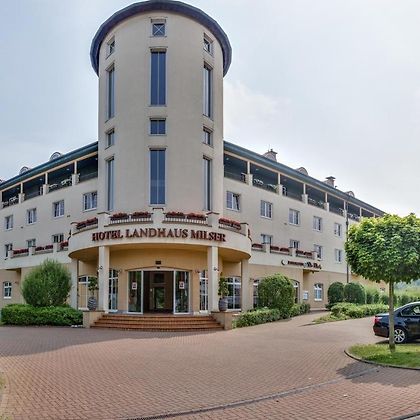
Hotel Landhaus Milser
From
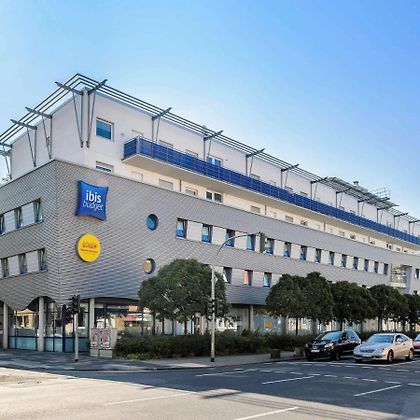
Ibis Budget Duisburg City Am Innenhafen
From
Charming Boutique Hotels in Duisburg, Germany
For travelers seeking a unique and personalized experience, charming boutique hotels can offer a memorable stay away from the typical chain accommodations. The hotels in Duisburg that fall under this category often feature distinctive decor, personalized services, and a focus on character. In this section, we will explore boutique hotels that provide a cozy atmosphere and exceptional hospitality. These establishments often showcase local charm and creativity, inviting guests to immerse themselves in Duisburg’s culture while enjoying a singular hotel experience. Discover the hidden gems that make Duisburg a captivating destination with these charming hotel options.
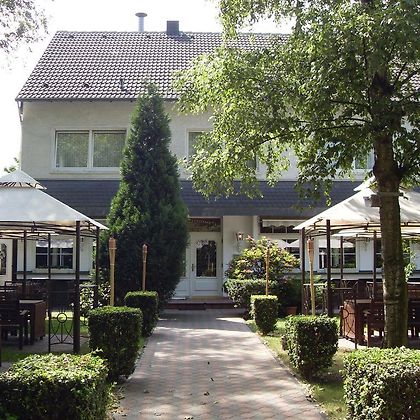
Hotel Am Stadion
From
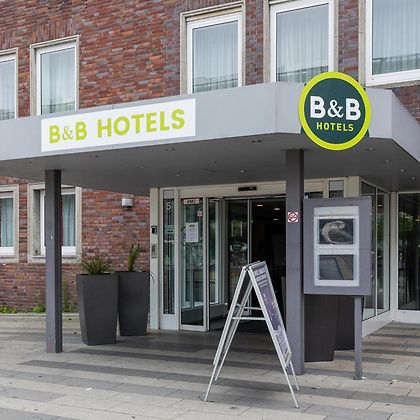
B&B Hotel Duisburg Hbf-Nord
From
Hotels Near Duisburg's Cultural Attractions
Duisburg is rich in cultural heritage and offers a variety of attractions that delight art lovers, history buffs, and casual visitors alike. Staying in hotels near these cultural hotspots enhances the experience, allowing guests to easily explore museums, theaters, and historical sites. The hotels in Duisburg featured in this section are conveniently located near key attractions such as the Museum Küppersmühle, the Duisburg Theater, and the Landschaftspark Duisburg-Nord. By choosing these hotels, guests can immerse themselves in the local culture with minimal hassle, enjoying the convenience of nearby dining and entertainment options. This guide highlights accommodations that not only provide comfortable stays but also enhance the cultural experience in Duisburg.
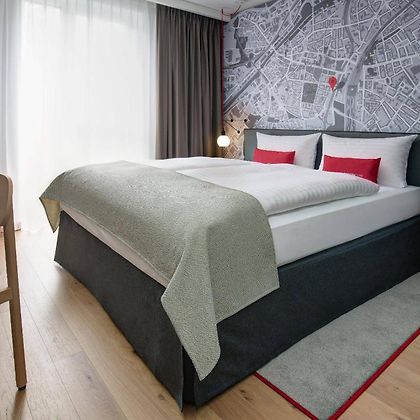
Intercityhotel Duisburg
From
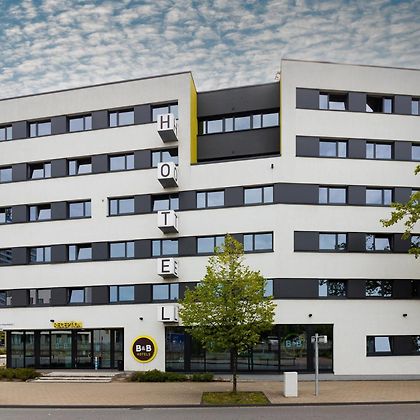
B&B Hotel Duisburg Hbf-Sued
From
Hotels with Unique Amenities in Duisburg, Germany
Travelers often seek unique amenities that enhance their stay and create memorable experiences. The hotels in Duisburg featured in this section go above and beyond by providing distinctive features such as wellness facilities, rooftop views, and specialized dining experiences. These hotels are not just a place to rest; they offer additional services that enrich the overall hospitality experience. Whether it is a spa, fitness center, or special cuisine, each accommodation shines in its unique offerings, perfect for guests looking to indulge during their stay. Explore these hotels that promise unique amenities to ensure a remarkable visit to Duisburg.
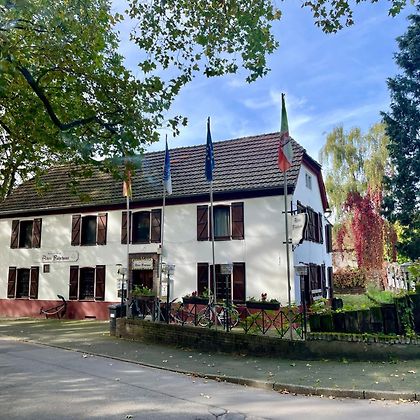
Hotel Altes Faehrhaus Duisburg
From
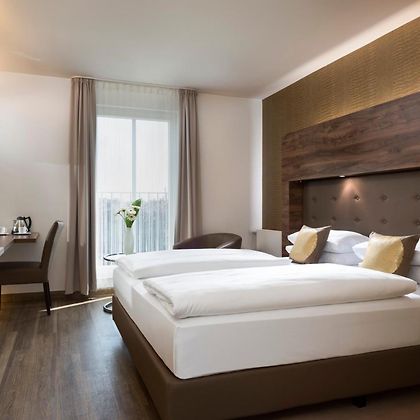
Hotel Conti Duisburg
From