


Adults:
Children:
Overview
- indoor swimming pool
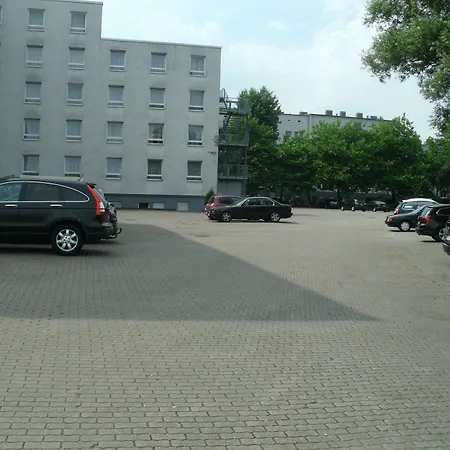
- parking on site
- free wifi
- facilities for disabled guests
- non-smoking rooms
- family rooms
- restaurant
- tea/coffee maker in all rooms
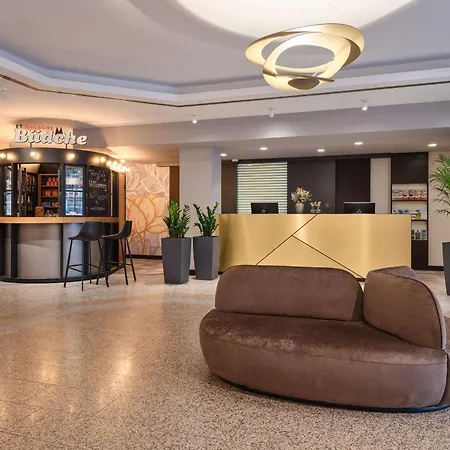
- bar
- good breakfast
Intro
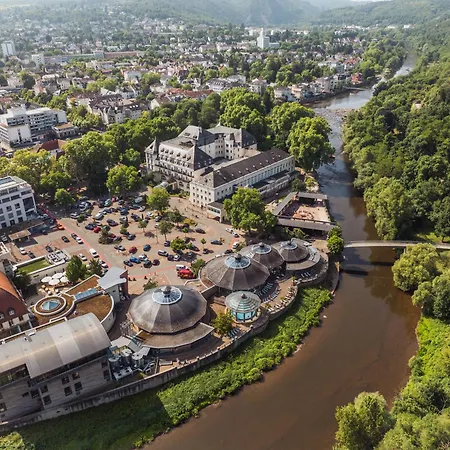
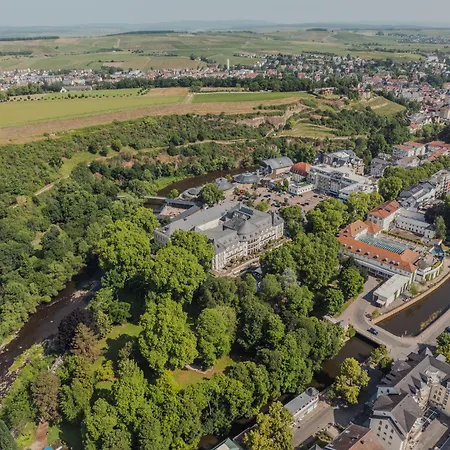
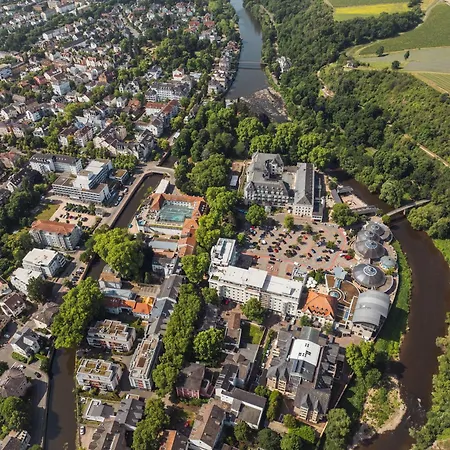
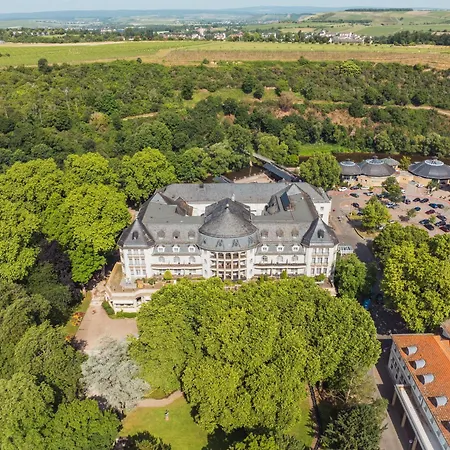
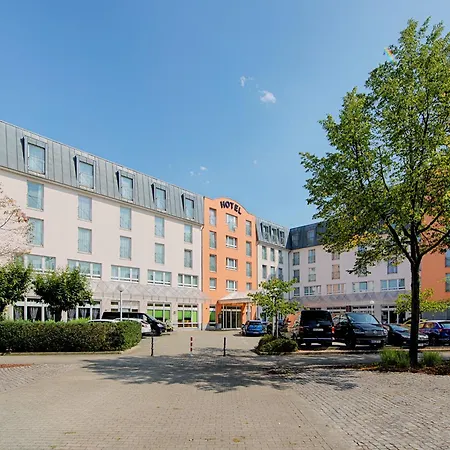
Featuring a wellness area along with a solarium, a steam room, and a sauna, the 4-star Parkhotel Kurhaus Bad Kreuznach hotel is situated a mere 9 minutes by foot from Bruckenhauser Arch Bridge in Bad Kreuznach. This cozy hotel lies 1.8 miles from Der Rotenfels, and offers an à la carte restaurant and an indoor pool onsite.
Rooms
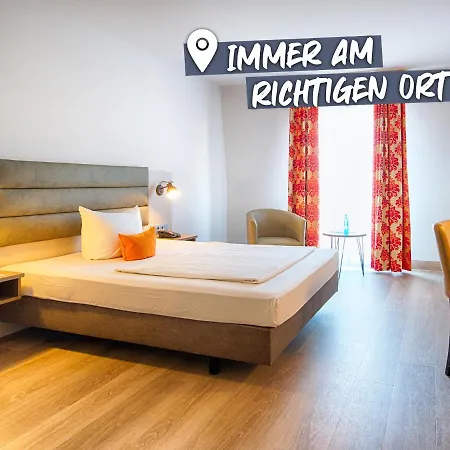
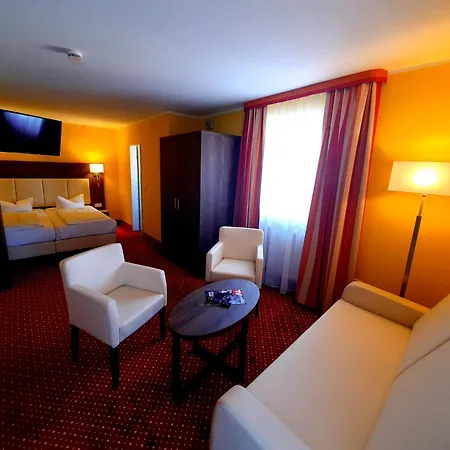
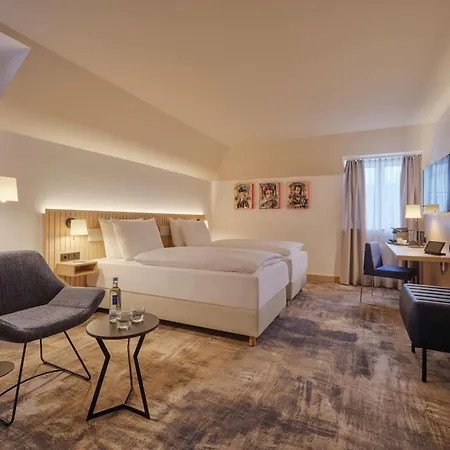
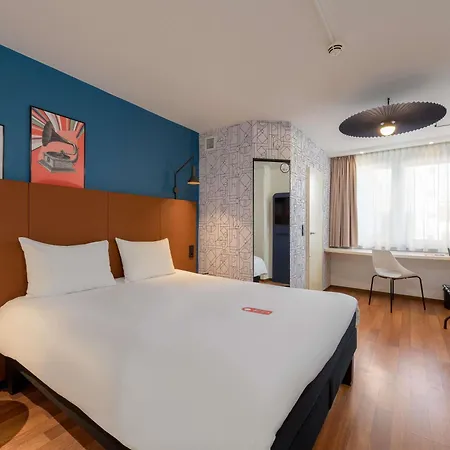
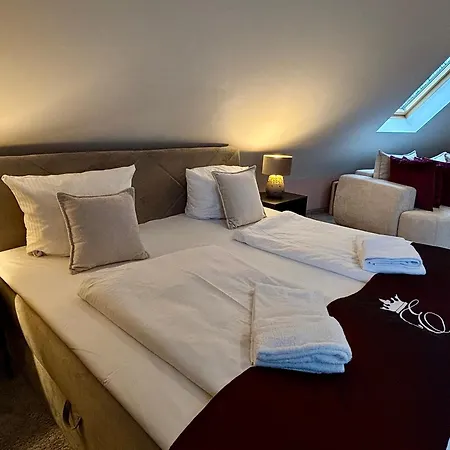
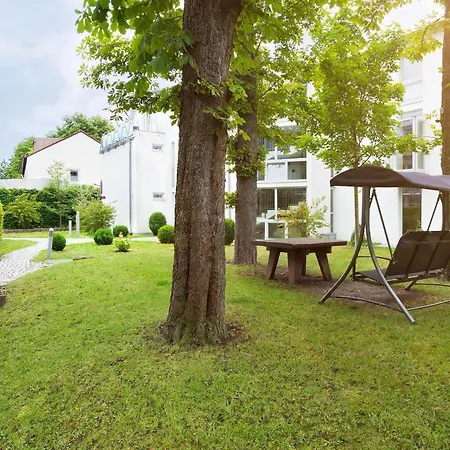
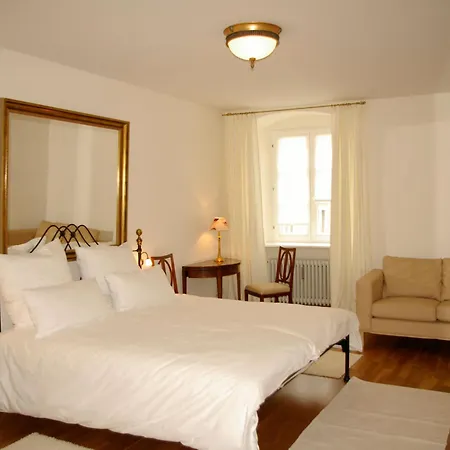
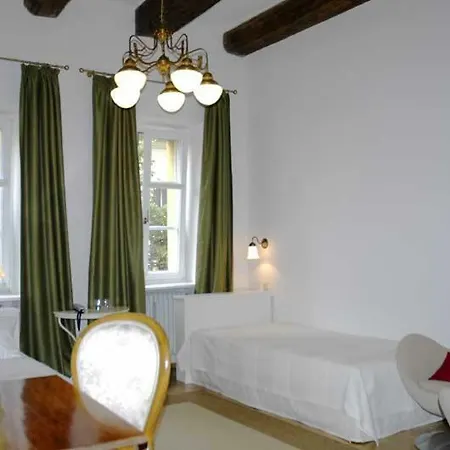
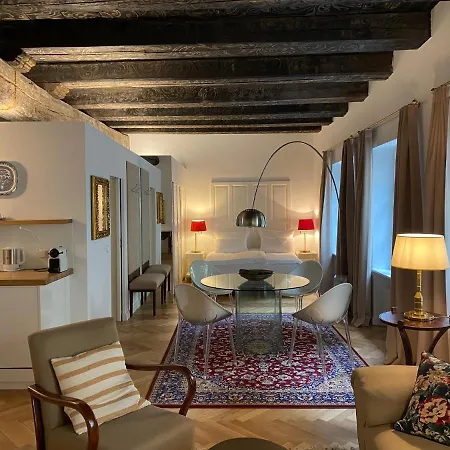
All of the smoke-free rooms are appointed with high-speed internet and a flat-screen TV with satellite channels along with a mini-fridge-bar, coffee and tea makers, and some of them include a patio and a terrace. Guests can use a walk-in shower and a separate toilet, along with hairdryers and bathrobes. Rooms of the hotel overlook the garden.
Relax
The Parkhotel Kurhaus Bad Kreuznach features various activities, including wedding services, live performances, and a movie theater. Also, at this Bad Kreuznach hotel, guests can take advantage of a golf course provided onsite.
Location
The Bad Kreuznach hotel is situated within a few blocks of Museum of Puppetry Culture and near a train station. The smoke-free Parkhotel Kurhaus Bad Kreuznach is located in gardens, and around 5 minutes' stroll from Panorama.
Eat
This Bad Kreuznach accommodation offers a wine bar and a restaurant serving German cuisine. The Al Fiume is about 5 minutes' walk from the Bad Kreuznach hotel.
Rooms
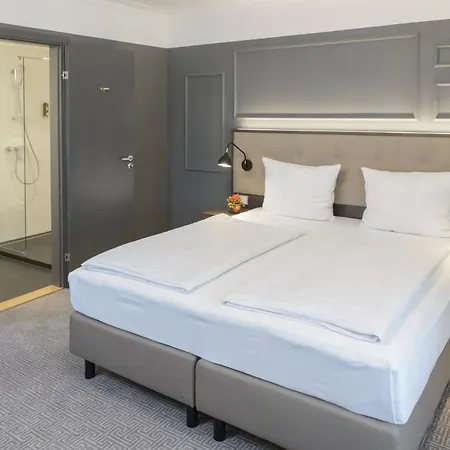
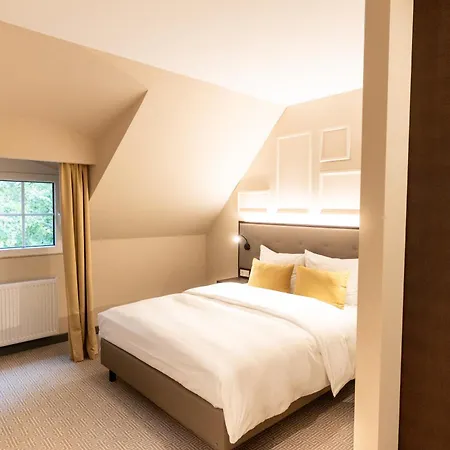
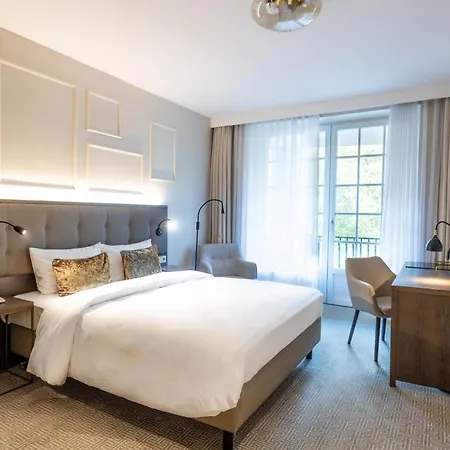
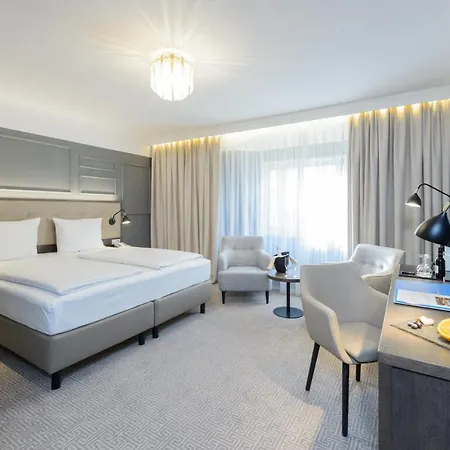
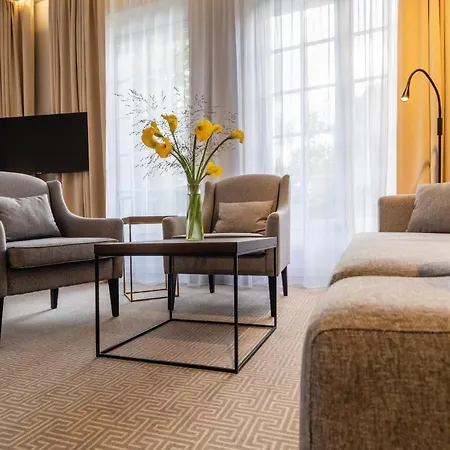
Facitilies
Facilities
- Flat-screen TV
- AM/FM alarm clock
Rooms
- Free Wi-Fi in rooms
- Heating
- Mini-bar
- Sitting area
- Patio
- Terrace
- Garden furniture
- Tea and coffee facilities
Dining facilities
- In-room breakfast
- Restaurant
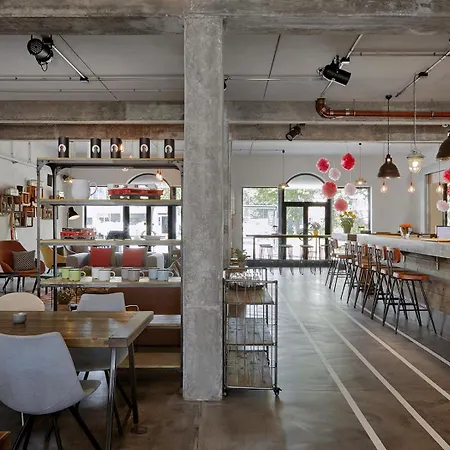
- Bar/ Lounge area
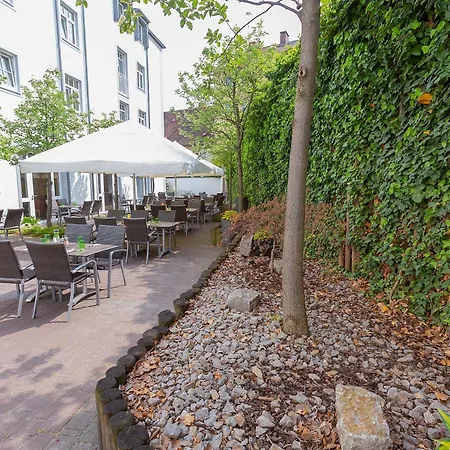
- Outdoor dining area
- Picnic area/ Tables
- Packed lunches
- Special diet menus
- Electric kettle
Services
- Pet amenities available
- Room service
- Housekeeping
- Car hire
- Laundry
- Dry cleaning
- Tours/Ticket assistance
- Welcome drink
Relax
- Saltwater pool
- Indoor swimming pool
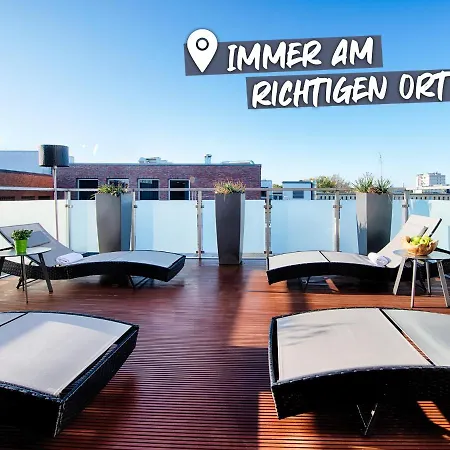
- Sun loungers
- Live entertainment
- Sun terrace
- Garden area
- Leisure/ TV room
- Spa & wellness centre
- Solarium
- Sauna
- Turkish bath
- Steam room
- Pedicure
- Manicure
- Body scrub
- Facial
- Treatment room
- Body wraps
- Back massage
- Head massage
- Full body massage
- Foot massage
- Hot spring bath
- Open-air bath
- Public Bath
- Pool with view
- Shallow end
- Make up services
- Canoeing
- Hiking
- Horseback riding
- Cycling
- Tennis court
- Bowling
- Golf course
- Squash
- Fishing
Activities for Kids
- Cots
- Children's buffet
Reviews
Tourist VR
Categories
-
Cleanliness 8.4
-
Comfort 8.3
-
Facilities 8
-
Free WiFi 7.7
-
Location 9.1
-
Total 7.8
-
Value for money 7.4
Jordan
Francis
Patrick
Graeme
Discover Hotels Across the Germany
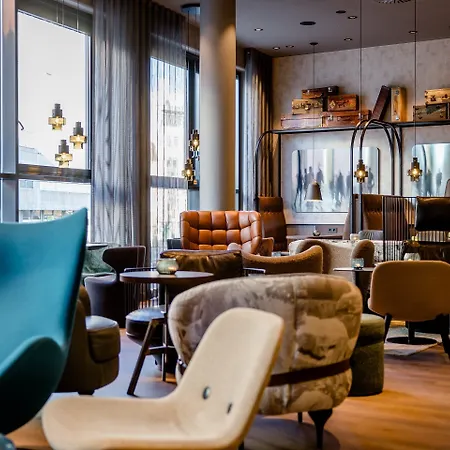
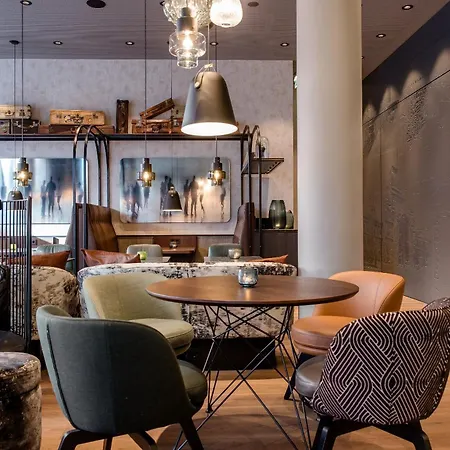


Location
- 1. Klein Venedig 800 m (2625 ft)
- 2. Museum of Puppetry Culture 1.47 km (4823 ft)
- 3. Ev. Martinskirche Bosenheim 1.77 km (1.10 mi.)
- 4. Pauluskirche 480 m (1575 ft)
- 5. Schlossparkmuseum Rittergut Bangert 1.23 km (4035 ft)
- 6. Diakonie-Kirche 790 m (2592 ft)
- 7. Ehem. Kloster hl. Wolfgang 660 m (2165 ft)
- 8. Bruckenhauser 570 m (1870 ft)
- 1. Villa Grande 520 m (1706 ft)
- 2. Bistro Kornchen 500 m (1640 ft)
- 3. Restaurant Akropolis 620 m (2034 ft)
- 4. Cafe Wahl 90 m (295 ft)
- 5. Cafe Schoko 670 m (2198 ft)
- 6. Restaurant Muehlentor 590 m (1936 ft)
- 7. Castello Ristorante Pizzeria 480 m (1575 ft)
- 8. Pizzeria La Perla 220 m (722 ft)
- 1. Badeallee/Kreisverwaltung 470 m (1542 ft)
- 2. Oranienpark 640 m (2100 ft)
- 3. Bourger Platz 820 m (2690 ft)
- 4. Salinenplatz 840 m (2756 ft)


Address
View mapKurhausstrasse 28
Key Features
Check-In:
from 15:00 until 23:59
Check-Out:
until 11:00
Contact Information
Contact phone
4906718020
Website
Visit hotel website
reservation.parkhotel@pkhotels.eu