


Adults:
Children:
Overview
- private parking
- spa and wellness centre
- free wifi
- non-smoking rooms
- family rooms
- 2 restaurants
- room service
- tea/coffee maker in all rooms
- superb breakfast
Intro
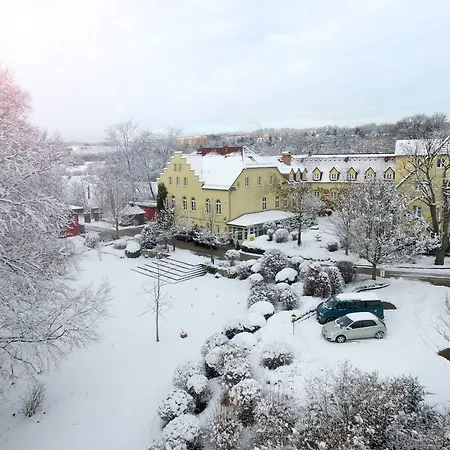
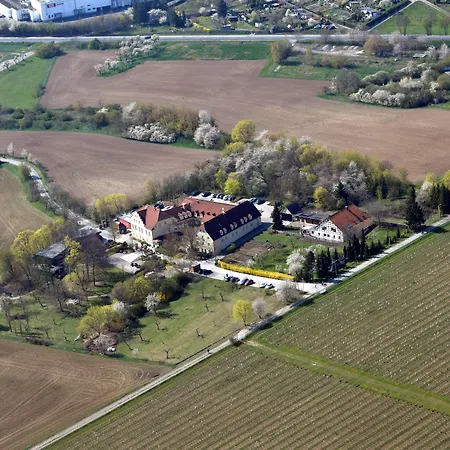
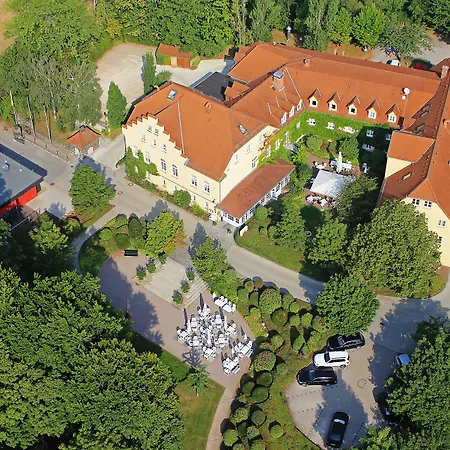
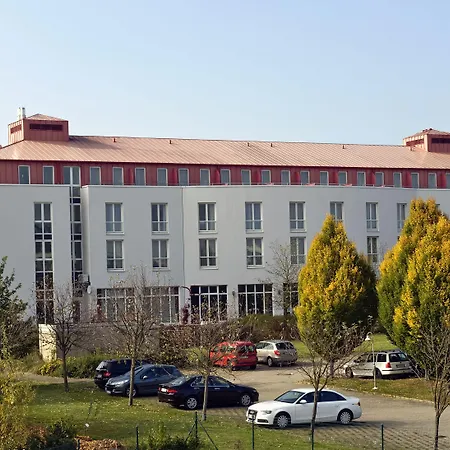
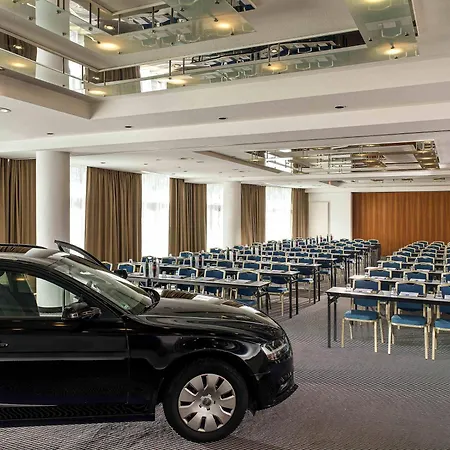
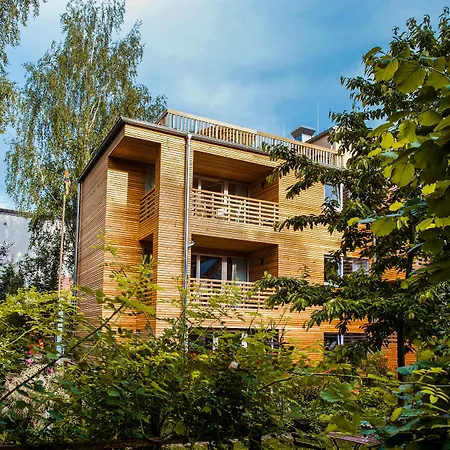
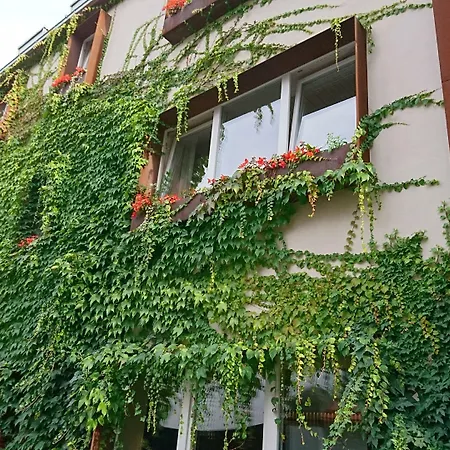
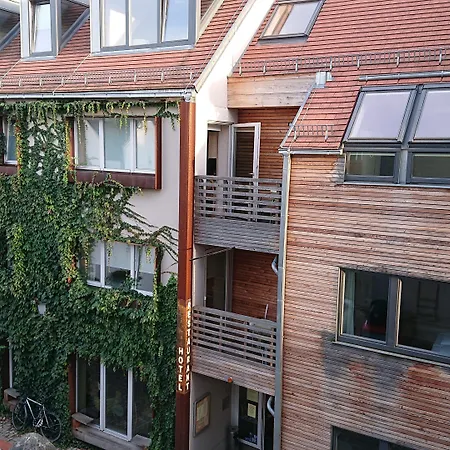
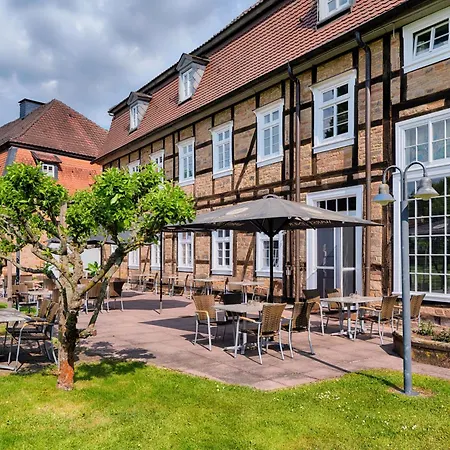
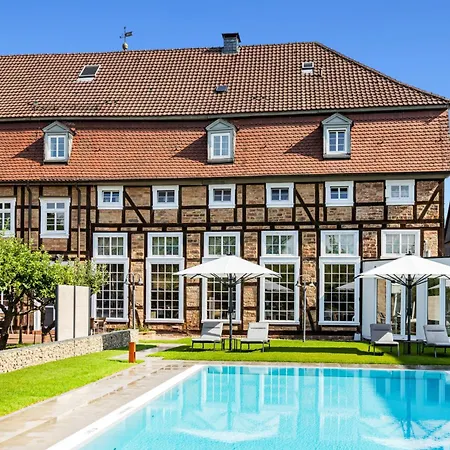
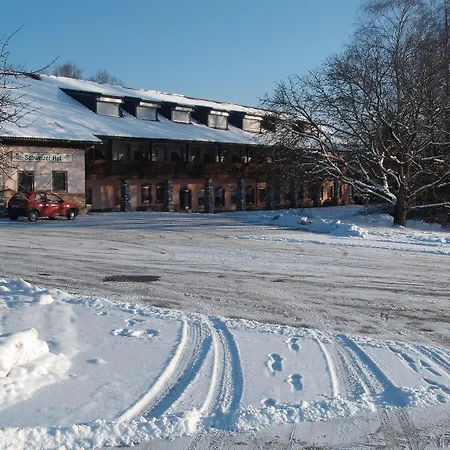
Situated 1.8 miles from a shopping hub like Atrium Shopping Mall, the welcoming 3-star Konsumhotel Dorotheenhof Weimar hotel provides guests with a restaurant. This hotel offers 56 rooms with garden views, an à la carte restaurant, and a lounge bar.
Rooms
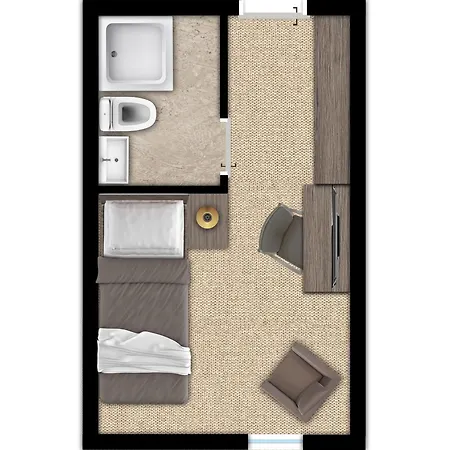
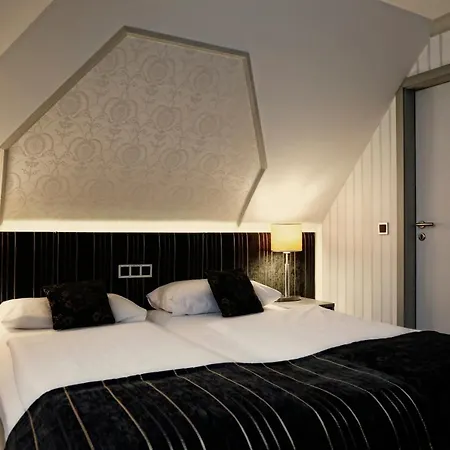
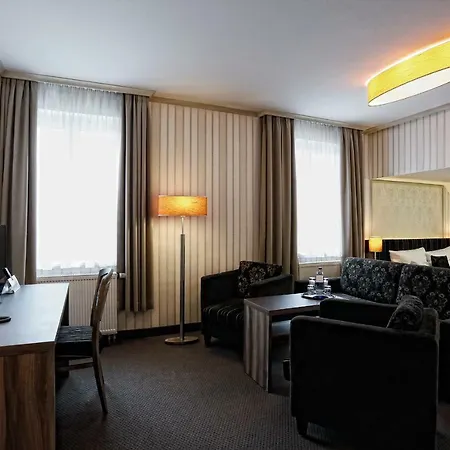
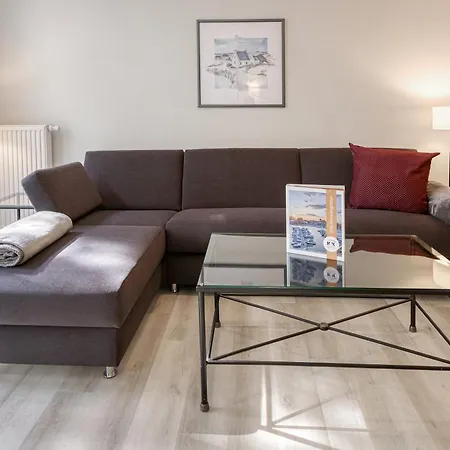
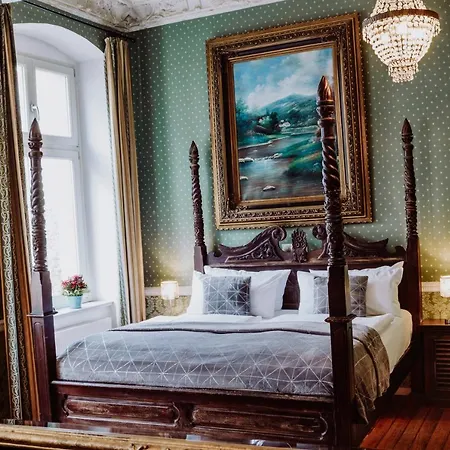
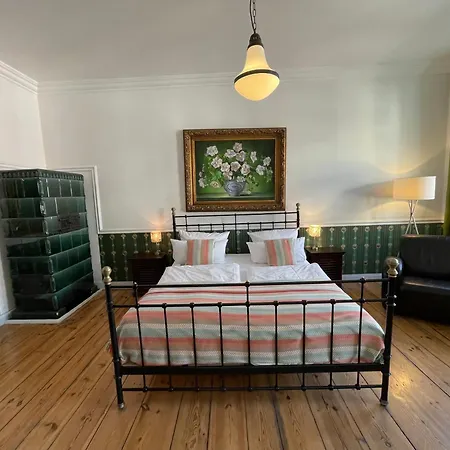
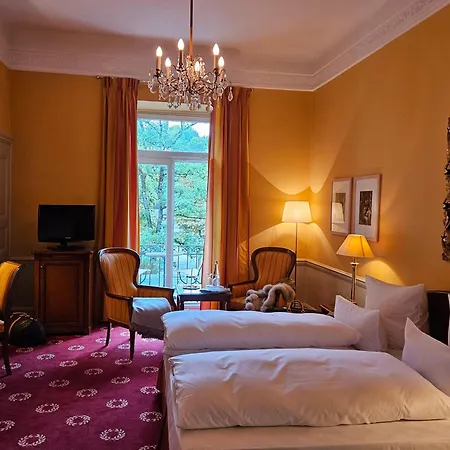
Some rooms at the suburban Konsumhotel Dorotheenhof Weimar are appointed with blackout drapes and air conditioning along with self-catering options such as a mini-bar. The nice touches include a carpeted floor, along with a couch set. Featuring a bath, a separate toilet, and a shower, the bathrooms also come with hair dryers and a shower cap.
Relax
The onsite spa amenities include a full spa and a spa salon. The Weimar hotel also features complimentary wireless internet access and safes for those arriving on business.
Location
The smoke-free hotel is near a train station and about a 10-minute drive from Goethe's House. Attractions 2.1 miles from the charming property include Schloss Weimar Palace.
Eat
The dining options in the Konsumhotel Dorotheenhof Weimar include 2 restaurants. Le Goullon offers a selection of dishes very close to this Weimar property.
Rooms
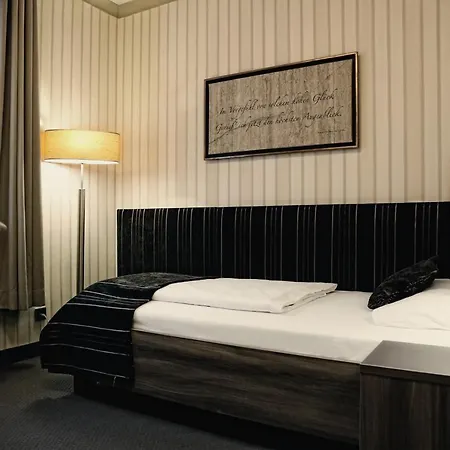
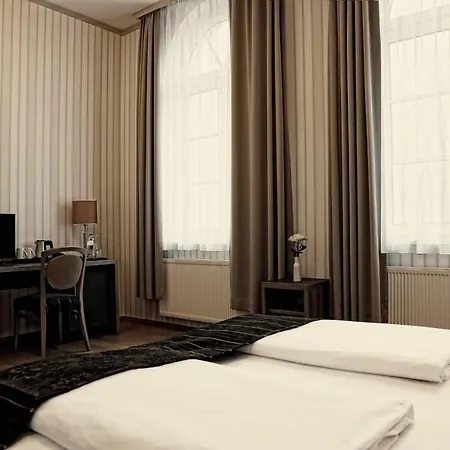
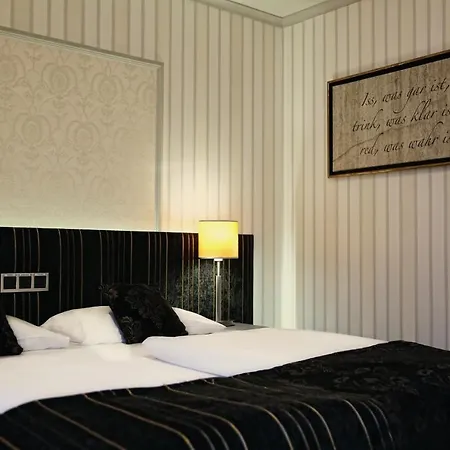
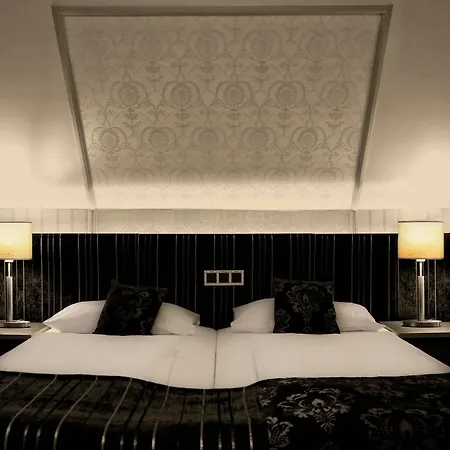
Other Great Stays in WEIMAR (THURINGIA)
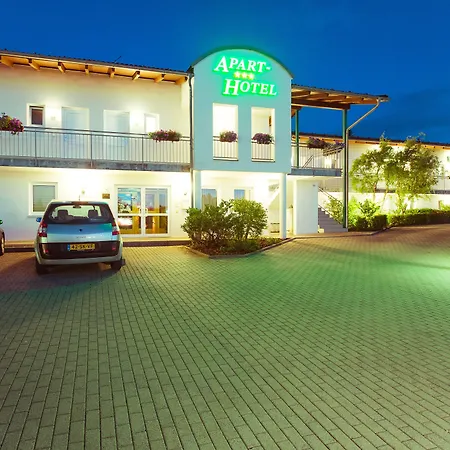
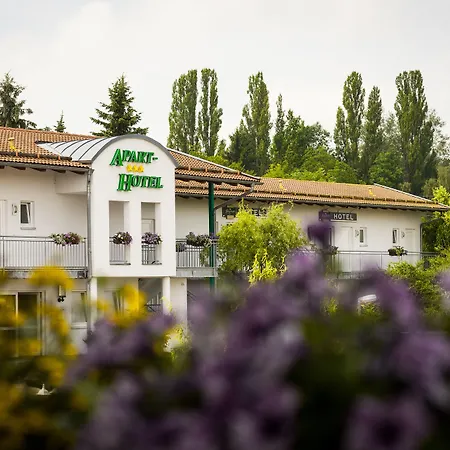
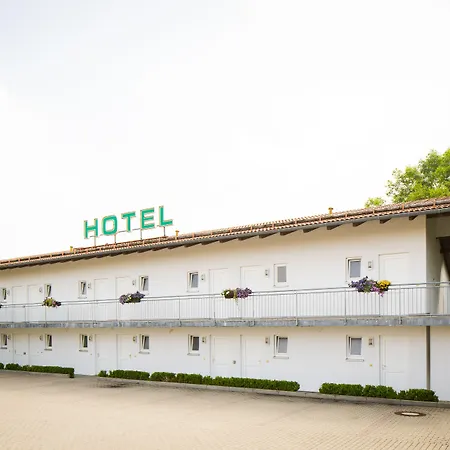
Facitilies
Facilities
- Flat-screen TV
- AM/FM alarm clock
Rooms
- Heating
- Soundproofed rooms
- Terrace
- Garden furniture
- Tea and coffee facilities
Dining facilities
- In-room breakfast
- Restaurant
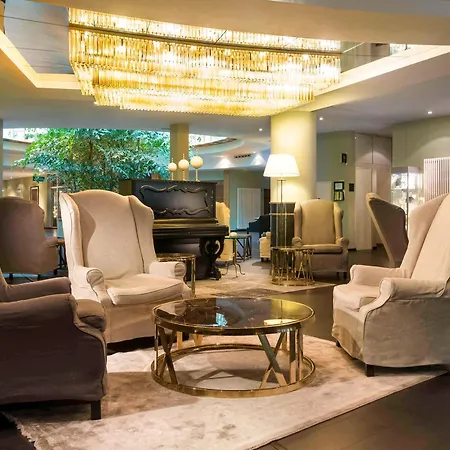
- Bar/ Lounge area
- Picnic area/ Tables
- Packed lunches
- Special diet menus
- Electric kettle
Services
- Room service
- Housekeeping
- Laundry
- Tours/Ticket assistance
- Welcome drink
Relax
- Sun loungers
- Sun terrace
- Garden area
- Spa & wellness centre
- Sauna
- Turkish bath
- Steam room
- Jacuzzi
- Pedicure
- Manicure
- Body scrub
- Facial
- Treatment room
- Back massage
- Head massage
- Full body massage
- Foot massage
- Make up services
- Hiking
- Cycling
Activities for Kids
- Cots
- Playpen
- Board games
- Children's menu
- Children's play area
Reviews
Tourist VR
Categories
-
Cleanliness 9
-
Comfort 8.8
-
Facilities 8.6
-
Free WiFi 8.7
-
Location 8.5
-
Total 8.4
-
Value for money 8.4
Theodore
Evelyn
Owen
Denise
Justin
Discover Hotels Across the Germany


Location
- 1. Wittumspalais 3.29 km (2.04 mi.)
- 2. Duchess Anna Amalia Library 3.31 km (2.06 mi.)
- 3. Bauhaus-Museum Weimar 2.82 km (1.75 mi.)
- 4. Palias Schardt Mit Goethe-Pavillon 3.11 km (1.93 mi.)
- 5. Goethes Gartenhaus 3.56 km (2.21 mi.)
- 6. Neues Museum Weimar 2.63 km (1.63 mi.)
- 7. Jakobskirche 2.89 km (1.80 mi.)
- 1. Siedlung Schoendorf 590 m (1936 ft)
- 2. Waldfried 770 m (2526 ft)
- 3. Ernst-Busse-Strasse 830 m (2723 ft)
- 4. Bruno-Apitz-Strasse 1.12 km (3675 ft)


Address
View mapDorotheenhof 1
Key Features
Check-In:
from 15:00 until 21:00
Check-Out:
from 07:00 until 11:00
Contact Information
Contact phone
4936434590
Website
Visit hotel website