


Adults:
Children:
Overview
- private parking
- free wifi
- beachfront
- family rooms
- non-smoking rooms
- airport shuttle
- room service
- tea/coffee maker in all rooms
- bar
- good breakfast
Intro
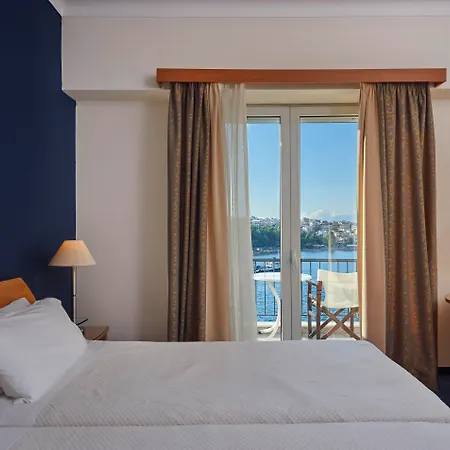
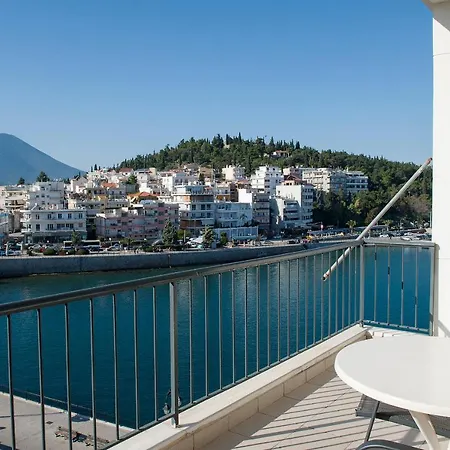
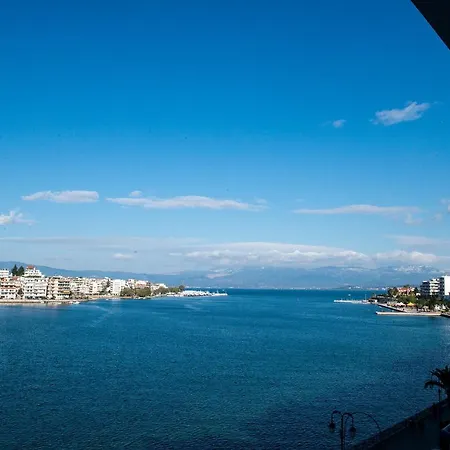
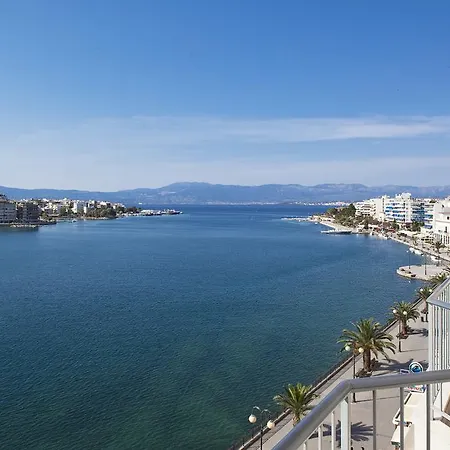
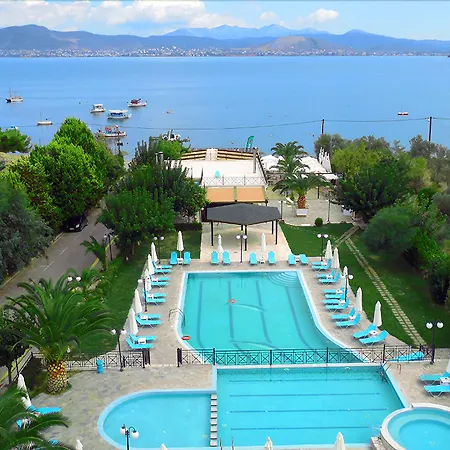
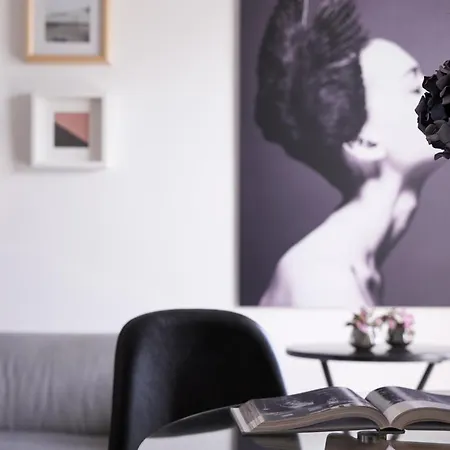
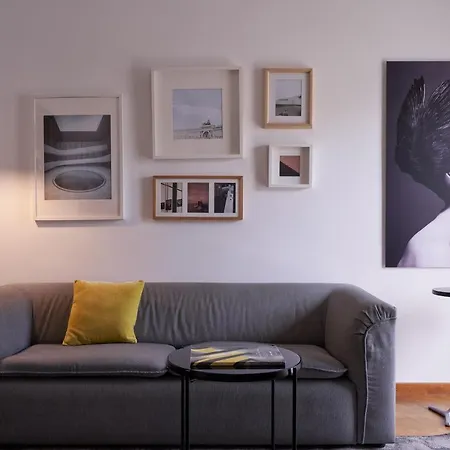
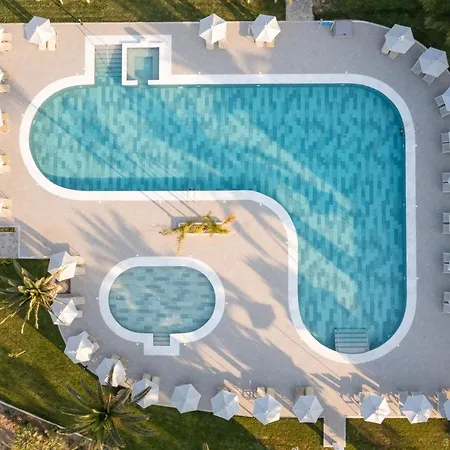
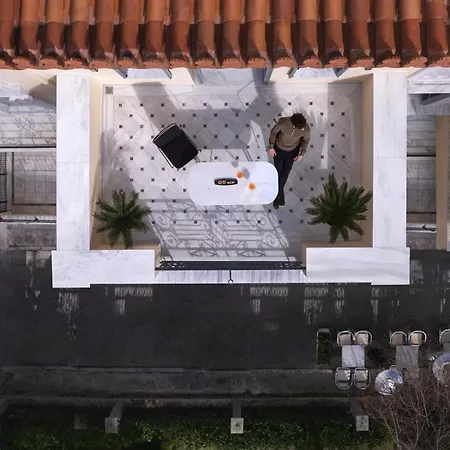
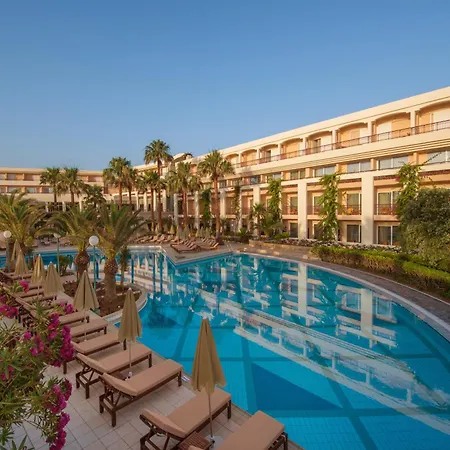
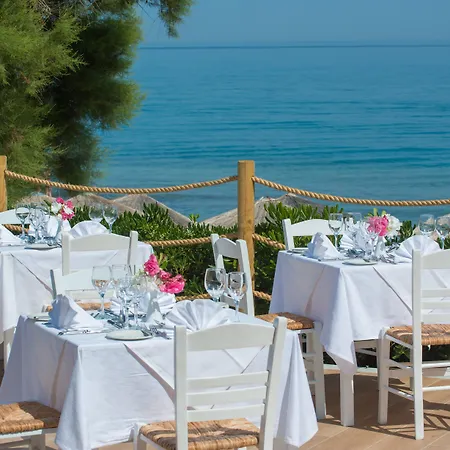
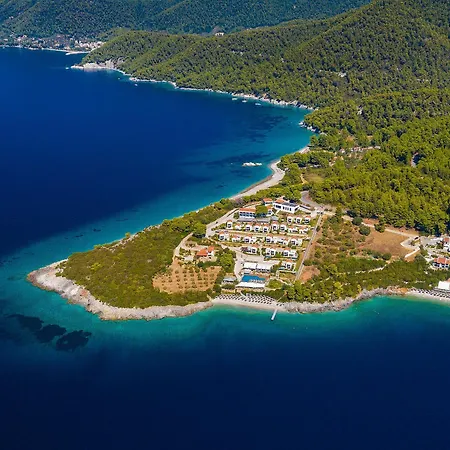
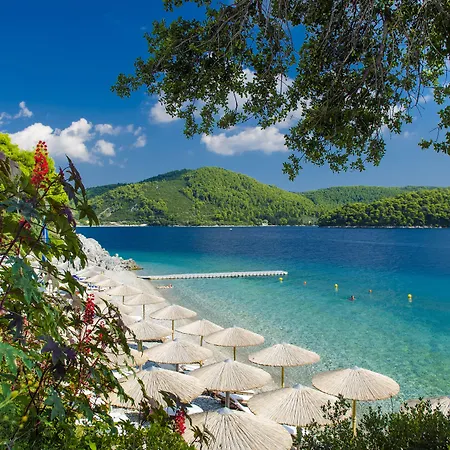
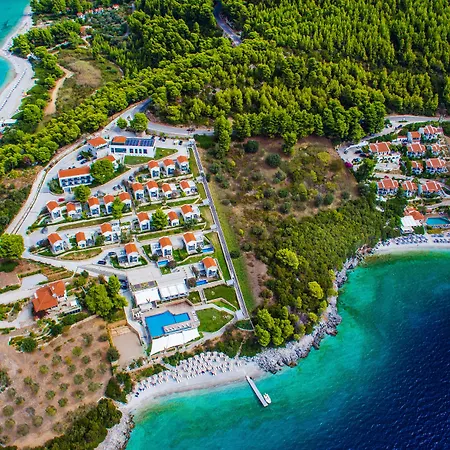
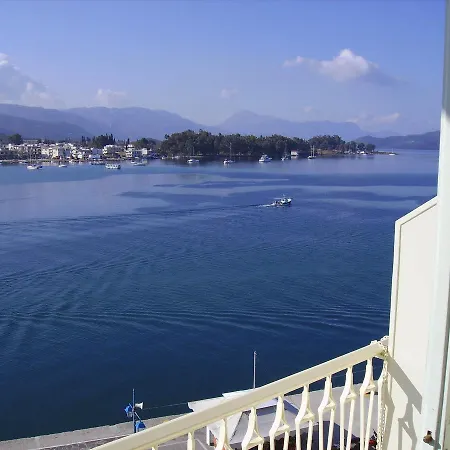
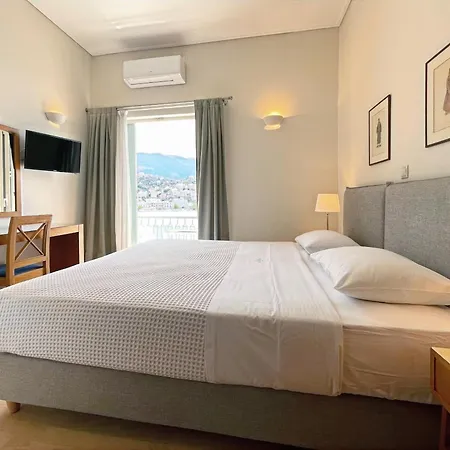
Lucy Hotel Chalkida enjoys a prime location just a 6-minute stroll from Thisia Agoniston Ethnikis Antistasis Square and offers 92 rooms with views of the city. Boasting a Greek restaurant, this Chalkida hotel is available a few moments from Chalkis beach.
Rooms
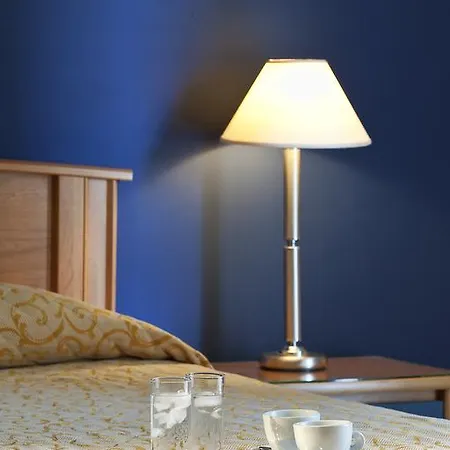
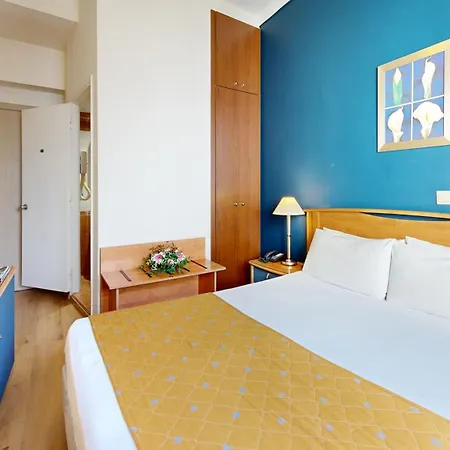
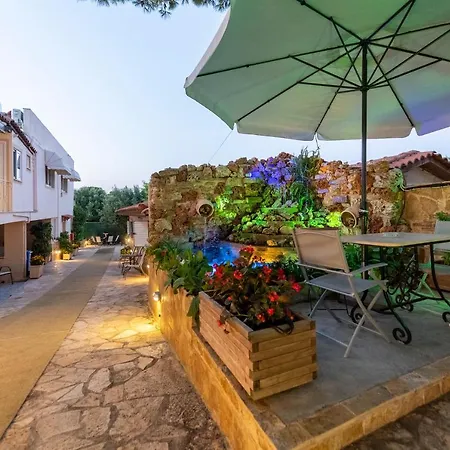
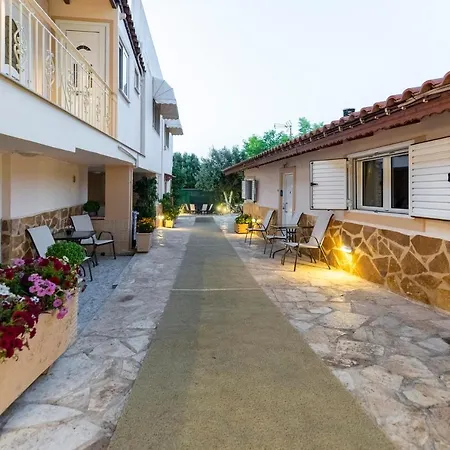
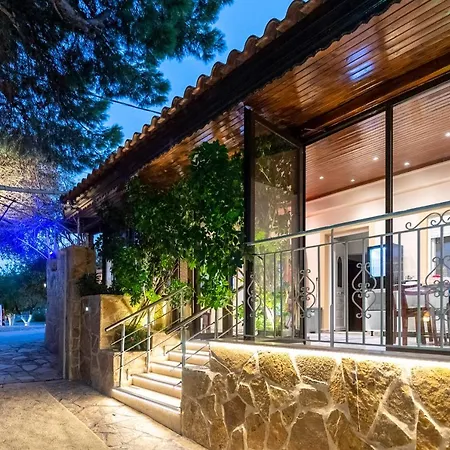
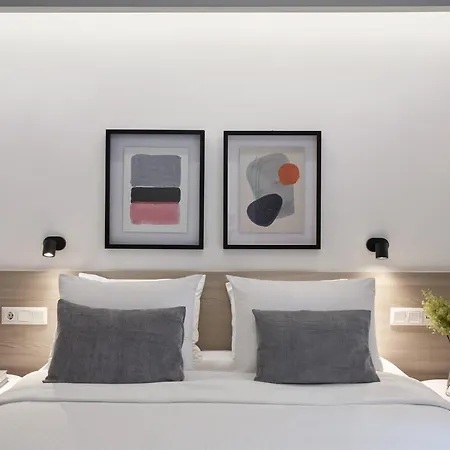
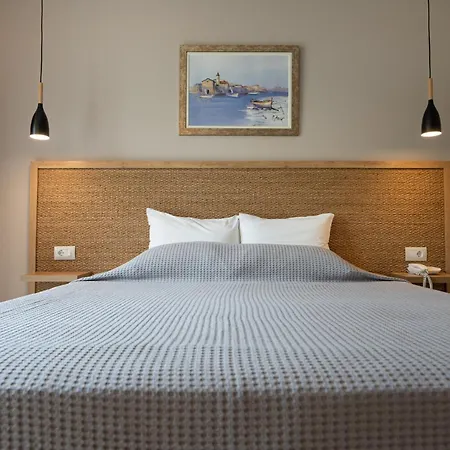
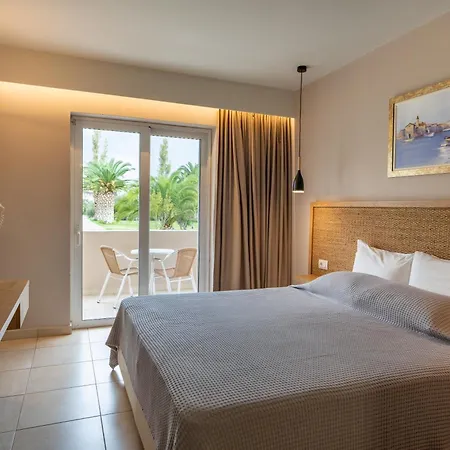
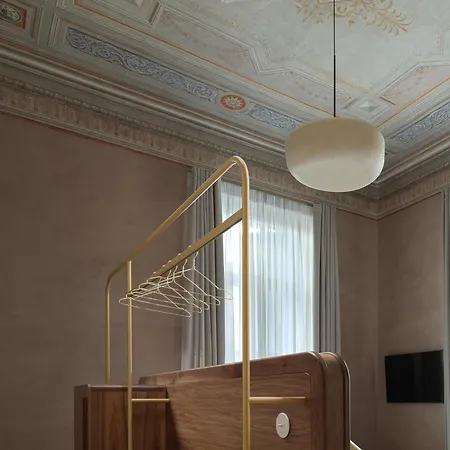
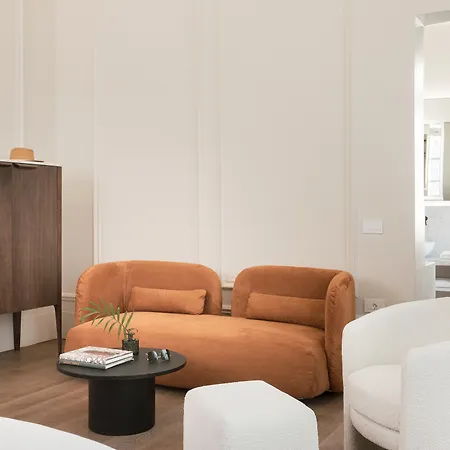
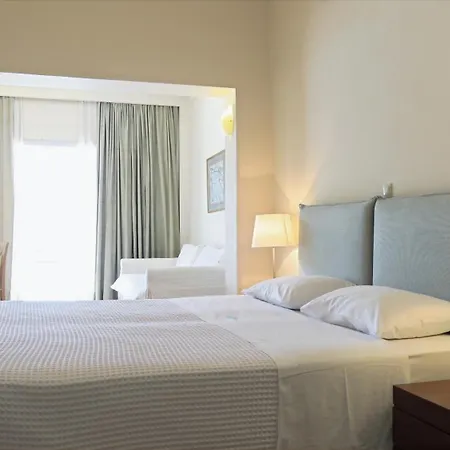
Featuring individual climate control and a central heating along with complimentary Wi-Fi and a LCD TV set, most rooms are furnished with sound-proofed windows. Appointed with a writing table, the elegant rooms also offer a mini fridge bar, tea and coffee-making facilities.
Relax
A shared lounge and recreational facilities are also featured at this Chalkida accommodation.
Location
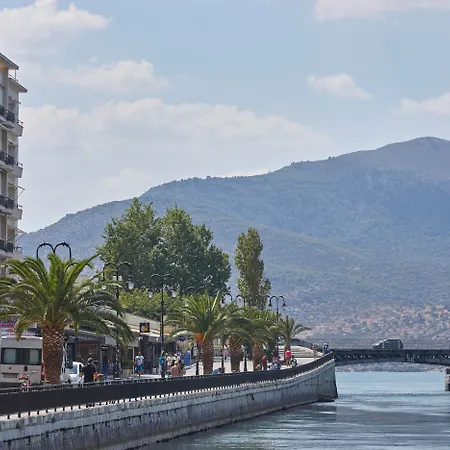
The non-smoking Lucy is located around 100 feet from Aegean Sea and 0.3 miles from Emir Zade Mosque. From the 4-star hotel it will take 19 minutes to stroll to Karababa Castle.
Eat
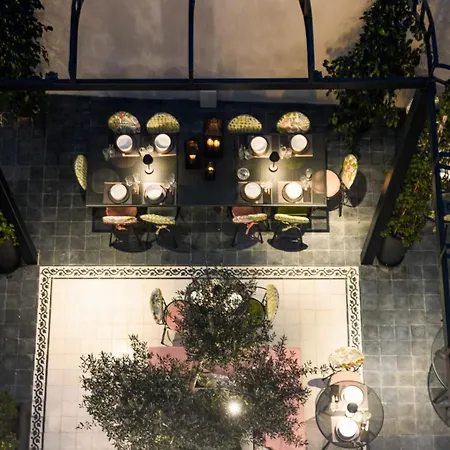
Palladion restaurant of the Lucy Chalkida serves Mediterranean cuisine. Guests can enjoy the 24-hour bar on premises.
Rooms
Other Great Stays in CHALKIDA
Facitilies
Facilities
- Flat-screen TV
- AM/FM alarm clock
Rooms
- Free Wi-Fi in rooms
- Air conditioning
- Heating
- Mini-bar
- Soundproofed rooms
- Tea and coffee facilities
- Ironing facilities
Dining facilities
- In-room breakfast
- Restaurant
- Bar/ Lounge area
- Special diet menus
- Electric kettle
Services
- Paid airport shuttle
- Room service
- Housekeeping
- Car hire
- Laundry
- Dry cleaning
- Tours/Ticket assistance
- Welcome drink
Relax
- Beach access
- Leisure/ TV room
Activities for Kids
- Cots
- Board games
- Children's menu
Reviews
Tourist VR
Categories
-
Cleanliness 8.2
-
Comfort 8
-
Facilities 7.5
-
Free WiFi 8
-
Location 9.3
-
Total 7.7
-
Value for money 7.1
Marcel
Panzanaro
Angus
Alexis
Andreas
Rose
Discover Hotels Across the Greece

Location
- 1. Karababa Castle 810 m (2657 ft)
- 2. Jewish Synagogue 270 m (886 ft)
- 3. Archaeological museum of Chalkida 2.01 km (1.25 mi.)
- 4. Church of Agia Paraskevi 460 m (1509 ft)
- 5. Emir Zade Mosque 320 m (1050 ft)
- 6. Halkida's Old Bridge 110 m (361 ft)
- 7. Red House of Maliou family 690 m (2264 ft)
- 8. Bridge of Khalkis 150 m (492 ft)
- 9. Paralia Kourenti 1.47 km (4823 ft)
- 1. Namas 40 m (131 ft)
- 2. Mostar 170 m (558 ft)
- 3. Cinema Concept Cafe Bar 70 m (230 ft)
- 4. Lupo Trattoria 60 m (197 ft)
- 5. La Strada Diverso 230 m (755 ft)
- 6. 25 Dramia 210 m (689 ft)
- 7. Marea Restaurant 110 m (361 ft)
- 1. Mini 990 m (3248 ft)
- 2. KTEL Station Terminal of Evia 2.24 km (1.39 mi.)
Address
View mapVoudouri Str. 10
Key Features
Check-In:
from 14:00 until 22:00
Check-Out:
from 10:00 until 11:00
Contact Information
Contact phone
302221023831
Website
Visit hotel website
lucy10@otenet.gr