











| Name of hotel | Accommodation Rating | Price, $ | |
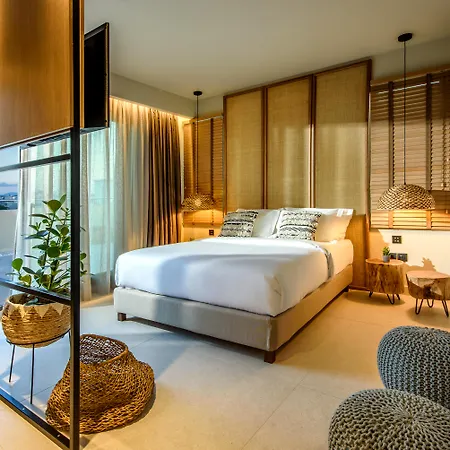
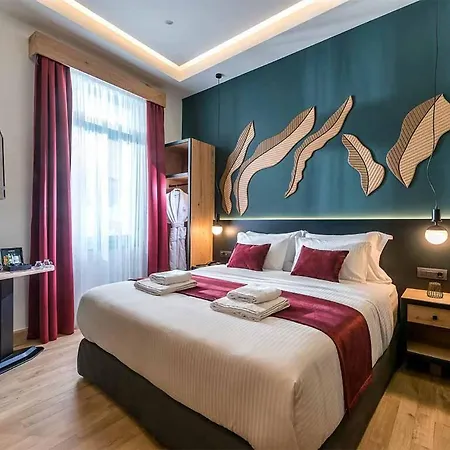
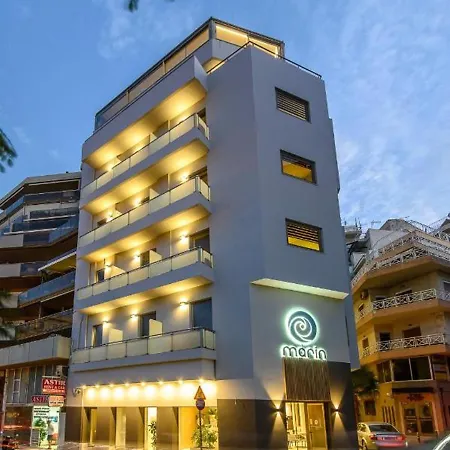
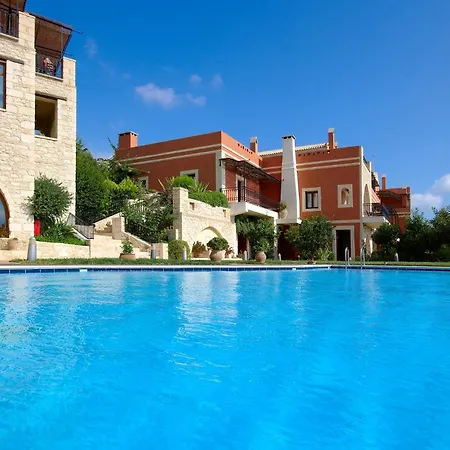
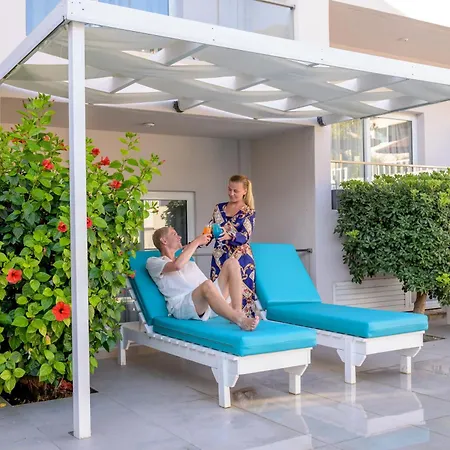
| Domus Ariadne |
9.3 / 10 (284 Reviews) |
From 108US$ | |
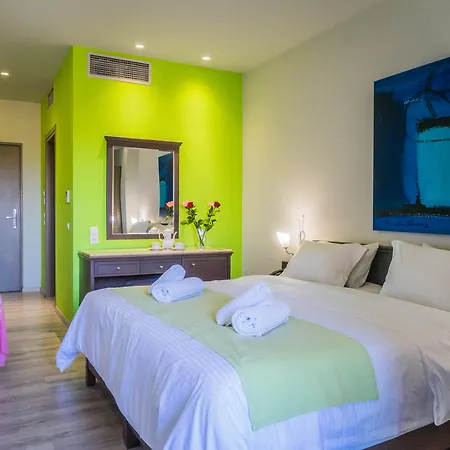
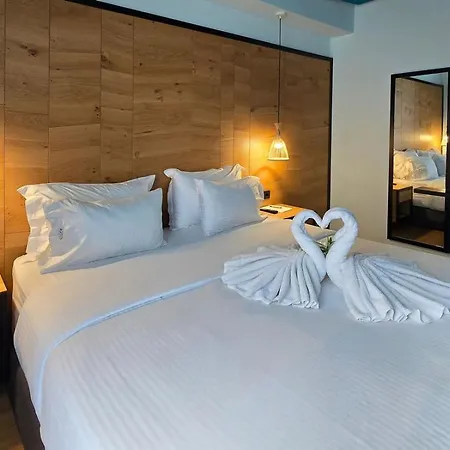
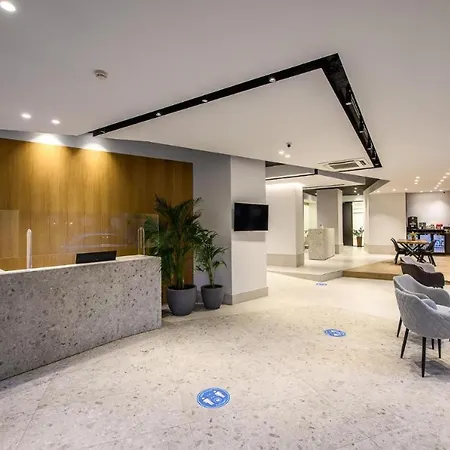
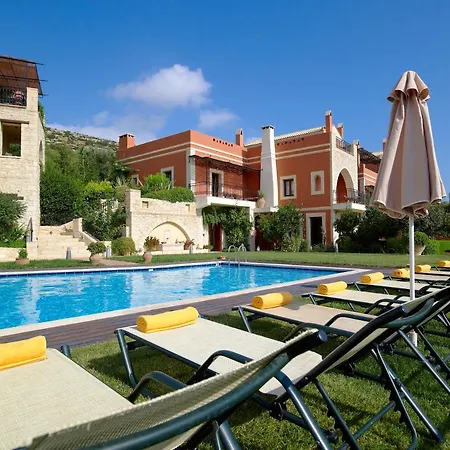
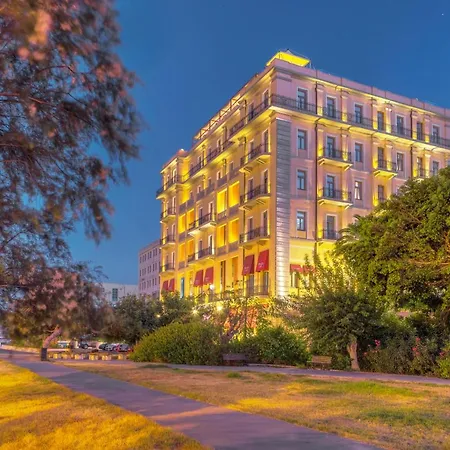
| Gdm Megaron, Historical Monument Hotel |
9.3 / 10 (2362 Reviews) |
From 80US$ | |
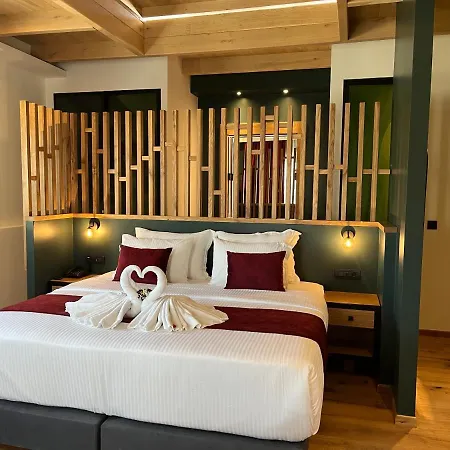
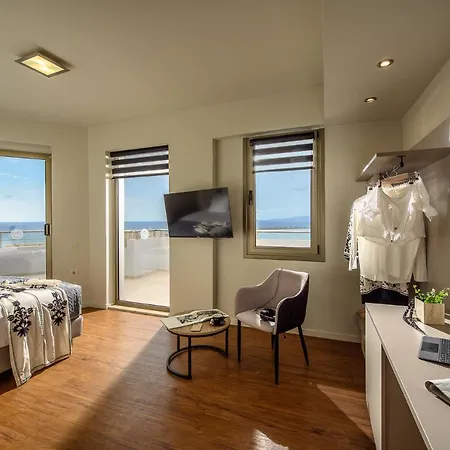
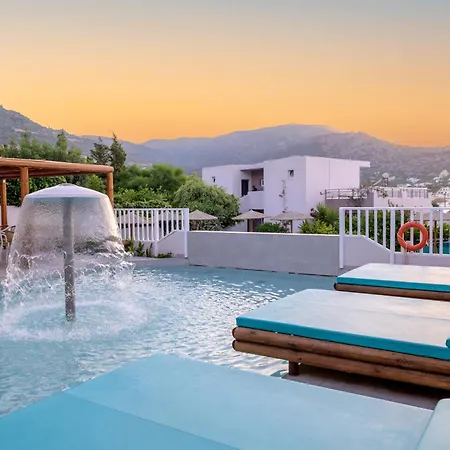
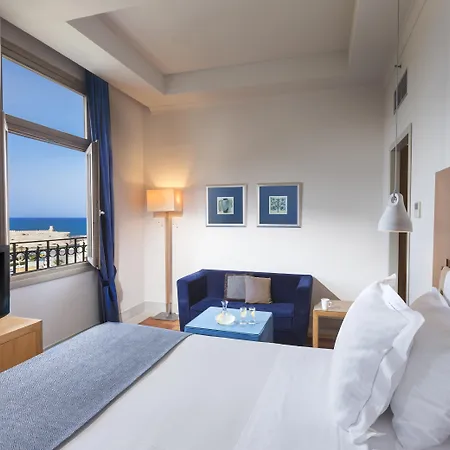
| Gd Gallery Suites |
9.1 / 10 (1119 Reviews) |
From 64US$ | |
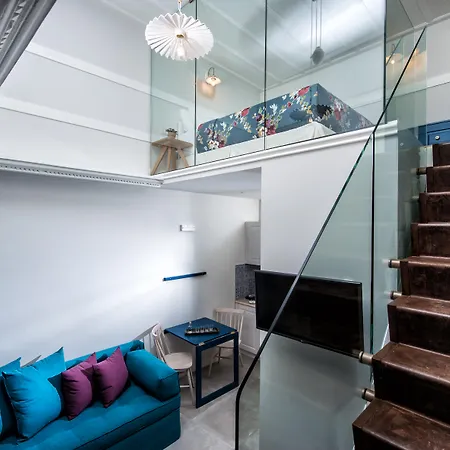
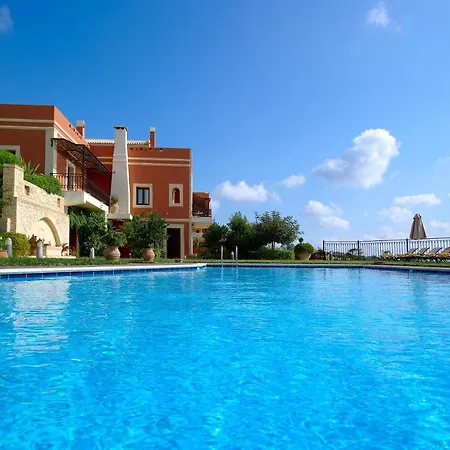
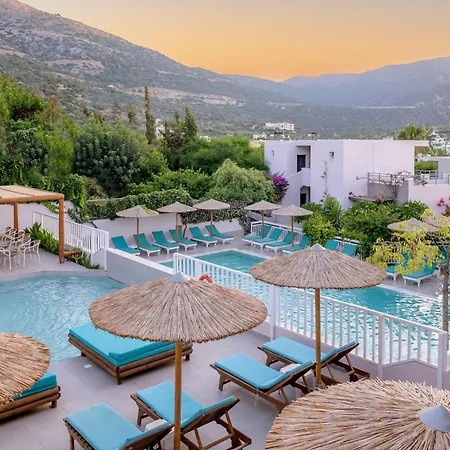
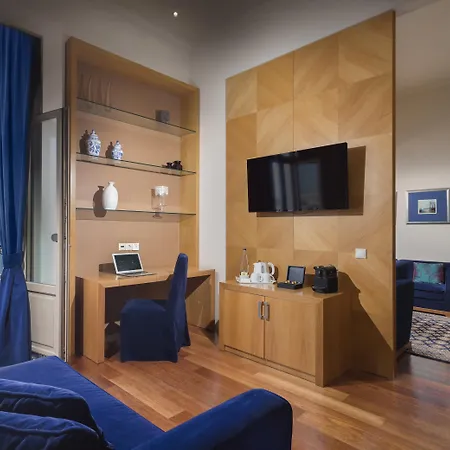
| Dom Boutique Hotel |
8.9 / 10 (1908 Reviews) |
From 58US$ | |
| Aquila Atlantis Hotel |
8.7 / 10 (1015 Reviews) |
From 64US$ |
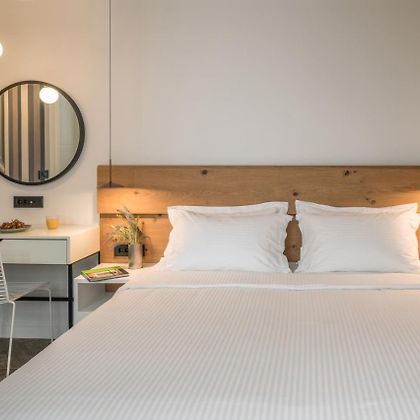
Domus Ariadne
From
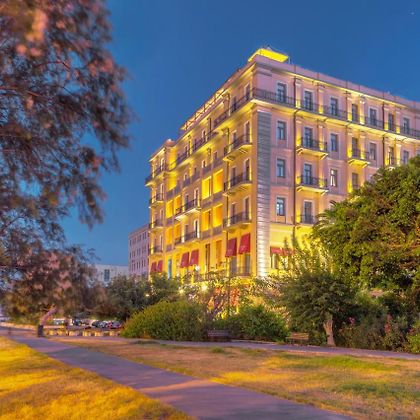
Gdm Megaron, Historical Monument Hotel
From
Boutique Heraklion Hotels
Boutique hotels in Heraklion offer a stylish and unique stay, often characterized by personalized service and distinctive design. These accommodations reflect the local culture while providing modern amenities that cater to discerning travelers. From artistic decor to intimate atmospheres, boutique Heraklion hotels are perfect for those seeking a cozy retreat in the lively heart of the city. Many of these hotels are centrally located, making it easy for guests to explore Heraklion's rich history and vibrant culinary scene. A stay in a boutique hotel enhances the overall travel experience by offering a blend of comfort and local charm. Here are some of the top boutique options among Heraklion hotels.
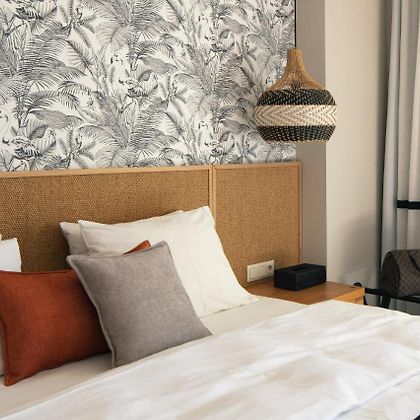
Gd Gallery Suites
From
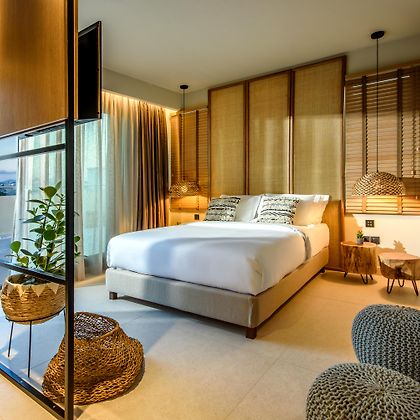
Dom Boutique Hotel
From
Luxury Heraklion Hotels
For travelers seeking an indulgent experience, luxury Heraklion hotels are designed to exceed expectations with high-end amenities and exceptional service. These hotels provide a lavish escape, often featuring fine dining options, spa services, and stunning views of the Mediterranean. Whether it's a romantic getaway or a family vacation, luxury accommodations in Heraklion cater to every need, ensuring a memorable stay. The exceptional quality and personalized service make these hotels stand out as premier choices for discerning travelers. Here are some remarkable luxury options within Heraklion hotels.
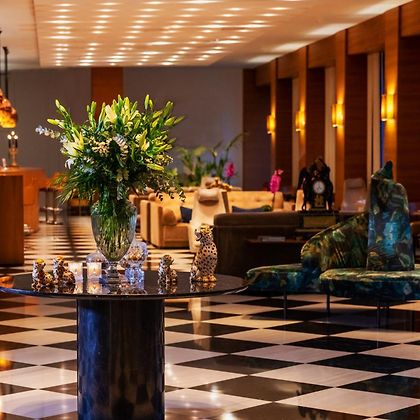
Aquila Atlantis Hotel
From

Rea Hotel
From
Family-Friendly Heraklion Hotels
Traveling with family requires accommodations that are both comfortable and accommodating to different age groups. Family-friendly Heraklion hotels offer larger rooms, kid's activities, and facilities designed to make family travel easy and enjoyable. These hotels often feature amenities such as pools, dining options for all ages, and convenient access to local attractions, ensuring everyone has a memorable experience. With spacious accommodations and a welcoming atmosphere, families can enjoy the best of what Heraklion has to offer. Here’s a selection of family-friendly choices in Heraklion hotels.

Lato Boutique Hotel
From
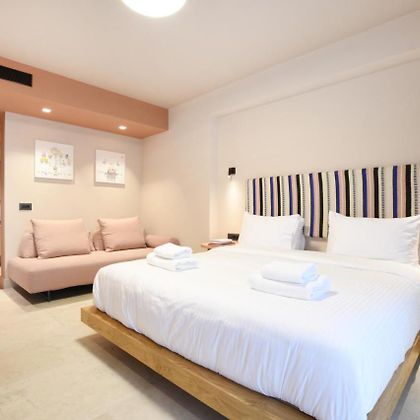
Pavo Art Hotel
From
Budget-Friendly Heraklion Hotels
Traveling on a budget does not mean compromising on quality or comfort. Budget-friendly Heraklion hotels offer affordable accommodations without sacrificing the essential amenities that make a stay enjoyable. These hotels provide a fantastic opportunity for travelers to explore the city without stretching their finances, making them perfect for backpackers or families looking to save. Featuring clean, comfortable rooms and often convenient locations, these hotels ensure guests can enjoy the sights and sounds of Heraklion. Here’s a roundup of budget-friendly options available among Heraklion hotels.
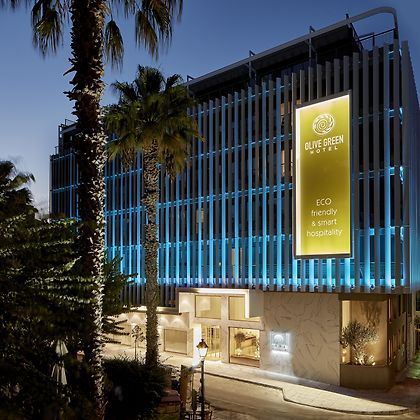
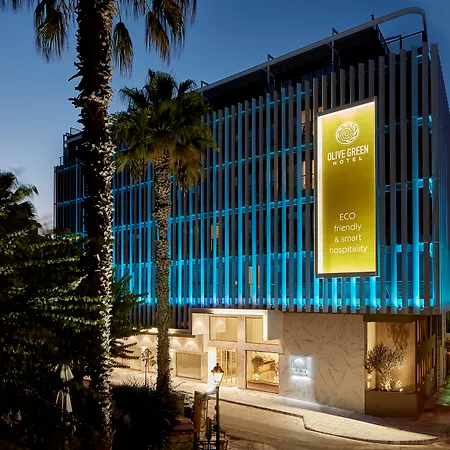
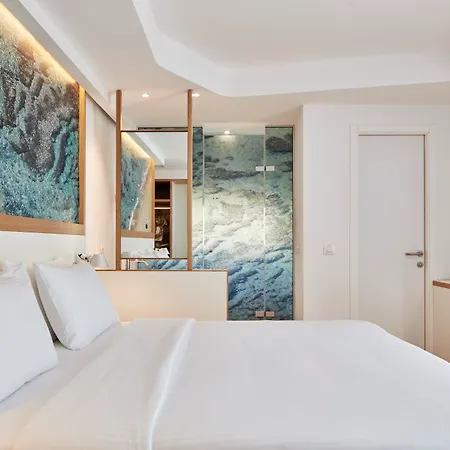
Olive Green Hotel
From
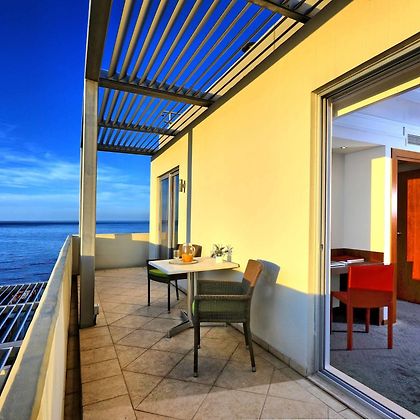
Atrion Hotel
From
Seaside Heraklion Hotels
Seaside Heraklion hotels provide guests with breathtaking views and easy access to beautiful beaches, making them perfect for sun-seekers and water sports enthusiasts. These hotels often come equipped with a range of amenities, including pools, spas, and delicious dining options, all overlooking the stunning Mediterranean Sea. Being close to the coast allows travelers to enjoy various activities, from snorkeling to leisurely walks along the beach. Whether you're looking for a family-friendly environment or a romantic getaway, seaside accommodations offer a unique experience that enhances your time in Heraklion. Here are some top picks among the seaside Heraklion hotels.
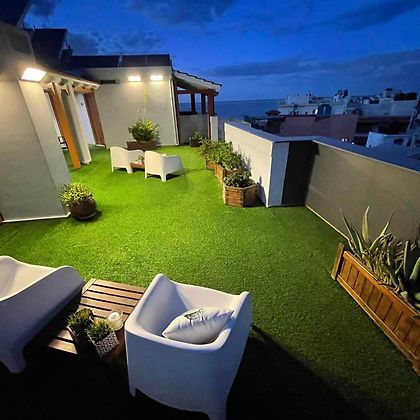
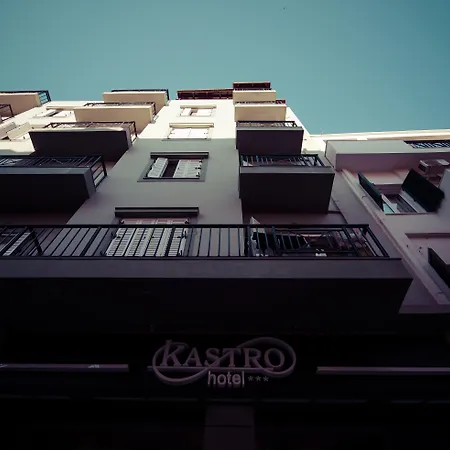
Kastro Hotel
From
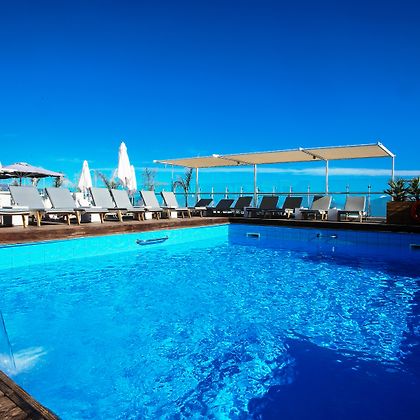
Capsis Astoria Heraklion
From
Romantic Heraklion Hotels
For couples seeking a romantic getaway, Heraklion offers a selection of hotels perfect for creating unforgettable memories. Romantic Heraklion hotels emphasize intimate environments, often featuring stunning views, luxurious amenities, and exceptional service. These accommodations can set the stage for an idyllic holiday, whether it’s candlelit dinners, spa treatments, or sunset views over the Mediterranean. The charm of Heraklion enhances the romantic experience, making it a perfect destination for honeymooners or couples celebrating a special occasion. Here are some of the top romantic choices among Heraklion hotels.

Olympic Hotel
From
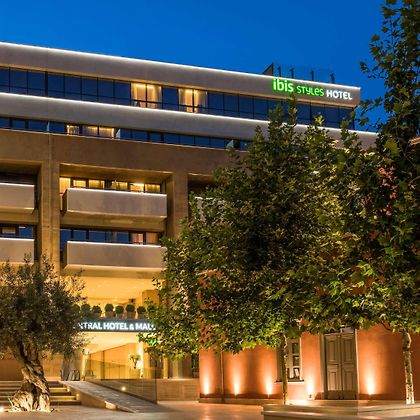
Ibis Styles Heraklion Central
From
Heritage and Cultural Heraklion Hotels
Hotels steeped in heritage and culture provide travelers with an authentic and immersive experience, showcasing the rich history of Heraklion. Staying in such accommodations allows guests to connect with the traditions and stories of the area, often featuring historical architecture and local art. Heritage-focused Heraklion hotels often serve as gateways to explore the city's many historical attractions, from ancient ruins to dynamic museums. Embracing the local culture enhances the travel experience, leaving lasting impressions. Here are some notable heritage-oriented options among Heraklion hotels.

Vespera City Hotel
From