As you will see when you are travelling around Morocco and including the streets of Marrakech, as modern and europeanised it looks, especially when you compare with say another North Africa country as Tunisia where i hardly saw any donkeys!, donkeys and mules are used in a big way in the everyday lives of the locals.
In and around the medina you will see many donkeys in use - ie the old town centre of Marrakech - especially with the old narrow and winding streets that the small but hardy and strong donkeys seemed ideally matched for.
I really have a thing for donkeys! - cute and photogenic - certainly adds to the character of our visits to the culture here and to the look we get to see of local life in the medina.
For the local trying to eke out a living the donkey still has the advantage too of being much easier to look after and with less running costs than the modern vehicular replacements!
As has been a common complaint in the past it still can be a problem of these animals, as with the horses pulling the caleches, not being looked after as appreciatedly as they deserve.
Though a major appeal or advantage of the donkey is that they are strong and have great endurance and are able to carry loads much heavier than their own body weight it can be distressing to see situations of donkeys being seen with loads that are obviously above what they should be enduring ie trailers or carts with huge wheel bases on them! along with the load in the trailer and then maybe two passengers!
Apparently in the UK there is a law now that limits the weight that a donkey can carry as being 52kg! that is only a small adult maximum!
There is the AMAZING!! organisation Spana (www.spana.org.ma or in the UK www.spana.org) founded in 1959 by a British woman and her daughter with projects in many countries - check out their websites and see if you can resist not feeling the urge or need to donate!! - with not only the advantage of providing care or haven, such as animal hospitals including mobile hospitals in the souks, for abused animals but also to educate donkey, mule and horse owners of acceptable care of their animals and work resources - and it is pointed out that their aim is not only to help donkeys but by helping to look after the animals that so many families rely on it is also helping the families living conditions.
If you witness any problems with donkeys, mules or horses you can contact the police or the Centre Hospitalier pour Animaux in Marrakech. You can also contact Spana and visit their centre to see what they do and perhaps get involved with support.
http://www.spana.org.ma/nous-contacter/centre-de-marrakech
I must confess that I was not impressed by th Medina, in Marrakesh.
After visiting Tetouan, Tangier, Casablanca, and specially Fes, this Medina seemed a common commercial quarter, without the strong sensations lived in Fes.
Of course, for a first contact with Moroccan way of life the sensation may be totally different, but... this was what I felt.
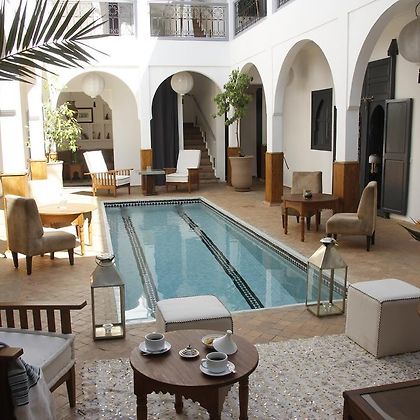
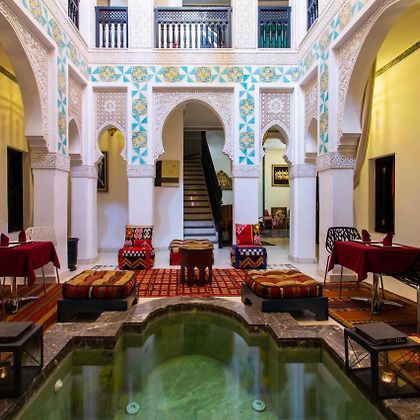
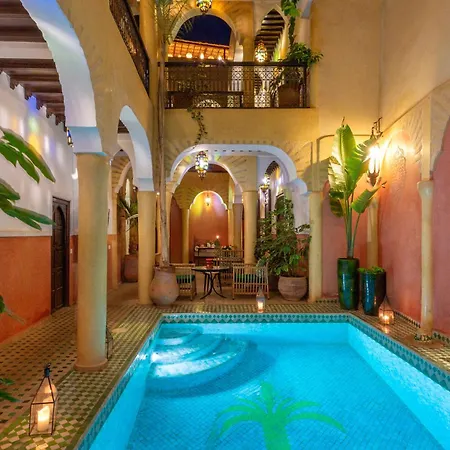
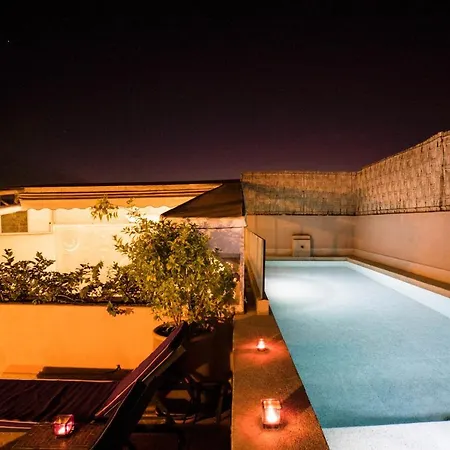
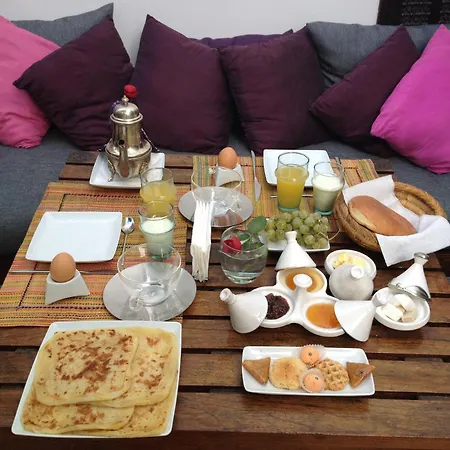
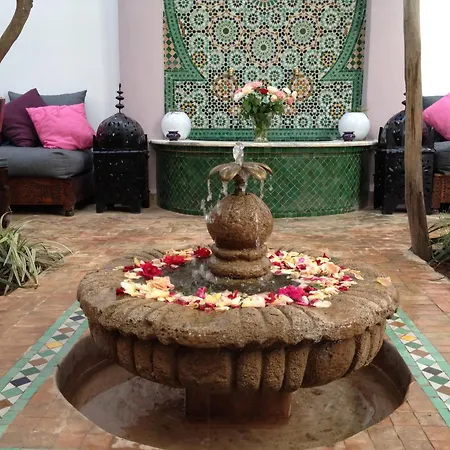
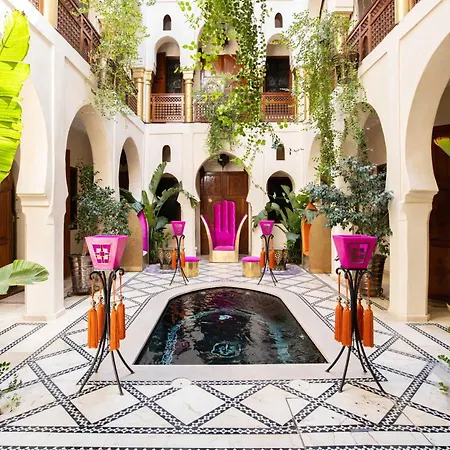
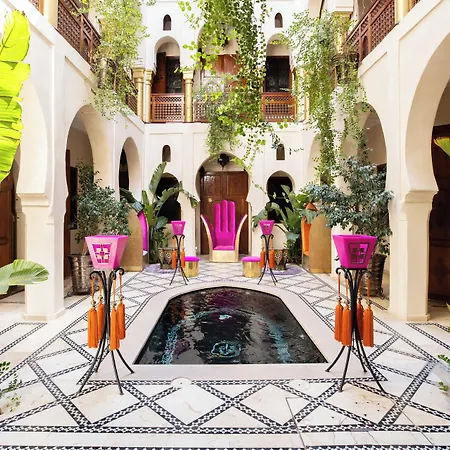
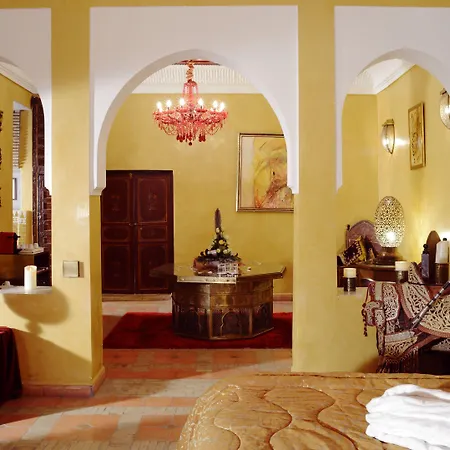
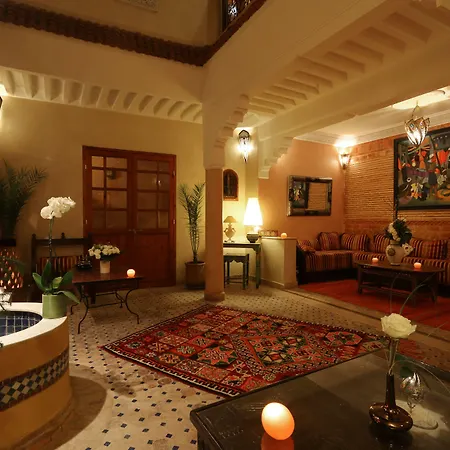
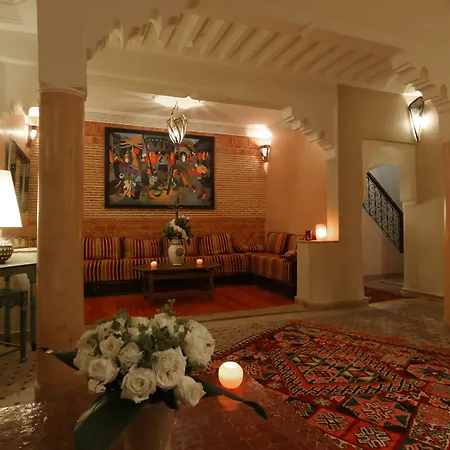
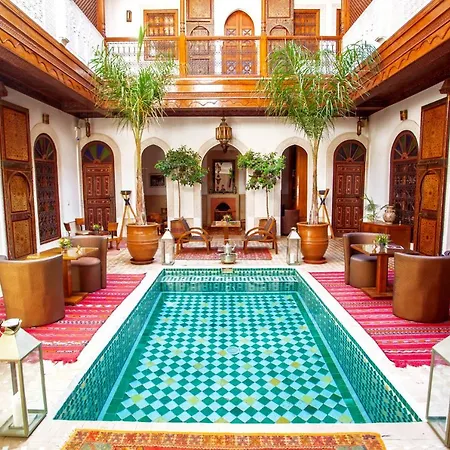
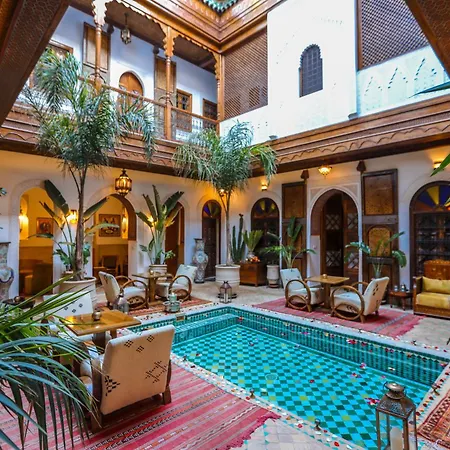
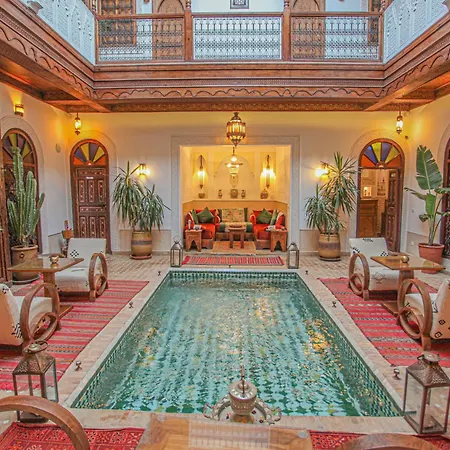
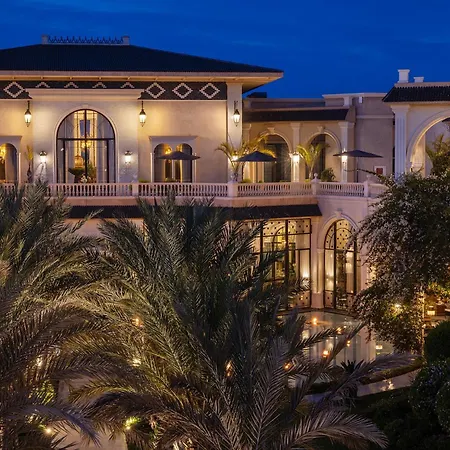
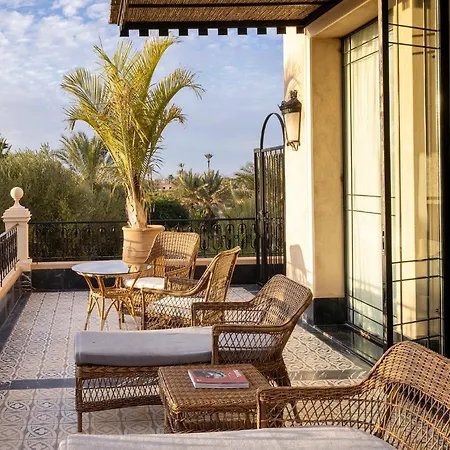
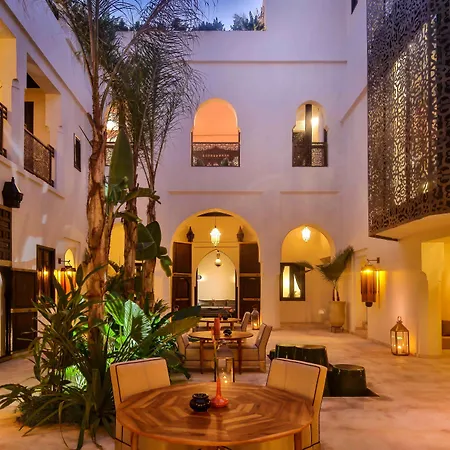
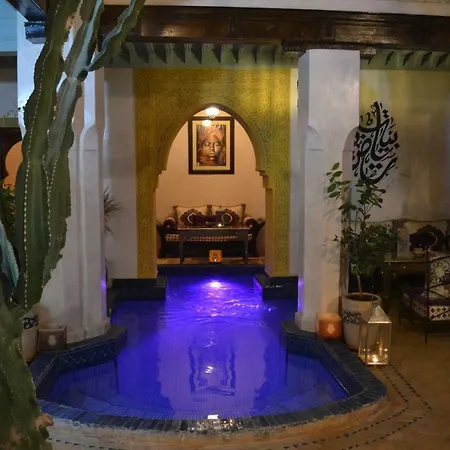
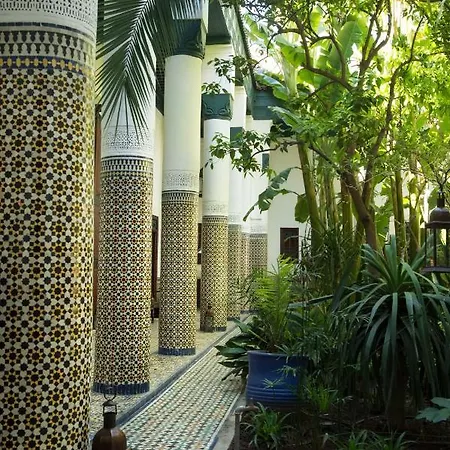
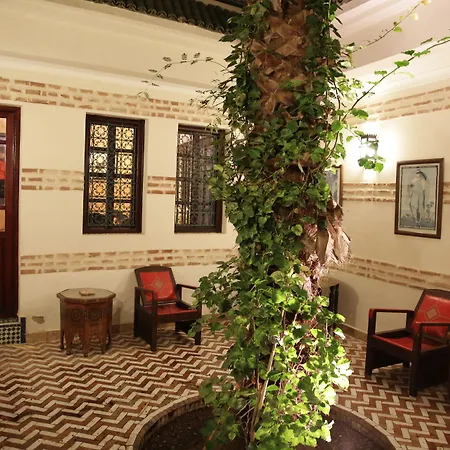
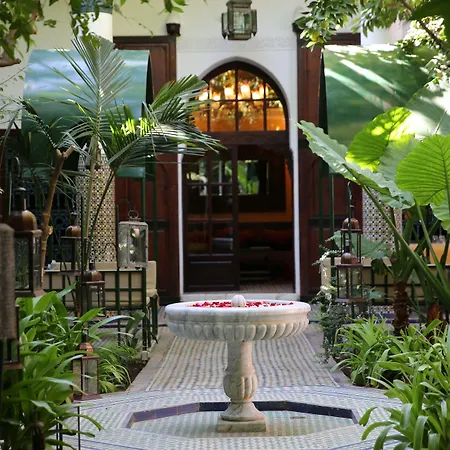
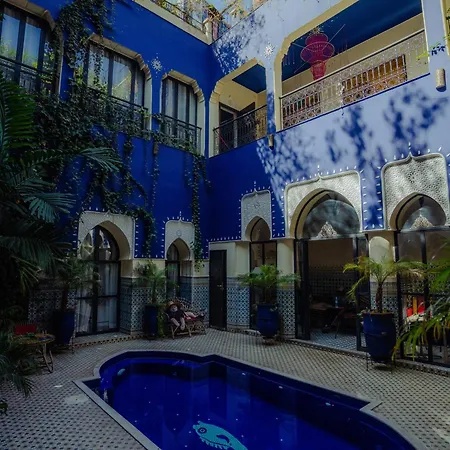
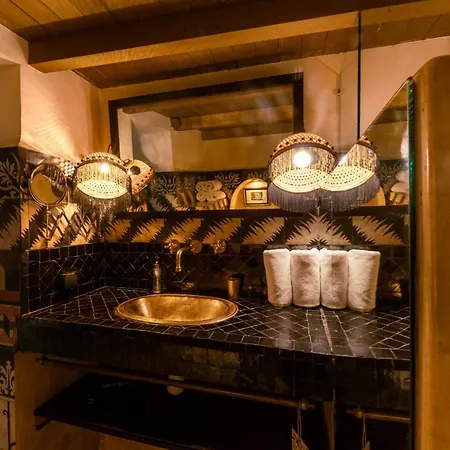
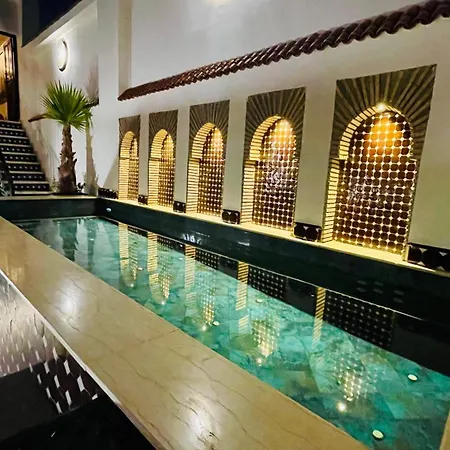
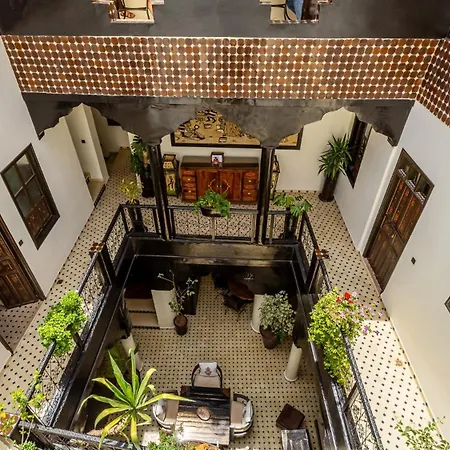
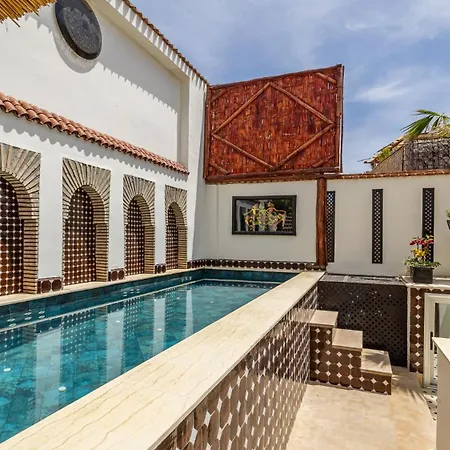
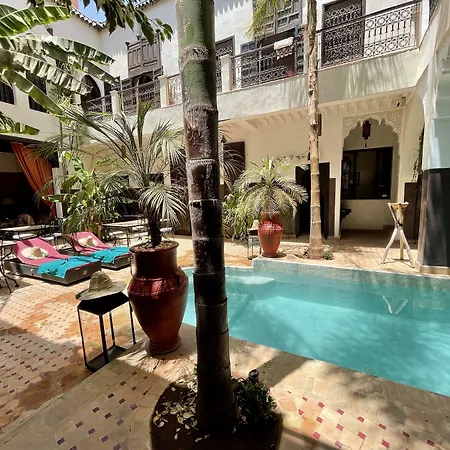
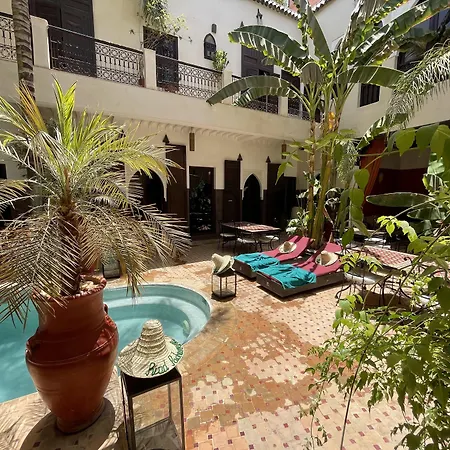
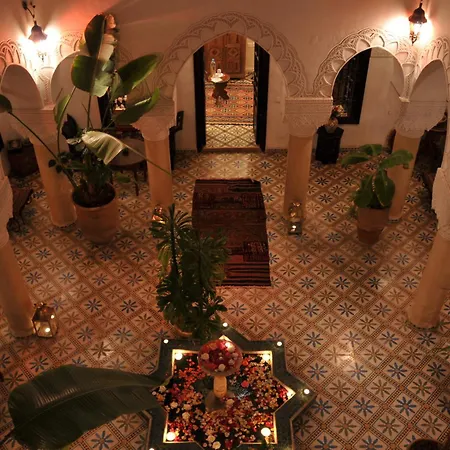
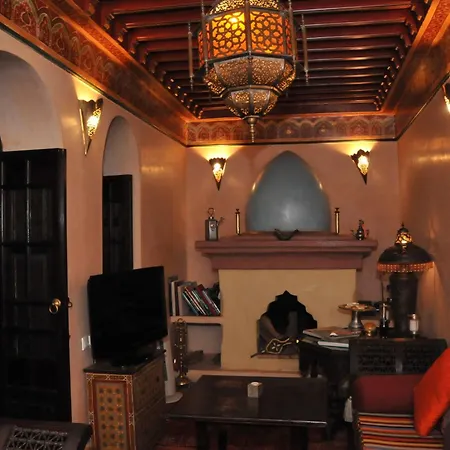
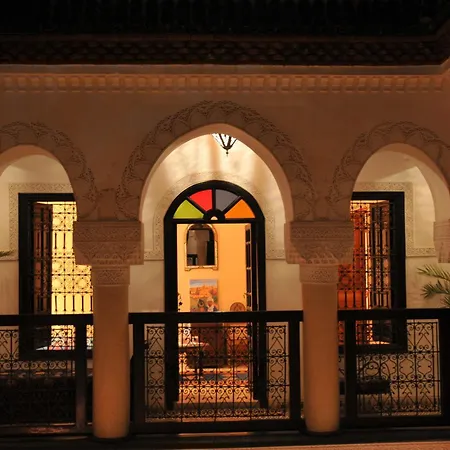
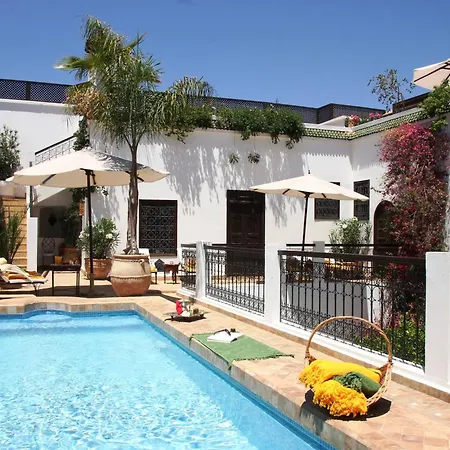
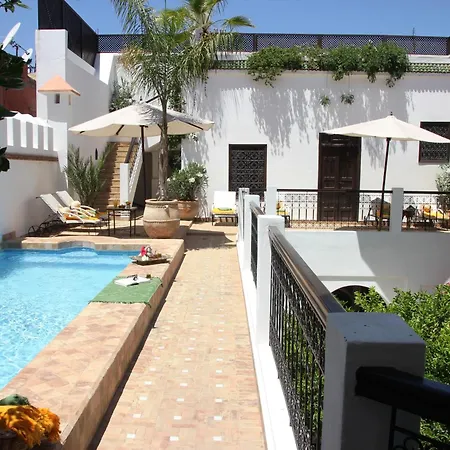
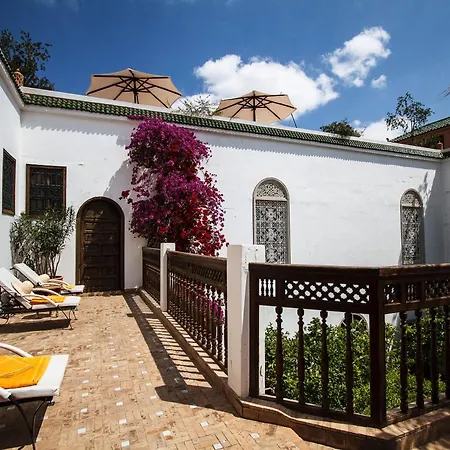
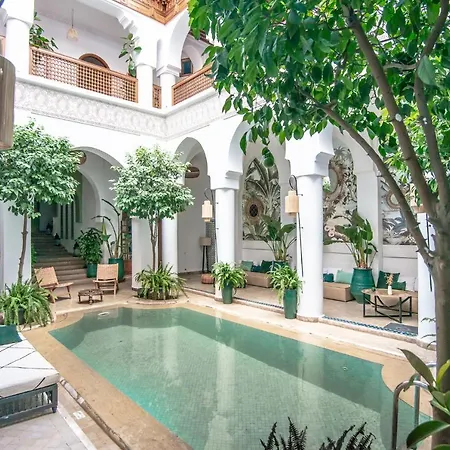
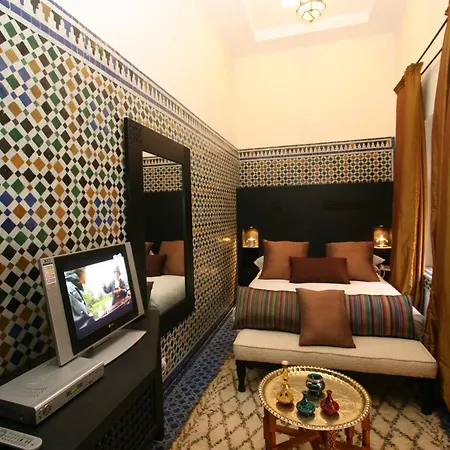
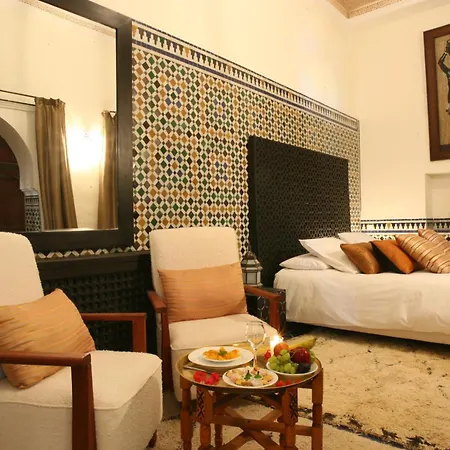
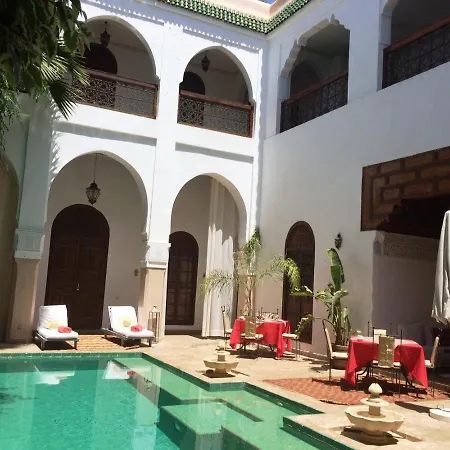
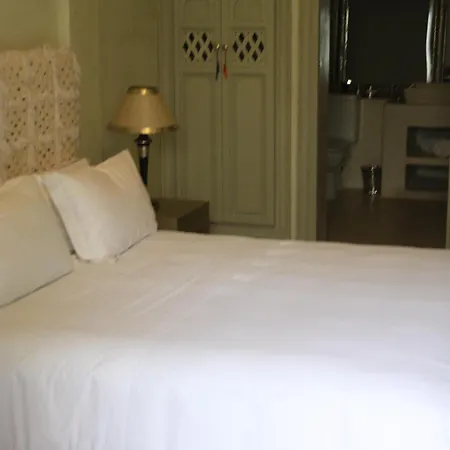
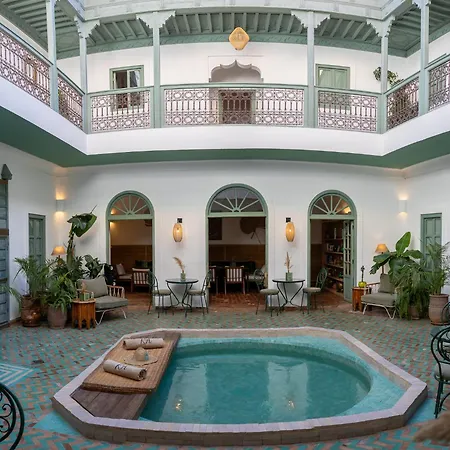
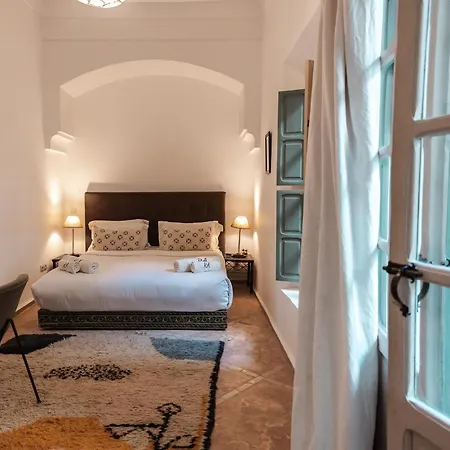
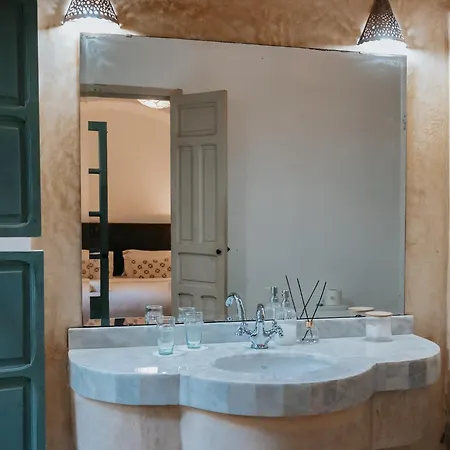
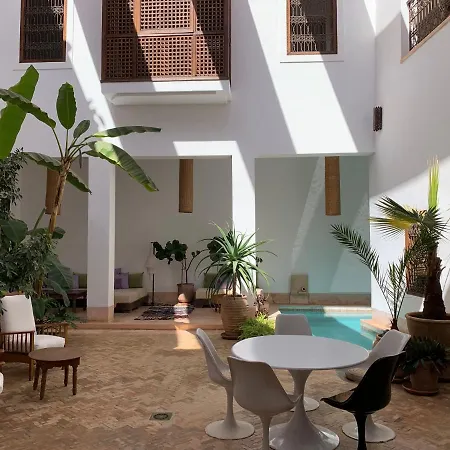
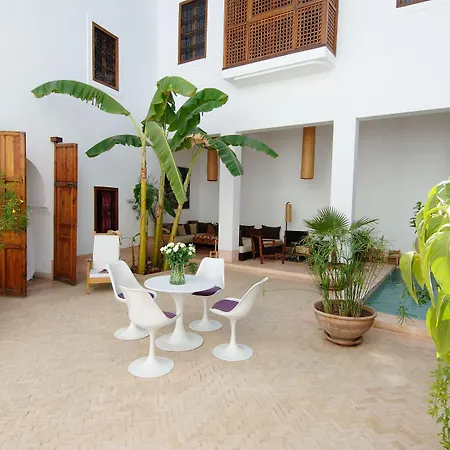
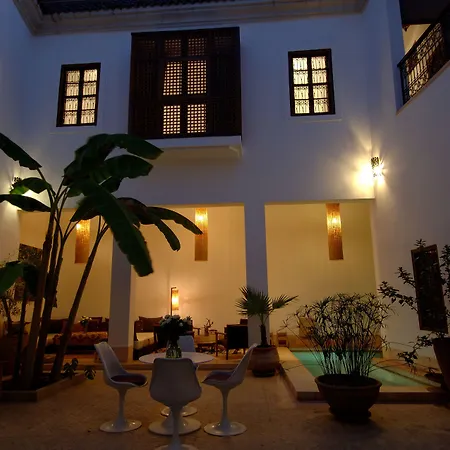
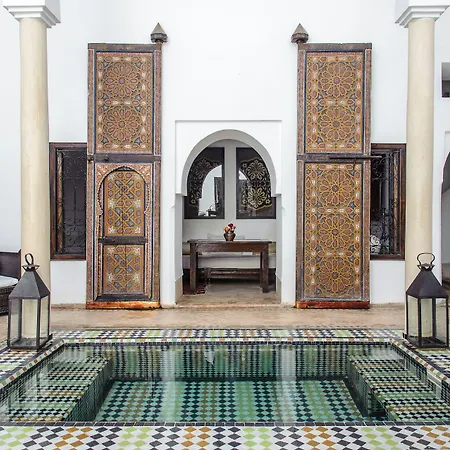
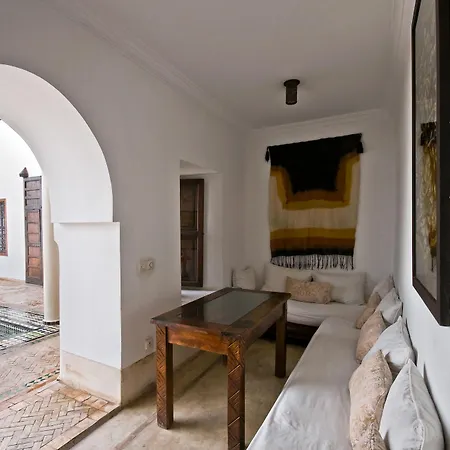
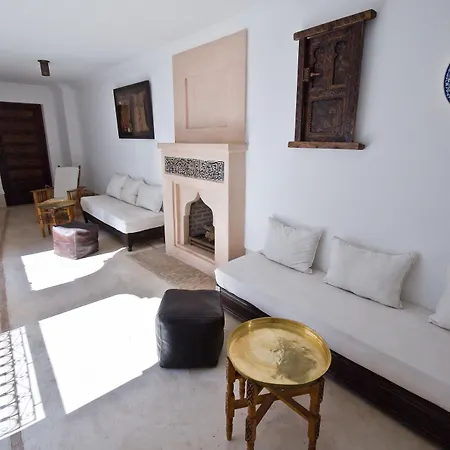
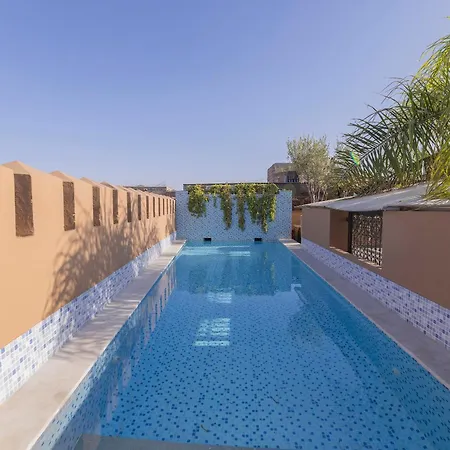
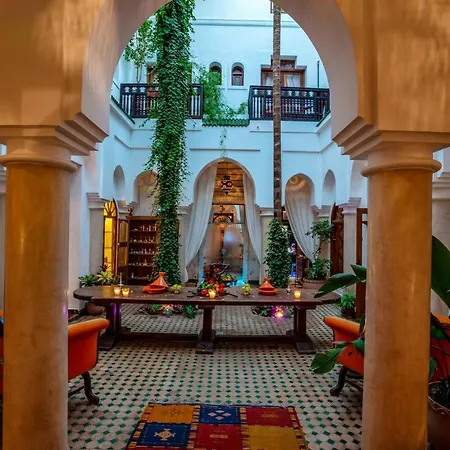
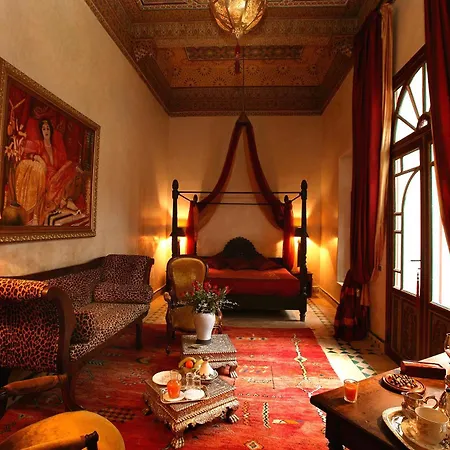
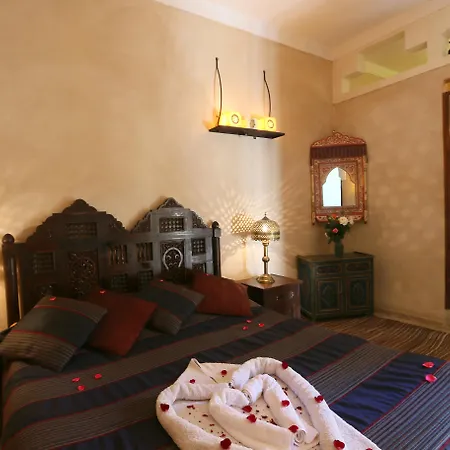
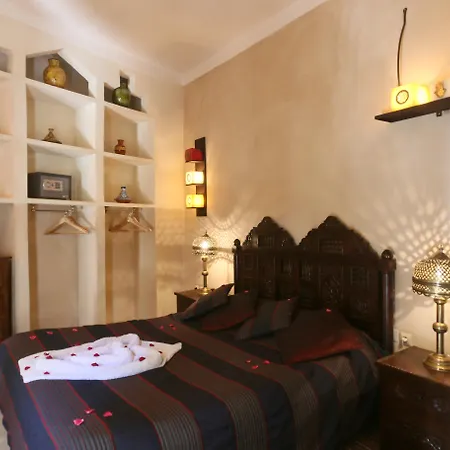
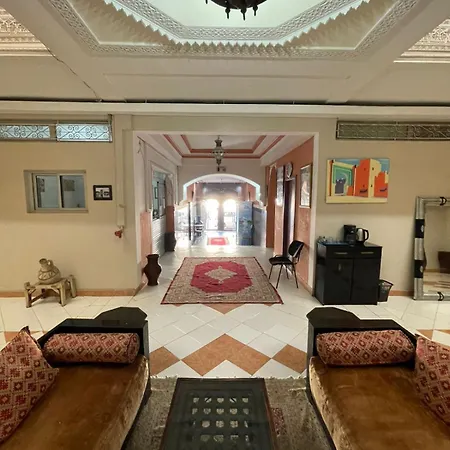
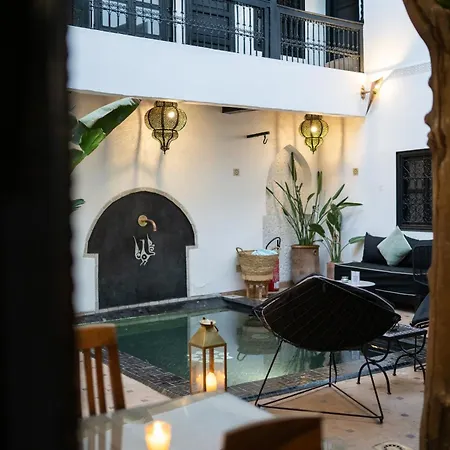
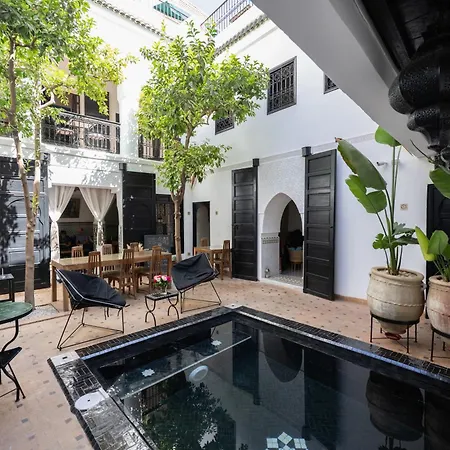
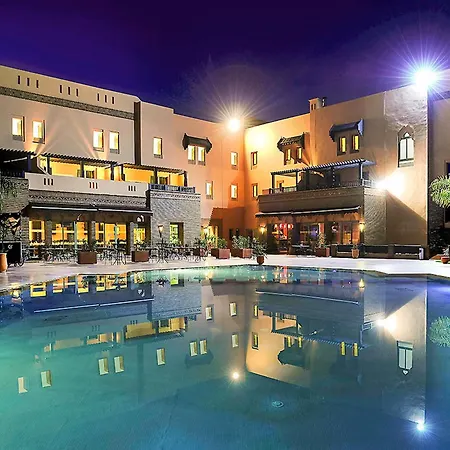
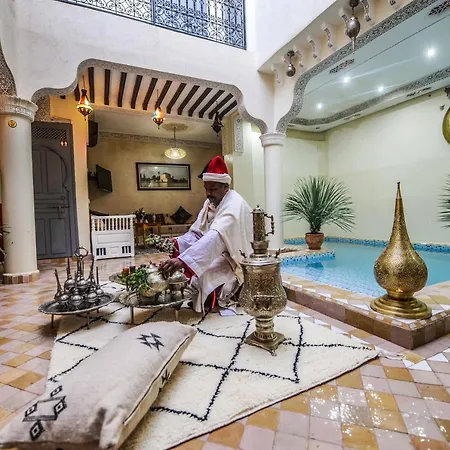
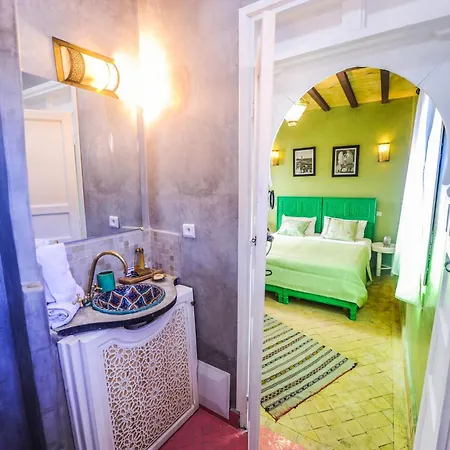
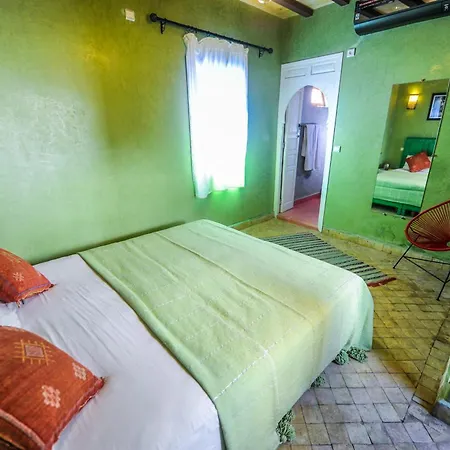
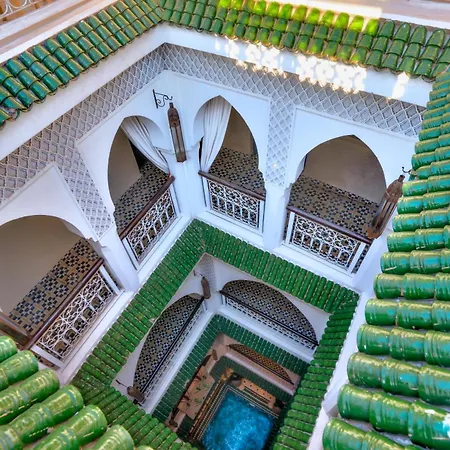
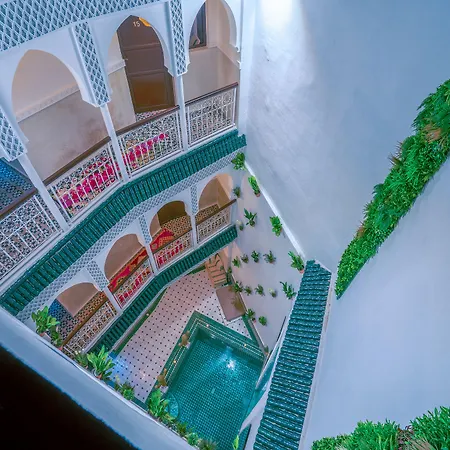
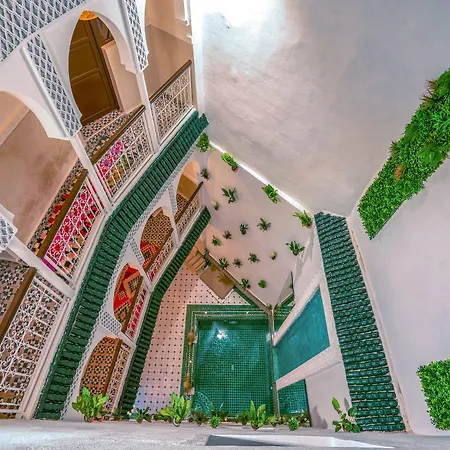
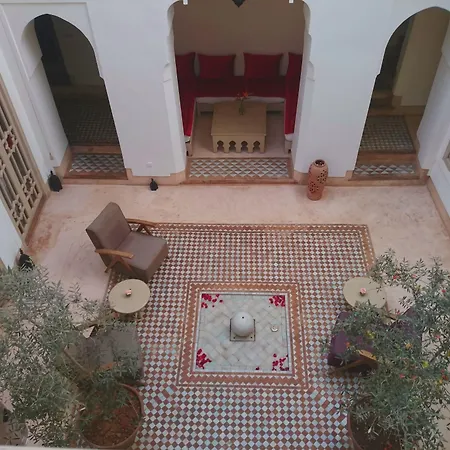
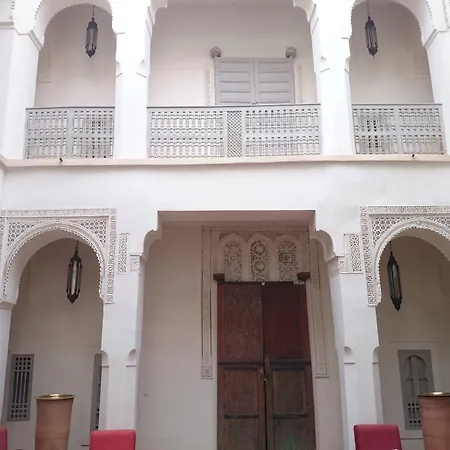
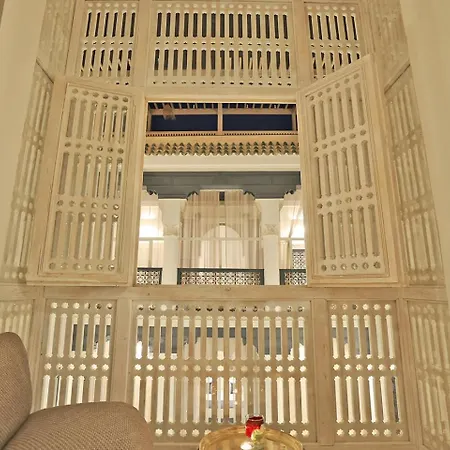
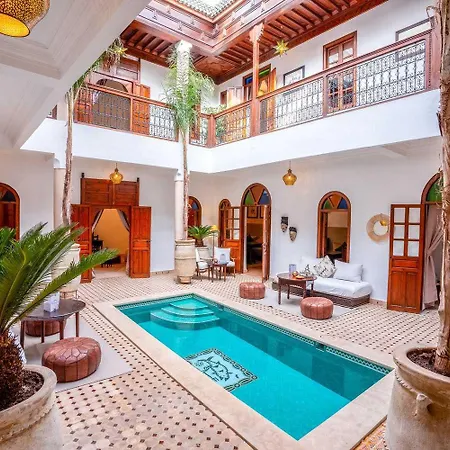
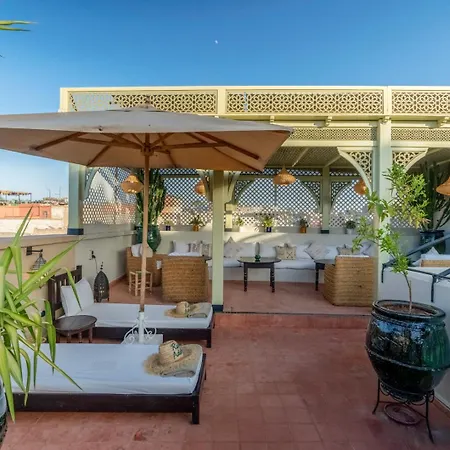
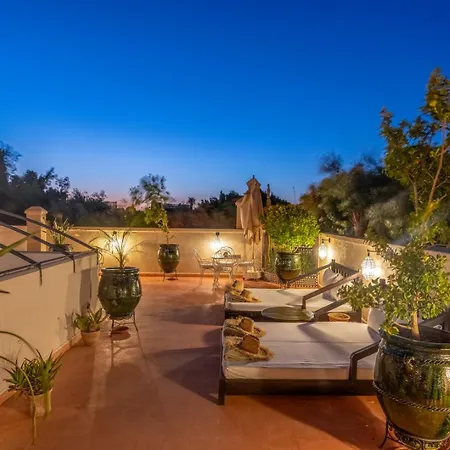
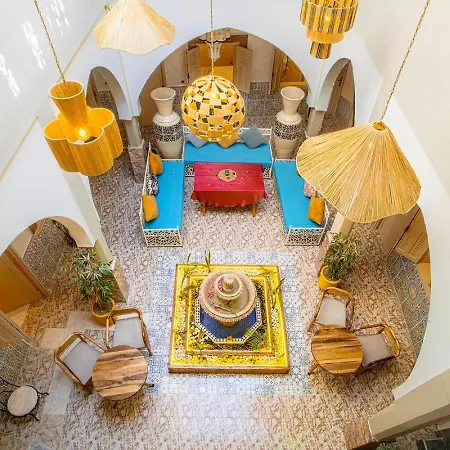
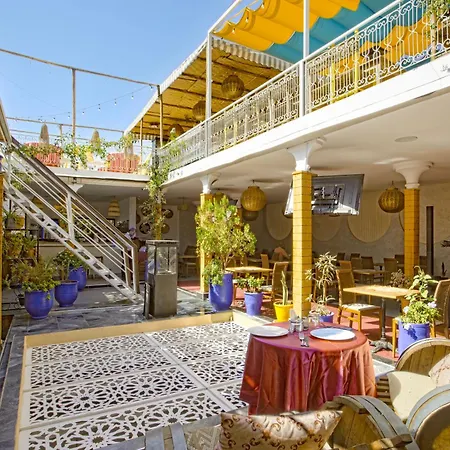
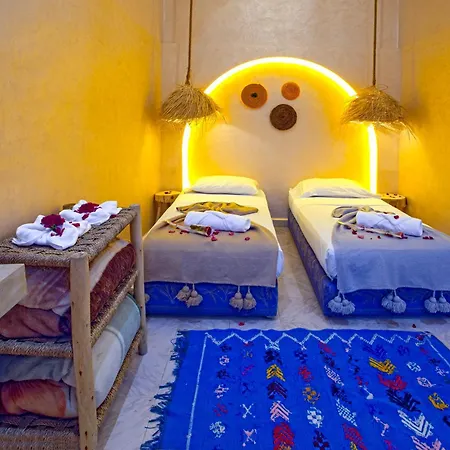
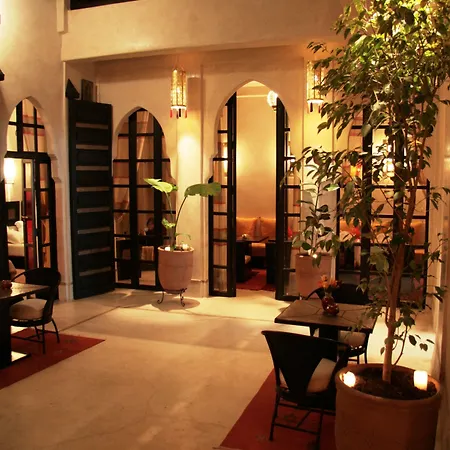
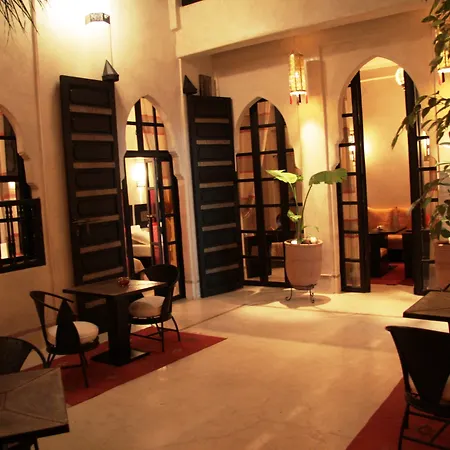
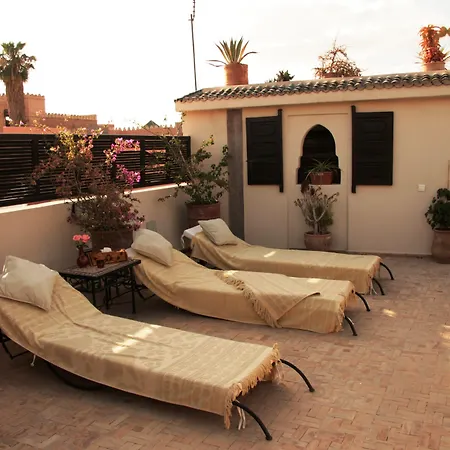
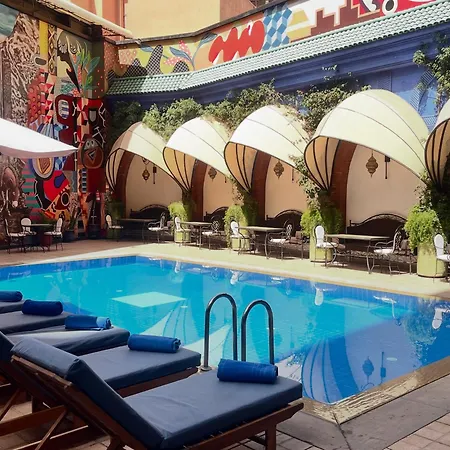
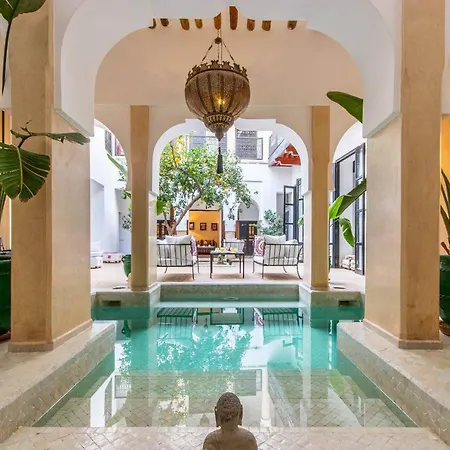
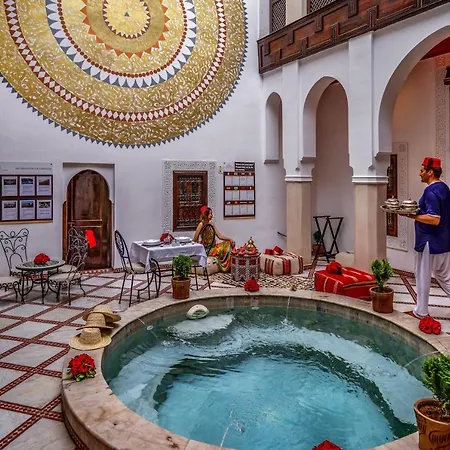
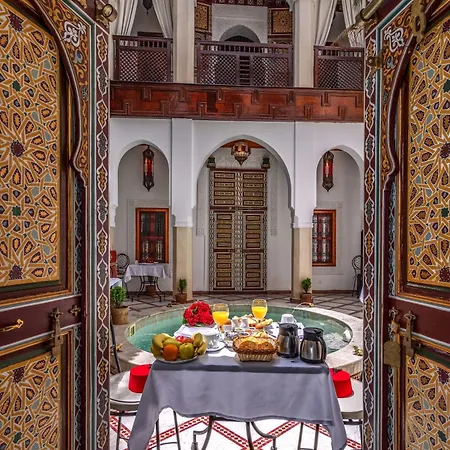
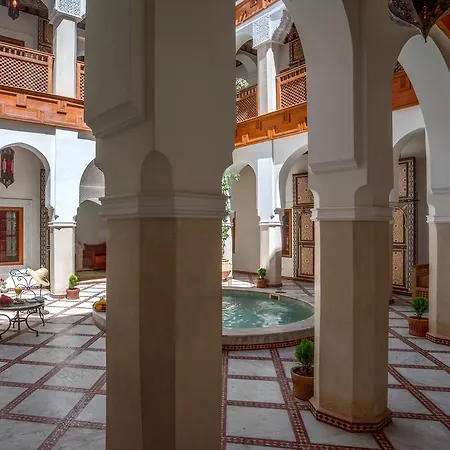
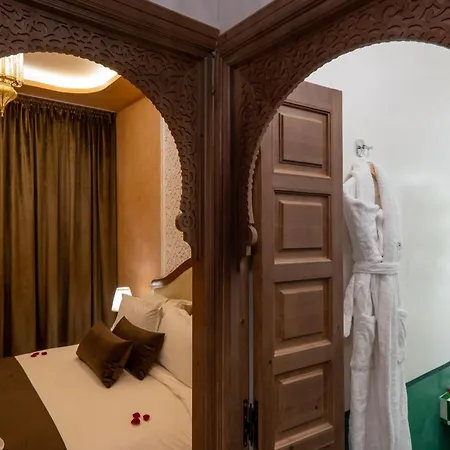
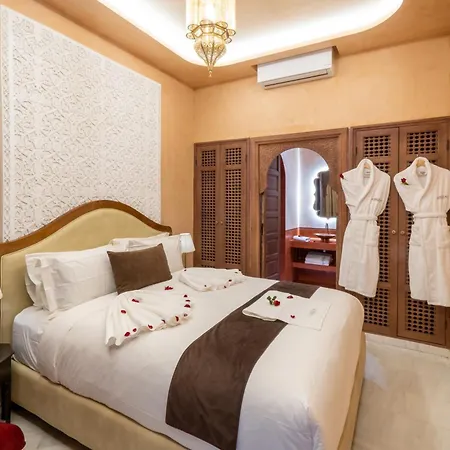
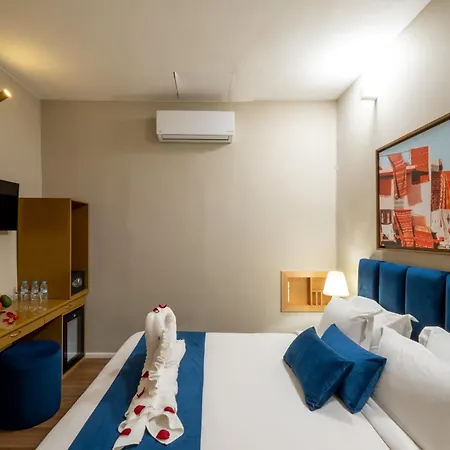
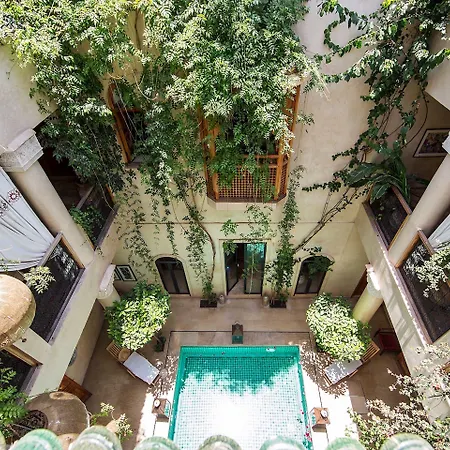
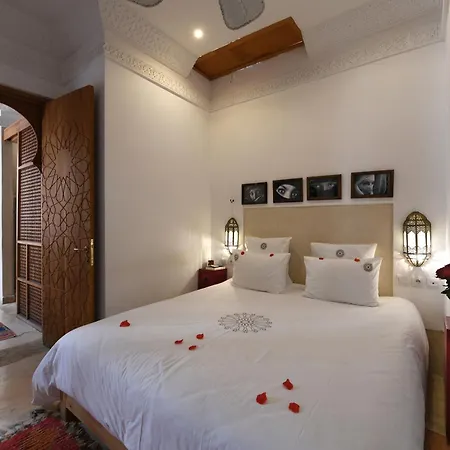
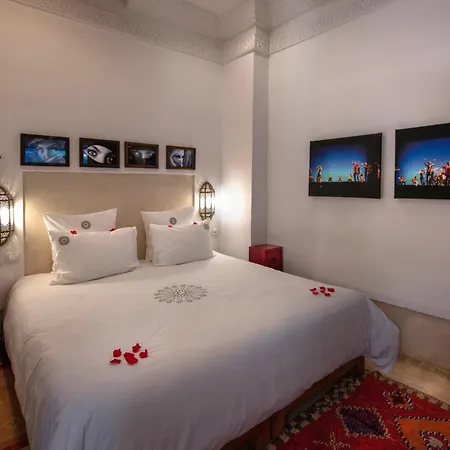
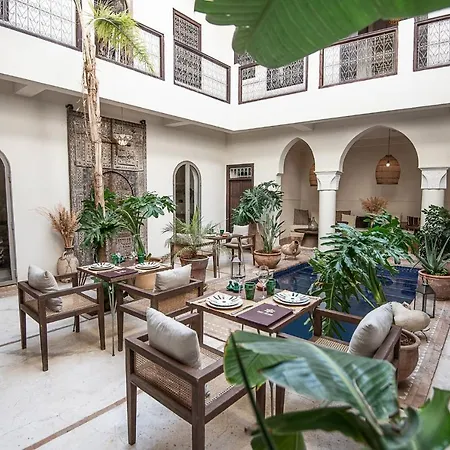
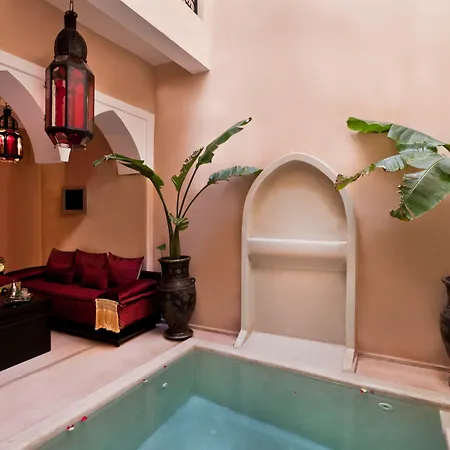
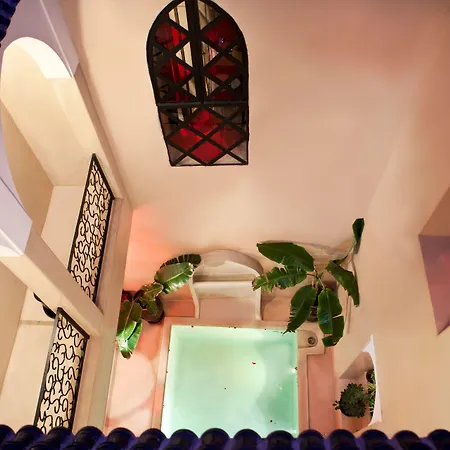
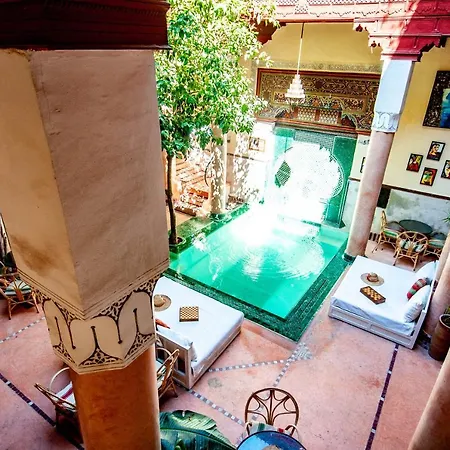
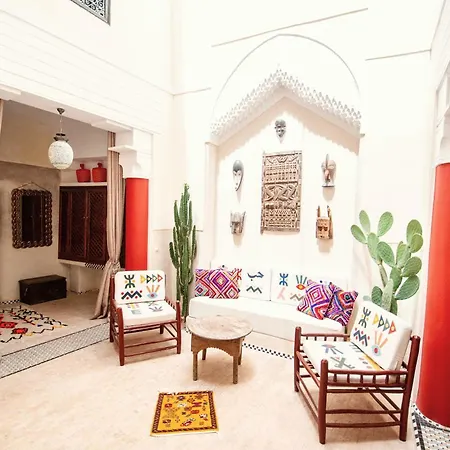
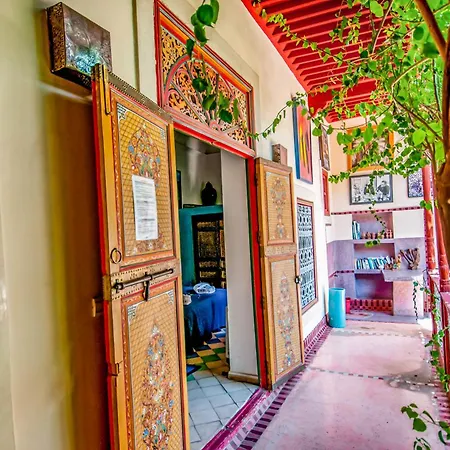
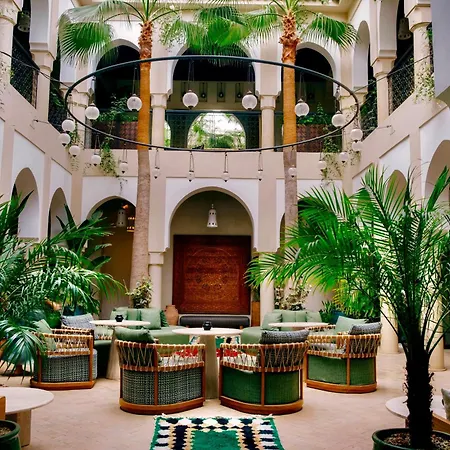
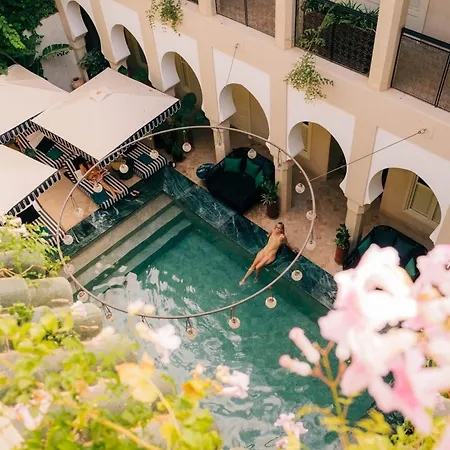
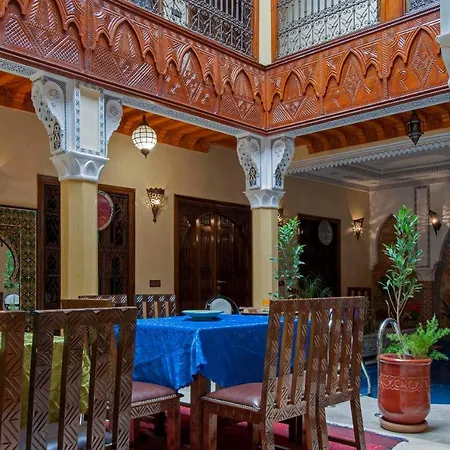
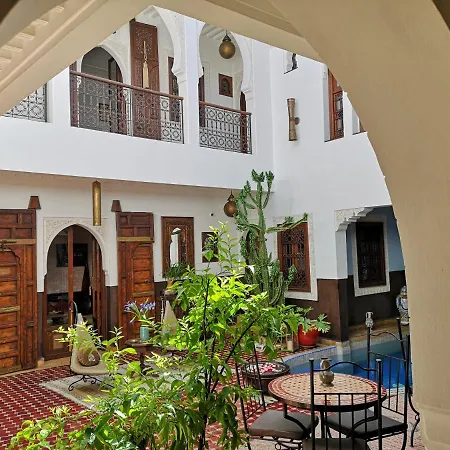
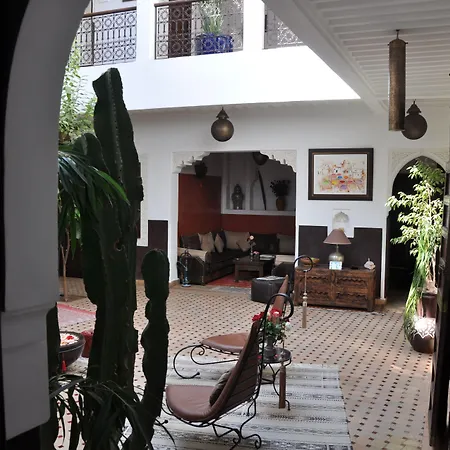
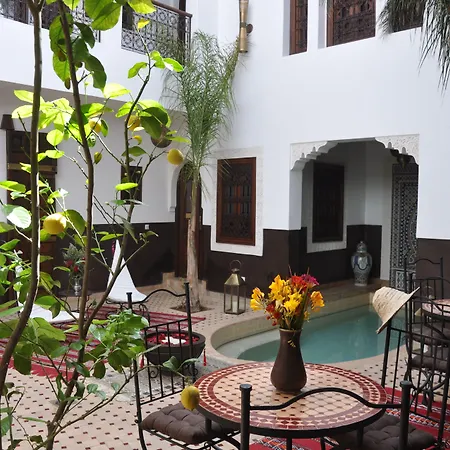
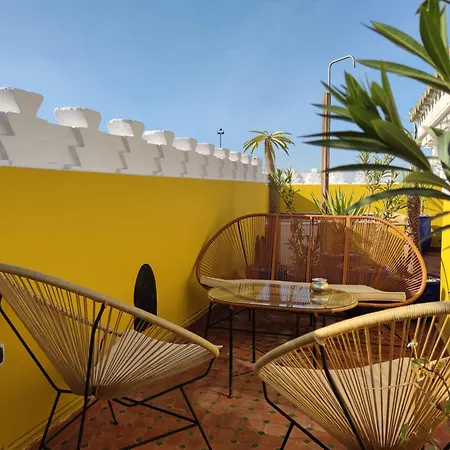
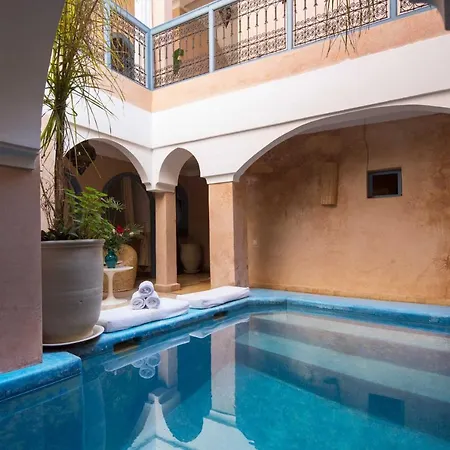
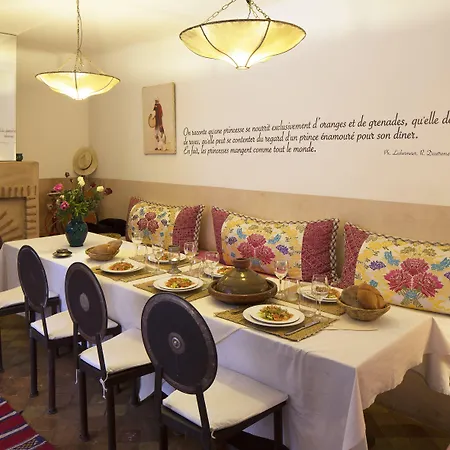
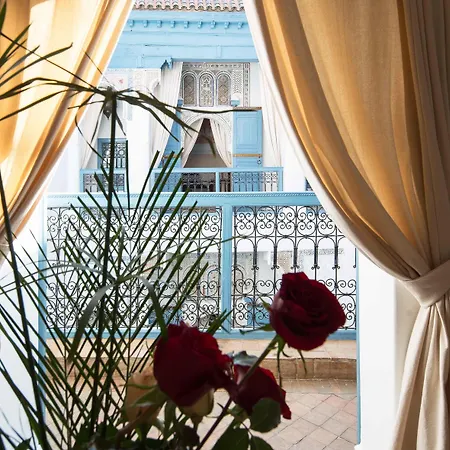
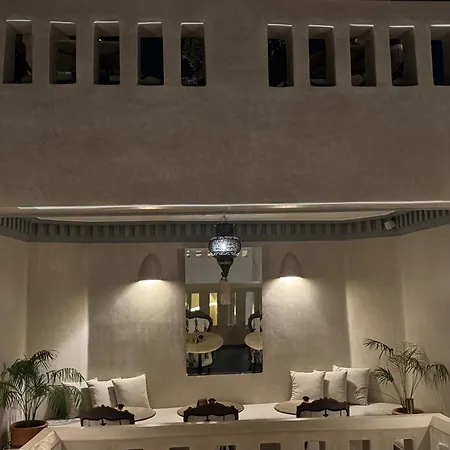
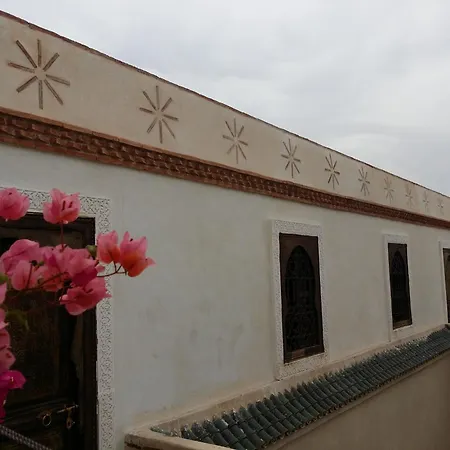
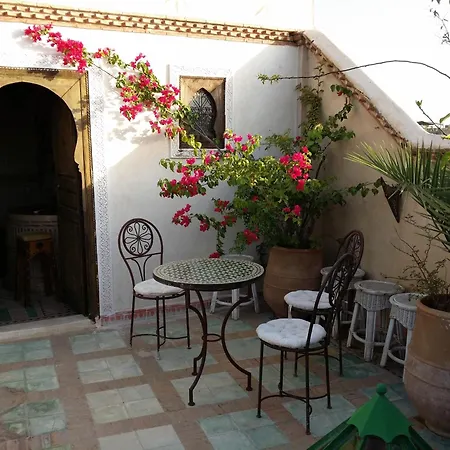
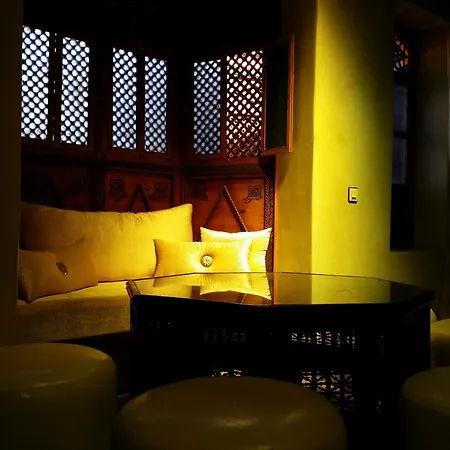
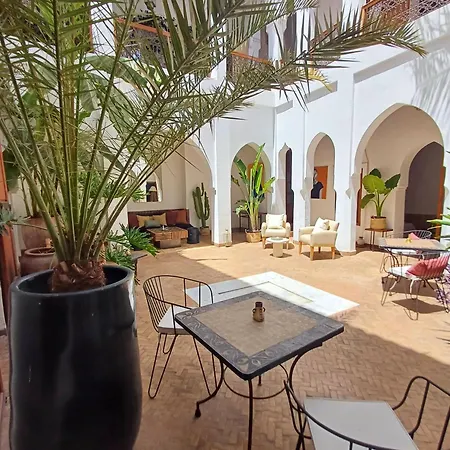
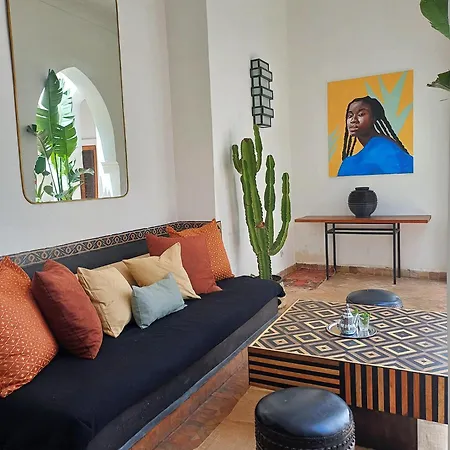
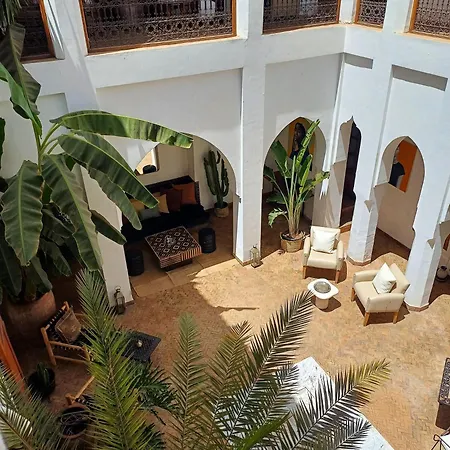
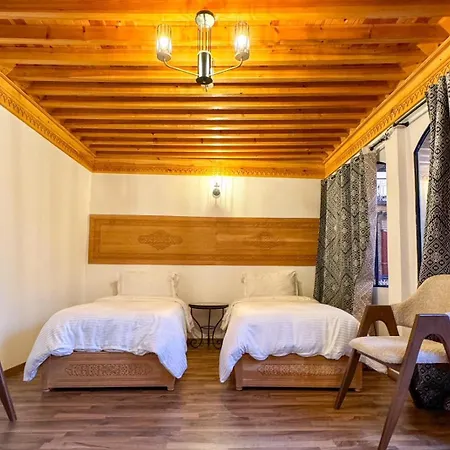
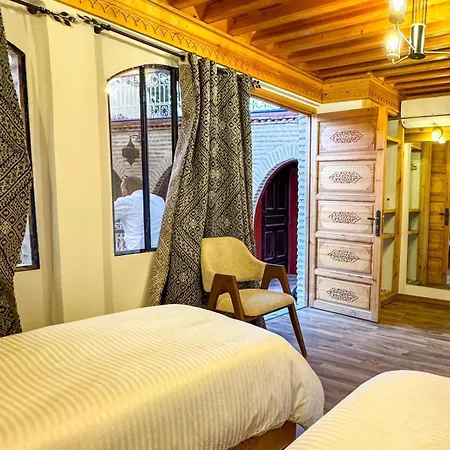
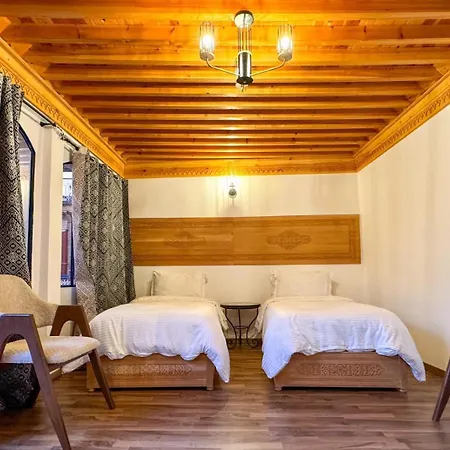
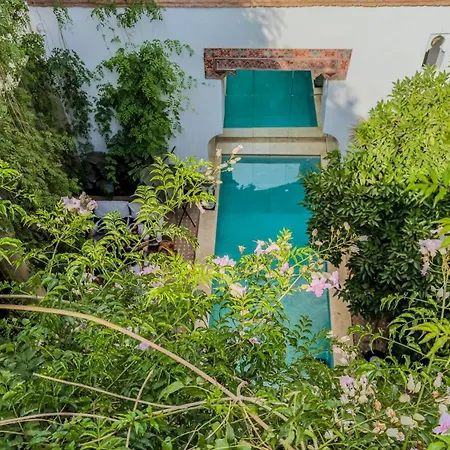
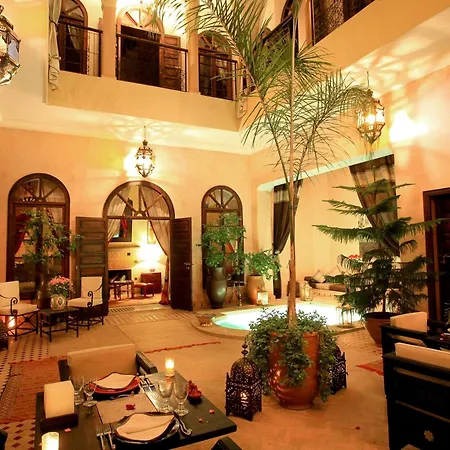
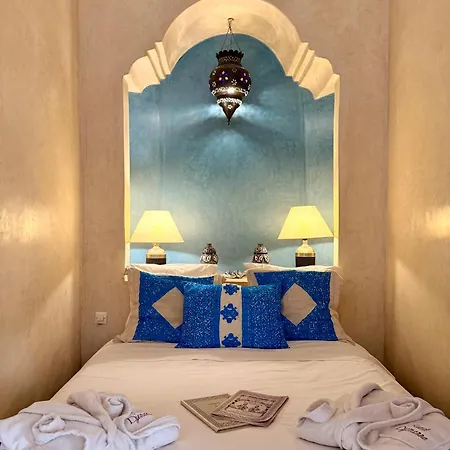
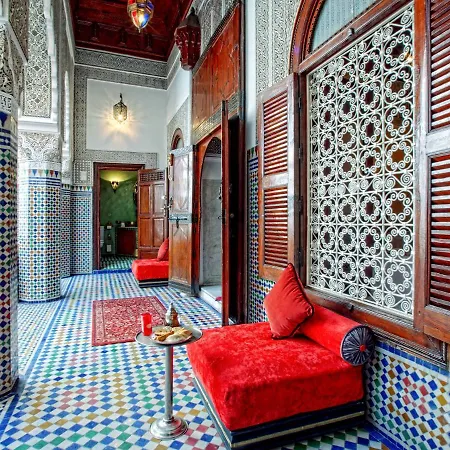
We just returned from a phenomenal trip of Marrakesh. Al Moussika was our base to explore the medina and for trips to the coast and to the Atlas mountains. The riyad is a carefully and tastefully restored historical building which offers a quiet retreat after a busy day in the pulsating city. There are only six bedrooms and many additional sitting rooms including a well stocked library and a room with a grand piano. Breakfast is of very good quality and the lunches were among the best meals we had in Marrakech. The personnel is competent and very helpful and offers a friendly, personalized service. Restaurants and transportation are suggested on request and promptly organized.
With our Marrakesh self-guided map given by our riad ,we entered into the medina, the walled city section of Morocco’s capital, Marrakech, is nothing like I’ve ever experienced before. The souk contains booth after booth of wares, including local clothes, furniture, rugs, lamp fixtures, spices and exotic foods. Of all the adjectives that could be used to describe the souk, I think eclectic is the most fitting.
After adventuring around for a while in this, one of Africa’s most exciting destinations, (and exclaiming, “Wow! Come look at this!” around every corner), Medina is big, YES, you will get lost eventually, it’s normal. Many people don’t profit from Marrakech’s labyrinth streets, inside the markets (souks) and from many interesting places, because they will get lost. And no one likes to be lost specially in such a chaotic and different environment such as Marrakesh! Because of this,we hired services of a travel company advertising in the same map, named : Les secrets de Marrakesh, for the following day to take us through the lesser-known areas of the souk. Our Moroccan escort took us into the back, where the trades are made as Marrakech wholesalers negotiate with local venders and we got to see raw materials such as leather to make shoes, wool that would soon become a rug, dyes used for clothing, and animals that would soon be for sale. It was the staging area for the souk.
we went exploring a little more and in every direction we turned, there seemed to be a helpful Moroccan that would make sure that we knew where the centre of the souk was. This was where all the action was happening. When I approached the focal point, I saw there was a cock fight in one circle, a dancing monkey in another, a local playing a flute to a dancing cobra…It was nothing like I’d ever witnessed, either in Morocco, Africa or elsewhere!
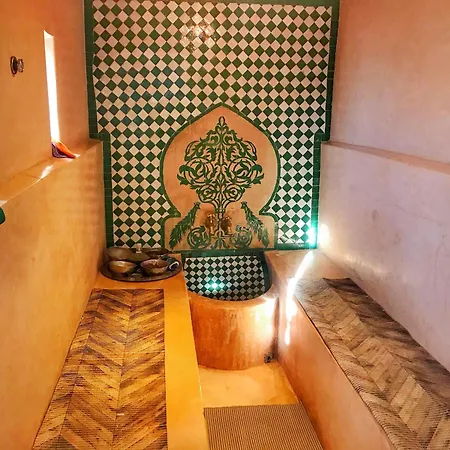
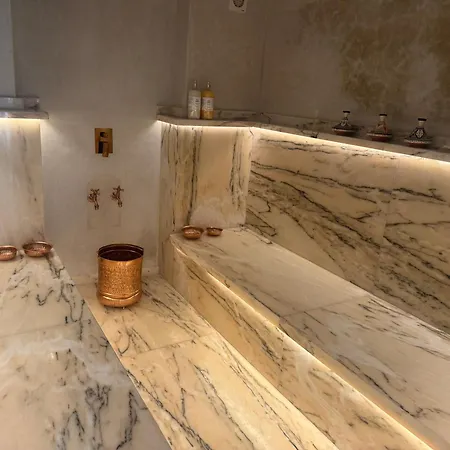
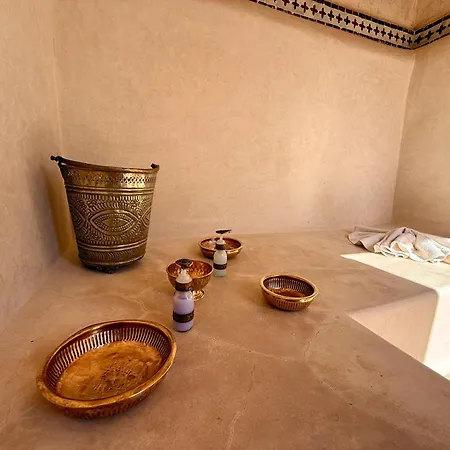
After leaving this centre square, we asked a local about visiting a hamam-a local Turkish bath house. They pointed us in the right direction and made sure that we were clear on the door we should use so that we would go in the women’s bath, not the men’s. After we entered, we realized why: everyone in the hamam was naked. With a bit of a language barrier, we managed to communicate that we’d like a massage. We undressed and a local woman proceeded to lather us up with a gel-like soap and scrub us down. I was so relaxed after this experience I could barely walk. In fact, I walked right into a Berber gentleman crossing the street right in front of me. It was as though I were walking on a cloud and we opted to sit at a café for a drink before continuing on our journey.
Before leaving the souks of Marrakech, we opted to take one more look at the central square. It had completely transformed. The live dancing animals were no longer there; they had been replaced by a food fare, with some animal heads to be eaten (presumably from the animals that we had seen being traded earlier), some food that looked like worms, some that I recognized to be vegetables, and some that you would expect at a food stand in Marrakech, like your tagines, couscous and soups.
We left the medina with a whole bunch of souvenirs; some for us, some for friends and family back home. We also indulged in some of the more familiar food, some fresh vegetables, olives, cheese, a bottle of local wine and, of course, some fresh mint for after dinner tea, and had a wonderful picnic at our apartment hotel just outside the medina where it was little quieter.
All in all, our Marrakesh adventure proved to be a most wonderful experience.
DON'T bother looking for 'Fontaine Echrob ou Chouf' just up from Ben Youssef Medersa in the northern medina. We walked right past it, on our way to Museum de Marrakech, without a second look. I didn't even bother taking a picture of it, once we found it, to supplement this tip as it was just a tap on a dirty wall to me. If you pass by that's fine but let me know what you think. Museum de Marrakech was worth visiting but getting 'white ballance' correct for photos in the main courtyard was difficult.
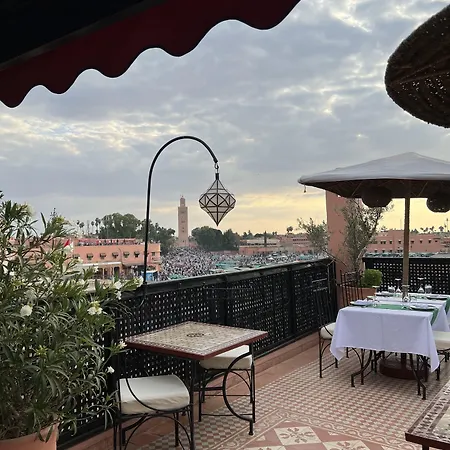
The Medina is the walled old town of Marrakesh. The souks are open-air market places located mainly in the northern half of the Medina. Each souk originally, and to some extent still does, specialize in a specific trade or craft. Many of the narrow streets that house these markets are covered in reeds which filter the sunlight into narrow strips. The souks as shown on maps are not the only interesting part of the Medina. Most of the Medina and Kasbah area have similar narrow streets with plenty of character and plenty of characters.
The photographs on this page are of the souks and northern Medina.
Go on...get in there and give it a go!
Guide books try scare you about getting lost or hassled by the shopkeepers. Forget it. You'll be fine and you'll love it.
Well, I'm here to tell the tale...
It is fascinating. An astonishing array of goods for sale. I got a bargain - 11 postcards for the price of 10. That's about 10% innit? Last of the big spenders, huh!
Beware of motorcyclists buzzing around. They'll avoid you unless you do something daft (like stop suddenly to take a photo). Also watch out for donkey carts.
A map may help the navigation, but with no street/alley signs (or in Arabic only) it's no sure thing. If worried, just ask someone - they're friendly and helpful.
The Medina of Marrakesh is encircled by ochre rampart walls which give the city its nickname of “the red city”. These walls, varying between eight to ten metres in height, date back to the 13th century and run for a total of nearly 12 miles. They were constructed from straw and clay using techniques that date back to before the time of Christ, with wooden scaffolds and frames filled with the mixture, much in the way of a modern steel and concrete construction. You can still see the square holes where the wooden frame once protruded, which now serve to allow fresh breezes to pass through into the Medina.
The ramparts are cut through by 18 gates, most of them fairly unadorned and some simply gaps in the wall. Bab Doukala gate, seen in my main photo, is fairly plain, but on the south side we saw Bab Ksiba gate which has some more ornate decoration, and Bab Agnaou, the most decorative of all – however travelling by taxi I wasn’t able to get photos of these.
The towers in my second photo stand just outside the walls north of the bus station (Gare Routiere). We were told that they mark the tombs of seven great men but I haven't been able to find out more than that - can anyone reading this shed any more light?
In the middle of the day the walls look relatively dull but first thing in the morning and again late in the afternoon they glow. To walk all around them would be a long and dusty trail, so a popular alternative is to tour all or part by caleche. A complete tour will take about an hour and should cost between 200 and 300 dirhams.
Whilst walking through the medina you will see on display many foods which look so attractive you would like to try. Being a novice tourists in Morocco we were very careful what and where we ate anything. During our 7 day visit we ate pastries from various shops and never experienced any problem.
Give it a go!
Walking through the crowded streets of the medina is full of surprises, anything may appear in front of you. A most colourful store was the Spice Shop with cones of the various spices on display. We found it to be eye catching.
I had seen photos over the years , but to actually see the display was something special.
Carpets for sale hang from walls, open windows although the souks. Most are still created by handlooms making them quite unique in their styles and colours. The carpets from the Atlas Mountains are made of 100% wool and are dyed using vegetable colours.
Sponsored Links
La Maison Arabe Marrakesh
4 Reviews and 507 Opinions This riad is consider the oldest- may be the fiart- and best riad in Marrakech. Hoever. it is a bet...
Riyad Al Moussika Marrakesh
7 Reviews and 262 Opinions My husband and I went with good friends to stay at Riyad Al Moussika. I had read reviews and was...
Riad Kniza Marrakesh
2 Reviews and 719 Opinions Beautifully decorated room, cozy aura, clean bathroom, delicious food and warmhearted staff. I got...
Sponsored Links
Comments