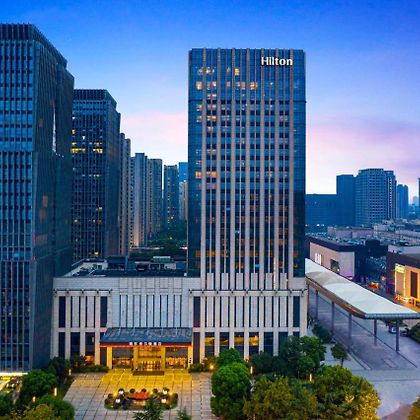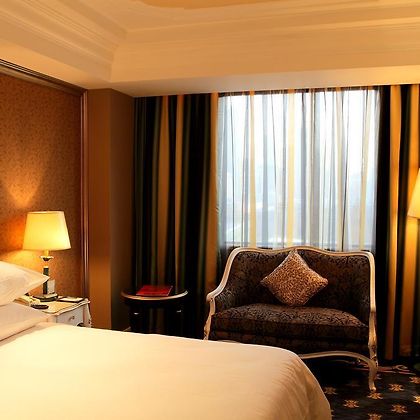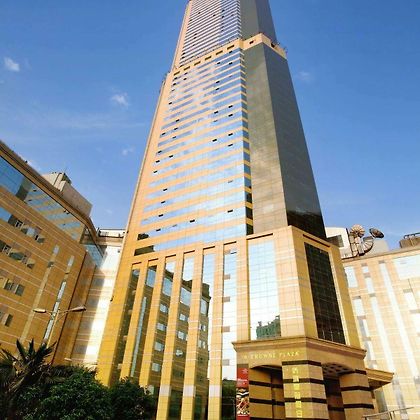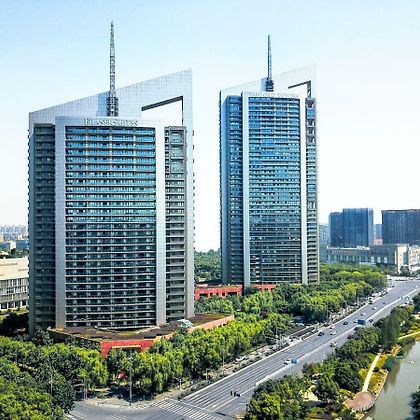
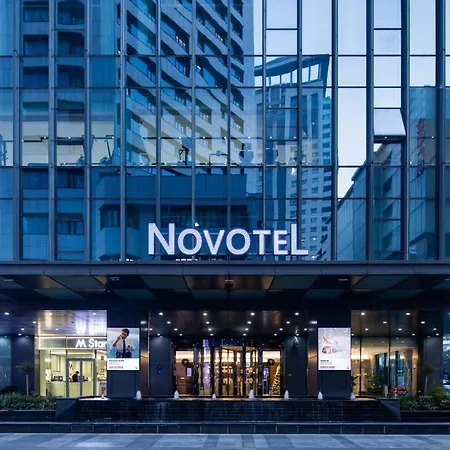
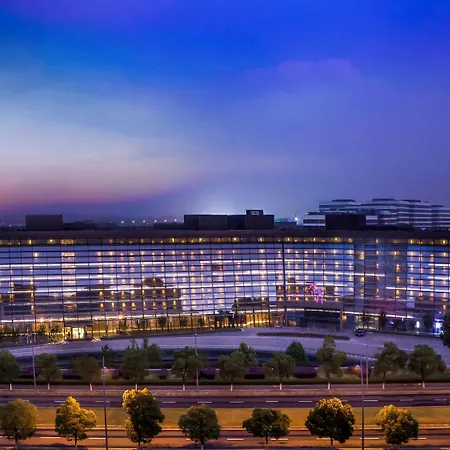
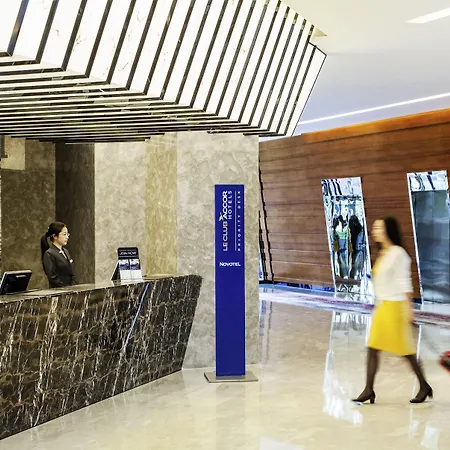
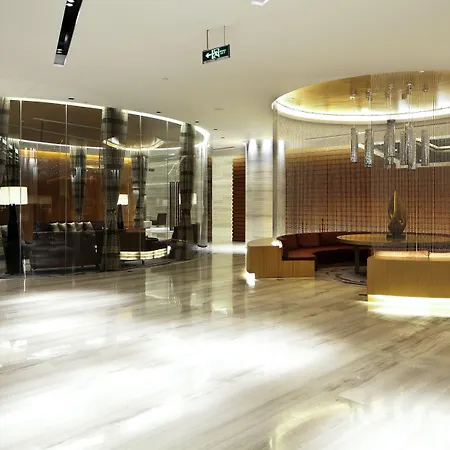
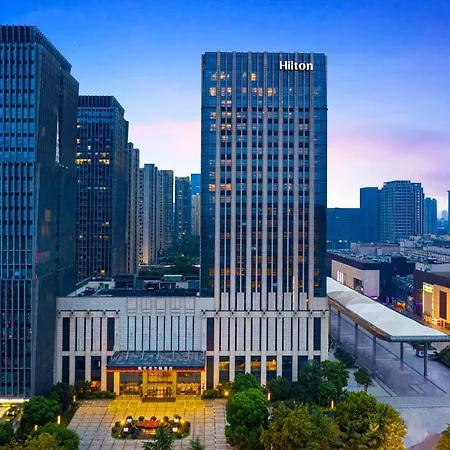
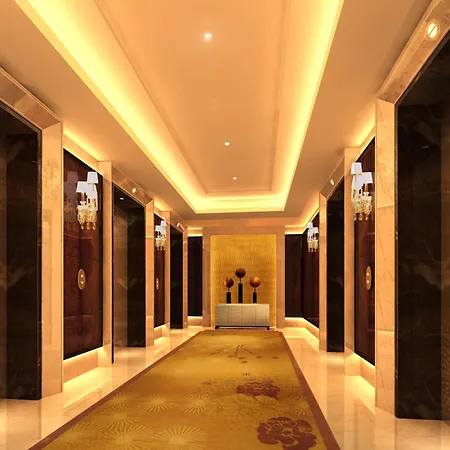
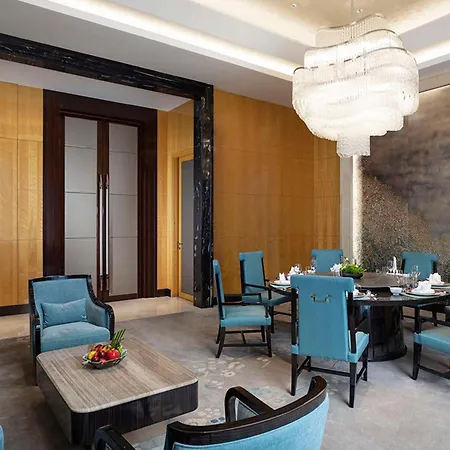
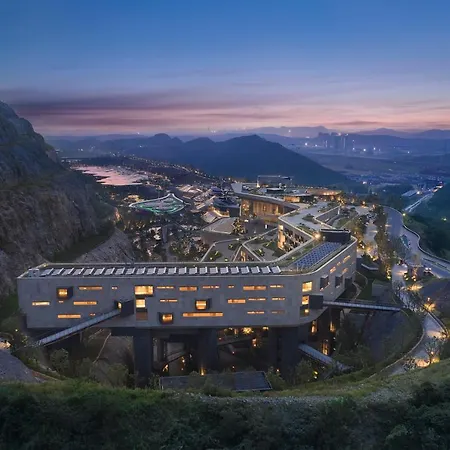
Pro
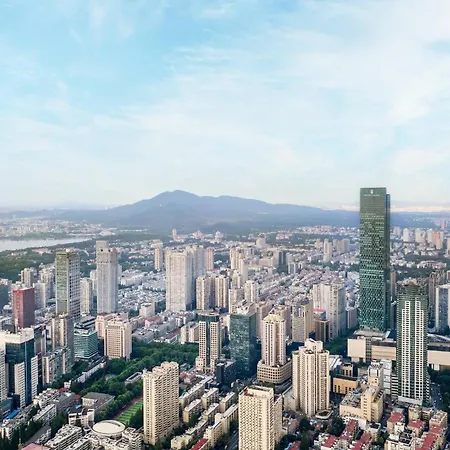
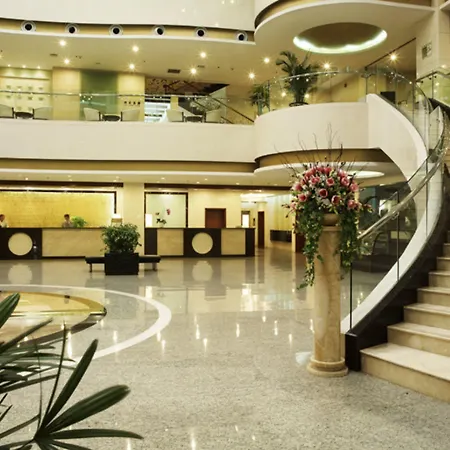
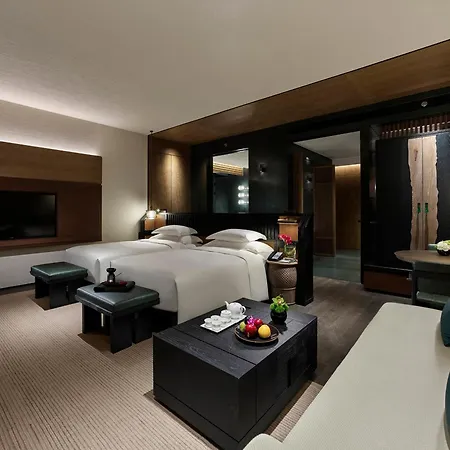
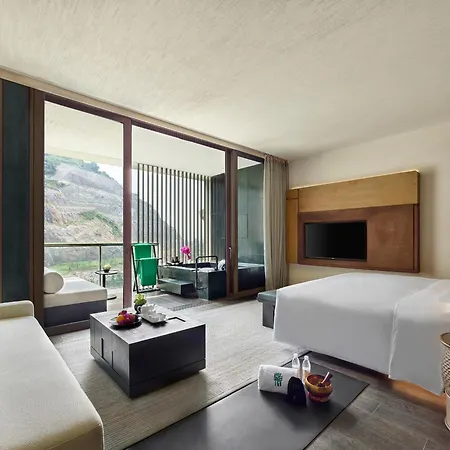
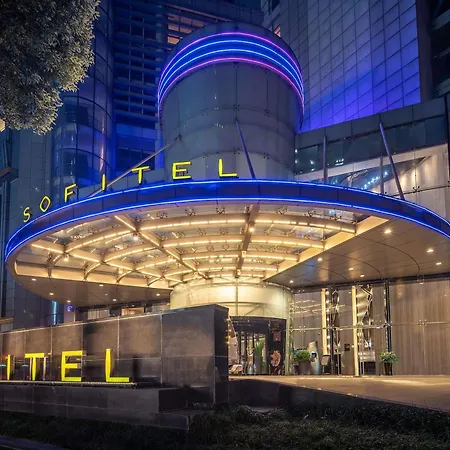
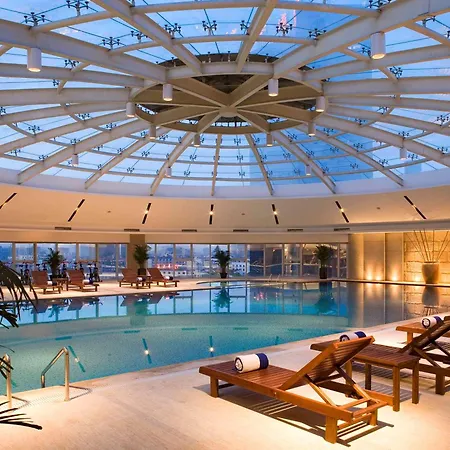
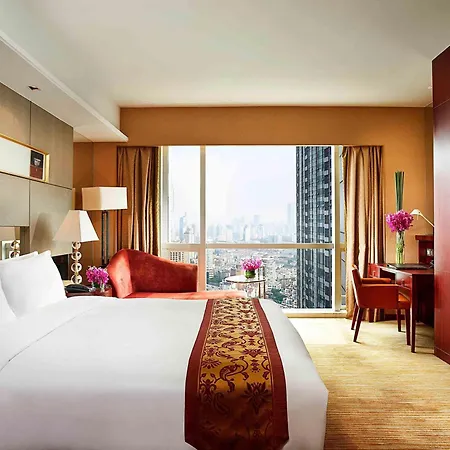
Good Shopping, Good Restaurants, Very Clean.
Con
"Burning furnace in summer"
In a nutshell
I wouldn't mind coming back here again, if just for the shopping
30 Reviews Stone Elephant Road is the first section of the sacred way, 615 meters long . This road comes along with six kinds of stone animals including horses, unicorns, elephants, camels, bear-eyed unicorns, and lions. They are carved out of whole pieces of stone in full relief with smooth lines, these...
23 Reviews I was lucky enough to visit this place in 2011, as they celebrated 100 years of Chinese Revolution. The admission to Dr. Sun Yat-Sen Mausoleum was free. You could see from my picture, they decorated flowers in front of the Sacrificial Hall in writing " ge ming bai nian 1911-2011" means Revolution...
19 Reviews The original Confucian Temple was built in 1034 but was continuously detroyed and rebuilt over the years. The temple you see today was rebuilt after being burnt down by the Japanese during WWII. Nevertheless, it is one of the most famous and most well-known Confucian temples in China. Despite the...
14 Reviews The Presidential Palace is located in the center of downtown Nanjing, next to Nanjing 1912 commercial area, across the street from the Nanjing Library. You can easily reach here by the metro, Daxinggong Station. Presidential Palace has a serial of history who had lived and worked here before: -...
14 Reviews Mochou Lake is located southwest of Nanjing City. It occupied 47 hectares (116 acres) of land, which was part of the Yangtze River. Now, the lake is connected to Yangtze River through Qin Huai River. Based on a legend of this lake, an intelligent and beautiful young women named Mochou from Luoyang...
Memorial Hall of the Nanjing Massacre
6 Reviews A museum and memorial dedicated to all those who who died in the Nanjing Massacre (also known as the Rape of Nanjing) during WWII, as well as survivors who were raped or attacked by the Japanese army. Although the exact number killed will never be known, it is estimated that 300,000 people were...
5 Reviews The City Wall of Nanjing was designed by Emperor Zhu Yuanzhang (r. 1368-1398) after he founded the Ming Dynasty and established Nanjing as the capital 600 years ago. To consolidate his sovereignty and keep out invaders, he adopted the suggestions of advisor Zhu Sheng to build a higher city wall. It...
10 Reviews The Nanjing Yangtze River Bridge is the first bridge to be built across the Yangzi River in 1968. It was also the first double-decker, double-track highway and railway bridge designed and constructed by the Chinese without outside engineering assistance. It is 6,772 meters (22,212 ft) long and has a...
7 Reviews One of the main reasons people are visiting Linggu Temple is give their respect to those heroes that sacrifice their life to fight with the Japanese solders. It looks more like a fairyland than a cemetery. There is a beautiful tree named Osmanthus according to the signboard, stand in the middle of...
3 Reviews Ming Palace was built during Hongwu Emperor by Zhu YuanZhang, the first Emperor of the Ming Dynasty. It was once said to have magnificent structure which the imperial palace of Beijing was modelled. The palace was completed in 1368, and continued to upgrade year 1392 and 1398. When Zhu Yuanzhang...
6 Reviews This 1 mile (1.6km) long lake is located outside the city walls to the northeast of the city centre. It was once an important water source for the city and was used for naval exercises during the Song dynasty. The lake park was opened to the public shortly after the fall of the Qing dynasty in 1911....
7 Reviews The Nanjing Treaty History Museum is housed in the Jinghai Temple which itself is close to the city wall in the northwest of the city. The small museum houses a collection of photographs and paintings, maps and documents relating to the Treaty of Nanjing which was signed between the British and Qing...
Taiping Heavenly Kingdom History Museum
4 Reviews This museum commemorates the anti-dynastic Taiping Heavenly Kingdom Rebellion of 1851-64. The building was used by one of the rebellion's leaders while one section originally belonged to the first Ming emperor, Hongwu. The museum exhibits seals, coins, weapons and texts that describe the Taiping...
9 Reviews Zhongshan Gate was first built during Ming Dynasty, as the East Gate of the Imperial Palace. It was called " Chaoyang Gate". In 1927, the original door of the Zhongshan Gate was removed due to the construction a new road, Zhongshan Mausoleum Avenue, to reach Zhongshan Mausoleum. They changed the...
2 Reviews The lofty and spectacular Yuejiang Tower on the Lion Mountain echoes such three famous buildings as Yellow Crane Tower, (you can read about it on my Wuhan Page), Yueyang Tower and Tengwang Tower at far distances, each displaying its distinguish splendor. It was initially proposed by Zhu Yuanzhang...
Sponsored Links
Sponsored Links
Comments