Favorite thing: As all cities in Xinjiang, Kucha has many names and its name is written differently. I use "Kucha" as this is how the name is known in Germany. In China the Pinyin transcription is Ku Che
For a better understanding, how complicated and diverse the naming of Kucha is, I quote from www.wikipedia.org:
"Kucha/Kuçar/Kuchar Uyghur (كۇچار), Chinese Simplified: 库车; Traditional: 庫車; pinyin Kùchē; also romanized as Chiu-tzu, Kiu-che, Kuei-tzu. Also known in ancient China as: 屈支 屈茨; 龜玆; 丘玆, also Po (bai in pinyin?)
“One MS. [of the Tarikh-i-Rashidi] reads Kus and others Kusan. Both names were used for the same place, as also Kos, Kucha, Kujar, etc., and all appear to stand for the modern Kuchar of the Turki-speaking inhabitants, and Kuché of the Chinese. An earlier Chinese name, however, was Ku-sien.” Elias (1895), p.124, n. 1."
Updated Aug 4, 2007
Favorite thing: Kuqa was the center of the ancient kingdom of Qiuci. The inhabitants were Indo-European Tocharians, who migrated down from Anatolia (Turkey) and the Caucasus.
Kucha was an important center of Buddhism along the Silkroad: Monks adhered to Hinayana Buddhism, in contrast to China, which adhered to the more complex Mahayana tradition. This can specially be seen in the famous Kizil Thousand Buddha Grottoes and the ruins of the old big Buddhist monastery Subashi. But there is also evidence, that Mahayana Buddhism was also popular in Kucha.
Already in 3rd century Buddhism was brought to Kucha, so this is one of the earliest Buddhist places in nowadays China.
In 9th century the Uygur people conquered the city, and in 13th century the Mongolians. In this time Islam became the most important religion in this oasis and the Buddhist temples and monasteries were deserted and dilapidated.
Updated Aug 4, 2007
Favorite thing: A pain to get to and virtually impossible if you don't speak chinese or uigyur, but very rewarding if you do.
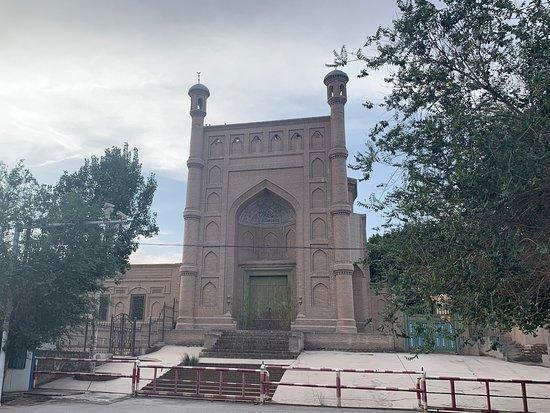
Avoid the Buddah caves. They're pretty much ruined and you can't take pictures. Buy yourself a book in Shanghai instead. The Subashi Buddist Temple ruins are very cool. Just kicking around 'downtown' Kuqa and eating local food is excellent. The mosque (in picture) is gorgeous, just be respectful. Near the mosque are some jewelry shops. They only have a few items for sale at a time, but it is all gold and beautifully crafted. There is also a Muslim market near the mosque that features some nice crafts.
Written Jan 23, 2003
1 - 3 of 3
Reviews and photos of Kuqa attractions posted by real travelers and locals. The best tips for Kuqa sightseeing.

A pain to get to and virtually impossible if you don't speak chinese or uigyur, but very rewarding if you do.Avoid the Buddah caves. They're pretty much ruined...
Our members can help!
1

Kucha with about 100.000 inhabitants is what you call a Chinese small town. It is a quiet place with friendly people and a beautiful and very authentic Old Town.
2

A pain to get to and virtually impossible if you don't speak chinese or uigyur, but very rewarding if you do. Avoid the Buddah caves. They're pretty much ruined and you can't take pictures. Buy...
3

Kuqa is a pleasant city, with an interesting market that lines the street on both sides, and where you can find samsa and bread in abundance. Be careful walking along the street- lots of cars use the...
Build your own Kuqa page