
Things to do in Mahabalipuram
Not Just Any Hotel – Only the Best Things to do in Mahabalipuram, Selected for You!
Oct 06, 2026 - Oct 07, 2026
2 adults, 1 room
Find

Good
(99)
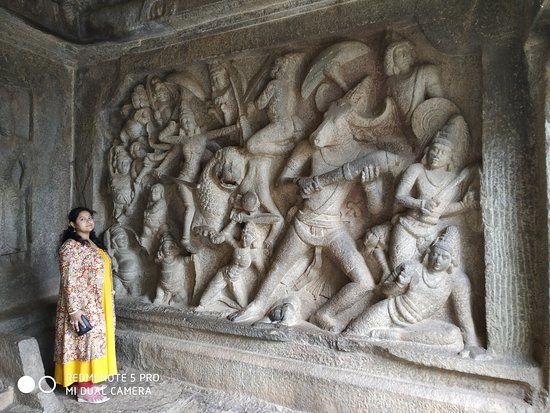
Mahishasura Mardhini Temple
6:00 AM–6:00 PM
Museum
Mada Koil St
View map
Mahishasura Mardhini Temple in Mahabalipuram, India, showcases late 7th-century Pallava rock-cut architecture near a lighthouse, highlighting its rich historical significance.
Duration: About 1 hour.
Free entry.

Good
(60)
Raya Gopura
Open all day
Architectural Building
Mamallapuram Hill
View map
Raya Gopura in Mahabalipuram, India, features the remains of a 16th-century unfinished temple entrance, showcasing intricate carvings and sculptures.
Duration: 1-2 hours.
Free. No charges for entry.


Good
(2682)
India Seashell Museum
Mo-Su 08:00-08:00
Museum
Kalpakkam Road
View map
India Seashell Museum in Mahabalipuram showcases a vast collection of 40,000 seashells and marine fossils from across the globe.
Duration: Approximately 2 hours.
Free. No fees required for standard entry.

New Lighthouse
6:00 AM–6:00 PM
Lighthouse
Mamallapuram Hill
View map
New Lighthouse in Mahabalipuram, India, is a historic structure built in 1938, overlooking the Bay of Bengal, guiding mariners with its distinctive architecture.
Duration: Approximately 1-2 hours.
Free. Special guided tours may incur charges.


Good
(12314)
Krishna's Butterball
Open 24 hours
Sights
Mamallapuram Hill
View map
Krishna's Butterball is a massive granite boulder balanced on a slight slope. This 250-ton stone is a popular photo spot and attracts many visitors with its fascinating position on Mamallapuram Hill.
Duration: approx. 1 hour
Free


Good
(10520)
Pancha Rathas
6:00 AM-5:30 PM
Landmark
Five Rathas Rd
View map
Pancha Rathas are a group of five temples carved from single rocks. Each ratha is shaped like a chariot and is linked to the Pandavas from the Mahabharata.
Duration: approx. 1-2 hours
Free


Good
(5826)
Group of Monuments at Mahabalipuram
9:00 AM-6:00 PM
Park
Fisherman Colony
View map
The Group of Monuments at Mahabalipuram is a UNESCO World Heritage site featuring impressive rock-cut temples and giant reliefs. Built in the 7th and 8th centuries, it showcases the rich artistry and architecture of ancient India.
duration: approx. 2-3 hours
10 USD


Good
(4254)
Mamallapuram Light House
10:00 AM-5:00 PM
Lighthouse
Mahabalipuram
View map
Mamallapuram Light House is a small lighthouse and maritime museum in Mahabalipuram, India. It showcases historic lighthouse equipment and models of ships, offering visitors a glimpse into maritime history.
Duration: approx. 1-2 hours
Free


Good
(4172)
Shore Temple
6:00 AM-6:00 PM
Church
Sea Shore Bay of Bengal
View map
The Shore Temple is an 8th-century complex consisting of three temples in Mahabalipuram, India. It showcases Pallava architecture with stunning carvings and two towers that represent temples dedicated to Shiva and Vishnu.
Duration: approx. 1-2 hours
Admission is free.