
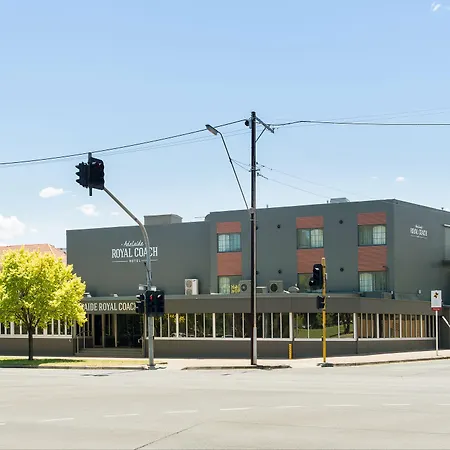
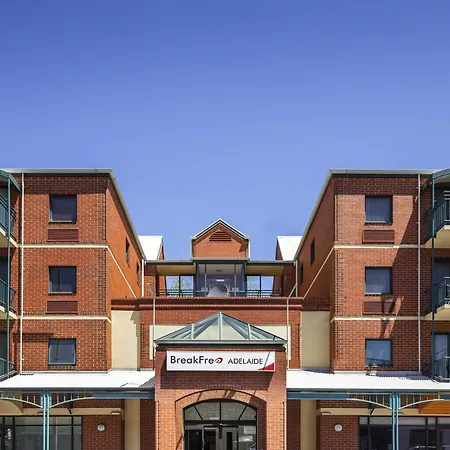
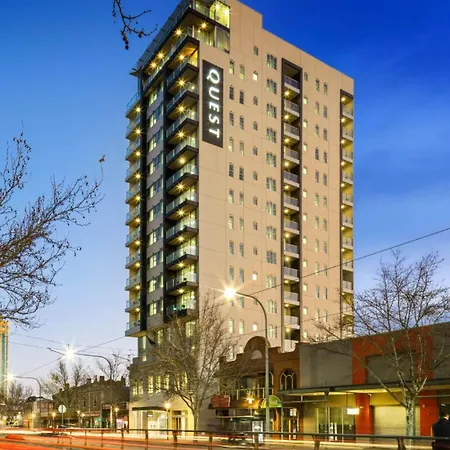
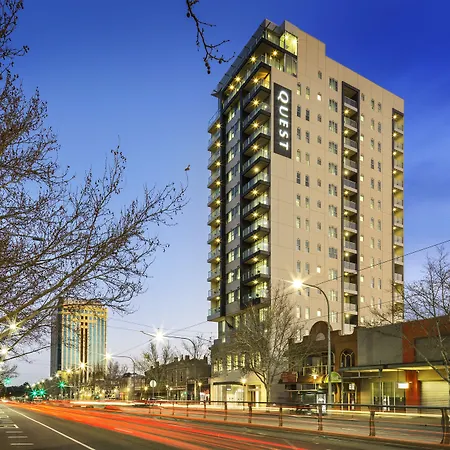

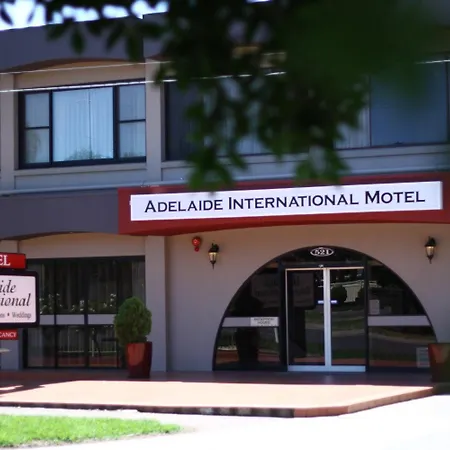
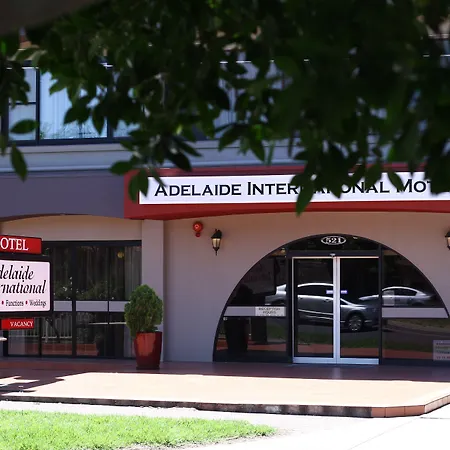
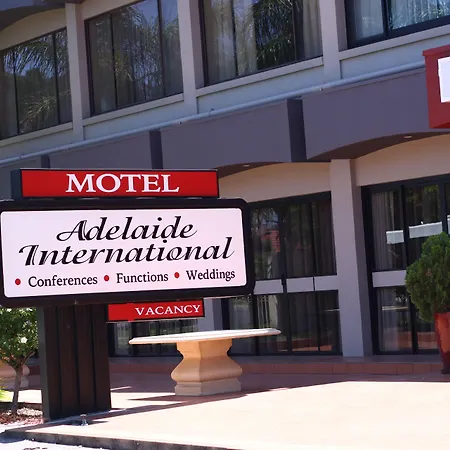
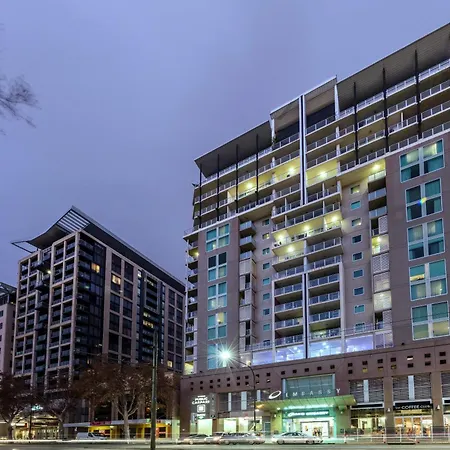
East Terrace marks the eastern edge of the city centre of Adelaide, but unlike Adelaide's other three terraces, its path is not a straight line, but a rather crooked one. You can either walk or drive like we did, stopping along the way to take photo's of the beautiful old buildings that line the Terrace.
Located at the eastern end of Rundle Street, is the site of Adelaide's original fruit and vegetable wholesale markets. These closed in the 1980s, and now are apartment blocks.
The East End Markets were established in 1867. By the 1890's, there was such competition for stalls that a new site was needed. A proprietor of a fruit, potato and grocery store, purchased land between Rundle Street and Grenfell Street with the plan of extending the existing, however, this didn't eventuate, and he established a new rival market, the Adelaide Fruit and Produce Exchange, on that site. It began trading in 1904 and closed in 1988.
Thank goodness, the original decorative facades with their ornate gables and cornucopia motifs have been retained.
Carclew House is a beautiful building that was once a private home. In 1965, the Adelaide City Council bought it, and it became a centre that would be a place for multi-arts activity for young people up to the age of 17 years, especially those from disadvantaged backgrounds.
It was named "Carclew Youth Arts Centre"
I think Parliament House in Adelaide looks a very strong imposing building! All those grey columns on the building makes it very impressive! It was buillt in Victorian Academic Classical style in two stages:- between 1883-89 and 1936-37.
A 40-minute guided tour includes both the Upper and Lower Parliamentary Chambers, as well as working areas of the building.
After viewing "Light's Vision," I went for a walk along Pennington Terrace until I reached St. Peter's Cathedral. Along here are statues and many impressive houses.
You can also start from Light's Vision, then walk to Brougham Place seeing the Mansions there. Palmer Place is also well known for their large mansions including Christ Church and Bishop's Court, which date from the early 1850s. Great views over the city too!
The walk takes about 1.5hours.
Brochures are available from the Adelaide City Council Customer Centre, 25 Pirie Street, Adelaide.
St Mark's College is affiliated with the Anglican church and is a co-residential college. It is another architecturally beautiful University buildilng.
St Mark's all boys College, came about as there was no student accommodation at the University of Adelaide. At the time, it was known as Downer House, then St. Marks bought the house, and it became St. Marks College. At this time, it was used to accommodate a single, or temporarily detached married Master, 12 tutors and students, a cook-housekeeper and 2/3 maids.
In December 1940, the College was leased to the RAAF for the duration of the war. Following the conclusion of the war, the college re-opened on 10 March 1946.
Women were first admitted to the college in 1982.
The GPO is a beautiful heritage building, built in Victorian Free Classical style. It has been in the same location since 1851.
The present building was constructed between 1867-72, with the Clock, Bell's and dial facings installed in 1875. Back then, it was both a post office and a telegraph station.
The GPO is a major feature of the streetscape in King William Street and, with the Town Hall opposite, provides an impressive sight of twin towers.
OPEN - 8.30 - 5.30PM Monday - Friday
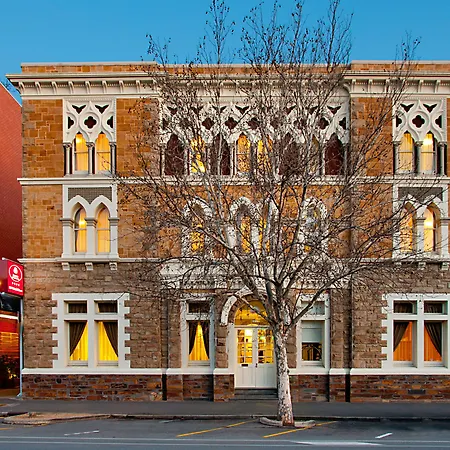
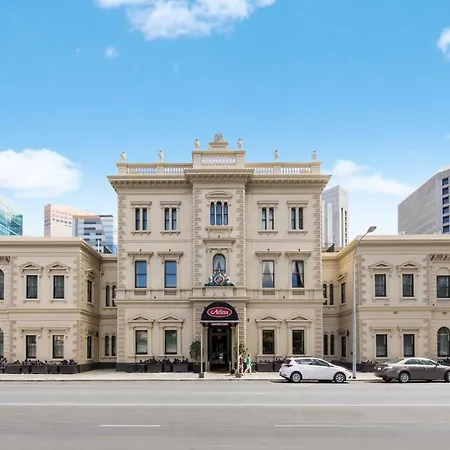
I'm so glad this famous old Treasury Building has been renovated and given a good home.
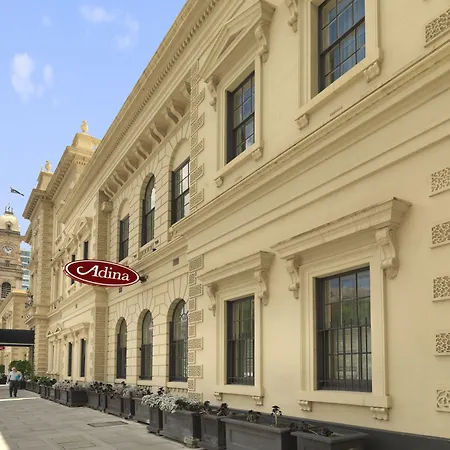
The Adelaide Treasury building is one of the oldest and most historically significant buildings in South Australia.
This gorgeous building was designed in 1836 by George Strickland Kingston, but the foundation stone wasn't laid until 1839 by Governor Gawler.
At the same time, the Governor proclaimed that Adelaide would be the site of the capital city, finally laying to rest, much rumour and controversy as to where the capital would be located.
Lots of important historic events have taken place here.
Australia’s first gold coin, the Adelaide pound, was minted on site during the 1850s Gold Rush, and it was because of this Gold rush, the old Treasury building was demolished and rebuilt creating the building we see today.
The Beef Riots of the 1930s, when demonstrations rallied against the exclusion of beef from rations took place at the Treasury site during the depression.
In 1863, explorer John McDouall Stuart was welcomed in front of the building after crossing Australia, and Explorer Captain Charles Stuart worked in the Treasury as a surveyor.
George Goyder, another surveyor, established the famous Goyder’s line and Robert Torrens, developed the land title systems that were widely adopted around the world, worked here.
From 1876 to 1968 Members of the Premier’s Cabinet met in the Cabinet Room.
Sir Thomas Playford, South Australia's most favorite Premier, ran the state from the Treasury for 26 years.
Last but not least, when the Beatles [pop group] came to Australia in 1964, they found themselves amongst thousands of fans. A way of escaping the fans was to make a mad dash through the Treasury courtyard.
Underneath the Treasury building are underground tunnels, mostly used in the 1960’s.
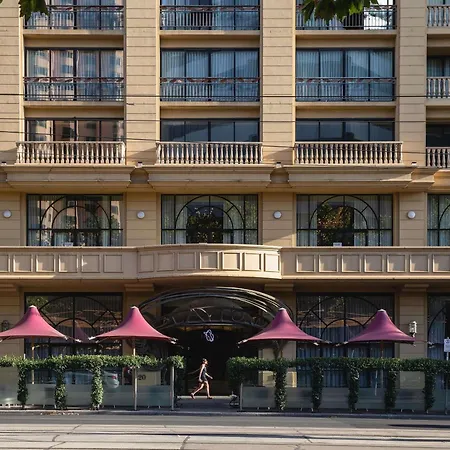
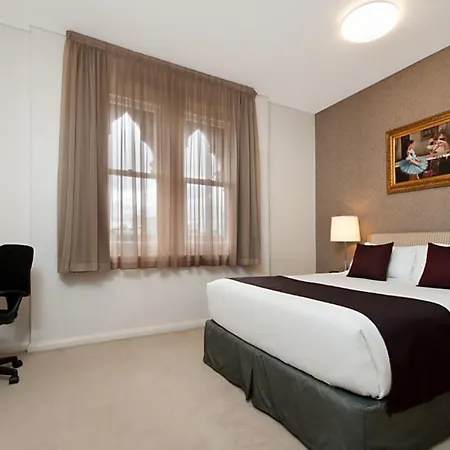
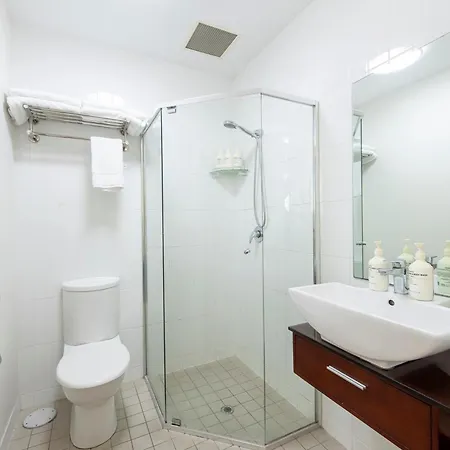
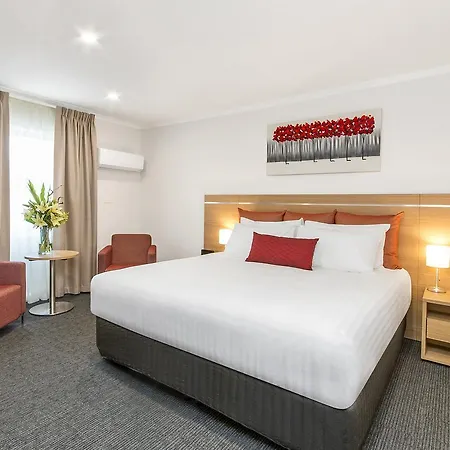
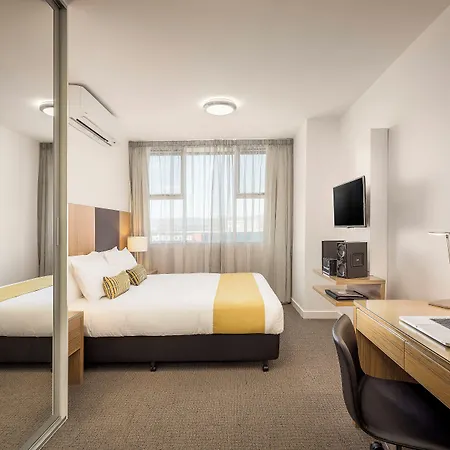
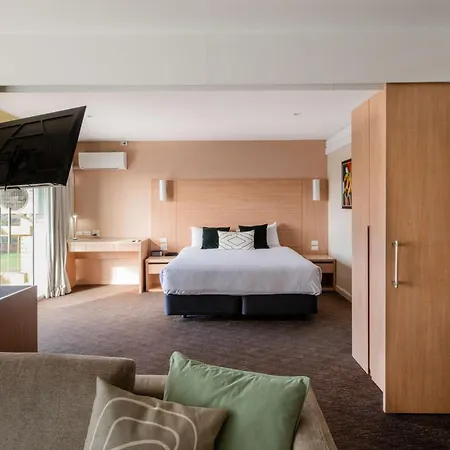
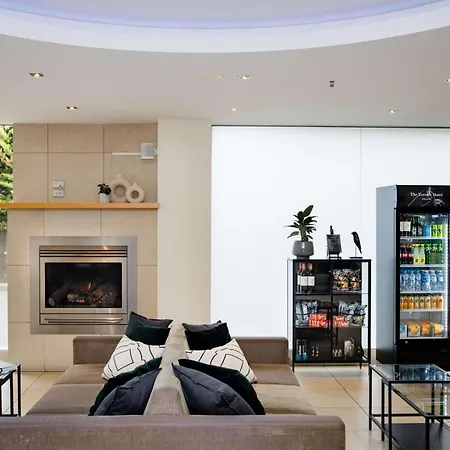
Now this beautiful building is the "Medina Apartment's Hotel." In the lobby is a permanent display of artefacts found during renovations, including glassware, bone handles from cutlery, coins and much more.
Meals are available...BREAKFAST 7-10 am (Monday - Friday & 8:00am - 11:00am ( Weekends)
Lunch...12:00 - 2:30 (Monday - Friday)
Dinner...6 - 9pm (Monday - Friday) 6:00pm - 9:30pm (Saturday)
Often when walking and visiting fantastic old buildings, you tend to forget to look across the other side of the road.
North Terrace is such road. It has lots to see on one side, and if you do remember to look on the other side, you will find many sandstone buildings with all types of beautiful architecture.
Ayers House is on the other side and is considered to be one of the finest examples of Colonial Regency architecture in Australia.
In 1871 Henry Ayers purchased the property for 400 pounds, then gradually enlarged the small house in stages, beginning in 1858 with the addition of library (still named the Library), bedrooms (now the Henry Ayers Room) and a ballroom (still named as the Ballroom) which was completed in 1860. In 1862 the ballroom was decorated with intricate designs in gold leaf, while chandeliers were hung from two ornate ceiling roses. The Ballroom is completely restored to its former glory.
Quite a few Weddings and Receptions are held at Ayer's House.
It was a pity, but Ayer's House was being renovated, so was closed to the public.
The Ayers House Museum takes you on guided tours of the house every half hour and hour during museum opening hours and last for about an hour.
Entry into the house is only permitted on a guided tour. The historic museum is split over three levels of the house including the basement, ground floor and first floor. It's a chance to see a collection of antique furniture, silver, paintings and costumes.
ADMISSION IN 2012....Adult: $10.00...Concession: $8.00.. Child 13-16: $5.00
Child 12 & Under: FREE
OPEN.... Tuesday - Friday 10:00am - 4:00pm....Weekends & Public Holidays 1:00pm - 4:00pm
Mitchell building is another that belongs to the S.A. University. It was built in 1879, and was the first building on the University of Adelaide's North Terrace Campus.
It is built in the gothic style, has a grand staircase and stained-glass windows. To me, it looks a little like a Church.
Sponsored Links
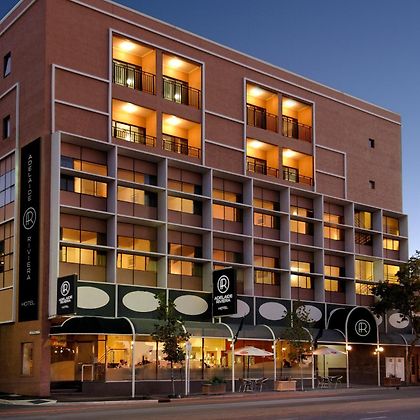
Rendezvous Allegra Hotel Adelaide Adelaide
4 Reviews and 430 Opinions I have stayed here several time for business events and also to just stay in the CBD for a social...
Sebel Playford Adelaide Adelaide
1 Review and 560 Opinions Okay Hotel with average everything. Rooms are spacious and modern with all the facilities required....
Medina Grand Adelaide Treasury Adelaide
3 Reviews and 294 Opinions The hotel is located in the heart of CBD on the corner of Flinders Street and opposite Victoria...
Sponsored Links
Comments