
Not Just Any Hotel – Only the Best , Selected for You!
Jun 16, 2026 - Jun 17, 2026
2 adults, 1 room
Find


Good
(429)
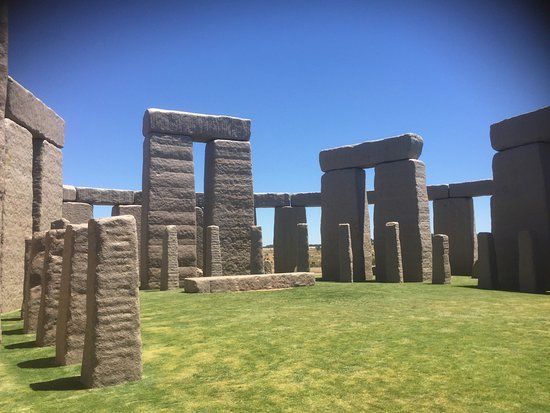
Esperance Stonehenge
Open 24 hours
Sights
Merivale Road
View map
Esperance Stonehenge is a large stone structure located in Esperance, Western Australia. It is a replica of the famous Stonehenge in England, made from local stones, and highlights ancient cultures and astronomy.
Duration: approx. 1 hour
Free

Good
(350)
Twilight Cove
7:00 AM-7:00 PM
Landmark
Twilight Beach Rd
View map
Twilight Cove is a stunning spot in Esperance known for its beautiful beach and crystal-clear waters. It has soft white sand and offers great views of nearby islands, making it a lovely place to relax and enjoy nature.
Duration: approx. 1-2 hours
Free
Good
(299)
Spencer Lake
Always open
Landmark
Pink Lake Drive
View map
Spencer Lake is a salt lake located in Esperance, Australia. It is known for its beautiful scenery and the pink hue the water can sometimes display, though it hasn't been pink in recent years.
Duration: approx. 1-2 hours
Free


Good
(210)
Esperance Museum
9:00 AM-4:00 PM
Museum
Corner James St and Dempster St
View map
Esperance Museum showcases the history of Esperance through various unique exhibits. It features everyday objects, Aboriginal weaponry, a vintage locomotive, and even the remnants of the Skylab spacecraft.
Duration: approx. 1-2 hours
Free

Good
(182)
Whale Tail Sculpture
Open 24 hours
Sights
James Street
View map
The Whale Tail Sculpture in Esperance is a large art piece made of steel. It symbolizes the region's rich whale watching history and offers great photo opportunities with beautiful ocean views.
Duration: approx. 30 minutes
Free