

| Reviews and photos of Sarajevo attractions posted by real travelers and locals. The best tips for Sarajevo sightseeing. Sarajevo Map |
 | Sarajevo Things To Do | Tips 1 - 10 of 424 |  |
by vesna04 According to the leggend who ever drinks the water from this fountain will return to the city. Aldough Bascarsija dates from 16th c., the fountaun (sebilj) was built 1891. I must admit I haven't drink the water, but I didn't know for the legend at the time. Leave a Comment
|
Visiting Sarajevo?
Read reviews about Sarajevo Hotels
Real Reviews from Real VirtualTourist Members.
 Diverse by Jasen71 Bascarsija is located in the old town part of Sarajevo. The central (Bascarsija) market of Sarajevo was twice the site of carnage, massacres by mortar fire. Now the market is filled with life as all varieties of vegetables, fruit, and other goods are available. The people were embracing, and eager to talk of politics (not a wise thing to do) and food. In the market you'll meet and chat with the local, and perhaps buy an item or two. Leave a Comment Address: BascarsijaDirections: Head for the old town
|
by vesna04 Gazi Husrev-bey's Mosque is one of the most important islamic structure in Bosnia and Hercegovina. This place of whorship was built 1531. with the large Harem and the accompanying buildings was and stayed a focal point of the old square. Leave a Comment Address: Bascarsija
|
 Tunnel Museum by Krumlovgirl I had heard some people say that the Tunnel Museum was very overrated and not to go. This has never stopped me from visiting somewhere before, and boy was I glad that I went. It’s very difficult to find so I was glad that we went with a tour group. By “tour group” I mean five of us in a van with a guy named Sonny. It cost $12 and lasted two and a half hours. Great tour. But I digress…Anyway, I was extremely moved by the Tunnel. The presentation was very good, despite the fact that there were some French people whose cameras were so loud that it was difficult to hear at times. And I loved going through the 25 meters that were preserved. The best part of the tour was the guide, who had actually gone through the tunnel many times during the war. Being an American, and a young one at that, my only experience with war has been through the media so I really have only a vague, troubling sense of what it must have been like. Walking through the tunnel and being able to visit is made it hit closer to home. I was an emotional wreck by the time I left, but I urge everyone to go through it. A great example of the spirit the Sarajevo people possess. Leave a Comment
|  | |  |
by vesna04 Walking from Bascsrsija, when you reach the end of Ferhadija street you will find this memorial. Primarily It was dedicated to the victims of W W II, but I saw some more writings that were inscribed lately, to pay the tribute to some new victims of the last war. Leave a Comment Address: City center
|
Visiting Sarajevo?
Read reviews about Sarajevo Hotels
Real Reviews from Real VirtualTourist Members.
by Mina17 This building is right off of Bascarsija. It's called Vjecna Vatra (Eternal Flame) because there is a small ring of fire in front of the building that burns everyday all day. It's a really beautiful site at night. The picture is just of the building though, not of the fire. Leave a Comment Address: Off of Bascarsija is all i can sayPhone: /Directions: You can't miss it believe me!Website: / Other Contact: /
|
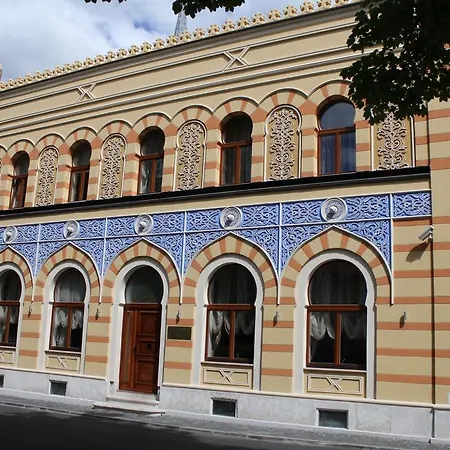
The Ottomans had 400 years to leave their mark on Sarajevo - the Austrians had just 40, but leave their mark they did, opening the city to European influences that it readily adopted and developed into its own interesting blend. While Stari Grad (Old Town) retained its Turkish character, Novo Sarajevo with its 19th century buildings - many reflecting the elegance of Viennese Secessionist style - became the smart end of town. Austria wasn't the only influence - the French-style Catholic Cathedral , Italianate Evangelical Church (now the Academy of Arts) and City Market Hall were all built at this time. You'll see all these buildings and more as you make your way around the city. Recent restoration projects have seen many of them spruced up and resuming their original good looks, others are in the pipeline. One of my favourites, the Shalomova Palaca (Salome's Palace), has 8 life-sized reliefs of men and women in traditional Bosniak, Serbian and Croat dress, traces of the original gilt that must have made them very splendid just visible. Leave a Comment
|  | |  |
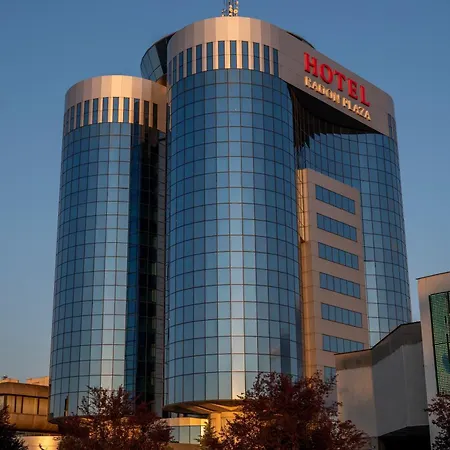
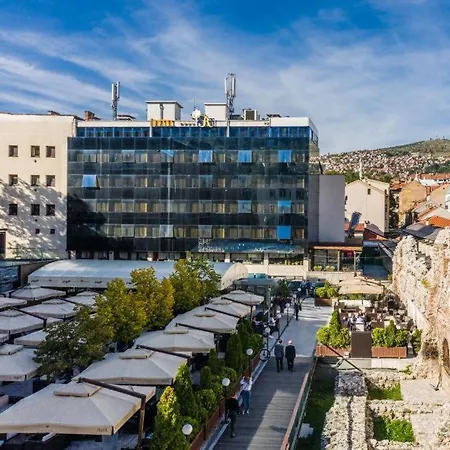
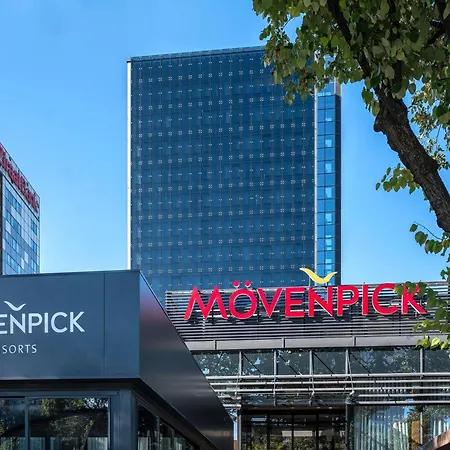
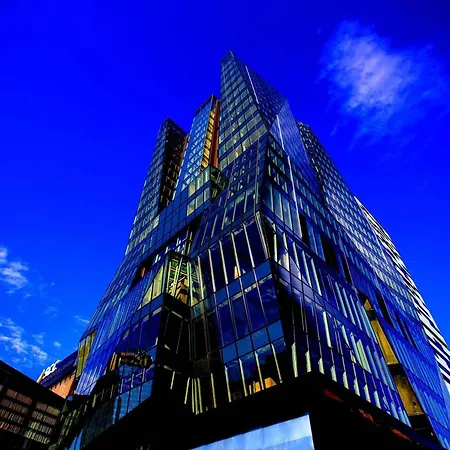
History and its unique positioning between east and west apart, Sarajevo isn't a museum or an anthropological theme park by any means. Like any city today, it has to get on with the business of living in the 21st century. It's definitely not a city relying on tourism., though of course the income they bring is valuable. The tourist infrastructure is not highly developed but it is growing. Some of the bazaar shops may cater mostly for tourists but others cater to local needs and the cafes and coffee shops are full of locals too. It seems to be a really "liveable" city, where people have time and space for friends and family. The city seems determined to move on from the past. The "Sarajevo roses" are fading and bullet-holed buildings are few. "Shell-case art" is put on high shelves in the souvenir shops. Brand new buildings stand out - a twisted tower of bright blue glass near the station, the glass and concrete of the new Bosniak Institute fronted by a traditional Ottoman kiosk. Can a visit of a few days give you anything but the most superficial idea of the reality of place? Probably not, but it certainly is long enough for the feel of a city to impress itself upon the visitor and the impression created by Sarajevo was of a place I'd certainly like to come back to. The sense of a city at a crossroad is more than just the meeting place of east and west. Sarajevo seems to me to be a city poised between the terrible times and difficulties brought upon it by the recent past and a much brighter future. Leave a Comment
|  | |  |
Set down in an east-west running valley Sarajevo's city centre fills a relatively small flat length of the River Miljacka with steep streets rising quickly on either side. Be prepared to expend some puff when you want to explore beyond the immediate heart of the town! Most of the major sights are to be found along the valley floor however, within a relatively small area, so the city is a great place to explore on foot. Before you set off though, you might like to make your way up one of those steep hills, to the north east where the mediaeval city, the successor to the settlements left behind by the Neolithic, Illyrian, Roman and Slavic peoples who have made this beautiful valley their home through the centuries, was situated. Little remains of that city today. The last remnant of the Jajce Fortress - the Yellow Bastion - is little more than a grassy green patch set within a stone rampart - but the view is splendid, even on a misty day. Minarets and church towers in the distance tell one story of the city's long history; sadly, a river of white tombstones flowing down the hillside immediately below the fortress tell another. You cannot come to Sarajevo and not reflect on the terrible days of the war the tore the country apart and held the city under siege for more than three years. The misery and horror of that time is almost unimagineable, but Sarajevo has, and continues to, move on and, although you will undoubtedly be brought up short at times during your visit by something that brings the past to mind, you will find the buildings mostly all restored and rebuilt, the trees replanted and grown, the streets (and the coffee shops) full of people enjoying life in their charming city. Leave a Comment Directions: It's a very steep walk up to the fortress. We took a taxi up to the entrance and then walked down - 5 KM well spent!
|  | |  |
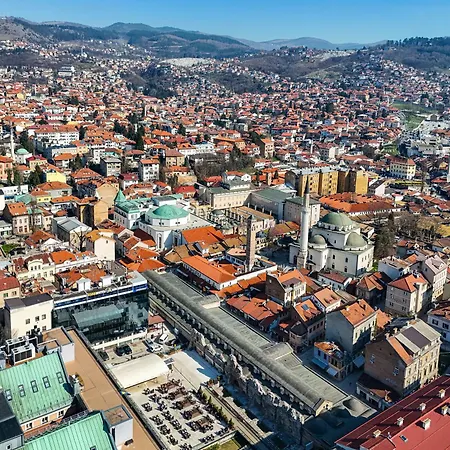
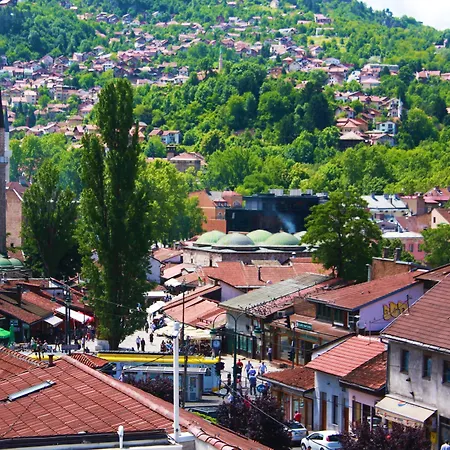
Almost certainly, the first place everyone heads for in Sarajevo is Bašcaršija. They may not be able to pronounce it ( Barsh-CHAR -shee-ya - quite easy really) but it is, deservedly, the part of town that everyone loves. It's here that Sarajevo's Ottoman past comes alive and the city turns its face most determinedly to the east. That history isn't just confined to the old bazaar area however. Bosnia was part of the Ottoman Empire for over 400 years during which time they adopted many aspects of Turkish life, religious and secular. 150 years on from the expulsion of the Ottomans, the city is still the most oriental of all Europe's capitals. Minarets soar skywards in all parts of town, soft green domes top a shopping arcade as well as the mosques, the coppersmith's street in the bazaar could as easily be in Tripoli or Aleppo as could the carpet seller in the han and the turban-topped grave stones dotted in gardens and parks have their twins in the graveyards of Istanbul. The legacy of the Ottoman Empire isn't just exotic buildings and quaint shops. They brought schools, hospitals, clean water to drink and to bathe in. Trade flourished and so did institutes of Islamic science and literature. They brought their unique tolerance of the religious practices of other believers of the God of Abraham, the Almighty being they called Allah . The Jews could call Him Jehovah, the Christians named him God but they were all believers in the same Being and (with some restrictions) they permitted the observance of the different faiths and the building of places of worship. It's a legacy that Sarajevo holds dear and an ethos they foster as much as they care for the physical reminders of their Turkish past. Bašcaršija is made for lingering. It's only small but there's plenty here to see and do and the atmosphere is great. Even when you think you've seen it all you're sure to find yourself coming back for more. Leave a Comment
|  | |  |
|
|