
Things to do in Nin
Not Just Any Hotel – Only the Best Things to do in Nin, Selected for You!
Jun 15, 2026 - Jun 16, 2026
2 adults, 1 room
Find


Good
(29)
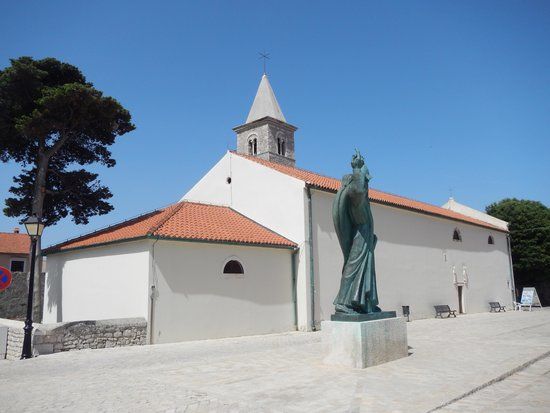
church of san anselm
10:00 AM–6:00 PM
Church
In the Center of the Old City
View map
The Church of San Anselm in Nin, Croatia, dates back to the 12th century, featuring Romanesque architecture and rich religious heritage.
Duration: 1 hour.
Free.


0.88
Good
(1004)
Salt museum
10:00 AM–5:00 PM
Museum
Ilirska cesta 7
View map
Salt museum in Nin, Croatia, showcases the local salt production process, featuring guided tours and a multimedia presentation of its historical significance.
Duration: Approximately 1 hour.
Free. Some special exhibitions and events may require a paid ticket.

Good
(5)
St. Andrew's Church Remains
Open
Church
Zaton bb
View map
St. Andrew's Church Remains in Nin, Croatia, is an early Christian site from the 6th century, showcasing Roman architectural influences and cultural significance.
Duration: About 1 hour.
Free.

Good
(598)
Knez Branimir
Open all day
Monument
Obala Kneza Branimira
View map
Knez Branimir is a monumental site in Nin, Croatia, commemorating the 9th-century prince Branimir, significant in Croatian history.
Duration: Approximately 1 hour.
Free. No entry fee required.

Good
(49)
Muzej ninskih starina
10:00 AM–5:00 PM
Museum
Trg Kraljevac 8
View map
Muzej ninskih starina, located in Nin, Croatia, features exhibits and artifacts depicting the region's major historical periods.
Duration: About 1.5 hours.
Free. Some special exhibitions may require a paid ticket.


Good
(3)
Tommy hypermarket
8:00 AM–9:00 PM
Mall
63 Put Grgura Ninskog
View map
Tommy Hypermarket in Nin, Croatia offers a vast range of groceries, electronics, and household goods across a modern shopping space.
Duration: 1–2 hours.
Free. No entry fee required for shopping.
Nin gate
Open all day
Bridge
23232 Nin
View map
Nin Gate in Nin, Croatia, is a historical stone archway built in the 16th century, connecting the old town to the mainland and showcasing local architecture.
Duration: 1 hour.
Free.


Good
(850)
Queen's Beach
Open 24 hours
Beach
Sabunike
View map
Queen's Beach is a beautiful beach in Nin, Croatia. It features soft sand and shallow waters, making it great for families.
Duration: approx. 1-3 hours
Free
0.88
Good
(727)
Ninska Laguna Beach
8:00 AM-8:00 PM
Beach
Nin
View map
Ninska Laguna Beach is a beautiful sandy beach located in Nin, Croatia. It is famous for its shallow waters, making it great for families and children.
Duration: approx. 2-3 hours
Free


0.92
Good
(448)
The Church of the Holy Cross
10:00 AM-5:00 PM
Church
Main
View map
The Church of the Holy Cross in Nin is a small pre-Romanesque church built in the 9th century. It is known as 'the smallest cathedral in the world' and features windows that create a sundial effect with sunlight.
Duration: approx. 1-2 hours
Free


Good
(443)
Beach Sabunike
7:00 AM-8:00 PM
Landmark
Put Skrile 101a
View map
Beach Sabunike is a public beach located in Nin, Croatia. It features shallow waters and soft sand, making it great for families and children.
Duration: approx. 2-3 hours
Free


Good
(154)
saint Nicholas
9:00 AM-5:00 PM
Landmark
23232
View map
Saint Nicholas is a historic Catholic church in Nin, Croatia. It features beautiful architecture and holds great significance for the local community.
Duration: approx. 1 hour
Free