
Things to do in Bale
Not Just Any Hotel – Only the Best Things to do in Bale, Selected for You!
Jun 15, 2026 - Jun 16, 2026
2 adults, 1 room
Find


Good
(108)
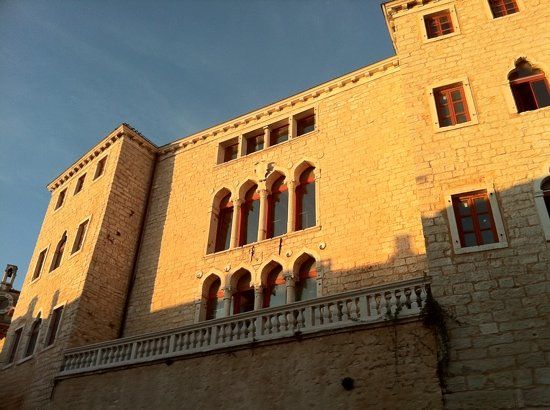
Castle of Soardo-Bembo
10:00 AM–4:00 PM
Castle
BaleCroatia
View map
Castle of Soardo-Bembo, located in Bale, Croatia, showcases local history and architecture, providing insights into the region's cultural heritage.
Duration: 1.5 to 2 hours.
Free. Special exhibitions may require a paid ticket.


Good
(10)
Parish church of Visitation of Blessed Virgin Mary to St. Elizabeth
4:00 PM–6:00 PM
Church
En El Casco Historico
View map
The Parish church of Visitation of Blessed Virgin Mary to St. Elizabeth in Bale, Croatia, features Baroque architecture and a rich historical background since its founding in the 15th century.
Duration: Approximately 30 minutes.
Free. Donations are welcome for maintenance.


Good
(23)
Iglesia Del Espiritu Santo
9:00 AM–12:00 PM
Church
En la Ciudad Vieja
View map
Iglesia Del Espiritu Santo in Bale, Croatia, is a historic 17th-century church known for its beautiful Baroque architecture and serene atmosphere.
Duration: 30 minutes.
Free. Donations are appreciated for maintenance.


Good
(69)
Park Histria Aromatica
9:00 AM–8:00 PM
Park
Pizanovac
View map
Park Histria Aromatica in Bale, Croatia features walking trails among indigenous aromatic plants, bio-gardens, olive groves, and a swimming pool with scenic views.
Duration: Approximately 2 hours.
Free.

Crkva Sventog Duha
9:00 AM–5:00 PM
Church
52211 Bale
View map
Crkva Sventog Duha in Bale, Croatia features 13th-century architecture and a serene ambiance, attracting visitors interested in history and spirituality.
Duration: 30 minutes to 1 hour.
Free. Donations are welcome for maintenance.
Multimedijalni Centar Ulika
9:00 AM–5:00 PM
Gallery
Croatia
View map
Multimedijalni Centar Ulika in Bale, Croatia offers a modern venue for cultural events, exhibitions, and educational programs in a former school building, blending tradition and innovation.
Duration: 1-2 hours.
Free. Special events may require an admission fee.


Good
(206)
Valle dIstria
8:00 AM-6:00 PM
Sights
View map
Valle d'Istria in Bale is a charming village known for its ancient stone houses and narrow streets. The historic buildings reflect typical Istrian architecture and offer a glimpse into the region's past.
Duration: approx. 1 hour
Free
Good
(40)
Gustigna
8:00 AM-6:00 PM
Island
View map
Gustigna is a beautiful island known for its stunning natural scenery and rich wildlife. Visitors can enjoy peaceful walks along the shore and explore diverse plants and animals native to the area.
Duration: approx. 2-3 hours
Free
Good
(6)
Paleo Park
Mo-Su 10:00-19:00
Theme Park
Unnamed Road
View map
Paleo Park is an amusement park located in Bale, Croatia. It features attractions themed around the prehistoric era, including dinosaur replicas and fun rides for kids and families.
Duration: approx. 2-3 hours
$10
Good
(5)
Oil mill Grubic
9:00 AM-6:00 PM
Museum
Aldo Negri 7
View map
Oil Mill Grubic in Bale is an olive mill that has been operating since 1927. Visitors can learn about the olive oil production process and taste high-quality extra virgin olive oil.
Duration: approx. 1-2 hours
Free
Good
(1)
Chiesa del Santo Spirito
9:00 AM-5:00 PM
Church
Bembo 7
View map
Chiesa del Santo Spirito is a beautiful church located in Bale, Croatia. It features stunning architecture and rich history, making it an important cultural site in the area.
Duration: approx. 30 minutes
Free