
Things to do in Beaugency
Not Just Any Hotel – Only the Best Things to do in Beaugency, Selected for You!
Jun 15, 2026 - Jun 16, 2026
2 adults, 1 room
Find


Good
(8)
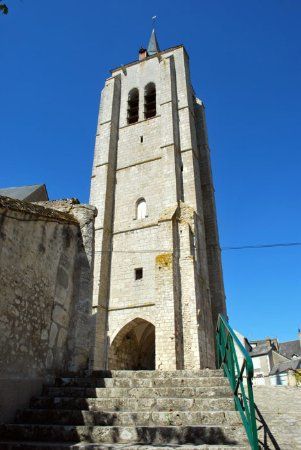
Clocher Saint Firmin
10:00 AM–5:00 PM
Church
Place Saint-Firmin
View map
Clocher Saint Firmin in Beaugency, France, dates back to the 11th century. This church is notable for its Romanesque architecture and rich history.
Duration: 1-2 hours.
Free. Special events may require tickets.


Good
(42)
Pont de Beaugency
Open all day
Bridge
Rue du Pont
View map
Pont de Beaugency is a historic stone bridge in Beaugency, France, built in the 12th century, connecting both sides of the Loire River with remarkable medieval architecture.
Duration: Approximately 1 hour.
Free. Access to the bridge is free of charge.


Good
(74)
Abbatiale Notre-Dame
9:00 AM–6:00 PM
Church
rue de l'Abbaye
View map
Abbatiale Notre-Dame in Beaugency, France, features Romanesque architecture and significant historical ties, including visits from Joan of Arc and royal events.
Duration: 1-2 hours.
Free.


Good
(175)
Chateau de Beaugency
10:00 AM–6:00 PM
Castle
2 place Dunois
View map
Chateau de Beaugency features Gothic architecture and furnished rooms illustrating 15th-century life, complemented by a historic 36m-high Tour César nearby.
Duration: More than 2 hours.
Free. Some special exhibitions and events may require a paid ticket.

Good
(9)
Etang des Accruaux
Open all day
Landmark
45190 Beaugency
View map
Etang des Accruaux is a scenic spot in Beaugency, France, known for its beautiful natural surroundings. Visitors can enjoy peaceful walks, bird watching, and great views of the water.
Duration: approx. 1-2 hours
Free


Good
(6)
Eglise Saint Etienne
9:00 AM-6:00 PM
Church
30 Place du Martroi
View map
Eglise Saint Etienne is an old church located in Beaugency. It features stunning stained-glass windows and a beautiful altar that attract many visitors.
Duration: approx. 1 hour
Free
Porte de Tavers
Open all day
Landmark
View map
Porte de Tavers is an ancient city gate in Beaugency that dates back to the 15th century. This historic structure offers a glimpse into the town's past and features beautiful stonework and a charming archway.
Duration: approx. 30 minutes
Free
Musee des Arts et Traditions Populaires
10:00 AM-5:00 PM
Landmark
View map
Musee des Arts et Traditions Populaires showcases regional folk art and traditions. Visitors can see displays of historical artifacts and learn about local customs.
Duration: approx. 1-2 hours
Free
Presbytere
10:00 AM-5:00 PM
Landmark
View map
The Presbytere in Beaugency is a historic building that dates back to the 13th century. It features stunning Gothic architecture and houses important art and artifacts from the region's past.
Duration: approx. 1 hour
Free