
Things to do in Ulm
Not Just Any Hotel – Only the Best Things to do in Ulm, Selected for You!


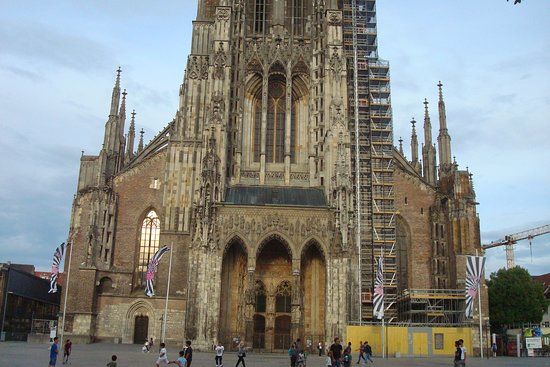
Ulmer Munster
Duration: More than 2 hours.
Free. Some special exhibitions and events may require a paid ticket.


Kunsthalle Weishaupt
Duration: 1-2 hours.
Free. Special exhibitions may require a paid ticket.


Tiergarten Ulm
Duration: 2 hours.
Free.


The Ulm Museum
Duration: About 2 hours.
Free. Some special exhibitions and events may require a paid ticket.

Donaubad
Duration: 4-6 hours.
Adults: €20, Children (4-14 years): €12. Discounts available for families.


Petruskirche
Duration: Approximately 1 hour.
Free. Donations may be appreciated for special events.

Stadtpark Glacis Neu-Ulm
Duration: 1-2 hours.
Free. Special events may require a paid ticket.


Roggenburg Abbey
Duration: 1-2 hours.
Free. Some special exhibitions may require a paid ticket.


Town Hall Ulm
Duration: More than 1 hour.
Free. Some special exhibitions and events may require a paid ticket.


Botanical Garden of the University of Ulm
Duration: 1.5 to 2 hours.
Free.


St. Georgs Chorknaben Ulmvu
Duration: 1 to 2 hours.
Free. Donations are appreciated for maintaining the church.


Synagoge Ulm
Duration: Approximately 1 hour.
Free. Donations are welcome for maintenance and community activities.


Ev. Reformation community Martin Luther Church
Duration: 1-2 hours.
Free. Special exhibitions and events may have separate fees.


Donauschwabisches Zentralmuseum
Duration: 1.5 to 2 hours.
€5 for adults, €3 for children. Discounts available for students and seniors.


Saint John the Baptist's church Neu-Ulm
Duration: Approximately 1 hour.
Free for regular visits. Special events may have associated costs.


Lowenbrunnen
Duration: About 30 minutes.
Free. Some events may have associated costs.


Valentinskapelle
Duration: Approximately 1 hour.
Free to enter.

Roxy Ulm
Duration: 2–3 hours.
Entry is free for general access; specific events may require a paid ticket.


Blautal-Center Ulm
Duration: Around 2-3 hours.
Free. Shopping and dining costs vary by retailer.


Museum der Brotkultur
Duration: Approximately 2 hours.
Paid. Check website for specific rates and any upcoming events.

Herdbrucke
Duration: Approximately 30 minutes to explore the area.
Free. No admission fees are required to cross the bridge.

St. Michael zu den Wengen
Duration: About 1 hour.
Free. Special events may require tickets.

Schloss Klingenstein
Duration: More than 2 hours.
Free. Donations are welcomed for maintenance.

Ulm University
Duration: 1-2 hours.
Free access to the campus; some events may have fees.
Neu-Ulm University of Applied Sciences
Duration: Approximately 1-2 hours for campus tours.
Free. Enrollment and registration for courses may have associated fees.
Connect Church Ulm
Duration: 1-2 hours.
Free. Some special events may require tickets.
St. Albert Kirche
Duration: About 1 hour.
Free.

St.-Maria-SoSu Kirche
Duration: 1 hour.
Free to enter; donations are appreciated for maintenance.
Sankt-Ulrichs-Kirche
Duration: 1-2 hours.
Free. Donations are appreciated for maintenance and events.


Alter Friedhof Ulm
Duration: 1 hour.
Free.

Congress Centrum Ulm
Duration: Approximately 2 hours.
Varies by event. General access to the center is free; tickets required for specific events.


Stadthaus
Duration: About 2 hours.
Free. Some exhibitions may require a paid ticket.


Wiblingen Abbey
Duration: 1 to 2 hours.
Free. Special exhibitions may require a paid ticket.


Gansturm
Duration: approx. 1 hour
Free


Blautopf
Duration: approx. 1-2 hours
Free

Friedrichsau
Duration: approx. 1-2 hours
Free

Fortress of Ulm
Duration: approx. 1-2 hours
Free


Ulm city wall
Duration: approx. 1-2 hours
Free