






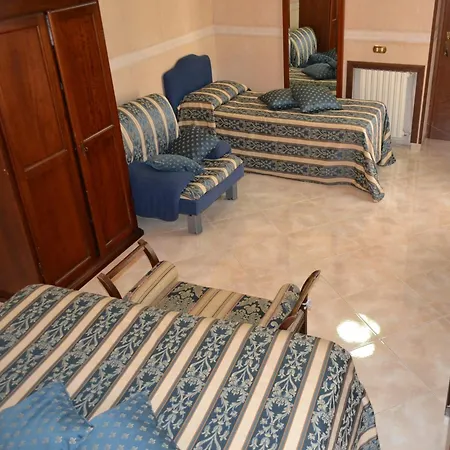
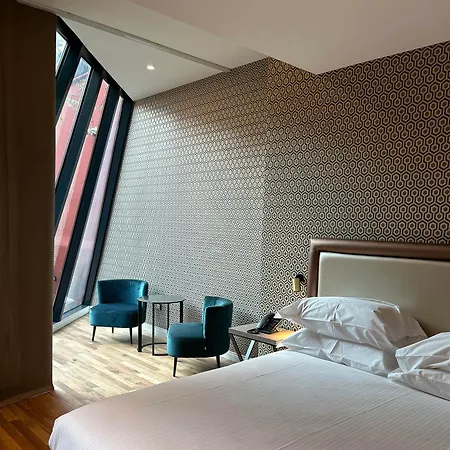

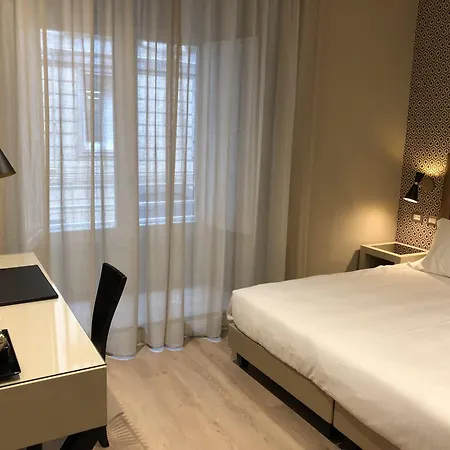
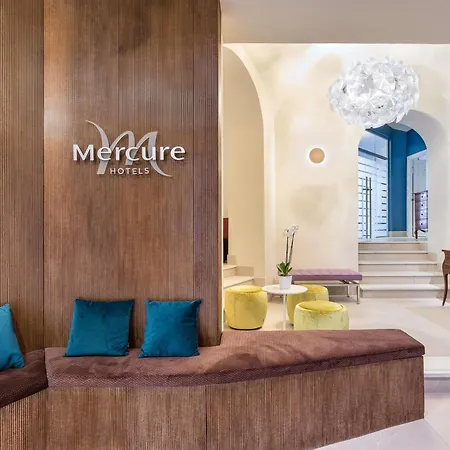









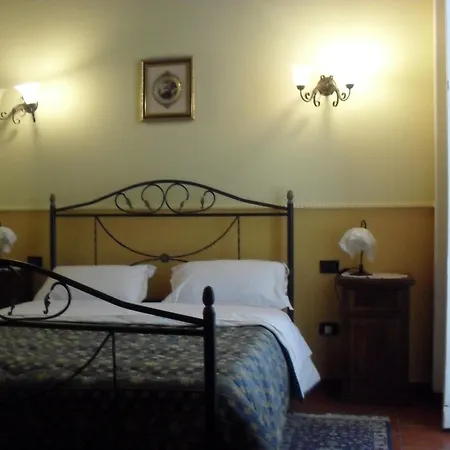
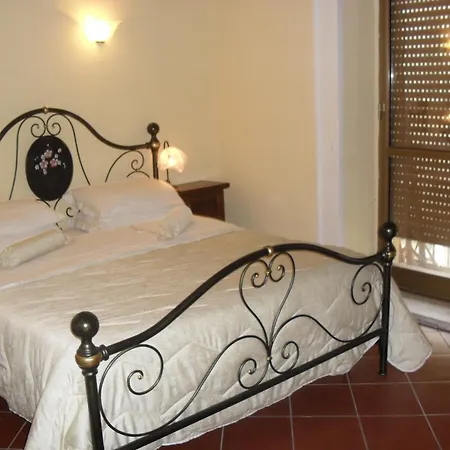
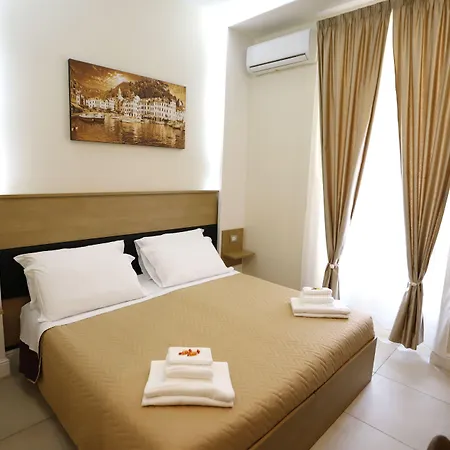
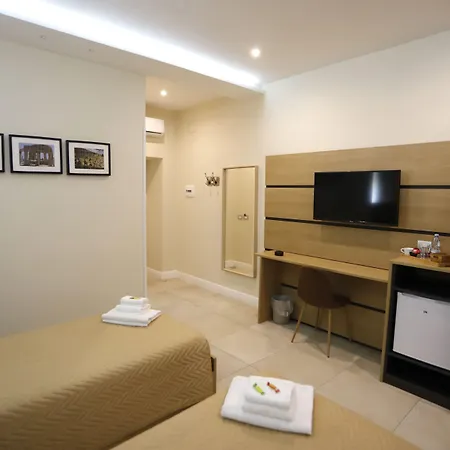








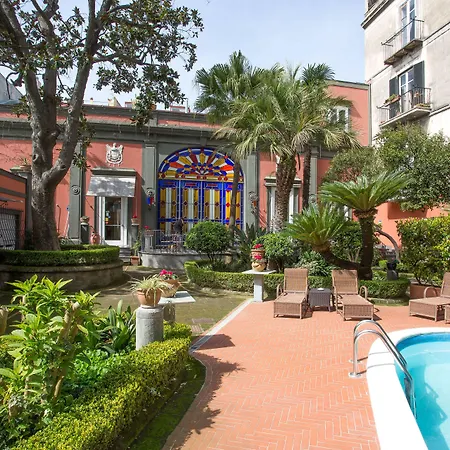
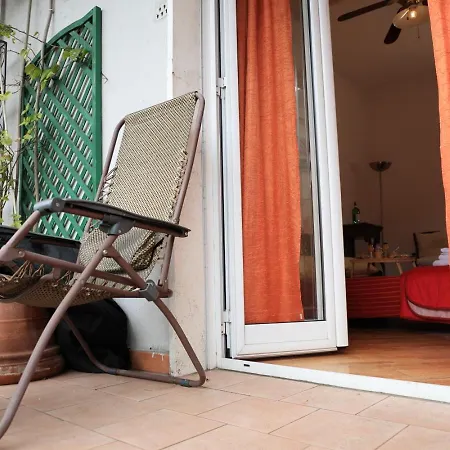
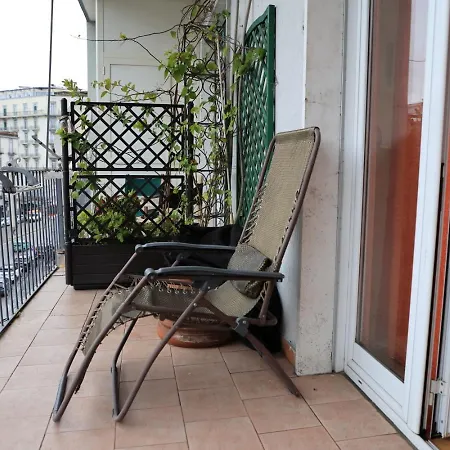




| Name of hotel | Accommodation Rating | Price, $ | |
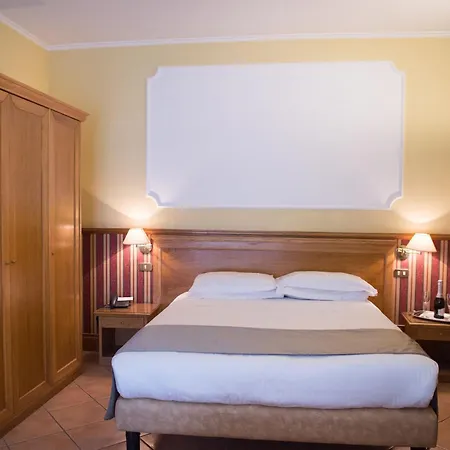
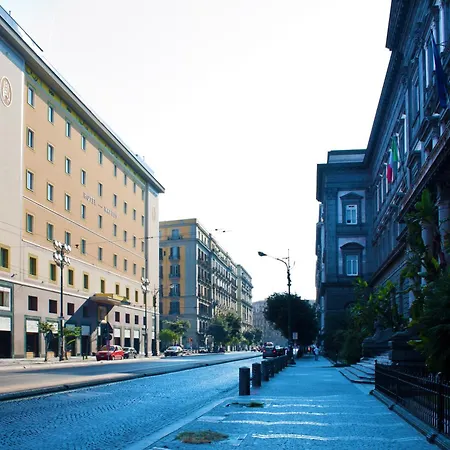
| Grand Hotel Vesuvio |
8.9 / 10 (1113 Reviews) |
From 579US$ | |
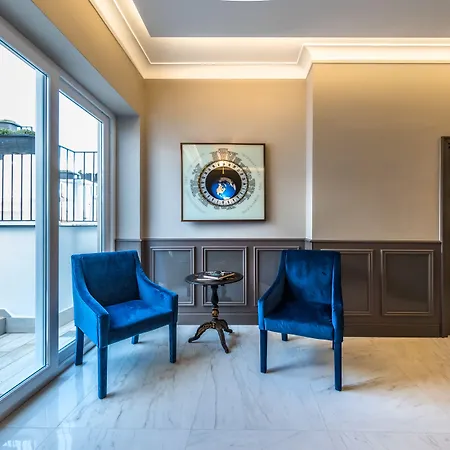
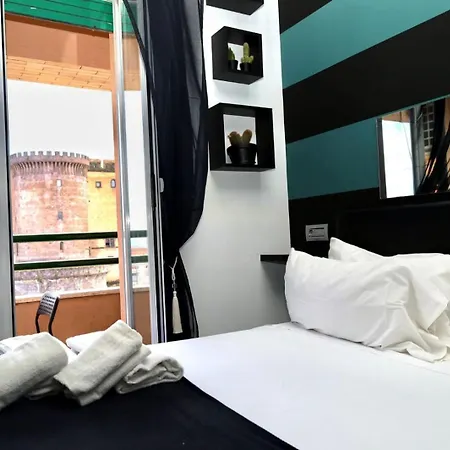
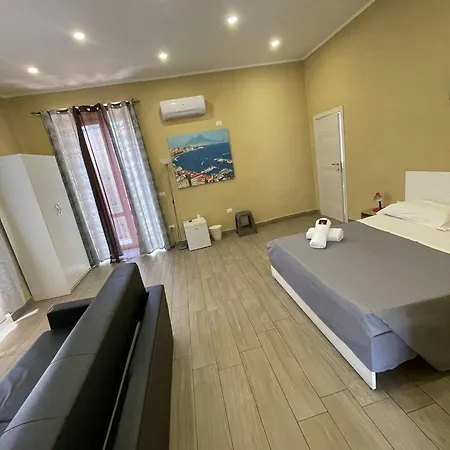
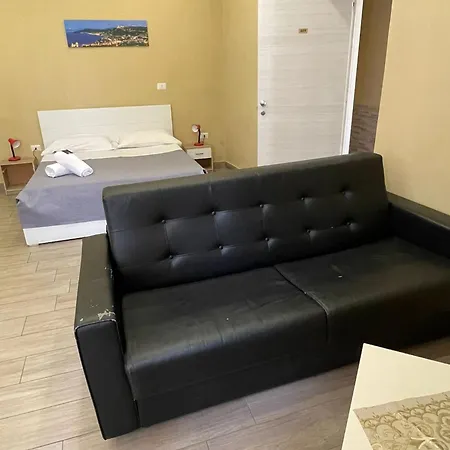
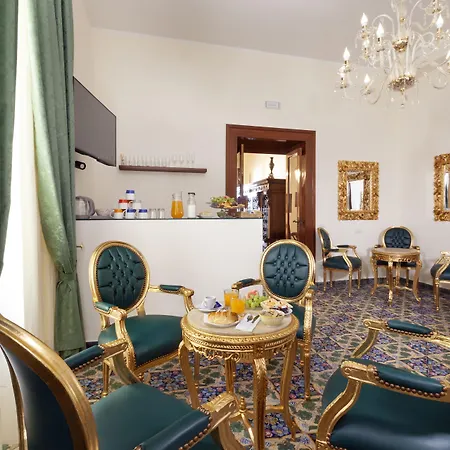
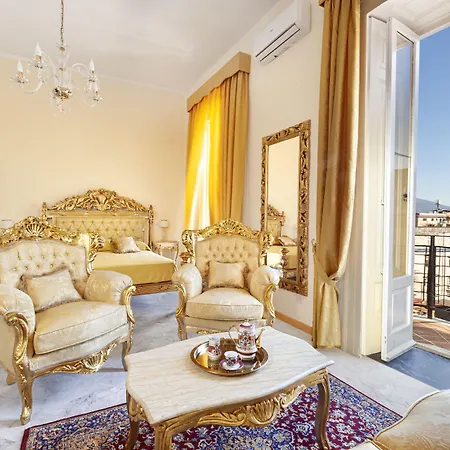
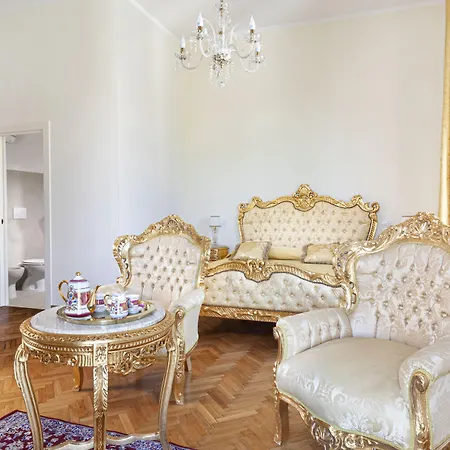
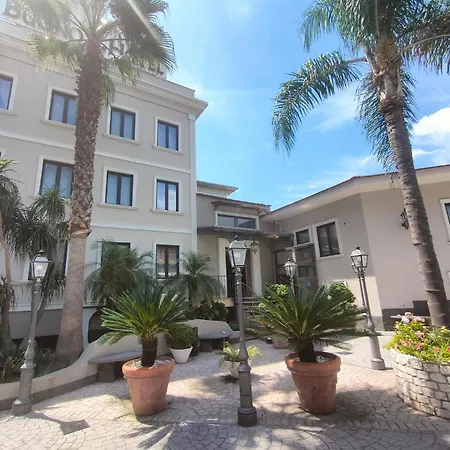
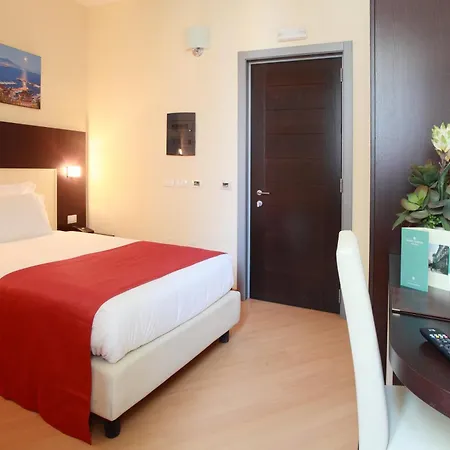
| Royalty Rooms & Spa |
8.0 / 10 (797 Reviews) |
From 49US$ | |
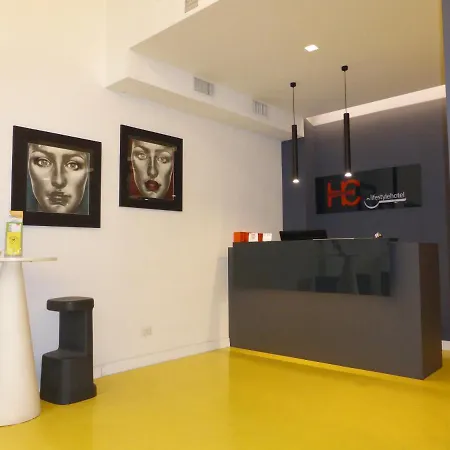
| H Rooms Boutique Hotel |
7.6 / 10 (287 Reviews) |
From 85US$ | |
| Hotel Joyfull |
8.3 / 10 (377 Reviews) |
From 36US$ | |
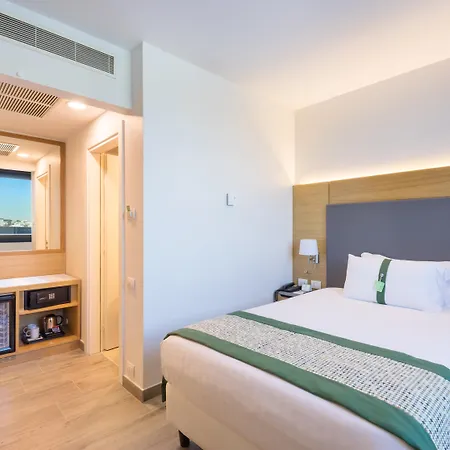
| Best Western Hotel Plaza |
8.1 / 10 (1124 Reviews) |
From 59US$ |
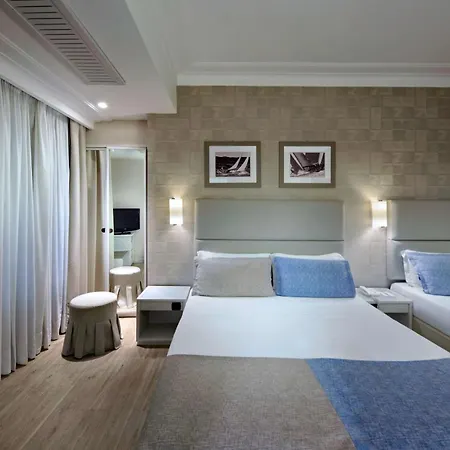
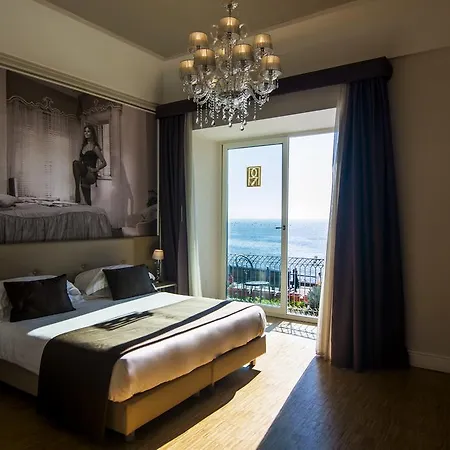
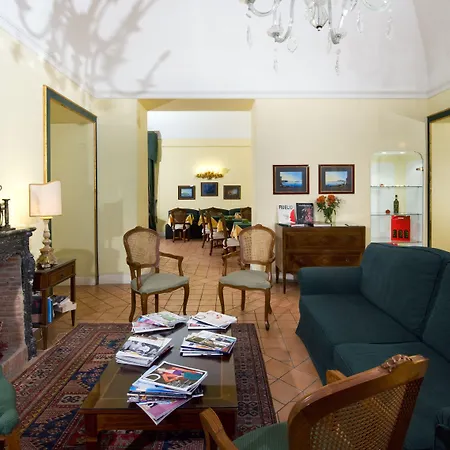
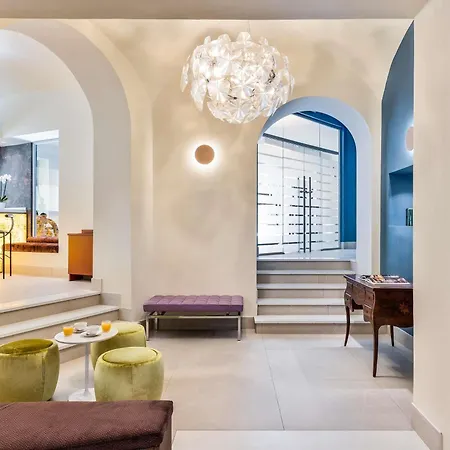
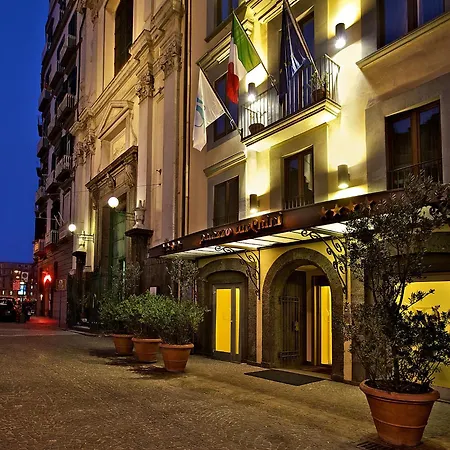
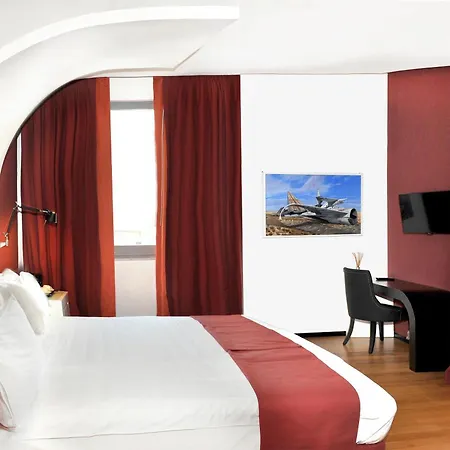
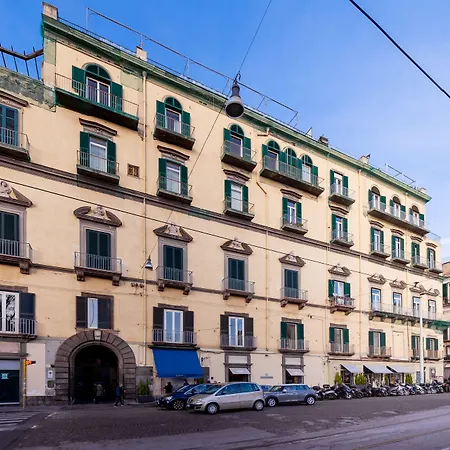
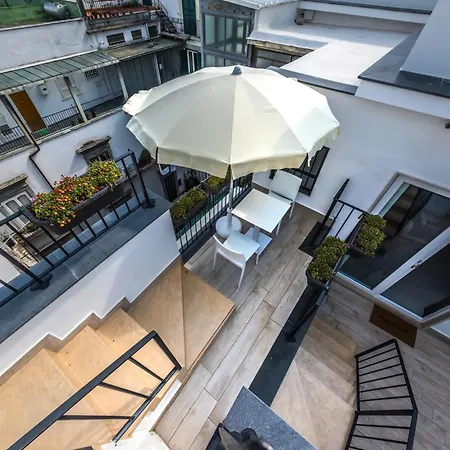
Grand Hotel Vesuvio
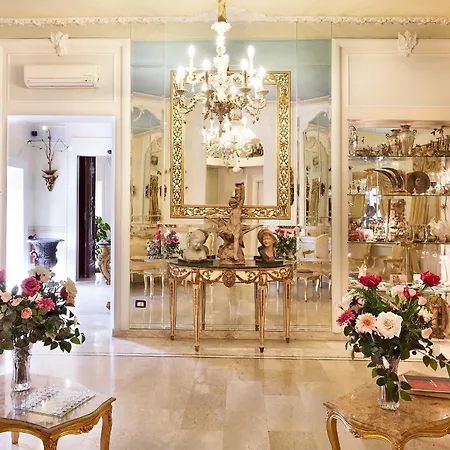
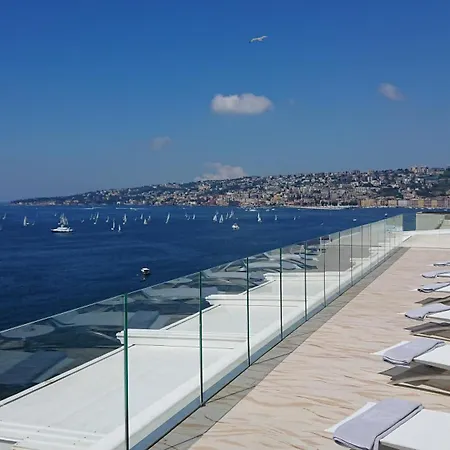
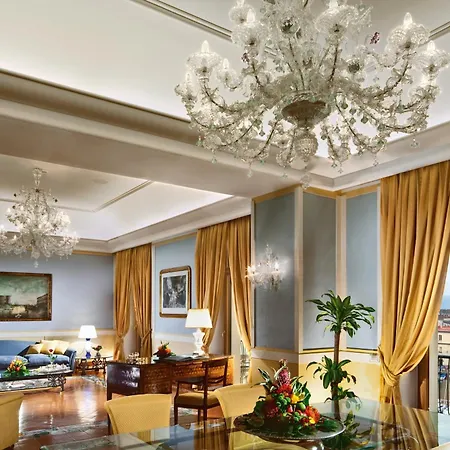
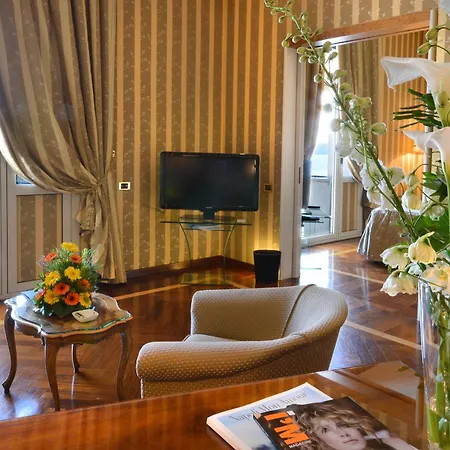
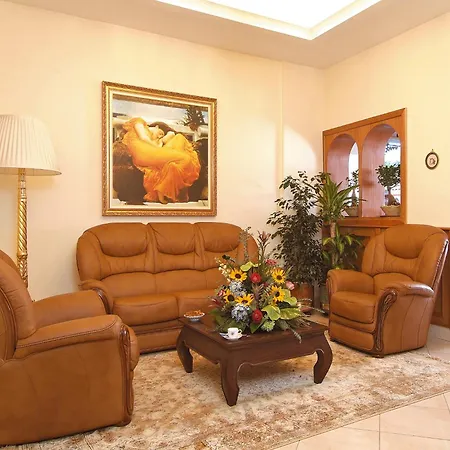
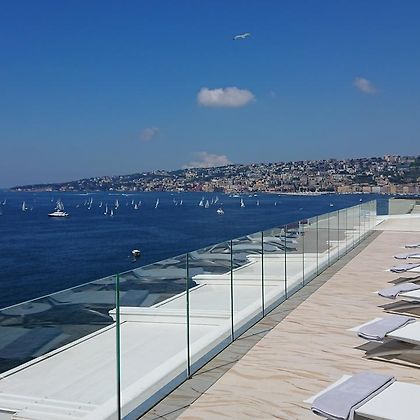
This prestigious Grand Hotel Vesuvio Naples places guests just 11 minutes' stroll of the traffic-free square "Piazza del Plebiscito". Boasting location next to the islet fortress "Ovo Castle", the 5-star luxury hotel offers 160 rooms together with a lounge bar onsite.
The luxurious property is located in a shopping area of Naples, a stroll away from Santa Lucia. Attractions, you can find 17 minutes' stroll from this welcoming hotel, include the ornate 18th-century opera house "San Carlo Theatre". The accommodation is located close to the Mediterranean Sea. Via Chiaia is 13 minutes' walk away. A railway station is easily reached from Grand Hotel Vesuvio.
From
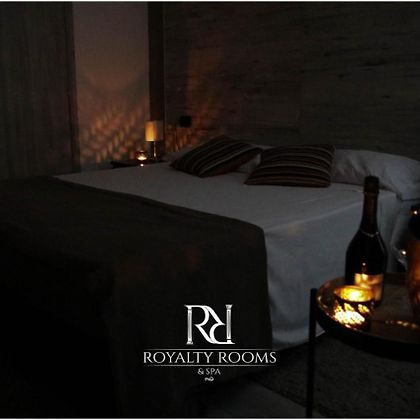
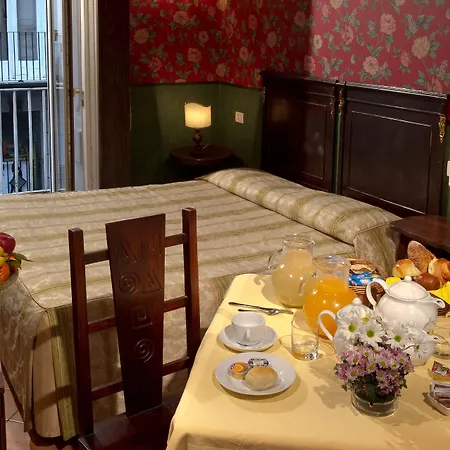
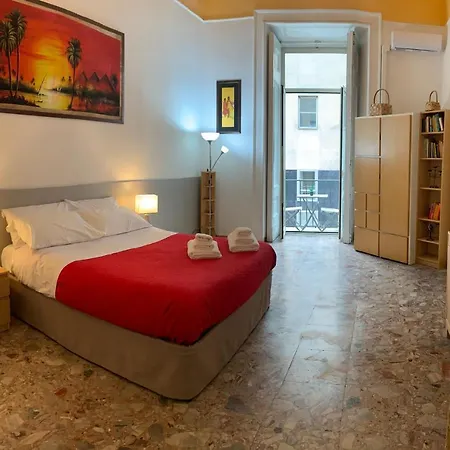
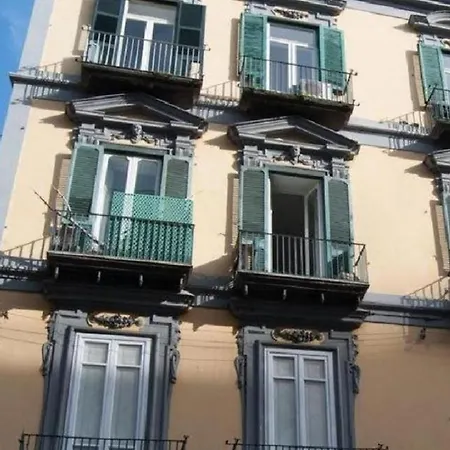
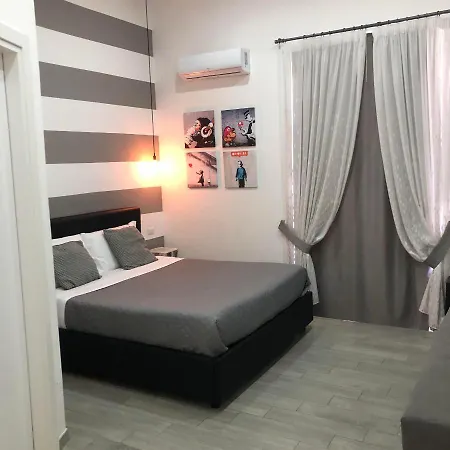
Royalty Rooms & Spa
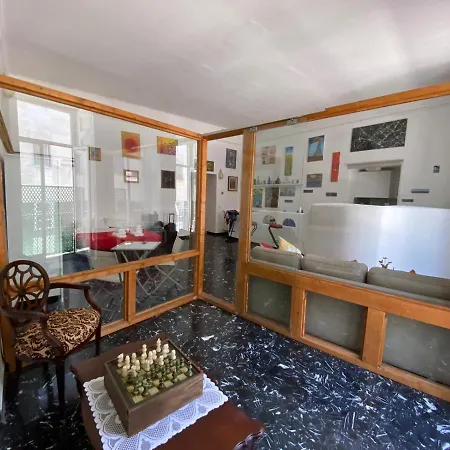
Royalty Rooms & Spa Naples is a 2-star accommodation set 17 minutes on foot from the 700s Via San Gregorio Armeno Church. A parking is available nearby as well.
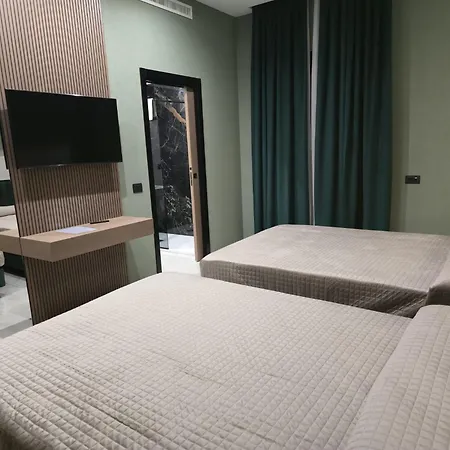
Royalty Rooms & Spa is set in Central district of Naples near Piazza Garibaldi. You can find the funerary chapel "Museo Cappella Sansevero" 25 minutes by foot from this bed & breakfast. The accommodation is situated not too far from Stazione Napoli Centrale. Within a 10-minute walk, guests will find Napoli Piazza Garibaldi train station.
From
Cheap Hotels
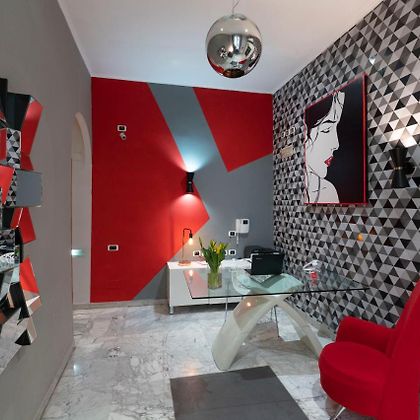
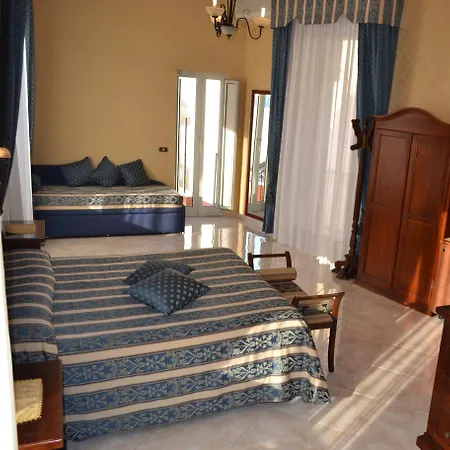
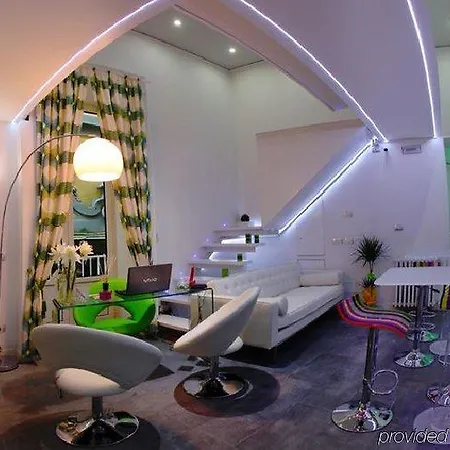
H Rooms Boutique Hotel
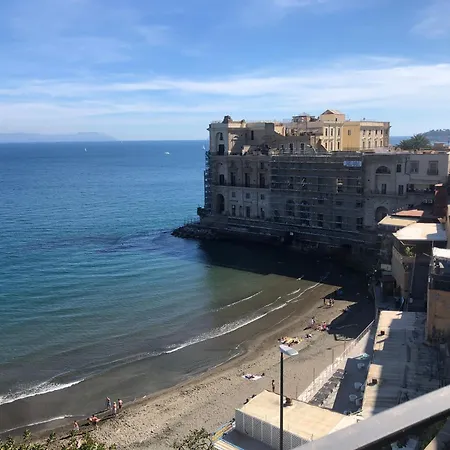
Situated in Lungomare Caracciolo district, the 3-star H Rooms Naples offers quick access to Capodichino airport within 15 minutes' drive. Located on the beachfront, this hotel also provides a safe stay with a safe deposit box and a luggage locker.
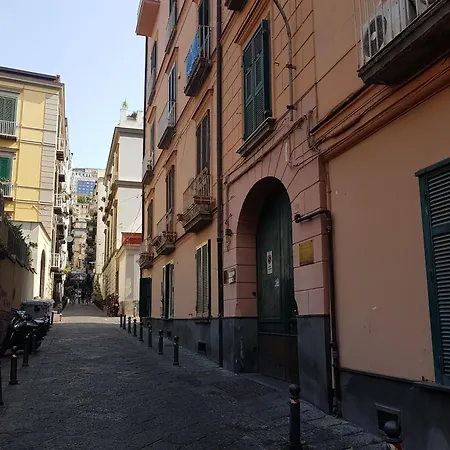
Galleria borbonica and Fontana della Sirena are 20 minutes and 5 minutes' walk away respectively. The city centre is a 30-minute walk away and Naples Mergellina rail station is 450 metres from the hotel. This property is next to Port of Mergellina Marina and a short walk from Via Caracciolo e Lungomare di Napoli. Sarago bus stop is 150 metres from H Rooms Naples and a 5-minute walk takes guests to Mergellina underground station.
From
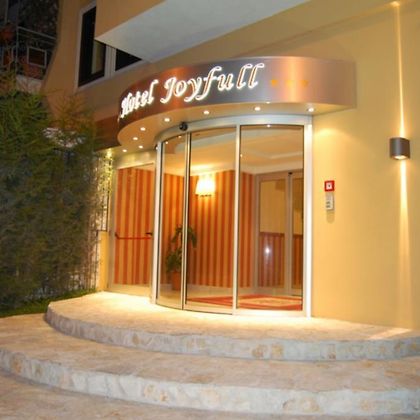
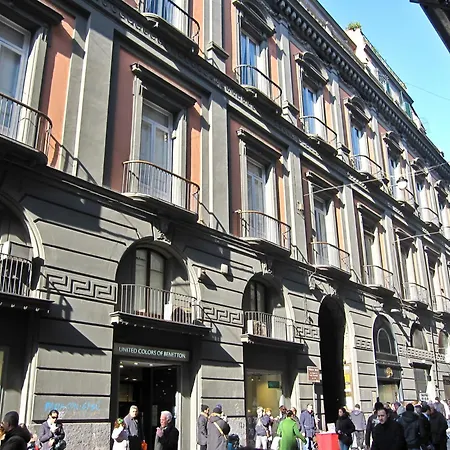
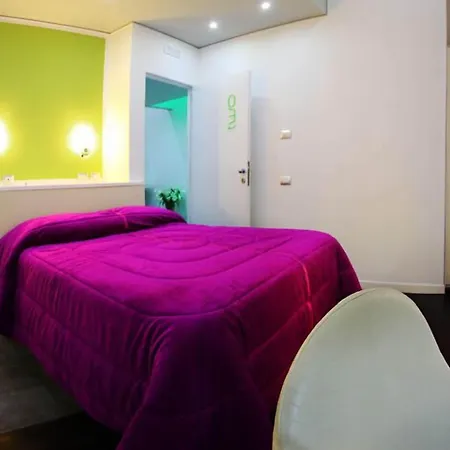
Hotel Joyfull
Joyfull Hotel Naples is 3-star accommodation set 3.6 km of Underground Naples. This Naples hotel comprises 29 rooms and amenities like a lobby area and a shop.
The designer property has a strategic location within 4.3 km from Naples National Archaeological Museum. Museo d'Arte Contemporanea Donnaregina is also at 3.2 km distance from the low-budget hotel. A railway station is just a short walk away. Capodichino airport is about 10 minutes' drive away by car.
From
Pet Friendly Hotels
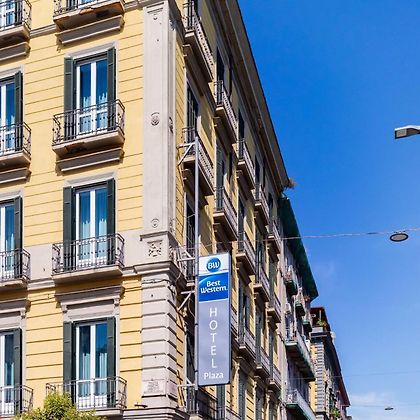
Best Western Hotel Plaza
This 4-star Best Western Hotel Plaza Naples is a smart place to stay in a business area, it lies 20 minutes' walk of Naples National Archaeological Museum. The historic hotel offers 24-hour reception, a laundry room and concierge service, and useful amenities like a baggage storage and a lobby area.
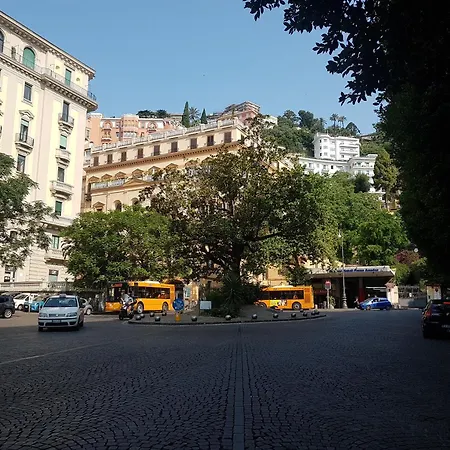
The property is located in the centre of Naples next to the ancient Porta Capuana City Gate and 2.9 km to the baroque church "Certosa e Museo di San Martino". This Naples hotel is also next door to Stazione Napoli Centrale, and near an underground station. There is the main church "Naples Cathedral" approximately 13 minutes' walk away.
From
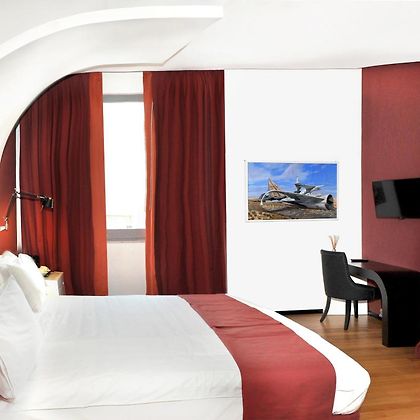
Culture Hotel Centro Storico
This 4-star Culture Hotel Centro Storico is a stylish accommodation in Naples Historical Centre district, featuring a lift and complimentary newspapers. The hotel is a good starting point to Naples's sights including the lavish Gesu Nuovo Church and Via Roma.
Putting guests around 10 minutes' walk of the public shopping gallery "Galleria Umberto I"., the designer property lies in the middle of Naples. The hotel is about 7 minutes' walk from La Pignasecca in Naples. 5 minutes' drive away from also takes you to Galleria borbonica. Capolinea Sita bus station can be reached within 550 metres and the closest underground station Universita is set 350 metres away from Culture Hotel Centro Storico.
From
Dog Friendly Hotels
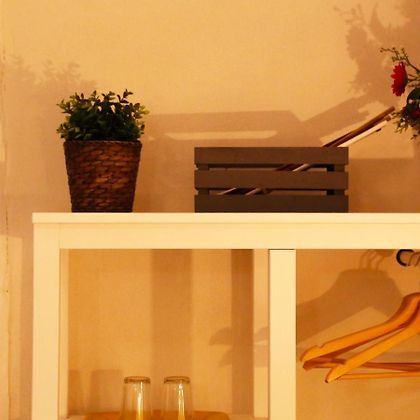
B&B Patane'
Nestled in Plebiscito district, B&B Patane' Naples offers accommodation at 1.4 km distance from Naples National Archaeological Museum. A parking is available for EUR 30 per day nearby.
The centre of Naples can be reached within 5 minutes' walk of B&B Patane'. You will enjoy your visit to The Bourbon Tunnel, nearly a 5-minute walk of this bed & breakfast. Galleria Umberto I is just few minutes' walk away. Toledo tube station is in a 10-minute stroll and Piazza Trieste e Trento bus stop is 5 minutes' walk away.
From
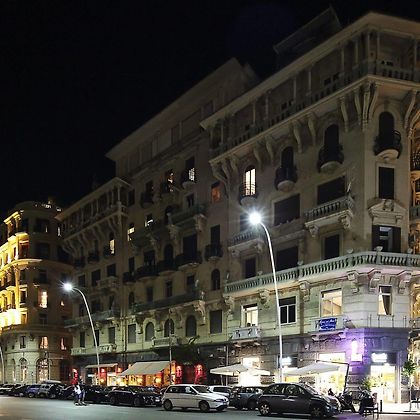
Relais Sul Mare Boutique Hotel
Relais Sul Mare Boutique Hotel Naples offers 4-star accommodation with a baggage storage and a gift shop. Located in proximity to the islet fortress "Ovo Castle" as well as Santa Maria Egiziaca a Pizzofalcone, this Naples hotel includes canoeing, hiking and bowling.
The property is set 5 minutes' walk of Chiesa della Concezione al Chiatamone in Naples. It is also less than a 5-minute walk from Santa Maria della Catena Church. Castel Nuovo Medieval Castle is about 16 minutes' walk away. Municipio underground station can be reached in 15 minutes by foot.
From
Kid Friendly Hotels
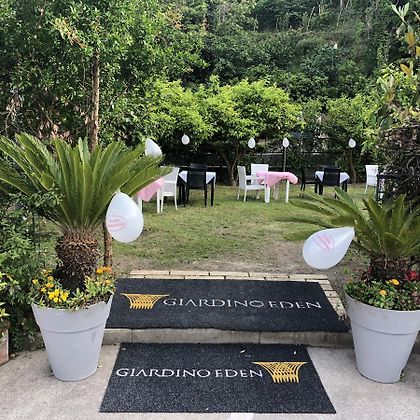
Giardino Eden B&B
Nestled in Vomero district, Giardino Eden B&B Naples offers accommodation a 5-minute drive from Museo PAN. Boasting airport transfer, laundry and bicycle usage, this bed & breakfast also provides guests with storage for belongings and a gift shop.
Castel Sant'Elmo Medieval Fortress is around 25 minutes' walk away. The hotel is just off Arturo Collana Stadium and 0.5 km from Capodichino airport. This accommodation is placed 2.7 km from Museo Cappella Sansevero. A 15-minute walk will take you to Quattro Giornate underground station.
From
Hotel Royal Continental
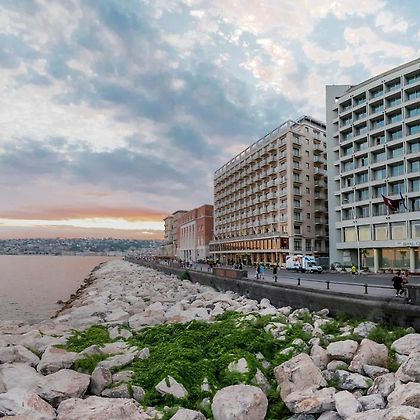
Located in the centre of Naples, Hotel Royal Continental offers fast access to the 13th - century Castel Nuovo Castle approximately 18 minutes' walk away. Featuring 397 rooms with views of the bay, the hotel is set at 3 km distance from the baroque church "Certosa e Museo di San Martino".
The fine 4-star accommodation is set in Lungomare Caracciolo district, within easy reach of the islet fortress "Ovo Castle". A 15-minute walk from this hotel will get you to the heart of Naples. Palazzo Serra di Cassano is also nearby. Chiatamonte - Castel dell'Ovo bus station is located 5 minutes away from Hotel Royal Continental.
From
Luxury Bed & Breakfast
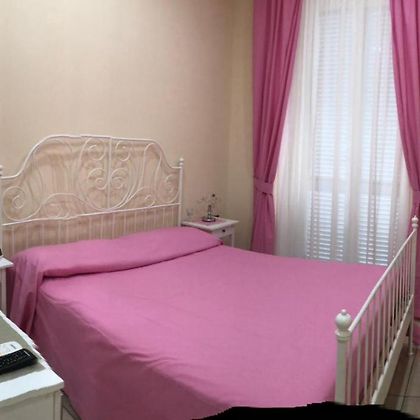
Luxury Bed & Breakfast Naples is set 5 minutes' stroll from Piazza Carlo III and only 5 minutes' walk of Coop / Decathlon. Guests will have access to a car park on site for added convenience.
Capodichino airport is 0.5 km from Luxury Bed & Breakfast, which lies in Central district. Located by Sant'Anna al Trivio, this bed & breakfast is reachable in a 5-minute walk from the centre of Naples. The accommodation is placed at 2 km distance from Museo Cappella Sansevero, while EAV - Capolinea Porta Nolana is approximately 15 minutes' walk away. Piazza Garibaldi tube station is just a 10-minute walk and Napoli Piazza Garibaldi train station is 750 metres away.
From
Buono Hotel
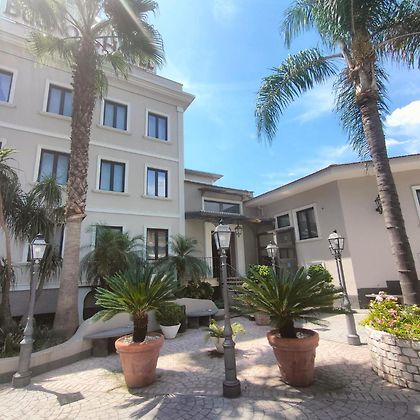
The 3-star Buono Hotel Naples offers 33 rooms 2.7 km of the main church "Naples Cathedral". Guests will benefit from a baggage storage and a lobby area as well as a lift and complimentary newspapers provided on site.
Steps away from Centro Direzionale, Buono Hotel is located in the centre of Naples. Tribunale di Napoli can be reached in a 10-minute walk. The hotel is 10 minutes' ride from the public shopping gallery "Galleria Umberto I". Buono Hotel is in close vicinity to a bus stop.
From
Napolimia Boutique Hotel
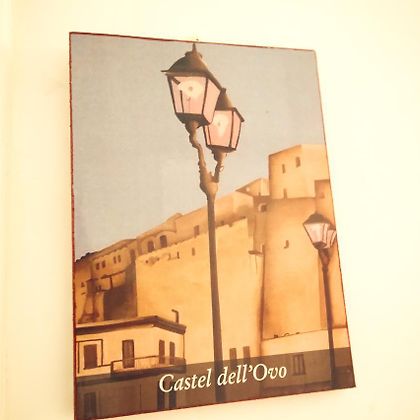
Only 350 metres of the 13th - century Castel Nuovo Castle, Napolimia Boutique Hotel Naples offers accommodation with 9 rooms. Guests at this hotel can enjoy Wi-Fi throughout the property.
The centre of Naples can be reached within 5 minutes' walk of the property. The 4-star hotel is very close to LAES - La Napoli Sotterranea and 1.5 km to Piazza San Gaetano. You can also visit the lavishly decorated 8th - century Via San Gregorio Armeno Church, which is approximately an 18-minute walk away. A 5-minute stroll will take you to Toledo underground station.
From
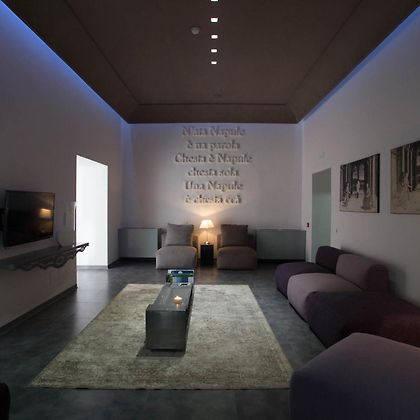
Hotel Santa Brigida
Situated among coffee shops and a bar, approximately a 25-minute walk from the baroque church "Certosa e Museo di San Martino", this 4-star Hotel Santa Brigida Naples comprises 8 rooms. The boutique hotel offers Wi Fi throughout the property as well as valet parking, housekeeping and ironing.
The charming non-smoking accommodation is perfectly nestled in Plebiscito district, not very far from Piazza del Plebiscito. You can reach the centre of Naples in 5 minutes on foot. Capolinea Sita bus station is 800 meters from this Naples hotel.
From
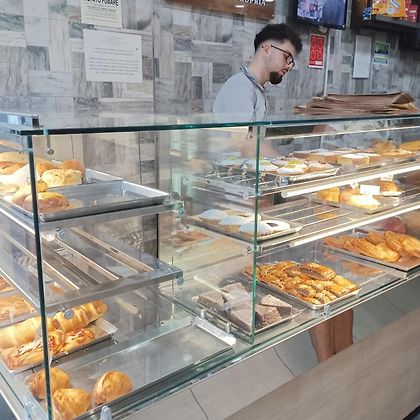
B&B Maryflower
Offering a baggage storage and a restaurant, B&B Mary Flower Naples lies in Central district, 25 minutes by foot from Piazza del Plebiscito and at 550 metres from Piazza Garibaldi. Guests will have access to a parking nearby for added convenience.
The centre of Naples can be reached within a 5-minute walk. There is the 13th - century Castel Nuovo Castle approximately 5 minutes by car, while EAV - Capolinea Porta Nolana at 500 metres of this Naples hotel. Capodichino airport is a 10-minute drive away, while Napoli Piazza Garibaldi railway station is within 5 minutes' walk.
From
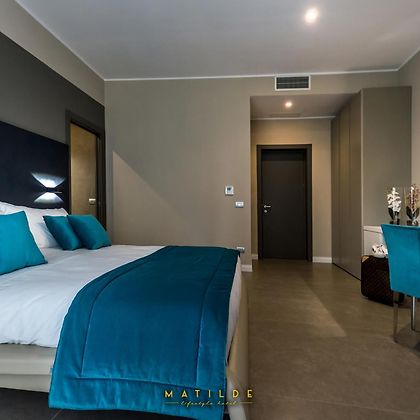
Hotel Matilde - Lifestyle Hotel
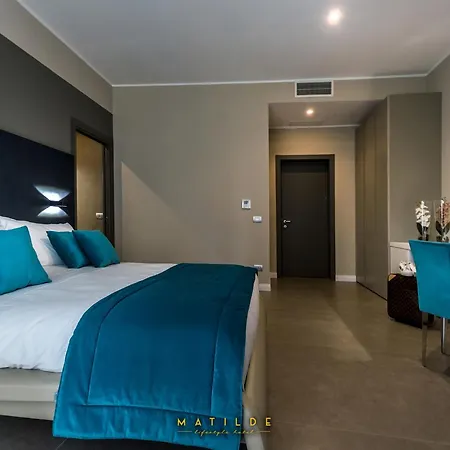
This lovely Hotel Matilde - Lifestyle Hotel Naples is a 4-star property located about 5 minutes by foot from Via Chiaia. Boasting location next to the large public square "Piazza del Plebiscito", the hotel offers 18 rooms together with a lounge bar onsite.
The accommodation benefits from a prime setting close to Galleria Umberto I. Attractions in the area also include Underground Naples, set within 1.9 km from the hotel. The Basilica Museum Complex of St Clare Church is around 17 minutes' walk away. Capolinea Sita bus station can be reached within 850 metres and the closest underground station Toledo is set 500 metres away from Hotel Matilde - Lifestyle Hotel.
From
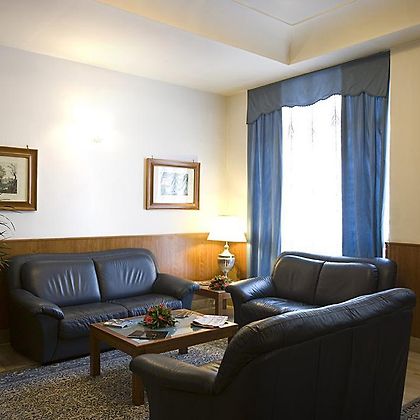
Hotel San Giorgio
Area attractions, including Piazza Garibaldi and Stazione Napoli Centrale are located only a short walk from the comfortable Hotel San Giorgio Naples. Wi Fi is offered in public areas at the 3-star hotel.
Piazza San Gaetano is a mere 1.1 km from this Naples property and about 25 minutes on foot from the traffic-free square "Piazza del Plebiscito". The city centre is a 5-minute walk away and Napoli Piazza Garibaldi rail station is 450 metres from the hotel. The funerary chapel "Museo Cappella Sansevero" is around 16 minutes' stroll away. EAV - Capolinea Porta Nolana bus station can be found around a 5-minute stroll from Hotel San Giorgio.
From
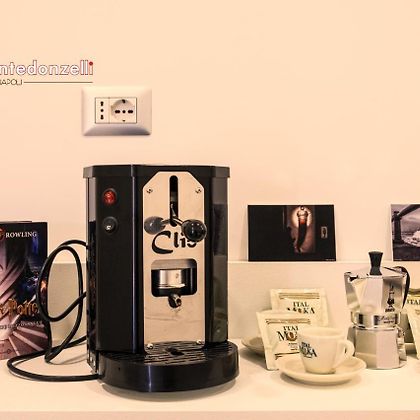
Montedonzelli B&B
Montedonzelli B&B Naples is set 2.2 km from Castel Sant'Elmo Medieval Fortress and within 10 minutes' drive from Underground Naples.
Capodichino airport is 0.5 km from the 2-star Montedonzelli B&B, which lies in Vomero district. Guests can get to Naples city centre, which is 3 km away. This bed & breakfast is in 10 minutes' ride from Catacombe di San Gennaro and other main attractions of Naples. A 5-minute stroll will take you to Montedonzelli underground station.
From
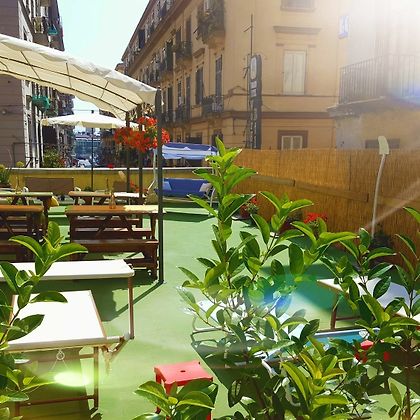
B&B Anna'S Family Terrace
This 2-star Anna'S Family Terrace B&B Naples is set within 25 minutes' stroll from Royal Palace of Naples and 2 km of the traffic-free square "Piazza del Plebiscito". Boasting location next to Porta Capuana, the family-friendly bed & breakfast offers 6 rooms together with a lounge bar onsite.
Stazione Napoli Centrale is located near the budget accommodation, and Capodichino airport is approximately a 10-minute drive away. You can get to the centre of Naples in about 10 minutes' walk. This Naples hotel is situated 1.9 km to the mighty Museum Complex of St. Clare Basilica, while EAV - Capolinea Porta Nolana lies only 0.2 km away. Piazza Garibaldi underground station can be reached in 5 minutes by foot.
From
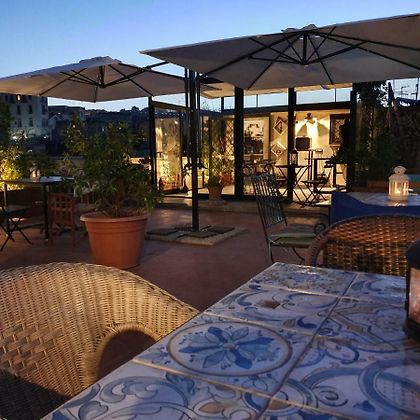
The Spanish Palace Rooms, Suites Apartments & Terraces
Situated in Naples Historical Centre district, the 3-star Spanish Palace Rooms, Apartment & Terrace offers quick access to Capodichino airport within 10 minutes' drive. 1.1 km to the funerary chapel "Museo Cappella Sansevero", this bed & breakfast boasts board games and a playground for children and includes 6 rooms.
The centre of Naples can be reached within 15 minutes' walk of the accommodation. The lavish Gesu Nuovo Church is settled 13 minutes by foot from the hotel. Guests can find Castel Nuovo Medieval Castle, which is a 10-minute drive away. Museo tube station is in a 10-minute stroll and Arena alla Sanita bus stop is 5 minutes' walk away.
From
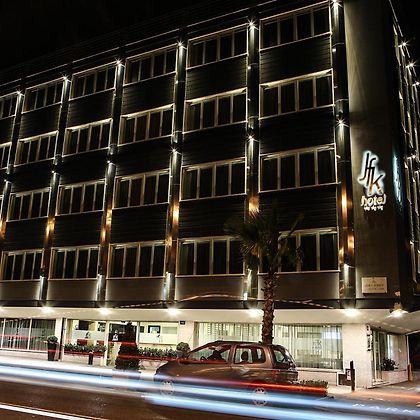
Best Western Jfk Hotel
This 4-star Best Western Jfk Hotel is a welcoming accommodation in Naples, featuring a lift and complimentary newspapers. Placed in Fuorigrotta - Zona Fiera district, the hotel is centrally situated 15 minutes' drive from the islet fortress "Ovo Castle".
The property is set in the pleasant part of Naples, 6 km to the traffic-free square "Piazza del Plebiscito". When staying at this Naples hotel, you'll be a mere 600 metres of Scandone Swimming Pool. Zoo Di Napoli and the wildlife park "Naples Zoo" are also in the area. Best Western Jfk Hotel is about a 10-minute walk to ANM/EAV/CTP - Capolinea Tecchio/Campi Flegrei bus station.
From