
Things to do in Carrara
Not Just Any Hotel – Only the Best Things to do in Carrara, Selected for You!
Jun 15, 2026 - Jun 16, 2026
2 adults, 1 room
Find


Good
(16)
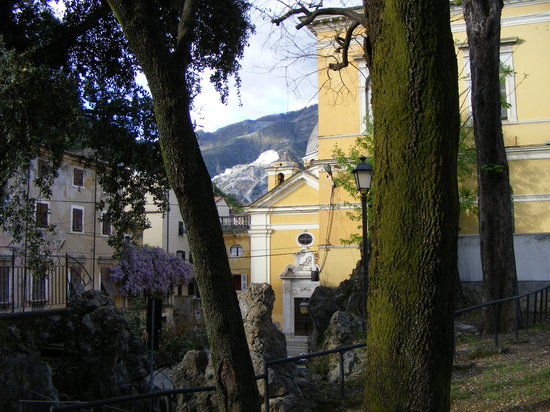
Chiesa del Suffragio
10:00 AM–5:00 PM
Church
Via Plebiscito 1
View map
Chiesa del Suffragio in Carrara, Italy, is a historic church known for its Baroque architecture, dedicated to the souls in purgatory since 1675.
Duration: About 1 hour.
Free. Donations are appreciated for maintenance.


Good
(6)
Centro Arti Plastiche
10:00 AM–6:00 PM
Museum
Via Canal Del Rio
View map
Centro Arti Plastiche in Carrara, Italy, features an extensive collection of modern and contemporary sculpture, showcasing the region's rich artistic heritage.
Duration: Approximately 2 hours.
Paid. Adults: €5, Students: €3, Children under 12: Free.


Good
(547)
Fantiscritti
9:00 AM–5:00 PM
Museum
Localita Fantiscritti Miseglia
View map
Fantiscritti, located in Carrara, Italy, offers guided tours of historic marble quarries and an open-air museum showcasing local history and tools used in quarrying.
Duration: Approximately 2 hours.
Guided tours (minibus or 4WD) are available for a fee. Museum entry is free.

Museo Del Marmo
10:00 AM–6:00 PM
Museum
Carrara Tuscany
View map
Museo Del Marmo in Carrara, Italy, explores the artistry of marble through ancient artifacts and contemporary installations, reflecting the city’s rich quarrying heritage.
Duration: 1.5 to 2 hours.
€5 for adults, €3 for students. Free entry for children under 12.


Good
(210)
Carrara Cathedral
9:00 AM–5:00 PM
Church
Piazza Duomo
View map
Carrara Cathedral, a Roman Catholic church in Carrara, Italy, features extensive Carrara marble in its architecture and is dedicated to Saint Andrew.
Duration: Approximately 1 hour.
Free entry. Donations are appreciated for maintenance.


Good
(496)
Marble Caves of Carrara
8:00 AM-6:00 PM
Cave
Viale Xx Settembre
View map
The Marble Caves of Carrara are famous for their stunning white marble. Artists and sculptors from around the world come here to work and create amazing art.
Duration: approx. 1-2 hours
Free


Good
(176)
Cava di Marmo al Coperto di Fantiscritti Carrara
10:00 AM-5:00 PM
Cave
Localita Fantiscritti
View map
Cava di Marmo al Coperto di Fantiscritti Carrara is an underground marble quarry in Carrara. Visitors can witness the stunning white marble and learn about its historical significance in art and architecture.
Duration: approx. 1-2 hours
Free


Good
(166)
Piazza Alberica
10:00 AM-5:00 PM
Monument
Piazza Alberica
View map
Piazza Alberica is a beautiful square located in the historic center of Carrara, known for its stunning views and colorful buildings. The centerpiece is an impressive fountain dedicated to Beatrice, featuring two large lions and water sourced from nearby Alps.
Duration: approx. 1-2 hours
Free

Good
(67)
Campocecina
Open 24 hours
Valley
View map
Campocecina is a scenic mountain area near Carrara, Italy. It offers stunning views and hiking trails that attract nature lovers and adventure seekers.
Duration: approx. 2-3 hours
Free


Good
(63)
Castello Malaspina
10:00 AM-5:00 PM
Castle
Via Roma 1
View map
Castello Malaspina is a historic castle in Carrara, Italy. It was built in the 13th century and offers stunning views of the city and surrounding area.
Duration: approx. 1-2 hours
Free