




The facade of of San Martino Cathedral could be described as "interesting" - a euphemism for many things. Rick Steves' invaluable guidebook describes it as "... an entertaining mix of architectural and artistic styles." It is eye-catching. If you take time to look carefully at the facade, especially the upper levels, you will see numerous animals, a variety of column styles, and depictions of Bible stories.
We did not visit the interior. The entry fees were more than we wished to pay, and by this time in our tour (with several weeks to go), I had already grown weary of wandering around churches. Figured we'd save our time and money for some of those considered to be more "important" and/or memorable.
San Martino was around the corner from the albergo in which we were staying, so we had plenty of chances to admire its "interesting" exterior.
The Romanesque Duomo di San Martino was built in the 13th century, whereas the attached bell tower (campanile) already exists since the 11th century.
The cathedral is home to the Volto Santo (Holy Face), a carving of Jesus created by Nicodemus who attended the crucifixion. On the outside near the entrance of the cathedral a circular labyrinth is carved in the stone wall.
Directions:
The Duomo di San Martino is situated at the Piazza San Martino in the south of the Old Town.
The Duomo of San Martino (or the Cathedral) was founded in the VI century. It was rebuilt around 1060 and renewed between the XII and the XIII centuries. The interior was rebuilt in the 14th and 15th centuries.
One of the hilglights of this curch is Civitali's Tempietto; built in 1482. It houses the Volto Santo (Holy Face). A large wooden crucifix said to have been carved by Nicodemus; the biblical figure who helped Joseph of Arimathea remove Christ's body from the cross. I read somewhere that this sculpture couldn't be the original one, but could have been carved between XI-XIII centuries.
Another thing not to miss inside the church is the sarcofagus of Ilaria del Carretto. It was made between 1407 and 1408. Ilaria was one of Paolo Guinigi's wifes. The lord of Lucca. She died very young. I think she was 26.
The marble cathedral that sits in the Piazza San Martino is the Lucca Cathedral known as The Duomo di San Martino. The Facade has wonderful Romanesque sculptures on the outside and the Volto Santo, the Holy Face of Lucca, so named for the face of Jesus on the crucifix protected on the inside. Lucca Cathedral was consecrated in 1070 by Pope Alexander II, formerly the Bishop of Lucca. The facade was completed in 1204 and the portico in 1233, with the right arch design of the portico having less arches than the left, to accommodate the existing brick campanile.
The five tiers of the campanile (tower) have the bottom three made of brick with the top two having a marble facing, with the arch windows starting with one on the first tier and adding one more arch for each tier till the fourth and fifth tiers having the same number of arch windows. Most of the work inside was done by the native son artist Matteo Civitali (late 15th century), whom Henry James called the "wisest, sanest, homeliest, kindest of quattro-cento sculptors."
Unfortunately, there were some major restoration works going on in the Cathedral of San Martino when we visited, so we only got to see a small portion of Lucca's most important church. Luckily, that portion did include the duomo's most prized treasure, the "Temple of the Holy Face", or Volto Santo di Lucca. Legend has it that this wooden crucifix was sculpted by Nicodemus, one of the men who helped place the body of Jesus in a tomb. Nicodemus, fearing for his life if he were caught with the crucifix but not wanting to destroy it either, placed it on board a ship without a crew, praying that the wind would bring it to a safe location. The bishop of Lucca, having had a revelation in a dream, managed to locate the ship and brought the crucifix to Lucca. But perhaps what's even more impressive than the crucifix's story is the beautiful temple that was built for it by Matteo Civitali, often described as the city's best and most famous Renaissance sculptor.
Since many areas were off-limits, we were happy just to see Civitali's temple. However, under normal circumstances, it's possible to buy a combined ticket for 6 Euros that gives you access to the cathedral's sacristy (where Ilaria del Carretto's famous funerary monument can be seen), the Cathedral's museum (where you'll find different objects and works of art that used to be in the duomo), and the Church of San Giovani (where you can see the archeological remains of Lucca's first basilica).
This cathedral has a history dating back to the 6th century, when St Frediano conceived of the first modest church here. Subsequent enlargements in the 12th and 13th centuries produced a larger Romanesque cathedral. In the 14th and 15th, the present Gothic features were added. So, like so many Italian churches, St Martin's has a melange of styles.
This church's artwork and architecture comprise a visual history of Lucca. Take some time to examine it in detail. It's the most impressive building in this Tuscan town.
Even if you don't go inside, you really must visit the atrium of the Duomo di San Martino.
It is full of the most wonderful carvings, some of which a date back to the 5th century.
You'll find a labyrinth, monsters, realistic animals, the months of the year and the Medieval activities which too place in each one of them, a 'Tree of Life' which starts with Adam & Eve and ends with Christ...
A superb place to spend 20 minutes or so just exploring all the most intricate details of the carvings. Some are by Nicola Pisano, others by various local Medieval (and earlier)stonemasons. I have more photos here.
Unmissable.
The second construction began in 1063-1073 by Pope Alexander II. The first church is to be from around 6th century by St. Fredianus, and then in 8th century it became the seat for the Bishop. Later years in 14th century the inside nave was upgraded and the front with the big arches was work started in 1204 by Giodetto Como and it is stated the front is not yet completed per the original design. The three arched loggias had an intent to add another tier above. The campanile was another add on in 1060 and the church was abruptly butted against it, making the shape appear 3/4 in all. The style is called Pisan-Luchese Romanesque
The Cathedrale di San Martino, located in the Piazza San Martino, is a large Romanesque cathedral built in the 12/13th century. It was built after, and fitted next to, a soaring bell tower and has a 'doesn't fit' sort of look to it. It's all built in white and grey marble, with different rows of columns on the facade. Take a close look at the many carving on the facade, including a labyrinth which is said to represent the long struggle to reach salvation.
The interior is rather dark and austere, but there are many beautiful art treasures to be seen. Among the many, there are two not to be missed. The first is located in a chapel inside the church and is called "Volto Santo" (which means "Holy face"). It is a carved wooden crucifix with a highly detailed carving of Christ. It is believed to be the face of Jesus, made by Nicodemus (who witnessed the crucifixion). The second is the remarkable tomb of Illaria del Carretto (bride of a Guinigi family member, sculpted by Jacopo della Quercia).
This is the Romanesque cathedral of Lucca, built in the 12/13th century and located in piazza San Martino right next to the Walls.
All of the churches are within walking distance. Because Lucca is so small I never noticed any buses within the walls, outside of the walls yes, but most of the attractions are within the walls.
Sponsored Links
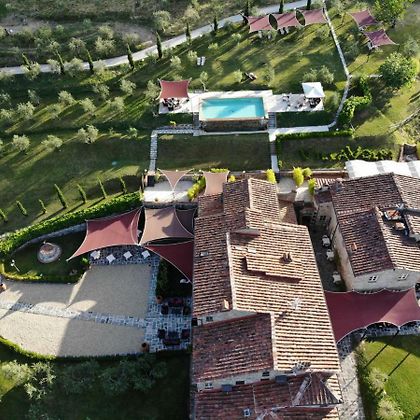
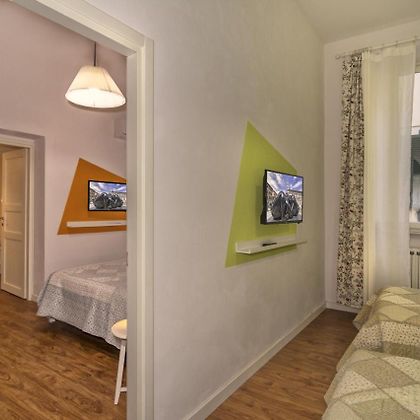
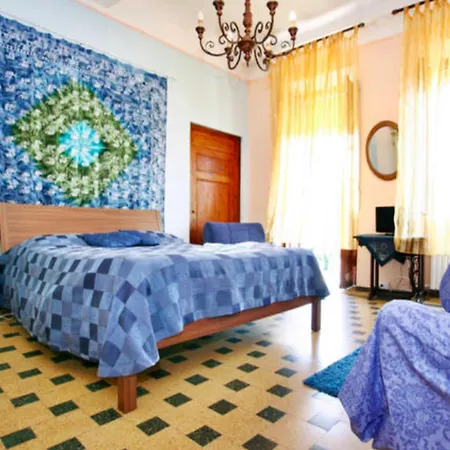
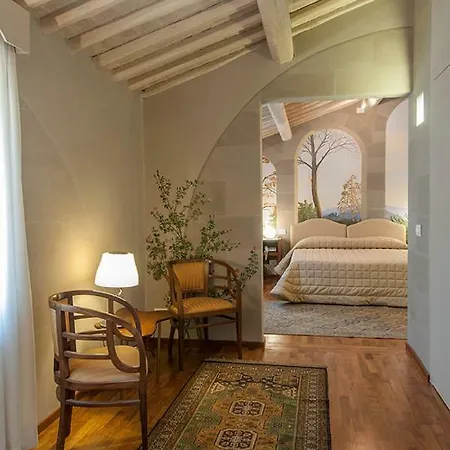
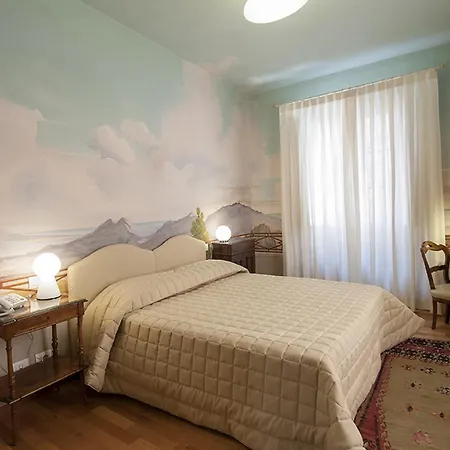
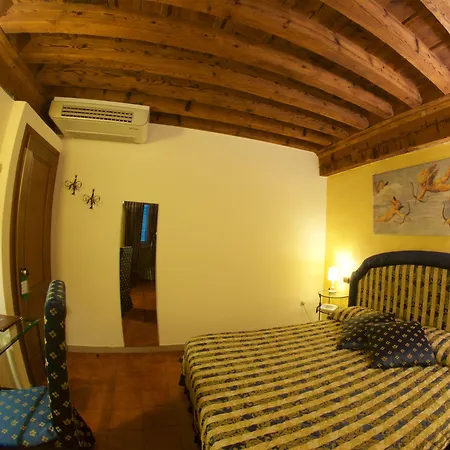
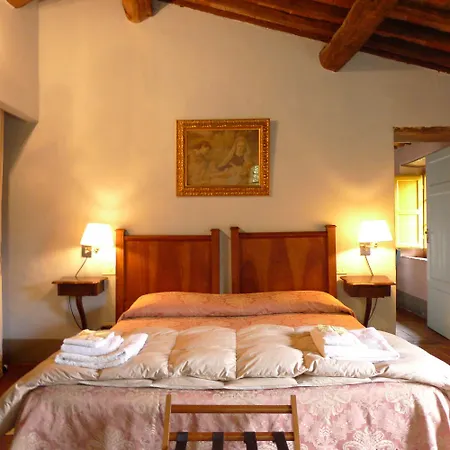
Alla Corte degli Angeli Lucca
1 Review and 172 Opinions it's beautiful, each room is different, if you really want to feel like you are on the set of "...
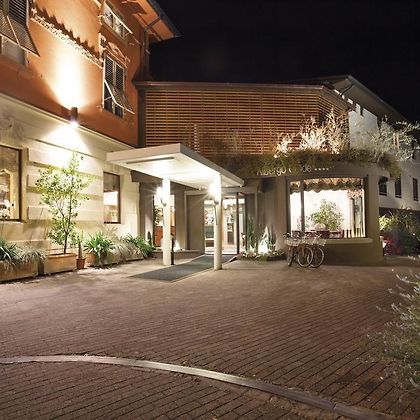
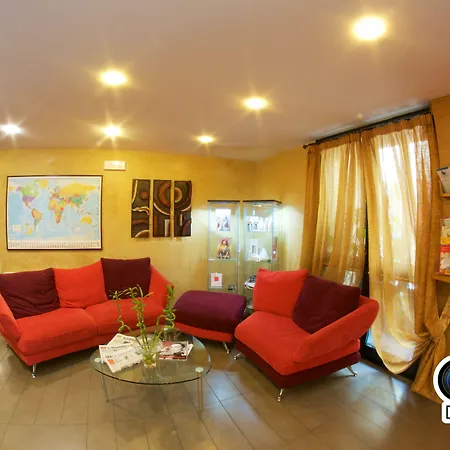
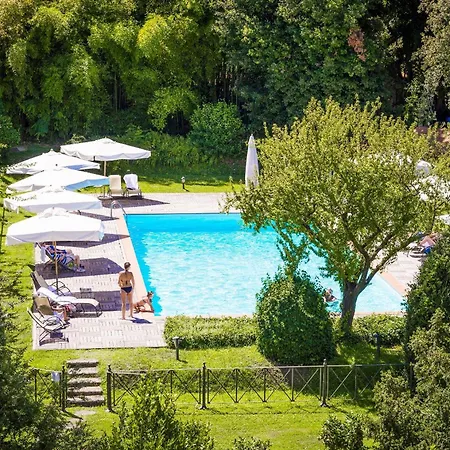
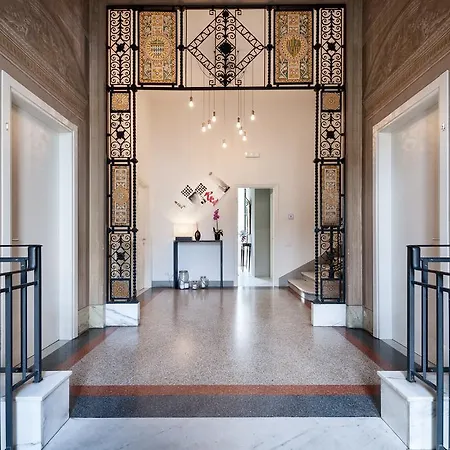
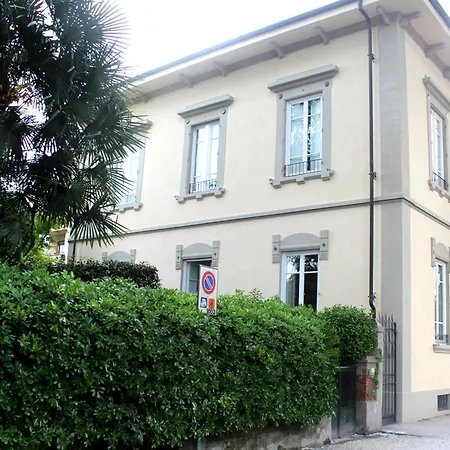
Albergo Villa Marta Lucca
1 Review and 218 Opinions nice stay and good location and sta grat fodd an breakfast
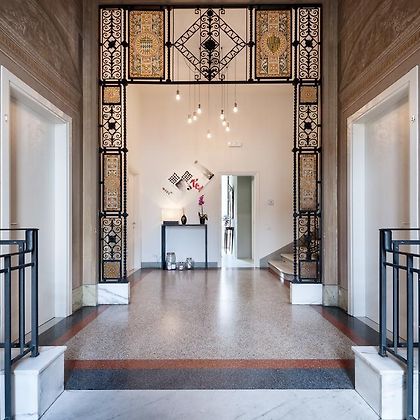
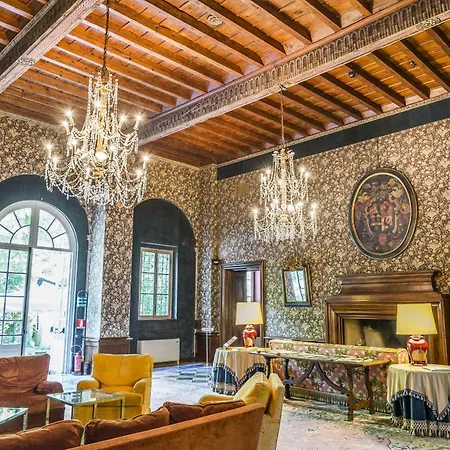
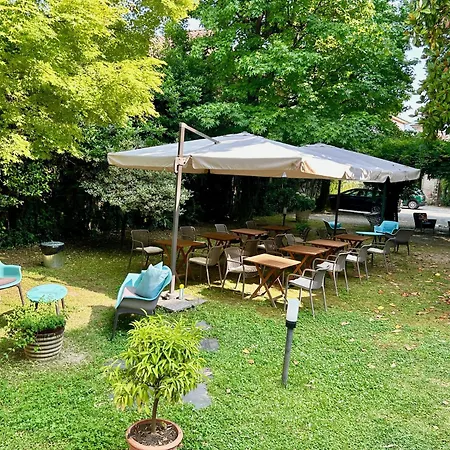
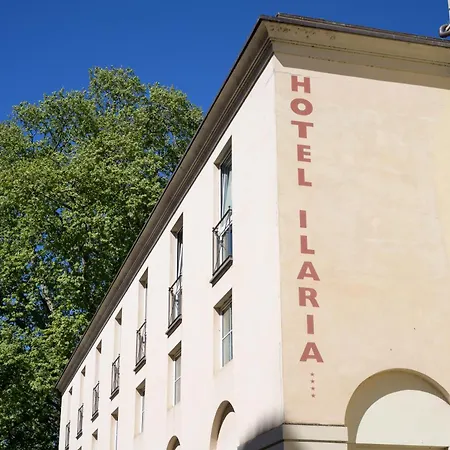
Hotel Ilaria Lucca
1 Review and 305 Opinions We stayed four nights in this great hotel. The room was spotless, well fitted, and room service was...
Sponsored Links
Comments