
Things to do in Konya
Not Just Any Hotel – Only the Best Things to do in Konya, Selected for You!

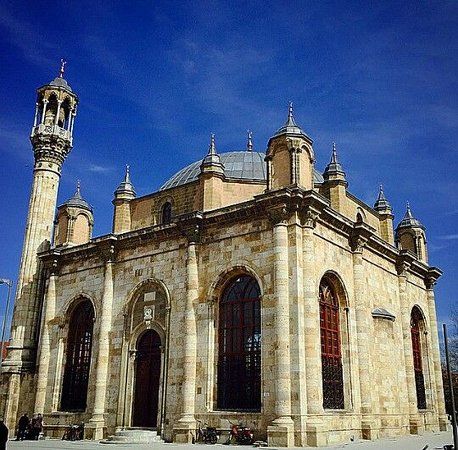
Aziziye Mosque
Duration: Approximately 1 hour.
Free, no ticket required.

Karatay Medresesi Museum
Duration: More than 2 hours.
Free. Some special exhibitions may require a paid ticket.


Sahip Ata Museum
Duration: 1–2 hours.
Free.


Ince Minare Museum
Duration: Approximately 2 hours.
Paid. Adult tickets are approximately 20 Turkish Lira, with discounts for children and students.


Alaeddin Hill
Duration: At least 1 hour.
Free entry to the hill and gardens. The mosque may have special access protocols.

Semsi Tebrizi Mosque and Tomb
Duration: Approximately 1 hour.
Free. No charges for general entry.

Hoca Hasan Mescidi
Duration: 1 to 1.5 hours.
Free entry.


Konya Tropical Butterfly Garden
Duration: Approximately 2 hours.
Paid. Adults: 30 TL, Children (under 12): 15 TL.


Kozagac Parki
Duration: 2 hours.
Free. Special events may have associated costs.


Amber Reis Cami
Duration: Approximately 1 hour.
Free. Donations are appreciated for maintenance.

Akyokus Park
Duration: Around 2 hours.
Free. No tickets required for entry.

Kapu Camii
Duration: 1-2 hours.
Free.


Konya Buyuksehir Stadyumu
Duration: 2 to 3 hours.
Prices vary by event. Regular football matches usually range from 50 to 150 TL.

Kadi Mursel Cami
Duration: Approximately 1 hour.
Free.


Alaaddin Mosque
Duration: 1 to 2 hours.
Free. Some special exhibitions may require a paid ticket.


Seyh Sadreddin Konevi Camii ve Turbesi
Duration: Approximately 1 hour.
Free. Donations are appreciated for maintenance.

Kultur Park
Duration: 2-3 hours.
Free. Some cultural events may require a ticket.


Konyanuma Panorama Museum
Duration: More than 2 hours.
Free. Some special exhibitions and events may require a paid ticket.


Ecdad ParkI
Duration: 1.5 to 2 hours.
Free. Special events may require a fee.


Selcuklu Kongre Merkezi Konya
Duration: Approximately 2-3 hours for meetings.
Paid access varies by event; check specific event details for pricing.


dutlu Korulugu Piknik AlanI
Duration: Around 2 hours.
Free. No entry fees or paid activities.

Mevlana Whirling Dervishes
Duration: 1.5 to 2 hours.
Free. Donations for special performances may be appreciated.

Aqua Konya
Duration: Approximately 4 hours.
Adult: 50 TL; Child: 30 TL. Discounts for groups and special events may apply.
Selcuk University Faculty of Medicine
Duration: Approximately 1-2 hours.
Free. Some events may have a fee.
Mursemen Cami
Duration: About 1 hour.
Free.
Cinar Camii
Duration: 1–2 hours.
Free.
Akabe Cami
Duration: About 1 hour.
Free. Donations are appreciated.
Imami Rabani Cami
Duration: Approximately 1 hour.
Free.
Ali Efendi Cami
Duration: 1-2 hours.
Free. Donations are welcomed for maintenance.
Dumlupinar Cami
Duration: 1 to 2 hours.
Free. No entry fees are required.
Parsana Buyuk Cami
Duration: Approximately 1 hour.
Free. Donations are welcomed for maintenance.
Akkabak Mehmet Aga Cami
Duration: 1–2 hours.
Free. Donations for upkeep are welcomed.
Buhara Nur Cami
Duration: 1-2 hours.
Free.
Seker Fabrikasi Cami
Duration: Approximately 1 hour.
Free. No admission fee required.
Ozdilek Cami
Duration: 1 to 2 hours.
Free. Donations are welcomed for ongoing maintenance.
Komurculer Cami
Duration: Approximately 1 hour.
Free access, donation options available.
Hz. Ebubekir Camii
Duration: 1-2 hours.
Free. Donations are appreciated for maintenance.
Arafat Cami
Duration: 1-2 hours.
Free. Donations for maintenance are appreciated.
Husamettin Celebi Cami
Duration: 1 hour.
Free. Donations are appreciated for maintenance.
Mehmet Dalan Cami
Duration: About 1 hour.
Free. Special events may require a ticket.
Havzan Yesil Cami
Duration: Approximately 1 hour.
Free. Donations for upkeep are appreciated.
Hicret Cami
Duration: 1 to 2 hours.
Free. Special events may require tickets.
Misirli Cami
Duration: 1 hour.
Free.
Beserler Cami
Duration: Around 1 hour.
Free. Donations are appreciated during community events.
Ahmed Yesevi Cami
Duration: 1-1.5 hours.
Free. No admission fee is required to visit.
Abdul Hamid Cami
Duration: Approximately 1 hour.
Free. Donations for maintenance are appreciated.
Eyup Sultan Cami
Duration: About 1-2 hours.
Free. Special events may require a paid ticket.
Hz. Ismail Cami
Duration: Approximately 1 hour.
Free entry for all visitors.
Aliya Izzetbegovic Cami
Duration: 1-2 hours.
Free.
Karaali Cami
Duration: Approximately 1 hour.
Free.