
Museum of European Cultures
 All photos (17)
Check Availability
Exploration of Everyday Life at the Museum of European Cultures
This museum presents the narratives of European lives across the centuries. Did you know it was established from a merger of notable institutions in 1999?
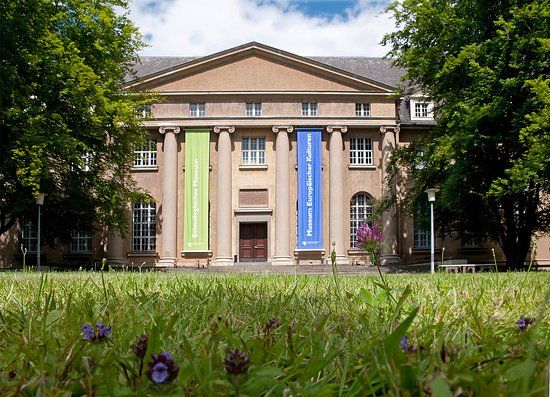
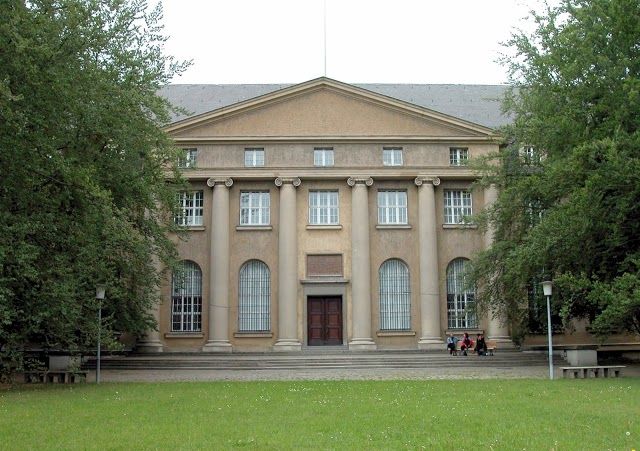
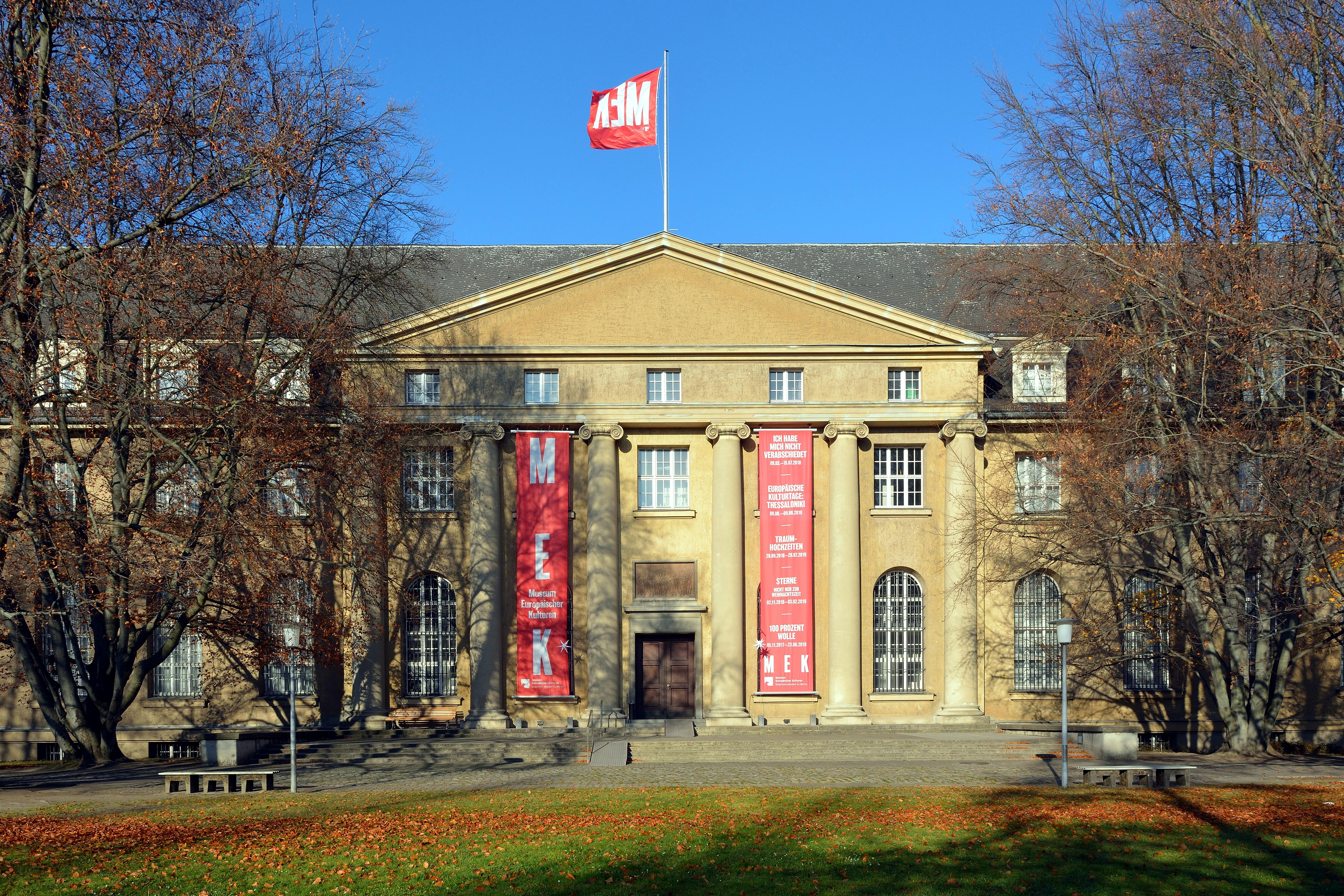
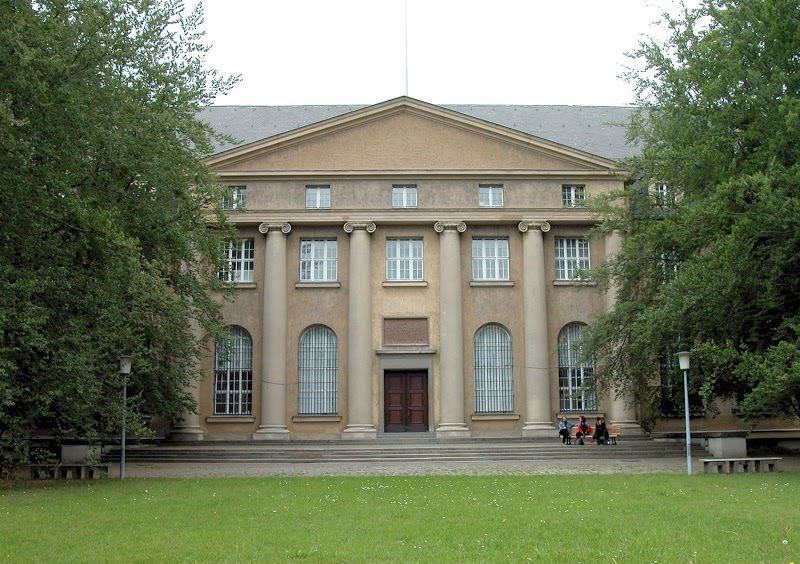
The Museum of European Cultures, part of the Prussian Cultural Heritage Foundation, highlights the everyday experiences of Europeans, particularly in Germany, from the 18th century to the contemporary era. Its historical significance lies in its efforts to transcend national boundaries and promote cultural dialogue. The museum's architecture reflects a modern design by Bruno Paul, housing extensive collection spaces.
Unforgettable Highlights
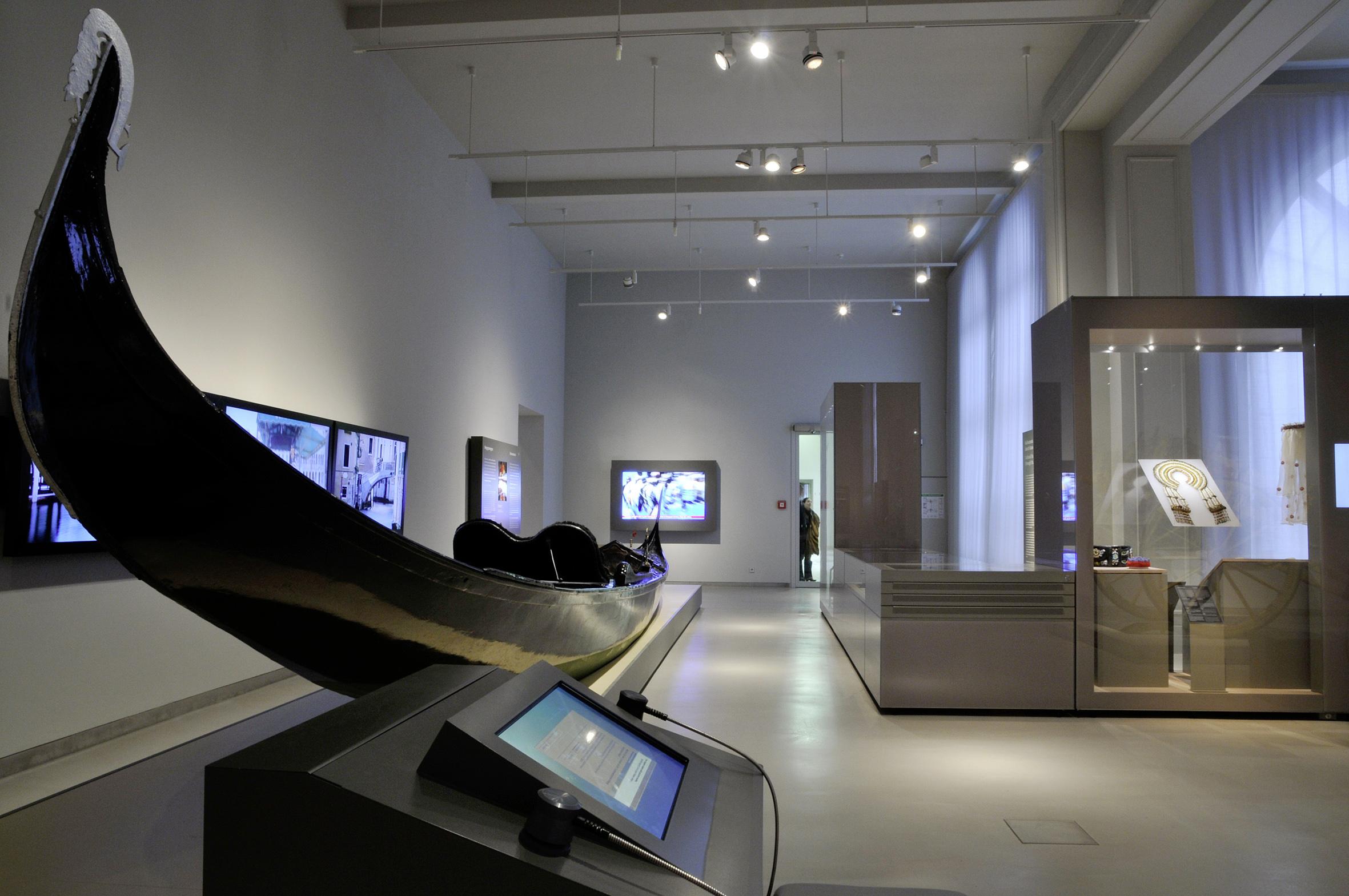
🌍 Cultural Artefacts: Discover everyday objects illustrating European lifestyles over centuries.
📜 Historical Exhibitions: Engaging displays that connect history with today's cultural issues.
🤝 Cross-Cultural Events: Participate in initiatives fostering dialogue among diverse cultural groups.
The museum offers affordable access, appealing to tourists, families, and cultural historians alike.
Interesting Facts about Natural History Museum Museum of European Cultures
Origin of the Museum
Formed in 1999 from a merger of the Europe-Department of Berlin's Ethnography Museum and the Berlin Museum for Folklore.
Architectural History
The building is the oldest structure within the Dahlem Museums, designed by architect Bruno Paul.
Cultural Networks
Actively participates in international cultural projects and museum networks to promote cultural exchange.
Location
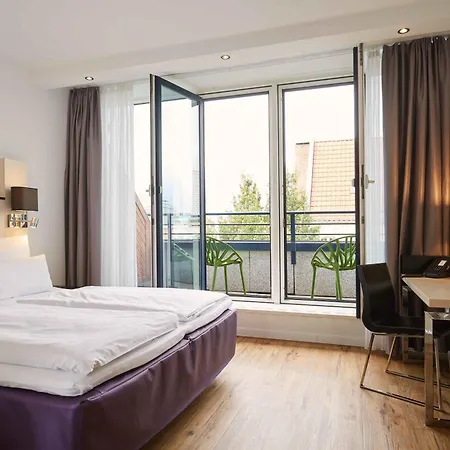
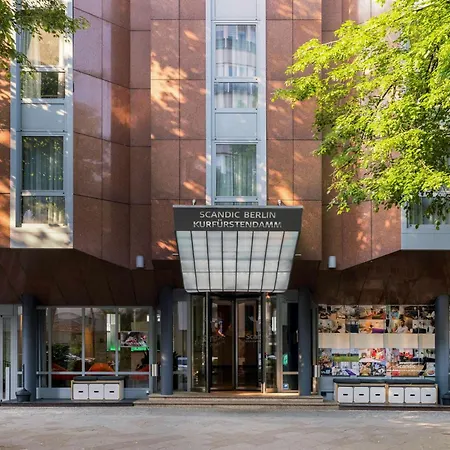
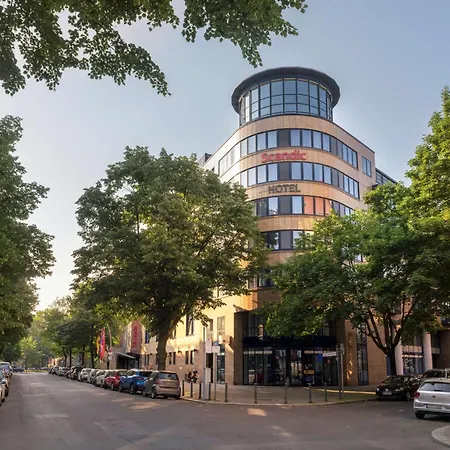
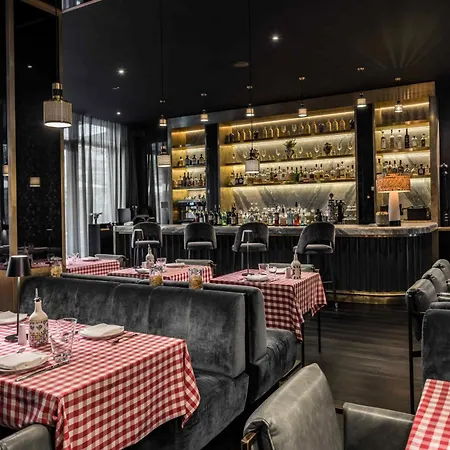
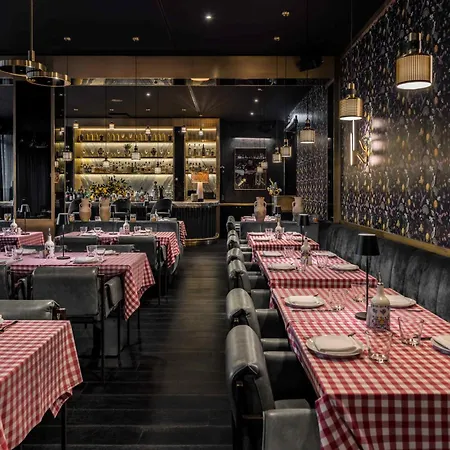
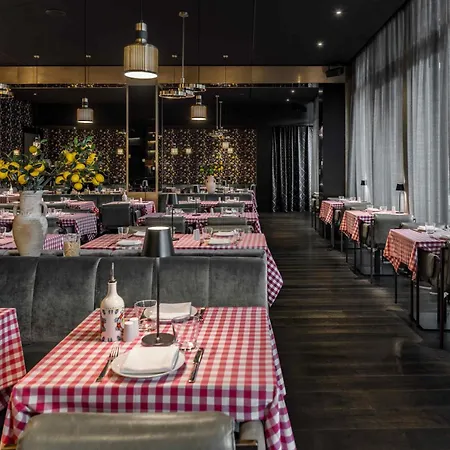
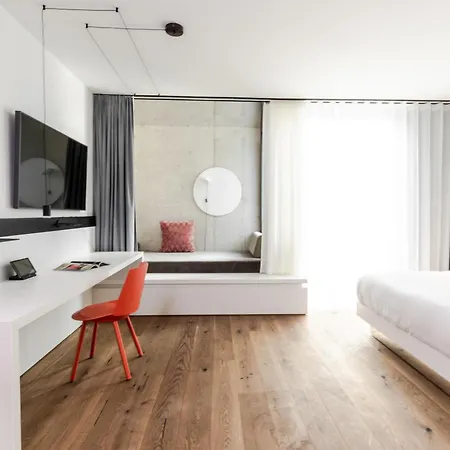
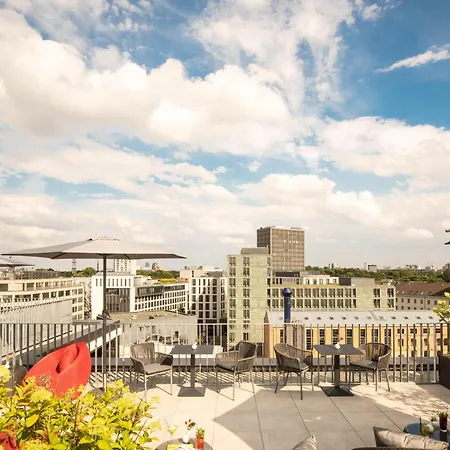
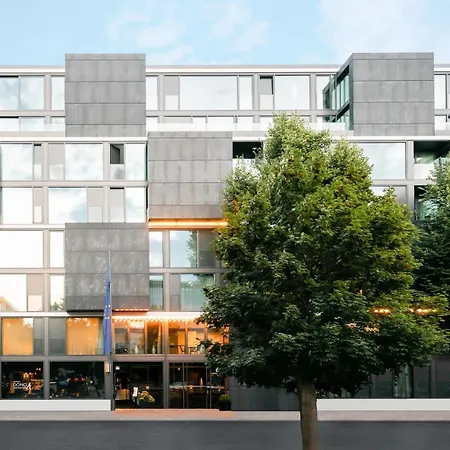
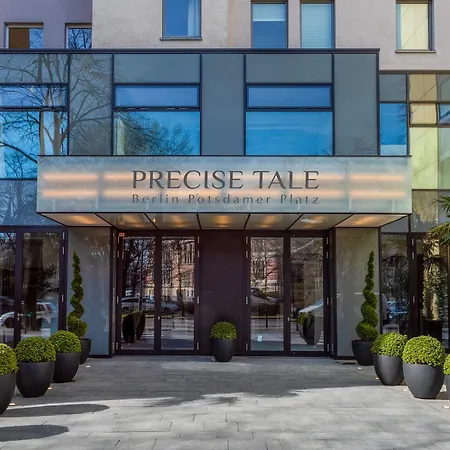
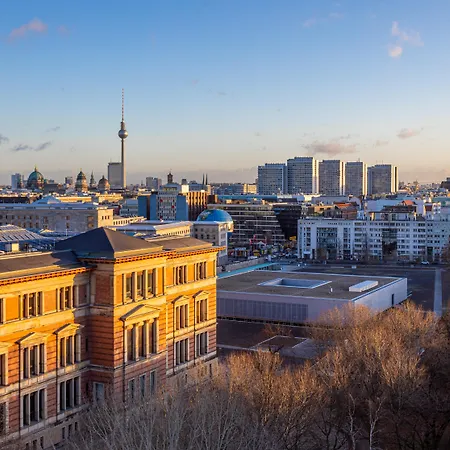
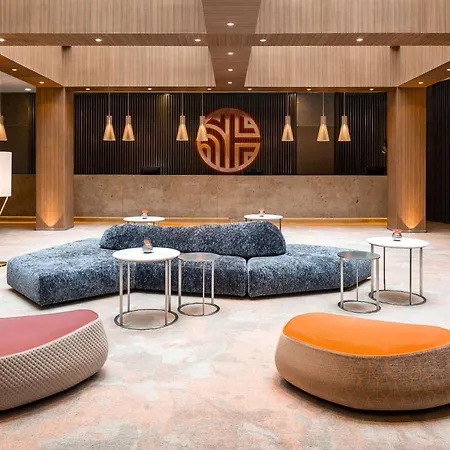
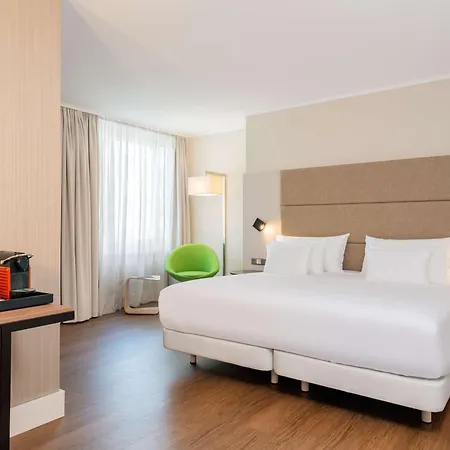
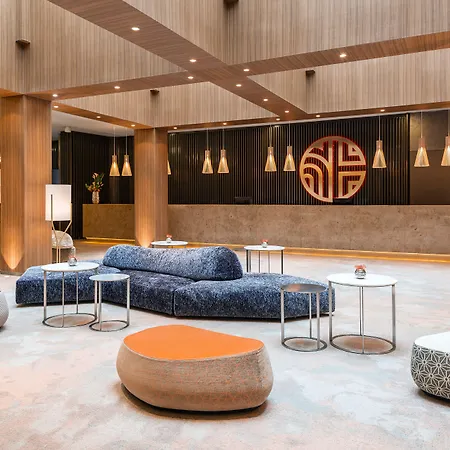
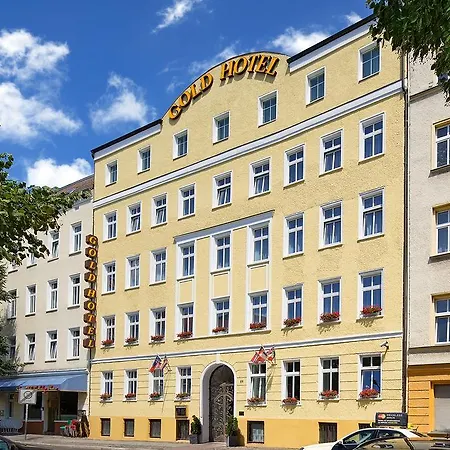
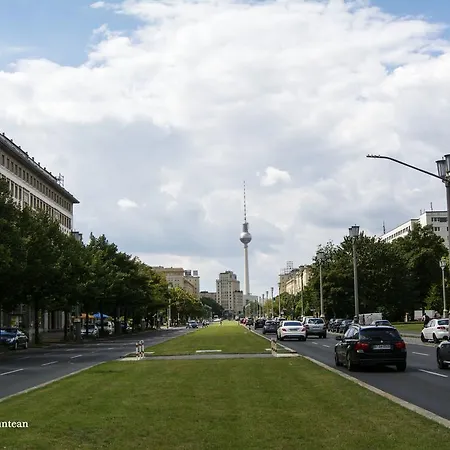
Stay Near Museum of European Cultures Best Hotels

Address
View mapArnimallee 25
Opening Hours
Friday:
10:00 AM–5:00 PM
Monday:
Closed
Saturday:
10:00 AM–5:00 PM
Sunday:
10:00 AM–5:00 PM
Thursday:
10:00 AM–5:00 PM
Tuesday:
10:00 AM–5:00 PM
Wednesday:
10:00 AM–5:00 PM
Contact Information
Price
Free. Some special exhibitions and events may require a paid ticket.
Average Visit Duration
Duration: Approximately 2 hours.
Best Time to Visit
Weekday afternoons (2:00 PM–5:00 PM) are optimal for fewer crowds.