

Adults:
Children:
Overview
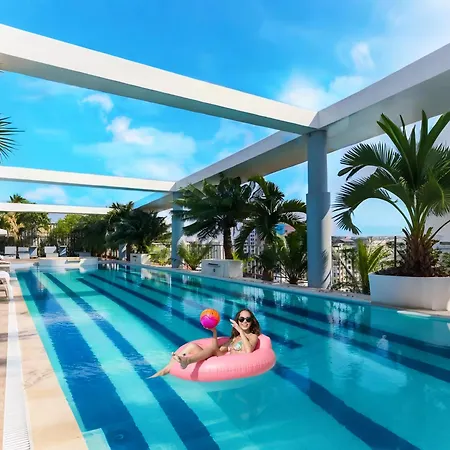
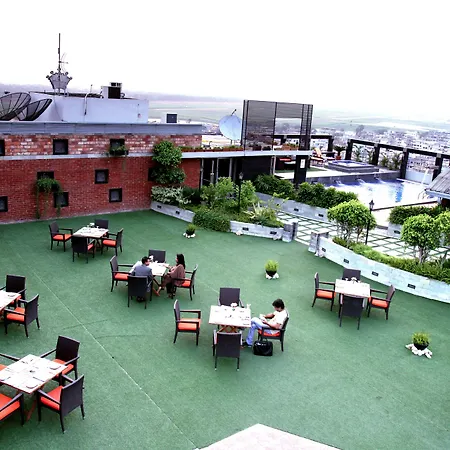
- outdoor swimming pool
- free wifi
- free parking
- spa and wellness centre
- fitness centre
- 5 restaurants
- family rooms
- tea/coffee maker in all rooms
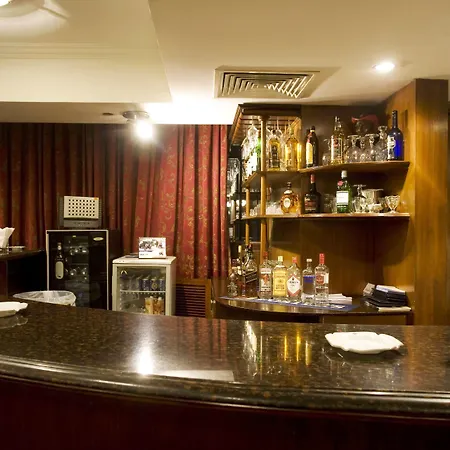
- bar
- very good breakfast
Intro
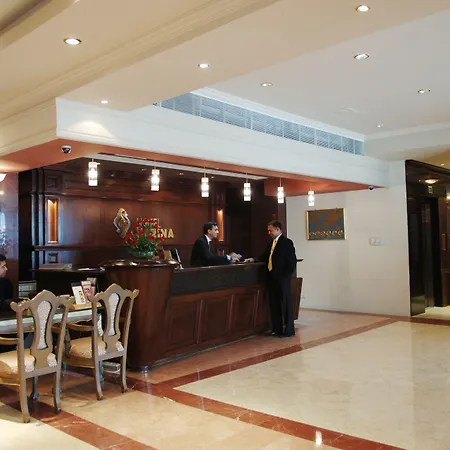
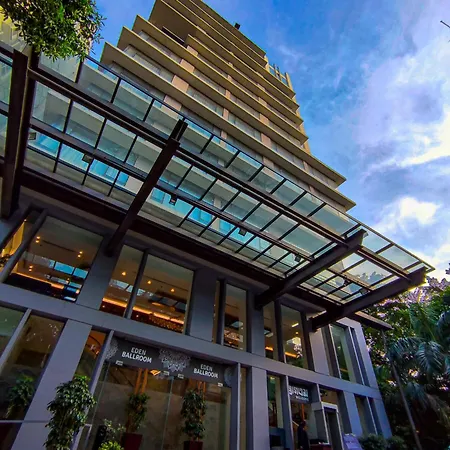
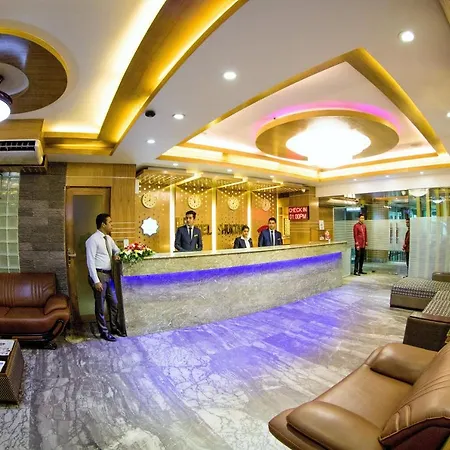
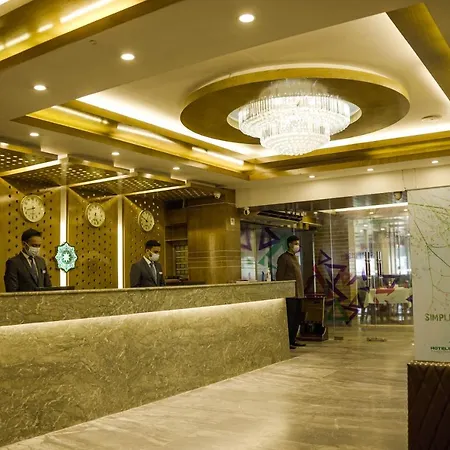
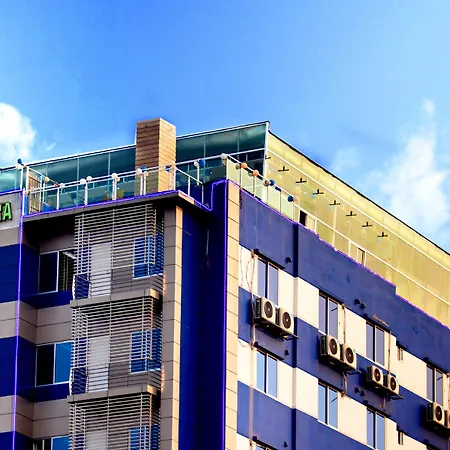
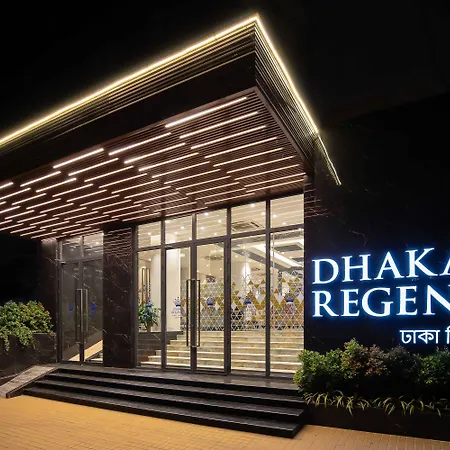
Nestled in a business neighborhood, the 5-star Hotel Sarina Dhaka is 3.4 miles from Rabindra Sorobor. This hotel, located about 25 minutes' walk from Bangladesh Air Force Museum, boasts a swimming pool along with a hot tub and a sauna.
Rooms
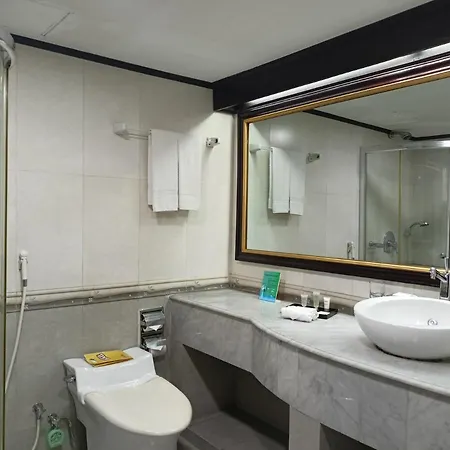
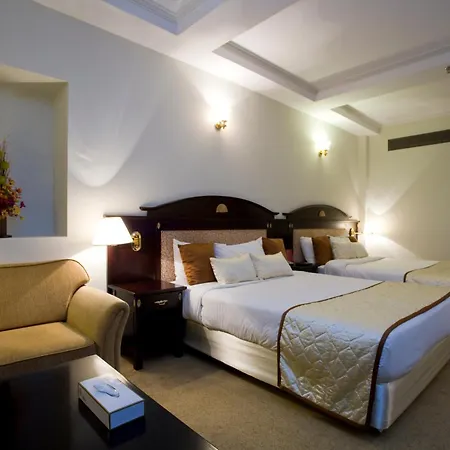
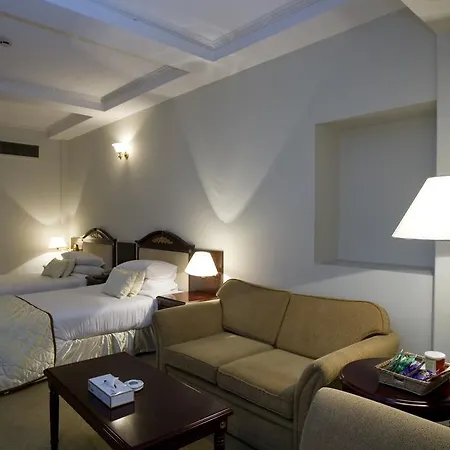
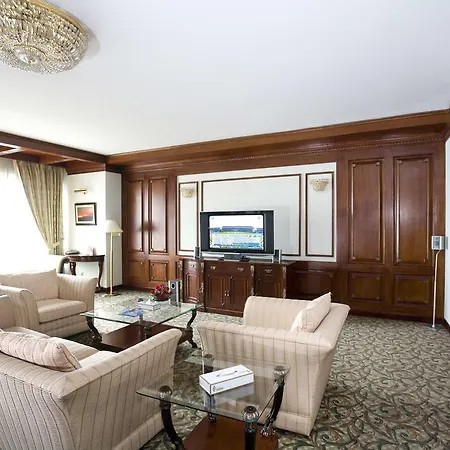
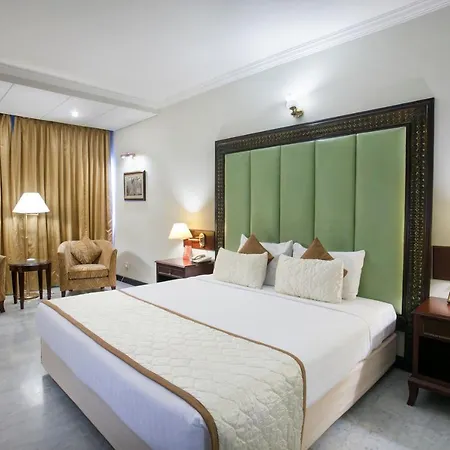
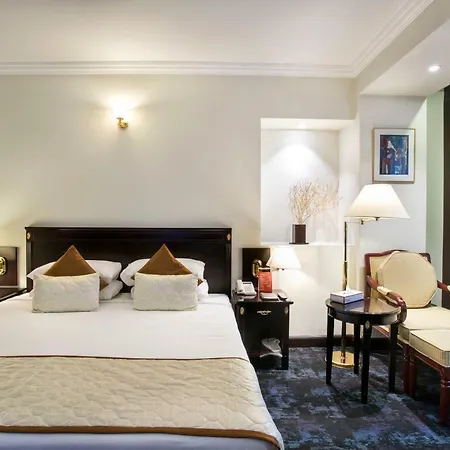
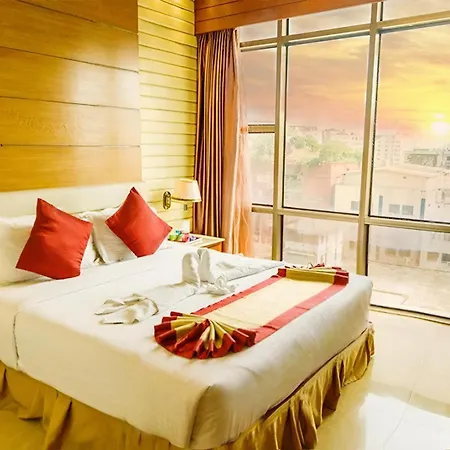
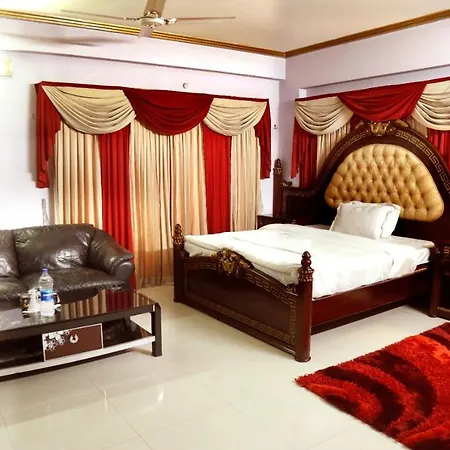
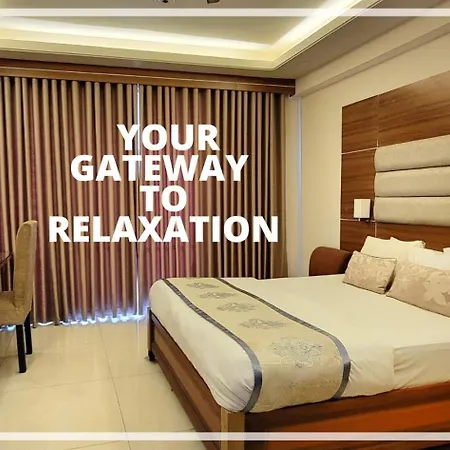
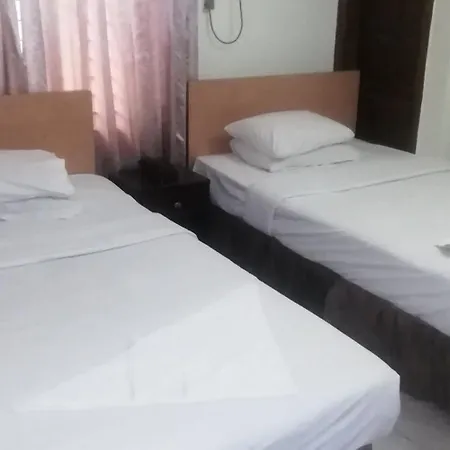
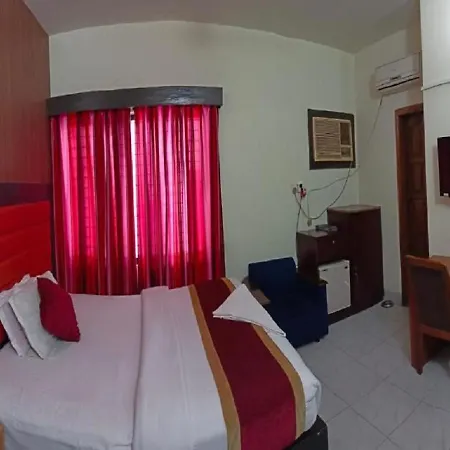
The Sarina Dhaka has 86 rooms appointed with a flat-screen TV with satellite channels, as well as self-catering options such as a mini-fridge-bar, tea and coffee making equipment. The rooms are furnished with parquet flooring and elegant furniture including a writing table. Featuring a bath, a walk-in shower, and a separate toilet, the bathrooms also come with hair dryers and a shower cap. Guests can enjoy views of the garden from this property.
Relax
Guests also have access to fitness classes and a spa center provided at an additional cost. There is a fitness suite at the Sarina. There is a business center available for corporate travelers.
Location
The smoke-free hotel, with a convenient location in Dhaka, offers guests to relax by Lake, which is situated around 1 mile away. Hatirjheel Bridge is a few feet away from the Dhaka property, while Banani bus stop is approximately a 10-minute walk away.
Eat
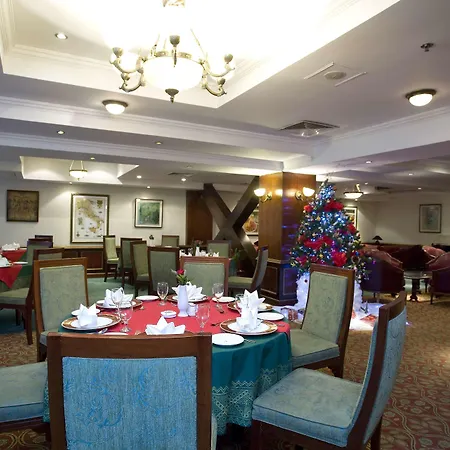
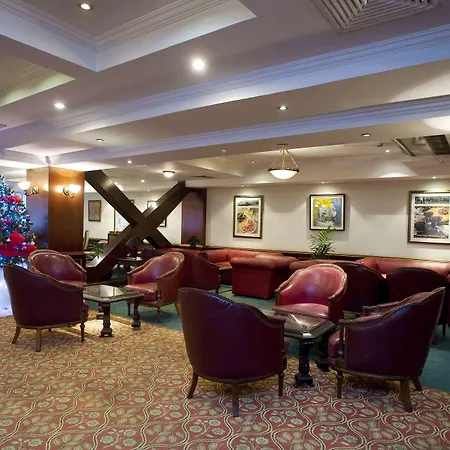
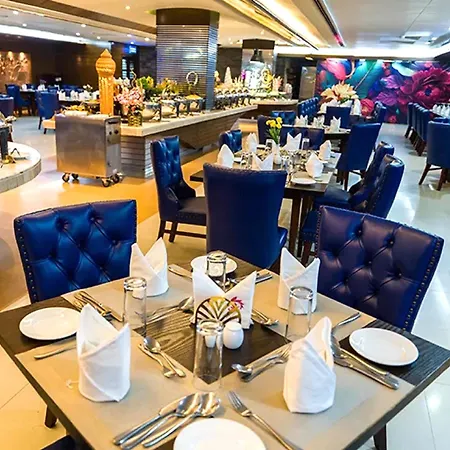
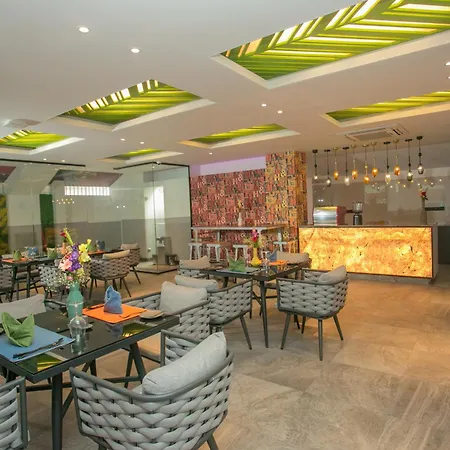
The American Summer Fields restaurant serves a variety of dishes, including American cuisine. Gastronomic options include a lounge bar.
Rooms
Other Great Stays in DHAKA

Facitilies
Facilities
- Flat-screen TV
- AM/FM alarm clock
Rooms
- Air conditioning
- Mini-bar
- Soundproofed rooms
- Sitting area
- Garden furniture
- Tea and coffee facilities
- Dining table
- Ironing facilities
Dining facilities
- Restaurant
- Snack bar
- Bar/ Lounge area
- Packed lunches
- Special diet menus
- Electric kettle
Services
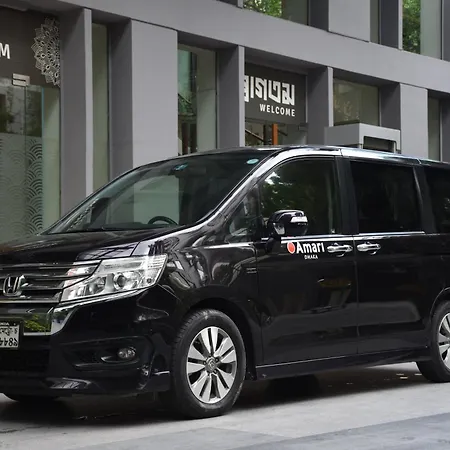
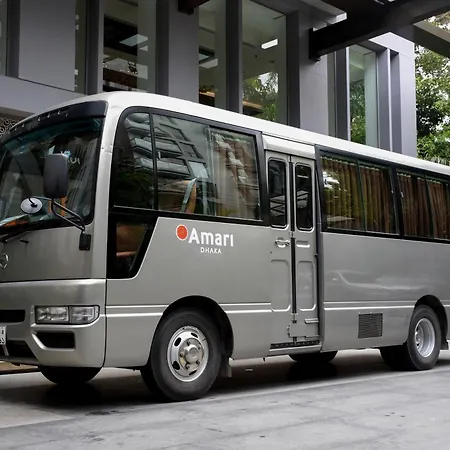
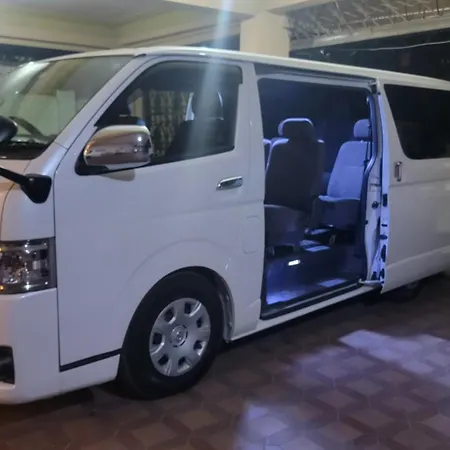
- Paid shuttle service
- Valet parking
- Room service
- Housekeeping
- Car hire
- Laundry
- Dry cleaning
- Tours/Ticket assistance
Relax
- Outdoor swimming pool
- Live entertainment
- Night club
- BBQ facilities
- Leisure/ TV room
- Spa & wellness centre
- Sauna
- Fitness centre
- Darts
- Sports trainer
Activities for Kids
- Cots
- Babysitting/Child services
- Playpen
- Game room
Reviews
Tourist VR
Categories
-
Cleanliness 8
-
Comfort 8.1
-
Facilities 7.7
-
Free WiFi 8.6
-
Location 8.2
-
Total 7.5
-
Value for money 7.6
Discover Hotels Across the Bangladesh
Location
- 1. Gulshan Lake 1.95 km (1.21 mi.)
- 2. Bangladesh Air Force Museum 2.88 km (1.79 mi.)
- 3. Gulshan 1 DCC Market 1.83 km (1.14 mi.)
- 4. Jamuna Amusement Park 2.92 km (1.81 mi.)
- 5. Mohakhali 1.73 km (1.07 mi.)
- 6. Old Airport Lake 2.78 km (1.73 mi.)
- 7. Jahangir Gate 2.47 km (1.53 mi.)
- 1. ICHI Japanese Restaurant 290 m (951 ft)
- 2. HEXA Dine 300 m (984 ft)
- 3. Dhaba 380 m (1247 ft)
- 4. Sushi Samurai 360 m (1181 ft)
- 5. Taste of Lanka 480 m (1575 ft)
- 6. Turkish Bazaar 240 m (787 ft)
- 7. Star Kabab & Restaurant 200 m (656 ft)
- 8. The Manhattan Fish Market 310 m (1017 ft)
- 1. Banani 550 m (1804 ft)
- 2. Dhaka Chaka 970 m (3182 ft)
- 3. Dhaka Chaka 1.23 km (4035 ft)
- 4. Adamjee 1.64 km (1.02 mi.)
- 5. Mirpur-14 3.04 km (1.89 mi.)


Address
View mapPlot #27, Road #17 Banani C/A, Dhaka 1213, Bangla
Contact Information
Contact phone
88029821111
Website
Visit hotel website
sales@sarinahotel.com